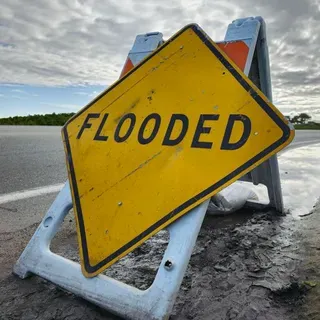


What You Need to Apply for Disaster Rehabilitation Assistance
This publication is designed to provide accurate, current, and authoritative information on the subject. However, since the laws, regulations, administrative rulings, and court decisions on which it is based are subject to constant revision, portions of this publication could become outdated at any time. This publication is distributed with the understanding that the authors are not engaged in rendering legal advice or opinions, and the information contained herein should not be regarded, or relied upon, as a substitute for legal advice or opinion. For these reasons, the utilization of these materials by any person constitutes an agreement to hold harmless the authors, the Institute of Food and Agricultural Sciences, and the University of Florida for any liability claims, damages, or expenses that may be incurred by any person as a result of reference to or reliance on the information contained in this fact sheet.
Introduction
After a disaster, you may need to seek financial assistance to restore your home or farm. There are many sources of assistance, but you will be required to provide certain information. The lists below can help you assemble the necessary information before you meet with any agents.
Applying for Assistance
What You Will Need for Grants or Loans
- Itemized list of losses
- Estimates of the repair or replacement cost of each item
- Estimates of new flood insurance premiums
- Federal income tax returns from last three years (copies)
- Deed, mortgage, or renter's lease (copy)
- Previous insurance policy or insurance settlement (copy)
What You Will Need for Personal Loss
- Proof of monthly income (stubs, statements)
- Driver's license and/or Social Security Number
What You Will Need for Business/Farm Loss
- A brief history of the business or farm
- Personal and business financial statements
- Loan repayment schedule
- List of bills owed
- Farm Service Agency information on farm crop base and assigned yields
Sources for This Publication
FEMA Disaster Assistance Application: https://www.disasterassistance.gov/get-assistance/application-checklist
How To Apply for Grants: https://www.grants.gov/web/grants/applicants/apply-for-grants.html
Farm Loss: https://www.disasterassistance.gov/get-assistance/forms-of-assistance/4719
Business Disaster Loans - https://www.disasterassistance.gov/get-assistance/forms-of-assistance/4479