


Facts about Vitamin K1
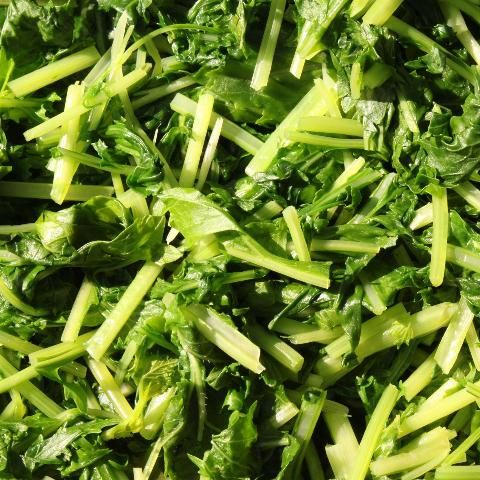
Credit: ColognePhotos/iStock/Thinkstock, © ColognePhotos
Why do we need vitamin K?
Vitamin K is one of the fat-soluble vitamins. It helps the body make proteins that are needed for normal blood clotting. Vitamin K is also needed for making important bone proteins.
What happens if we do not get enough vitamin K?
When people do not get enough vitamin K, blood takes a long time to clot. This can cause excessive blood loss and increased risk of death from injuries. Vitamin K deficiency is rare in healthy adults. However, people with severe digestive disorders or on chronic antibiotic therapy may be at risk (Nelms, Sucher, and Lacey 2016).
Anticoagulant medications such as warfarin are prescribed to interfere with the normal function of vitamin K in the body. Eating very large amounts of foods containing vitamin K can change how these drugs work (Leite, Martins, and Castilho 2016).
If you take an anticoagulant, you should pay close attention to your intake of foods such as spinach and turnip greens that are very high in vitamin K, and ensure that your vitamin K intake is about the same from day to day. You should also consult your doctor before taking high dose vitamin E supplements (Podszun and Frank 2014), or herbal supplements such as ginkgo, ginger, St. John's wort, ginseng, and garlic, as these may also affect blood clotting (Leite, Martins, and Castilho 2016).
How much vitamin K do we need?
The table below lists the recommended intakes for vitamin K (Food and Nutrition Board 2001).
How can we get enough vitamin K?
Vitamin K is mostly found in vegetables, especially green vegetables. Kale, collards, spinach, broccoli, and cabbage contain high amounts of vitamin K. Other sources are soybean oil, strawberries, and whole milk. Below are some foods and the amount of vitamin K they contain (USDA n.d.).
We also get some vitamin K from the bacteria that normally live in our large intestine. Our resident bacteria make vitamin K and we are able to absorb some of it.
Newborns have very little vitamin K in their bodies. They usually receive a shot of vitamin K soon after birth. This shot of vitamin K allows normal blood clotting to occur during the first weeks of life.
What about supplements?
Most people get plenty of vitamin K in their diet, so supplements are usually not needed. Water-soluble forms of the vitamin are manufactured and may be beneficial for people with problems in fat digestion and absorption. Multivitamin supplements are available with or without vitamin K. If you take an anti-coagulant, avoid supplements that contain vitamin K.
It is not known how much vitamin K is too much. Research has not found problems from consuming high intakes of vitamin K from food or supplements, except for people who take anticoagulant medications.
Learn More
Your local UF/IFAS Extension Family and Consumer Sciences (FCS) agent may have more written information and nutrition classes for you to attend. Also, a registered dietitian nutritionist (RDN) can provide you with reliable information.
Reliable nutrition information can be found at:
References
Food and Nutrition Board. 2001. Dietary Reference Intakes for Vitamin A, Vitamin K, Arsenic, Boron, Chromium, Copper, Iodine, Iron, Manganese, Molybdenum, Nickel, Silicon, Vanadium, and Zinc. Washington, DC: National Academy Press.
Leite, P. M., M. A. Martins, and R. O. Castilho. 2016. "Review on mechanisms and interactions in concomitant use of herbs and warfarin therapy." Biomedicine & Pharmacotherapy. 83:14–21. https://doi.org/10.1016/j.biopha.2016.06.012
Nelms, M., K. P. Sucher, and K. Lacey. 2016. Nutrition Therapy and Pathophysiology 3rd Ed. Cengage Learning.
Podszun M., and J. Frank. 2014. "Vitamin E-drug interactions: Molecular basis and clinical relevance." Nutrition Research Reviews 27(2):215–231. https://doi.org/10.1017/S0954422414000146
United States Department of Agriculture (USDA). n.d. "FoodData Central." Accessed March 18, 2020. https://fdc.nal.usda.gov/


