


Symptoms and Treatment of Low Blood Glucose1
Low blood glucose, also called hypoglycemia, can be life-threatening for people with diabetes. It can be caused by eating too little food, taking too much insulin or other diabetes medication, or being extra active. If left untreated, low blood glucose can progress to diabetic coma. Everyone with diabetes needs to know the symptoms of low blood glucose so they can take action right away.* If you work or live with someone who has diabetes, you should know the symptoms and treatment, too!
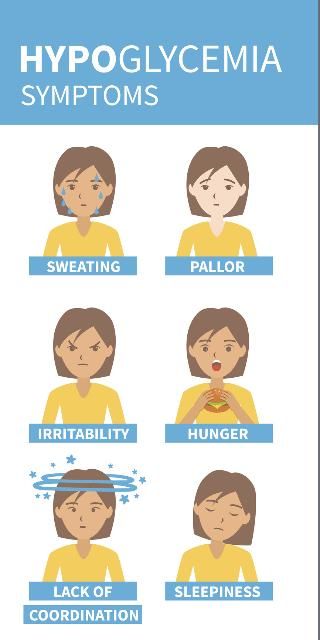
Credit: Irina_Strelnikova / iStock / Getty Images Plus
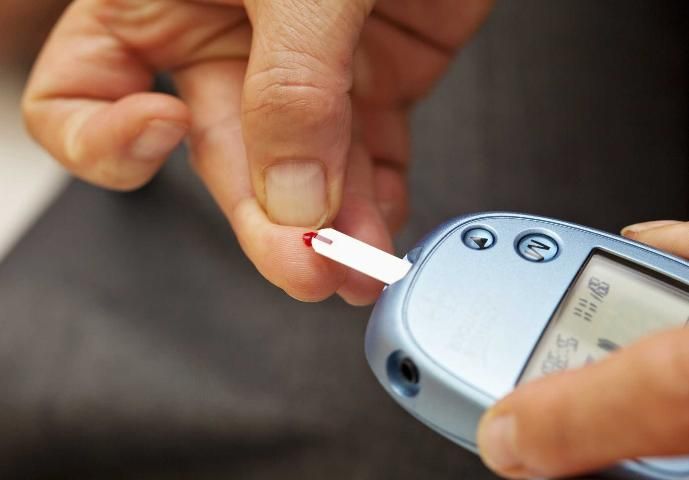
*The only way to know for sure that your blood glucose is low is to test it with your meter. If you are using a continuous glucose monitoring system, it is still recommended that you test your blood glucose with your meter if you are having symptoms.
Credit: vitapix / iStock / Getty Images Plus
Treating Low Blood Glucose
Be prepared before you feel symptoms!
Ask your doctor what "number" is low blood glucose for you. That way you will know ahead of time when to treat yourself. Also, ask how much sugar to take if your blood glucose is low.
Always carry pre-measured sugar. The most convenient forms are glucose tablets or gel, table sugar, or hard candy. The appropriate amount needed to treat low blood glucose is 15 to 20 grams.
Many people confuse symptoms of low blood sugar with general fatigue or weakness, so it is important to TEST. If you are not able to test your blood glucose, it is okay to treat for low blood glucose because it can result in a medical emergency.
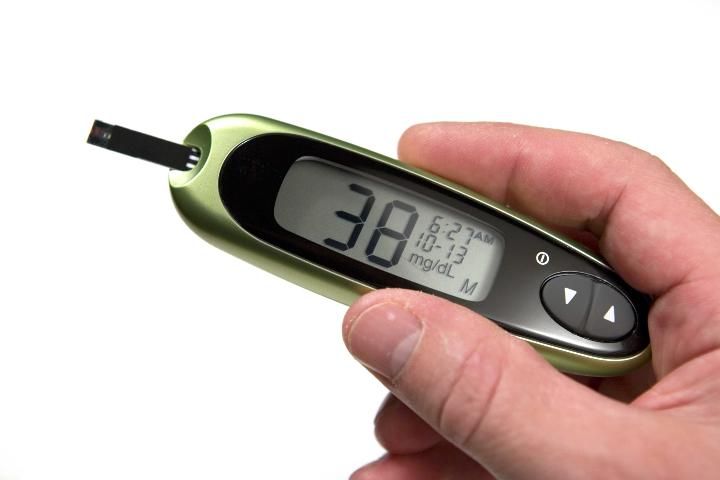
If you are at high risk for very low blood glucose (below 54 mg/dL), you should also have a glucagon kit available at all times. Anyone you spend considerable time with, such as family members, teachers, or caregivers, should know how to administer glucagon in case of an emergency.
Credit: MarkHatfield / gettyimages.com
When You Feel Symptoms
STEP 1. Check your blood glucose. If you cannot check your blood, but feel like your blood glucose is low, treat it as low.
STEP 2. If your blood glucose is low (or you feel that it is low), eat something that will get glucose into your blood quickly.
If your blood glucose is less than 70 mg/dL*:
Eat 15–20 grams of sugar (see list of foods).
Wait 15 minutes and test again.
If still below 70 mg/dL, eat 15–20 grams of sugar again.
Repeat until your blood glucose returns to normal.
If your blood glucose does not return to normal after treating with glucose as described, call your doctor or 911, or have someone drive you to the emergency room. Do NOT drive when your blood glucose is low.
Severe hypoglycemia leading to unconsciousness or a seizure is a medical emergency. If your blood glucose is less than 54 mg/dL and you are not capable of treating yourself with sugar, then it is necessary for someone to administer glucagon via injection. If you do not respond to glucagon by regaining consciousness within about 15 minutes, then 911 should be called. Even if you do respond to glucagon treatment, it is a good idea to be seen by a physician as soon as possible, either in an office or the emergency room.
After Treating Low Blood Glucose
If you will not be eating a meal within 30 minutes, have a snack with protein and carbohydrate. Snack ideas include:
Peanut butter and crackers or cheese and crackers
Half of a sandwich (cheese, meat, or peanut butter)
Discuss a plan ahead of time with your medical team regarding the way to handle your insulin or diabetes medication regimen after treating a low blood glucose event.
*mg/dL = milligrams per deciliter of blood
References
American Diabetes Association. (n.d.). Hypoglycemia (low blood glucose). Accessed on February 22, 2018. http://www.diabetes.org/living-with-diabetes/treatment-and-care/blood-glucose-control/hypoglycemia-low-blood.html
American Diabetes Association. (2017). 6. Glycemic targets. Diabetes Care, 40(suppl. 1), S48–S56. http://care.diabetesjournals.org/content/40/Supplement_1/S48
Kedia, N. (2011). Treatment of severe diabetic hypoglycemia with glucagon: an underutilized therapeutic approach. Diabetes Metabolic Syndrome and Obesity: Targets and Therapy, 4, 337–346.


