Edward F. Gilman, Dennis G. Watson, Ryan W. Klein, Andrew K. Koeser, Deborah R. Hilbert, and Drew C. McLean
2
Introduction
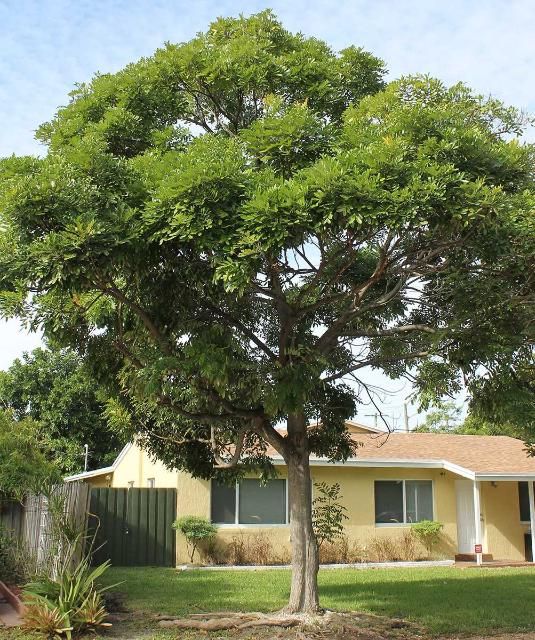
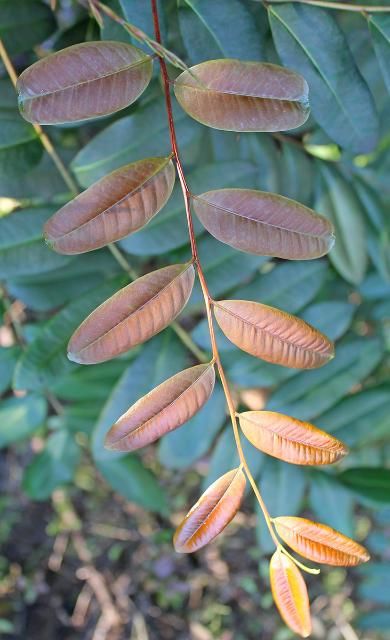
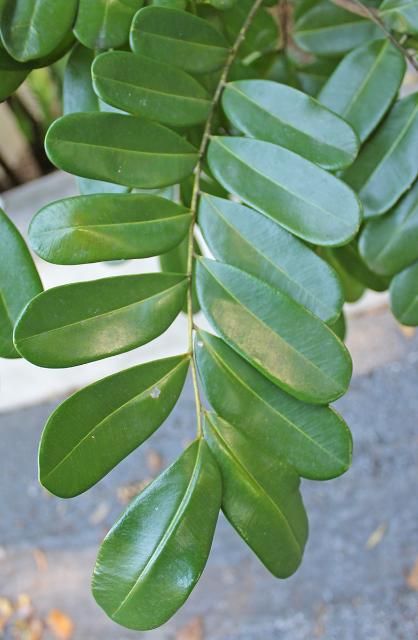
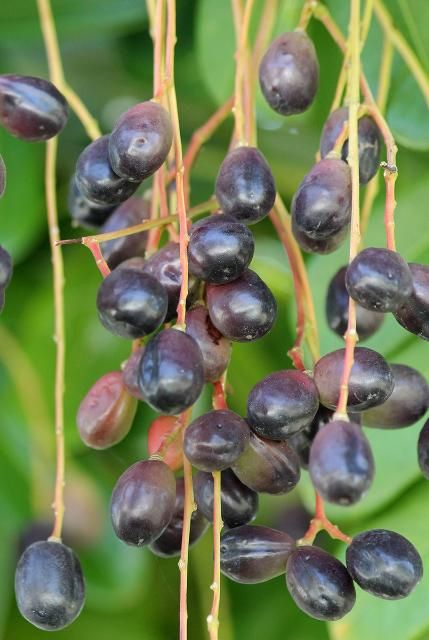
The pinnately compound, 16-inch leaves of paradise-tree have multiple, three-inch-long, shiny, leathery, oblong leaflets which are reddish when young. An upright tree when young, paradise-tree ultimately reaches 50 feet in height with a 30-foot spread and creates a dense, rounded crown at maturity. The tiny, inconspicuous, yellow to creamy white, springtime blooms on this frost-sensitive tree are followed by small clusters of dark purple, one-inch-long, edible fruits. Although paradise-tree produces desirable shade, the seeds and fruits are messy and will stain hard surfaces, and the shallow surface roots are troublesome to sidewalks and driveways and make it difficult to operate a lawn mower beneath the canopy.
Figure 1. Full Form - Simarouba glauca: paradise-tree
General Information
Scientific name: Simarouba glauca
Pronunciation: sim-uh-ROO-buh GLAW-kuh
Common name(s): Paradise-tree
Family: Simaroubaceae
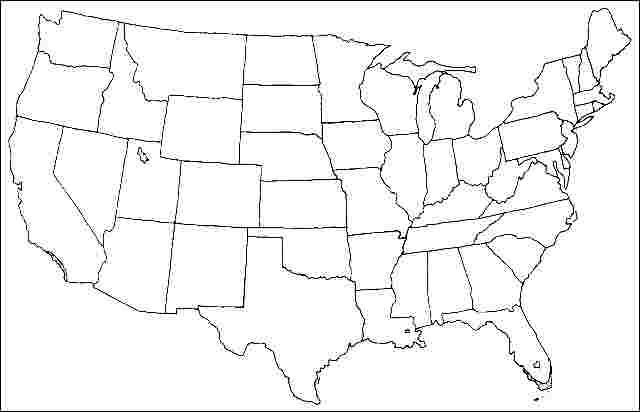
USDA hardiness zones: 10B through 11 (Figure 2)
Origin: native to Florida, the West Indies, southern Mexico, and Central America
Invasive potential: Native
Uses: tree lawn 4–6 feet wide; tree lawn > 6 ft wide; shade; specimen; street without sidewalk; highway median; attracts butterflies
Figure 2. Range
Description
Height: 40 to 50 feet
Spread: 25 to 30 feet
Crown uniformity: irregular
Crown shape: upright/erect, round
Crown density: moderate
Growth rate: moderate
Texture: coarse
Foliage
Leaf arrangement: alternate
Leaf type: even-pinnately compound; made up of 10–14 leaflets
Leaf margin: entire
Leaf shape: elliptic tooblong
Leaf venation: pinnate
Leaf type and persistence: evergreen
Leaf blade length: 6 to 16 inches; leaflets are 1 ½ to 3 inches
Leaf color: emerge red to orange, then turn dark green on top and paler green underneath
Fall color: no color change
Fall characteristic: not showy
Figure 3. New Growth - Simarouba glauca: paradise-tree
Figure 4. Leaf - Simarouba glauca: paradise-tree
Flower
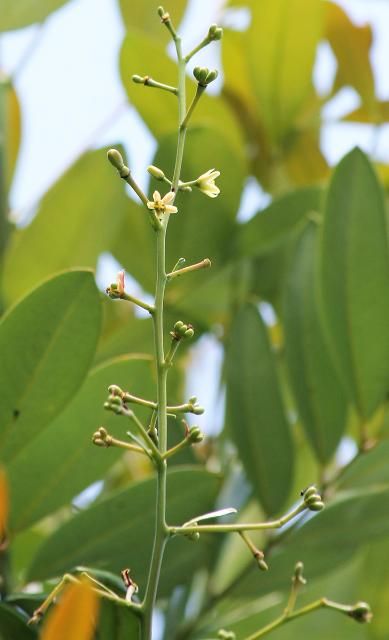
Flower color: yellow to creamy white
Flower characteristics: showy; emerges in clusters on axillary and terminal panicles
Pest resistance: free of serious pests and diseases
Use and Management
The coarse leaf texture and light green, compound foliage allows this tree to "stand out" in a crowd. It could be used as a boulevard or median street tree. Plant them on 25- to 30-foot centers to form a solid canopy above.
Paradise-tree grows in full sun or partial shade on almost any well-drained soil. A native to south Florida, it will grow quickly on rich soils high in organic matter and should be protected from frost. Large trees are reportedly difficult to establish from containers, but there are no scientific studies supporting this notion.
Propagation is by seed, which germinate easily and rapidly. Young plants or seedlings are easily transplanted.
Pests and Diseases
No pests or diseases of major concern.
Reference
Koeser, A.K., Friedman, M.H., Hasing, G., Finley, H., Schelb, J. 2017. Trees: South Florida and the Keys. Gainesville: University of Florida Institute of Food and Agricultural Sciences.