


Checklist of Birds of the Everglades Agricultural Area
The Everglades Agricultural Area
The Everglades Agricultural Area (EAA) covers an area of 280,000 hectares (1081 square miles) in southern Florida surrounding the southern end of Lake Okeechobee (Figure 1). It occupies former marsh habitat that was drained beginning in the early 1900s. By mid-century, installation of water control structures and pump stations allowed for formation of the EAA. Current agricultural activities occur on approximately 200,000 ha of the EAA with sugarcane representing about 80% of land use. Farmers in the EAA primarily grow sugarcane in large tracts connected by a network of canals, roads and irrigation ditches. Many farmers rotate sugarcane crops with rice crops and grow vegetables and sod in smaller quantities on the remaining land. Fields are sometimes left fallow in rotation with agricultural crops and are often flooded. The EAA is located in the midst of natural areas such as Holey Land and Rotenberger Wildlife Refuges, Arthur R. Marshall Loxahatchee National Wildlife Refuge (LOX), Everglades National Park, Big Cypress National Park and a number of state water management areas including filter marshes designed to cleanse water that flows towards the Everglades natural habitat.
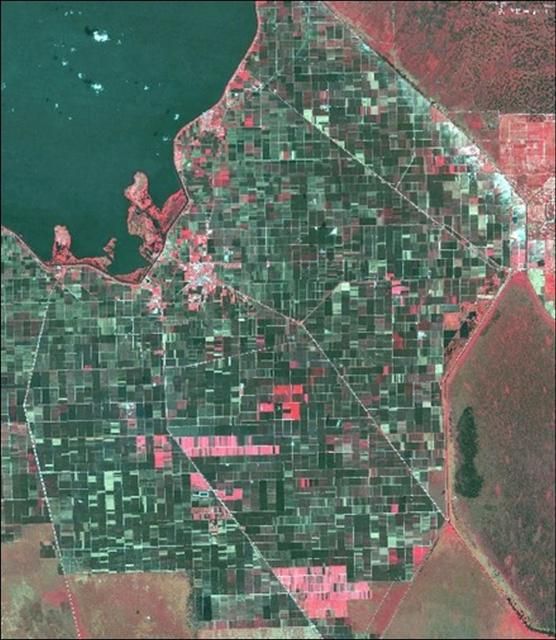
Description of Habitats, Management, and Birdlife
Crops in the Everglades Agricultural Area are grown on former Everglades marsh characterized by peat and muck soils. Associated with these agricultural activities are many miles of canals and ditches as well as acres of associated non-agricultural edge habitat. Canals are dug into the limestone where they are fed by groundwater and tend to retain water throughout the year. Ditches are characterized by temporary flooding in response to particular crop needs. Non-agricultural vegetation grows at the edges of fields, ditches and canals and in the many acres of non-farmed habitat. This vegetation may be herbaceous or brushy and is usually non-native.
Sugarcane is the dominant crop in the EAA and is grown year-round. It is harvested during the winter between October and March with some fields being cut and allowed to re-grow and some being completely harvested and re-planted (Figure 2). Sugarcane fields are generally planted about once every four years and harvested once a year; after the first seeding, fields are allowed to re-grow from the harvested plants (much like mown grass will re-grow) yielding a ratoon crop. The fields are generally arranged in sets of eight or twelve sub-fields and are about 40 acres each. Each field is separated from the next by a shallow "field ditch," and there are deeper canals surrounding larger sets of fields. Sugarcane is a tall grass that may grow to over 12 feet tall in less than a year and provides a thick, dense canopy with open understory. Field ditches are integrated into the fields and provide shallow, slow-moving water. Dirt and gravel roads border the larger field areas and are edged by deeper canals dug into the bedrock. Sugarcane is a low-input crop, requiring little in the way of herbicides, pesticides or cultivation. Because of this, for most of the year there is very little traffic and the fields are gated, limiting public access. Fields may be left fallow for a year and will often be flooded to preserve soil or planted in rice as a rotation crop. Each year between October and March the sugarcane is harvested. Each field is burned before harvest, and one side is left open for animals to escape to surrounding ditches and canals. Almost immediately, harvesters enter the field, cut the sugarcane and remove it in tractors. Wildlife species are quickly attracted to this activity and will come in large numbers to take advantage of the disturbed soil and newly cleared habitat. Vultures are the most frequent visitors, but bald eagles and crested caracaras also show up regularly. Cattle egrets are attracted to the flames of a burning field and will fly over and around the fire to hunt the many insects left behind while great blue herons often catch fleeing rats and mice. Many EAA bird species spend all or part of the year in the sugarcane fields and associated ditches and canals. During the fall, winter and spring, northern harriers forage in both tall and short sugarcane. Northern bobwhites will be seen on roads in the area year-round, often with a large brood. Hawks, peregrine falcons, eagles and vultures hunt mice and small birds in fields after harvest while killdeer and smaller birds glean insects from newly cleared fields. Common yellowthroats nest in nearly every field and can be heard singing any time of the year. Burrowing owls may use the raised sugarcane truck ramps for their burrows and barn owls are plentiful, nesting in boxes provided by local residents and land owners.
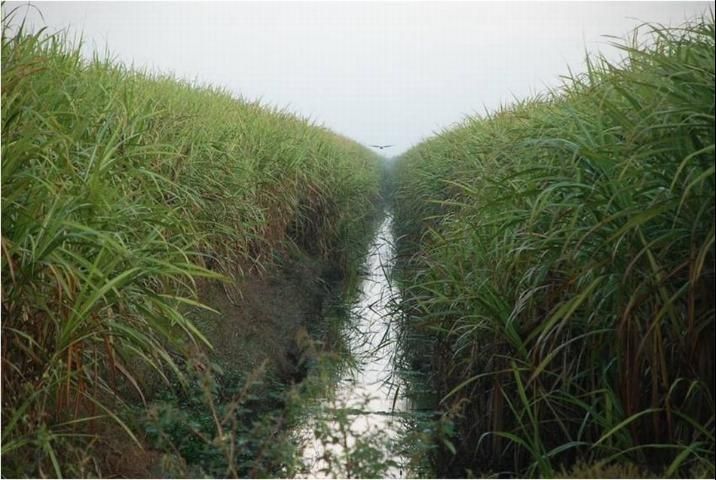
Sod is grown in the EAA and the acreage varies with the market. This short grass, like an urban lawn, does not support much wildlife. Sod is one of the more labor-intensive crops and is frequently seen being tended by tractors and workers. Eastern meadowlarks are regularly found in sod fields and flooded sod will often host large and varied flocks of shorebirds during migration. Black-bellied plovers are found in abundance in sod fields during migration and winter.
Rice is often planted in rotation with sugarcane and is known to improve sugar yield in the following sugarcane crop. Planted in late spring and flooded throughout the summer, rice may provide important wetland habitat for some species of water birds. Weed and insect pest management is often achieved by temporarily draining the fields rather than by applying pesticides. Purple gallinules, common moorhens, least bitterns, king rails, black-necked stilts, red-winged blackbirds, boat-tailed grackles and other birds nest in the rice or next to the fields on water control berms and dikes (Figure 3). Rice likely provides a beneficial nursery habitat to smaller fishes whose populations thrive and increase in size under its protective canopy. These aquatic populations grow throughout the summer and are thus present in very large numbers as water from the rice fields is drained into adjacent field ditches, providing abundant food to wading birds that have dispersed from nearby natural habitat. Flooded fallow fields, while not planted, also provide food and sometimes shelter for wading birds, ducks, pelicans, shorebirds and other songbirds.
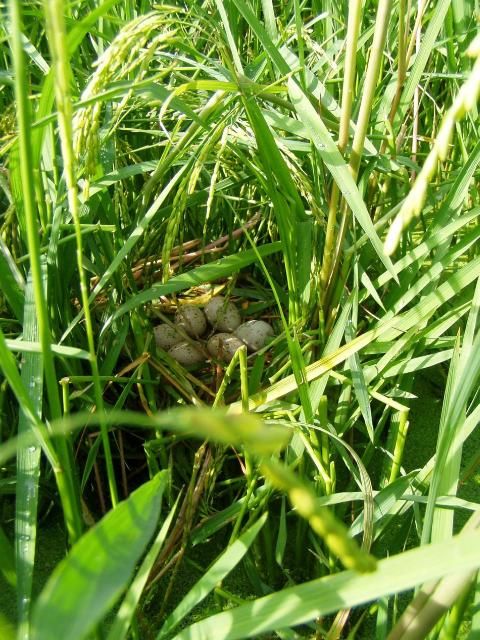
Miles of edge habitat surround all fields and work areas. These may be short and grassy, tall and herbaceous, or brushy and woody habitats. Although most of the plants in edge habitat are non-native, the vegetation structure itself provides refuge to wintering songbirds, nesting common yellowthroats, bobwhite quail and a variety of other birds and animals. During harvest, when tall fields of dense sugarcane disappear to be replaced by fallow fields yielding to short sugarcane, edge habitat may provide important shelter for many birds that have nested or found dispersal habitat in the fields. They may also serve as corridors for animals moving throughout the EAA. Vegetated edges also help prevent runoff from fields and roads.
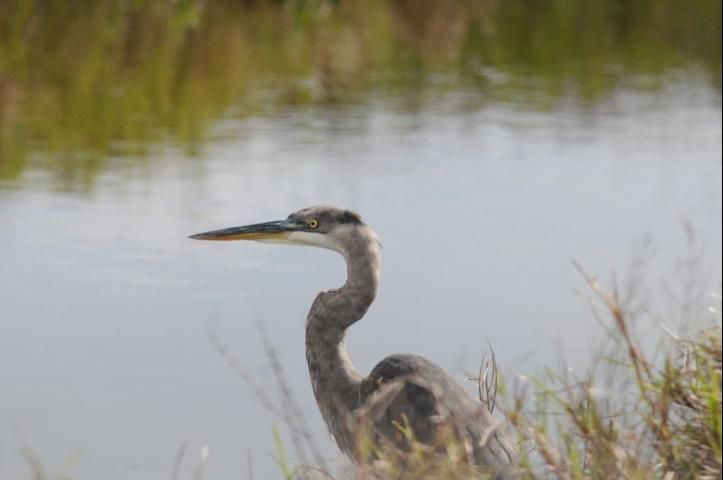
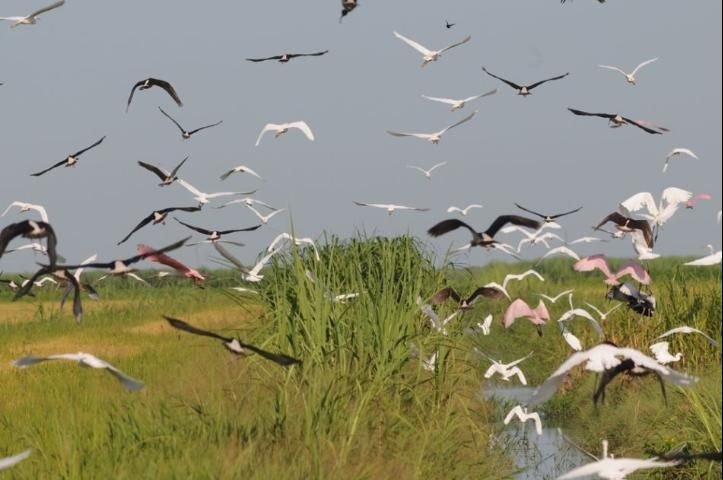
Canals and ditches of the EAA form miles of habitat and provide an important connection between aquatic habitat and upland fields. Canal management is mostly focused on water quality, not wildlife habitat, but in many places the canals support a diverse population of aquatic and semi-aquatic species. All species of wading birds found in the Everglades can be seen in the EAA at some time and many forage in ditches and canals in addition to flooded fields (Figure 4). During harvest or as part of the management of flooded fields, canals and ditches may be drawn down. This activity serves to concentrate fish and other aquatic animals that are present, much as drying events do in natural Everglades habitat. The birds in the fields quickly recognize this source of food and hundreds of them gather to feed on the large concentrations of fish and aquatic invertebrates (Figure 5).
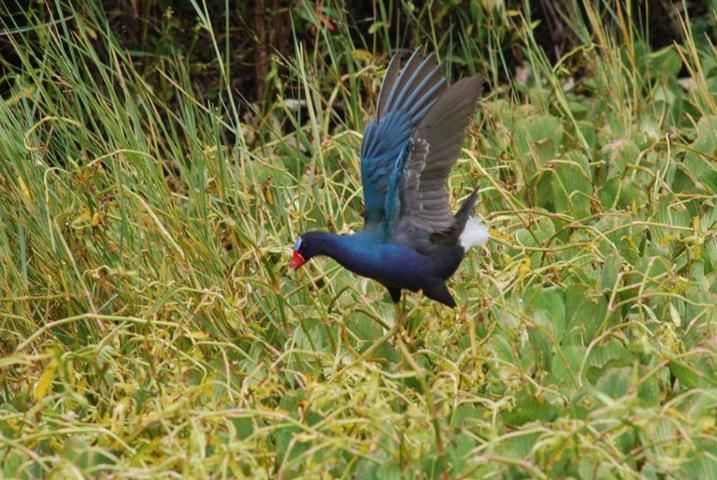
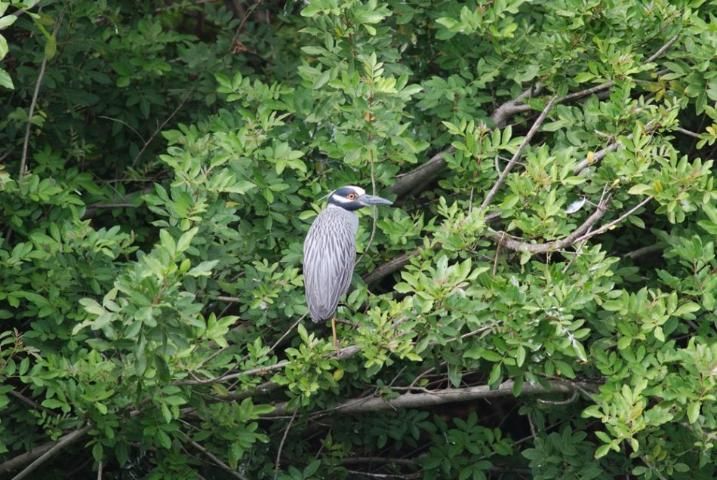
There may be hundreds of acres of non-farmed habitat in the EAA that consist of natural wetlands, cypress hammocks or other landscapes that cannot be farmed. These unplanted areas may encompass as much as 15% of the farmlands and provide valuable wildlife refugia. Double-crested cormorants and anhingas, especially, can be seen nesting in these brushy areas. Some large dense stands of Brazilian pepper (a non-native plant), pond apple, and native willows are found bordering larger canals and small colonies of wading birds such as yellow-crowned night herons, green herons, and smaller egrets and herons will nest there (Figure 6). Growers are aware of these areas and often leave them undisturbed while the birds are nesting.
Survey Methodology
This checklist is a compilation of nearly eight years of surveys in a variety of habitats in the EAA. Most birds can be associated with a specific habitat such as sugarcane, sod, rice or flooded fields and other agricultural and human-inhabited areas. All surveys consisted of point counts that were usually set up along randomly located transects and were generally at least 500 meters apart. All counts were conducted from just after sunrise until noon unless wind or weather ended the survey early. Raptor roadside surveys were conducted during the fall and winter for two years. These were especially valuable in providing information on perch-hunting raptors such as red-tailed hawks and American kestrels. Winter songbird surveys in the sugarcane picked up migratory species such as warblers and sparrows.
Checklist
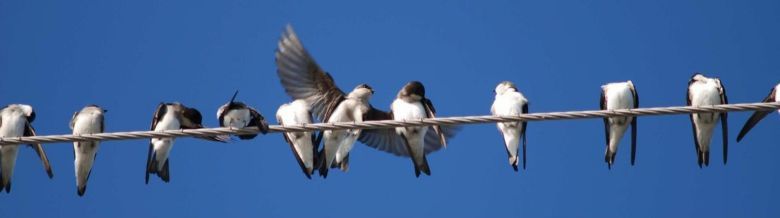
The checklist is ordered in taxonomic order with the most closely related species being grouped together. Scientific names, relative abundance and habitat are also indicated in the checklist. Birds that can be observed nearly every time a survey is conducted and may number in the hundreds or more were considered to be abundant. Birds that can be seen regularly and often in numbers of 10 or more were considered common. Rare birds were seen in multiple years but often only once per year. Accidental observations include birds seen only once or on only a few occasions. These are often passing through and not associated with any particular habitat. Although most birds have a preferred vegetation association, sometimes birds are common in areas associated with particular habitat features such as canals or ditches next to sugarcane fields. Birds such as red-tailed hawks and American kestrels are strongly associated with perches and may be found in large numbers in sugarcane but only where telephone lines, power poles and other perches exist. Anhingas and double-crested cormorants are also found throughout the EAA but only where trees are present for nesting and canals for foraging. Exotic species like Eurasian collared-doves, rock pigeons and starlings are often associated with human habitation and outbuildings. Some birds are found generally throughout the EAA, for example red-winged blackbirds and migrating tree swallows, and were indicated as being in all habitats. We indicated a bird as "breeding" if it exhibited territorial behavior or if nests and eggs or young birds were seen.
New Species
Purple swamphens were seen in the EAA for the first time about four years ago. In the summer of 2009, a large group was observed in the rice fields there. Breeding has not been confirmed. A single mute swan was seen in flooded fields in the summer of 2009 as were two flamingos. We also observed a small group of flamingos in the summer of 2008. Our winter bird surveys added several sparrows and other songbirds to the checklist. Two black rails were seen in a rice field in the 2008 season. A large group of marsh wrens in a brushy fallow field near Arthur R. Marshall Loxahatchee National Wildlife Refuge comprised the first observation of this species.
Additional Reading
There are many excellent field guides available for the eastern United States. Some are listed below:
Kaufman Field Guide to Birds of North America, by Kenn Kaufman 2005. Published by Houghton Mifflin Harcourt.
National Geographic Field Guide to the Birds of Eastern North America, Fifth Edition by John L. Dunn and Jonathan Alderfer, 2008. Published by National Geographic.
Peterson Field Guide to Birds of Eastern and Central North America, Sixth Edition by Roger Tory Peterson, 2010. Published by Houghton Mifflin Harcourt.
The Sibley Field Guide to Birds of Eastern North America by David A. Sibley and Rick Cech, 2003. Published by Knopf.