


Gaillardia pulchella 'Red Plume' Red Plume Gaillardia, Red Plume Blanket Flower
Introduction
'Red Plume' gaillardia grows 6 to 12 inches tall. Deep red, fluffy flowers emerge in the heat of the summer and stand well above the simple or lobed foliage. These showy flowers are attractive to butterflies and command attention in the landscape.
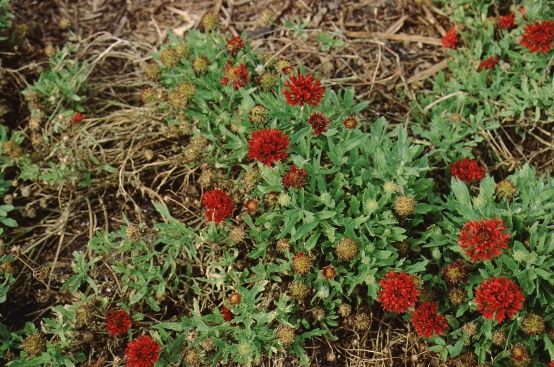
Credit: Edward F. Gilman, UF/IFAS
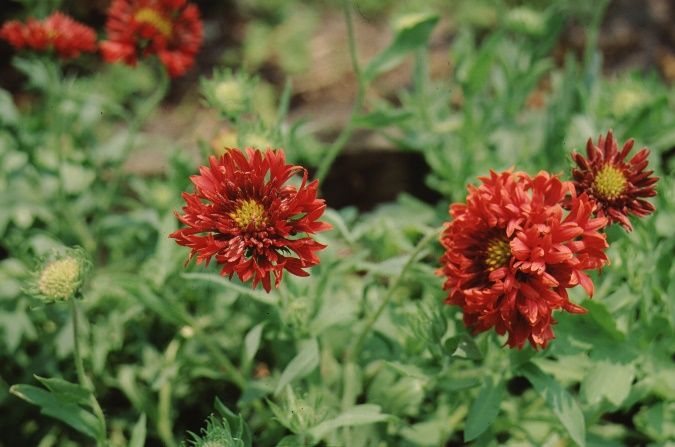
Credit: Edward F. Gilman, UF/IFAS
General Information
Scientific name: Gaillardia pulchella 'Red Plume'
Pronunciation: gay-LAR-dee-uh pul-KEL-luh
Common name(s): 'Red Plume' gaillardia, 'Red Plume' blanket flower
Family: Asteraceae
Plant type: annual; perennial; herbaceous
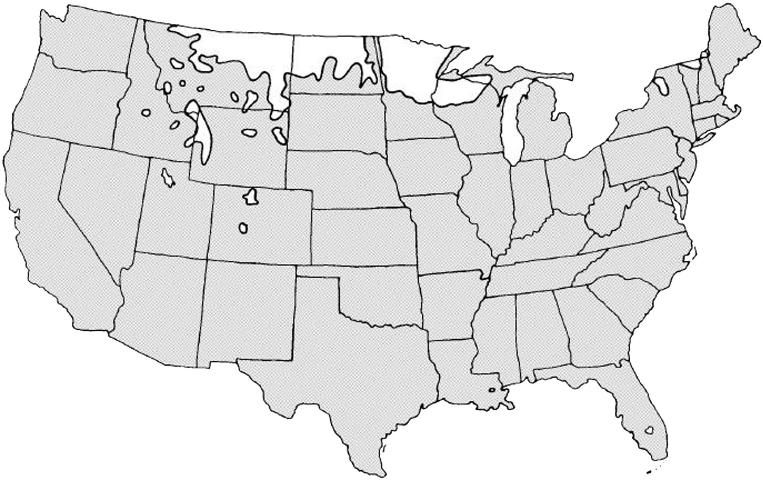
USDA hardiness zones: 3 through 11 (Figure 3)
Planting month for zone 7: May; Jun
Planting month for zone 8: Apr; May
Planting month for zone 9: Mar
Planting month for zone 10 and 11: Mar
Origin: not native to North America
Invasive potential: may self-seed each year
Uses: container or above-ground planter; cut flowers; accent; mass planting; ground cover; attracts butterflies; small parking lot islands (< 100 square feet in size); medium-sized parking lot islands (100-200 square feet in size); large parking lot islands (> 200 square feet in size)
Availability: generally available in many areas within its hardiness range
Credit:
Description
Height: 1 to 2 feet
Spread: 2 to 3 feet
Plant habit: spreading
Plant density: open
Growth rate: moderate
Texture: medium
Foliage
Leaf arrangement: basal rosette
Leaf type: simple
Leaf margin: lobed; serrate
Leaf shape: oblanceolate; spatulate
Leaf venation: pinnate
Leaf type and persistence: semi-evergreen
Leaf blade length: 4 to 8 inches
Leaf color: green
Fall color: not applicable
Fall characteristic: not applicable
Flower
Flower color: red
Flower characteristic: summer flowering; fall flowering
Fruit
Fruit shape: unknown
Fruit length: unknown
Fruit cover: unknown
Fruit color: unknown
Fruit characteristic: inconspicuous and not showy
Trunk and Branches
Trunk/bark/branches: not applicable
Current year stem/twig color: not applicable
Current year stem/twig thickness: not applicable
Culture
Light requirement: plant grows in full sun
Soil tolerances: acidic; alkaline; sand; loam
Drought tolerance: high
Soil salt tolerances: good
Plant spacing: 12 to 18 inches
Other
Roots: not applicable
Winter interest: no special winter interest
Outstanding plant: plant has outstanding ornamental features and could be planted more
Pest resistance: no serious pests are normally seen on the plant
Use and Management
Gaillardia flowers are perfect for the cutting garden, and the plants can be massed in the landscape for a lovely effect. The small size makes it well suited for a ground cover. Gaillardia does well in heat and humidity and is perfectly suited to coastal gardens.
Plant the blanket flowers in full sun on well-drained soils. Shady areas or overly moist soils will cause gaillardia to rot. These plants are both drought and salt tolerant.
Pests and Diseases
Sweet potato whitefly can be a problem.

