


Decoding Food Labels: Handouts for People with Food Allergies
This document is best viewed as a PDF. Click here to access the PDF.
These handouts were developed from the information in EDIS document FY723, Decoding Food Labels: Tools for People with Allergies. Click here to view FY723.
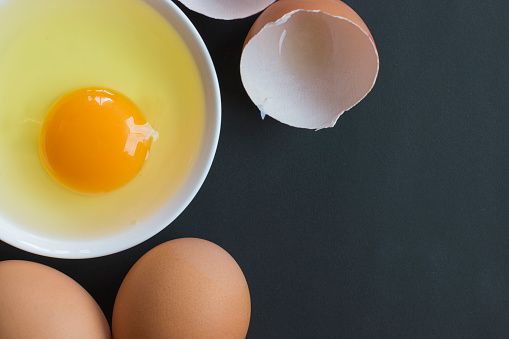
Eggs
If you are allergic to egg protein, you should avoid any product with the word egg on the label.
You should also avoid products with the following terms on the label:
-
Albumin
-
Lysozyme
-
Binder
-
Ovalbumin
-
Coagulant
-
Ovamucin
-
Emulsifier
-
Ovamucoid
-
Globulin
-
Ovaglobulin
-
Ovovitellin
-
Lecithin
-
Vitellin
-
Livetin
-
Simplesse*
*Simplesse™ is a fat substitute made from egg white and milk protein.
Missing Figure (FIGURE 1)
Types of foods that likely contain egg protein include:
-
Baked goods and packaged mixes
-
Creamy fillings and sauces
-
Breakfast cereals
-
Malted drinks and mixes
-
Pancakes and waffles
-
Marzipan*
-
Custard
-
Marshmallows
-
Processed meat products
-
Pastas/egg noodles
-
Salad dressings/mayonnaise
-
Soups
-
Meringue
-
Pudding
*Marzipan might be made with egg whites
Credit: Munandme/iStock/Gettyimages
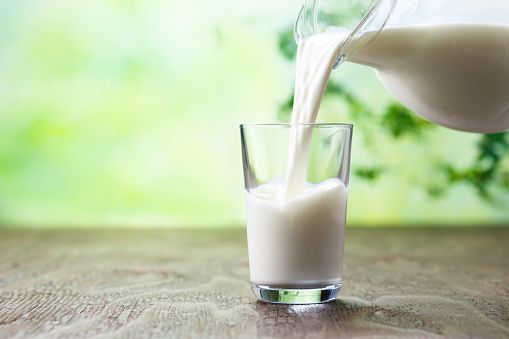
Milk
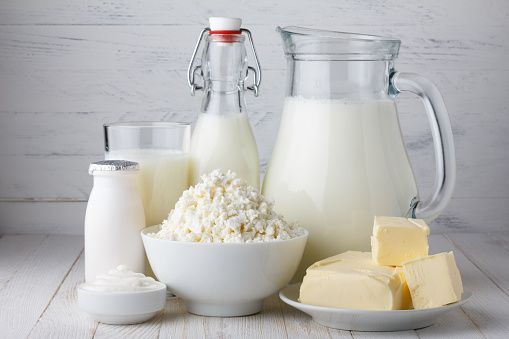
Milk and milk proteins are also found in a variety of processed foods. Individuals with milk protein allergies should avoid all types of milk, ice cream, yogurt, and cheese, including vegetarian cheese. Allergic individuals should avoid foods with the terms butter, cream, casein, caseinate, whey, or emulsifier on the label.
Additional labeling terms indicating the presence of milk proteins in a food product include:
-
Caramel coloring or flavoring
-
High protein flavor
-
Lactalbumin/lactalbumin phosphate
-
Lactoglobulin
-
Lactose
-
Natural flavoring
-
Solids
-
Simplesse*
*Simplesse™ is a fat substitute made from egg white and milk protein
Credit: Naturalbox/iStock/Gettyimages
Types of foods that likely contain milk protein include:
-
Battered foods
-
Baked goods and other packaged mixes
-
Breakfast cereals
-
Chocolate
-
Cream sauces, soups and mixes
-
Gravies and mixes
-
Ghee*
-
Custard, puddings, sherbet
-
Imitation sour cream
-
Instant mashed potatoes
-
Margarine
-
Sausages
-
Sweets/candies
*Ghee is clarified butter frequently used in Indian Cuisine.
Credit: Nevodka/iStock/Gettyimages
Wheat
Individuals who are allergic to wheat proteins should avoid any product that contains the term wheat, bulgur, couscous, bran, gluten, breadcrumbs, or hydrolyzed wheat proteins on the label.
The presence of wheat protein in a food product may be indicated by the following label terms:
-
Flour*
-
MSG
-
Cornstarch
-
Vegetable starch/gum
-
Farina
-
Gelatinized starch
-
Semolina
-
Spelt*
-
Triticale*
-
Kamut*
-
Miso**
-
Modified food starch
-
Malt
-
Hydrolyzed vegetable protein
*Spelt and kamut are both relatives of wheat; triticale is a wheat/rye hybrid. These grains are gaining popularity as wheat substitutes. Spelt-, kamut-, and triticale-containing products are marketed primarily through health/natural food stores.
**Fermented soy product with up to 50% wheat.

Credit: Ygrek/iStock/Gettyimages
Types of foods that likely contain wheat include:
-
Ale/beer/wine/bourbon/whiskey
-
Baked goods and mixes (including barley products)
-
Battered or breaded foods
-
Breakfast cereals
-
Candy/chocolate
-
Processed meats
-
Coffee substitutes
-
Gravy
-
Ice cream and cones
-
Malts and flavorings
-
Pasta/egg noodles
-
Soup and soup mixes
-
Soy sauce
-
Pretzels, chips, crackers
-
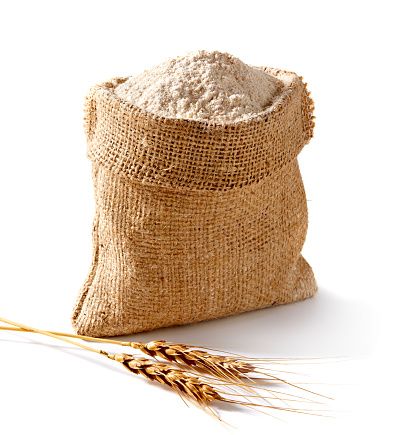
Figure 5.
Credit: Unalozmen/iStock/Gettyimages
Soy
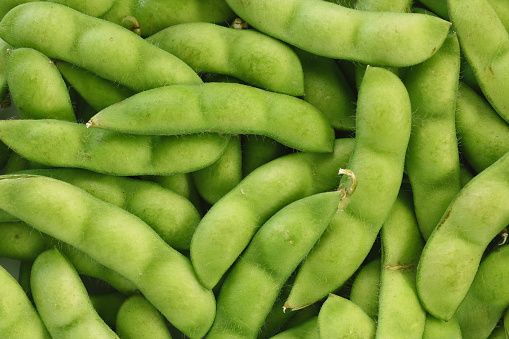
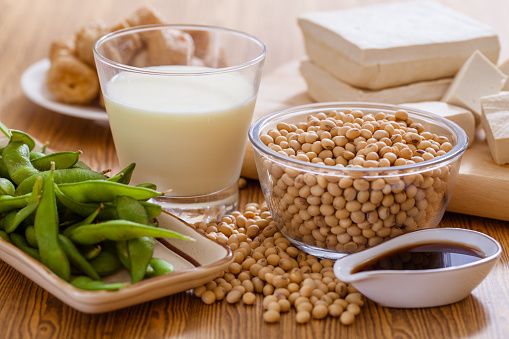
The presence of the following terms on the product label may also indicate the presence of soy protein:
-
Carob
-
Lecithin
-
Miso*
-
Protein
-
Starch
-
Gum Arabic
-
Bulking agent
-
Vegetable broth/gum/starch
-
Artificial and natural flavoring
-
Monosodium glutamate (MSG)
-
Textured vegetable protein (TVP)
-
Hydrolyzed soy protein
*Miso is a paste made from fermented soybeans, used as a flavoring agent in Japanese cuisine.
Credit: NaokiKim/iStock/Gettyimages
Types of foods that likely contain soy protein include:
-
Baked goods
-
Some breakfast cereals
-
Hamburger patties
-
Butter substitutes and shortening
-
Chocolates/candy
-
Canned meat/fish in sauces
-
Canned and packaged soups
-
Canned tuna
-
Crackers
-
Gravies/mixes
-
Asian foods
-
Processed meats
-
Ice cream
-
Liquid/powdered meal replacers
-
Seasoning sauces
-
Seasoned salt
-
Snack bars
-
Bouillon cubes
-
TV dinners
-
Tamari*
*Tamari is a dark sauce, similar to but thicker than soy sauce.
Credit: Naito8/iStock/Gettyimages
Peanuts and Tree Nuts
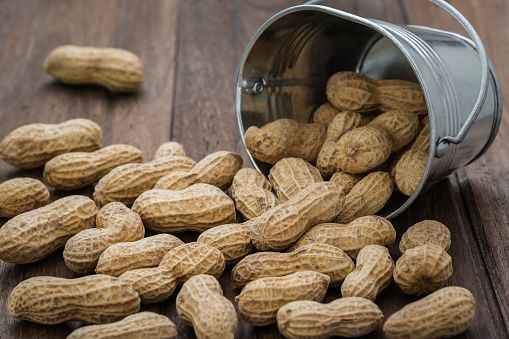
The terms peanut, peanut butter, ground-nut, flavoring, extract, and oriental sauce on a product label generally indicate the presence of peanut protein.
Types of foods that may contain peanut protein include:
-
Baked goods and mixes
-
Battered foods
-
Some breakfast cereals
-
Cereal-based products
-
Candy, candy bars/sweets (read label)
-
Ice cream
-
Margarine/vegetable oil/vegetable fat
-
Some grain bread
-
Snack foods
-
Barbecue/Worcestershire sauce
-
Sunflower seeds*
*Sunflower seeds may be processed on equipment shared with peanuts
Credit: Amarita/iStock/Gettyimages
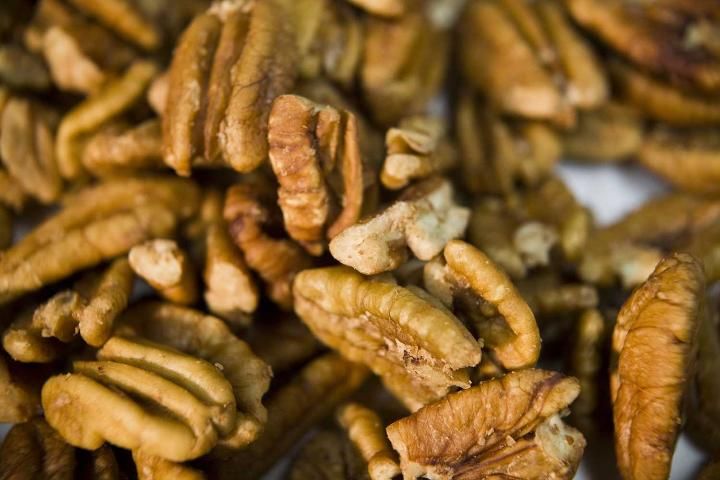
Other types of foods that may contain peanut protein include:
-
Chili
-
Soups
-
Marzipan**
-
Satay sauce***
-
Milk formula
-
Chinese dishes/egg rolls
-
Asian dishes
-
African dishes
-
Energy bars
-
Meat substitutions
** Marzipan is a paste made of almond and sugar, used on pastry or molded into candy. Marizpan might be made with egg whites.
*** Satay sauce is made with peanuts or peanut butter and soy sauce. It might also be made with other allergenic ingredients such as shrimp paste or fish sauce.
Credit: UF/IFAS
Fish/Seafood
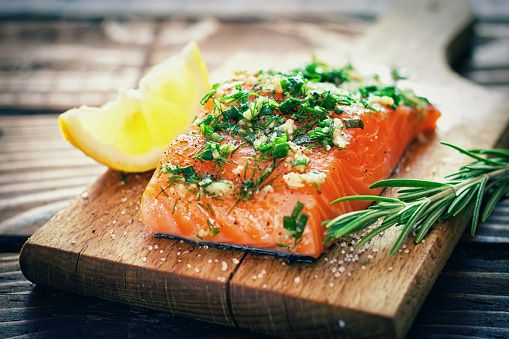
Seafood refers to fish and shellfish. Fish is a potent allergen among children. Shellfish tends to be a more potent allergen among adults. Although seafood might be incorporated into a variety of foods during processing, the products label generally states this clearly. Certain species of fish contain high levels of histidine (an amino acid), which can be converted into histamine by bacteria. Reactions to histamine can mimic allergic reactions, but are not indicative of a true allergy.
Types of foods that might contain fish/seafood proteins include:
-
Worcestershire/Steak Sauce
-
Hot dogs/bologna/ham
-
Pizza toppings
-
Fish sauce
-
Shrimp paste
-
Fermented oyster sauce
-
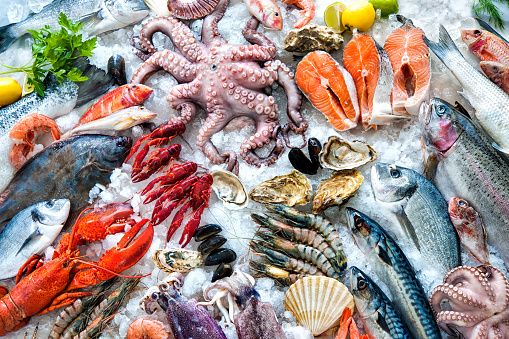
Figure 10.
Credit: AlexRaths/iStock/Gettyimages
Other types of foods that might contain fish/seafood proteins include:
-
Surimi*
-
Caponata**
-
Marinara sauce
-
Vitamin supplements (read labels)
-
Curry paste
-
Chitin or chitosan***
-
Fermented fish stomach
*Surimi is a fish protein (most commonly made from pollack), marketed as imitation seafood. Surimi may contain artificial flavor, sweeteners, egg white, starch, and small amounts of real shellfish.
**Caponata is an eggplant relish that can contain anchovies.
***Chitin or chitosan is a chemical compound (polysaccharide) derived from crab or shrimp shells. It is widely used in foods and other products as a coating agent, bulking agent, or antimicrobial agent. It is often used as one of the materials for making capsules or other drug delivery systems.
Credit: Kajakiki/E+/Gettyimages
Shellfish
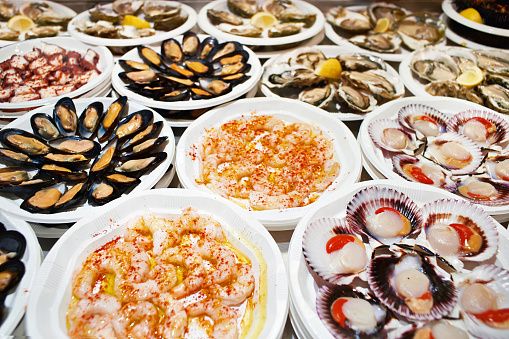
Shellfish tends to be a more potent allergen among adults. Shellfish include mollusks (e.g. squid, octopus, clams, and scallop) and crustaceans (e.g. crab, lobster, crawfish, and shrimp). Shellfish may be listed in seafood category of foods. Although shellfish might be incorporated into a variety of foods during processing, the product's label generally states this clearly.
Types of foods that might include shellfish proteins include:
-
Worcestershire/steak sauce
-
Surimi*
-
Caponata**
-
Caesar salad dressing
-
Marinara sauce
-
Hot dogs/bologna/ham
-
Vitamin supplements (read label)
-
Pizza toppings
-
Fish sauce
-
Curry paste
-
Fish stock
-
Chitin or chitosan***
-
Shrimp paste
-
Fermented fish stomach
-
Fermented oyster sauce
* Surimi is a fish protein (most commonly made from pollack), marketed as imitation seafood. Surimi may contain artificial flavor, sweeteners, egg white, starch, and small amounts of real shellfish.
** Caponata is an eggplant relish that can contain anchovies.
*** Chitin or chitosan is a chemical compound (polysaccharide) derived from crab or shrimp shells. It is widely used in foods and other products as a coating agent, bulking agent, or antimicrobial agent. It is often used as one of the materials for making capsules or other drug delivery systems.
Credit: Sergeyryzhov/iStock/Gettyimages


