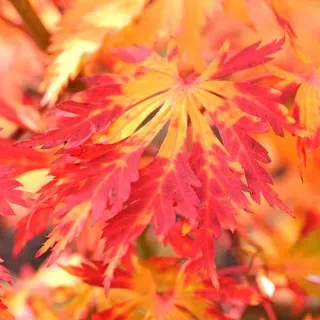
Acer japonicum 'Acontifolium': 'Acontifolium' Fullmoon Maple
Introduction
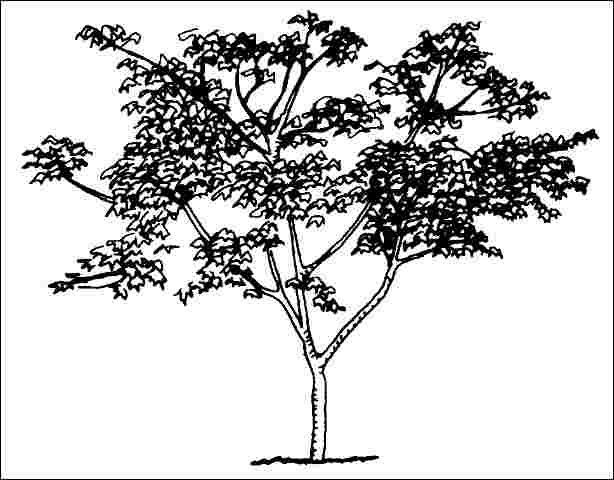
Full moon maple is a small, deciduous tree which reaches 10 to 15 feet in height and width, creating an irregular, rounded silhouette. It fits well into the oriental garden due to the exotic silhouette. This cultivar is exceptionally cold hardy, having survived temperatures of -25°F below zero. The deeply divided, soft green leaves have 9 to 11 lobes and are delicately displayed on thin, drooping branches. Leaves take on a beautiful yellow to red coloration in the fall before dropping, making this small, dense plant really stand out in the landscape. Fall color has been described as exceptional. The hanging clusters of purple/red flowers appear in late spring and are followed by the production of winged seeds.
Credit: UF/IFAS
General Information
Scientific name: Acer japonicum
Pronunciation: AY-ser juh-PAWN-ih-kum
Common name(s): 'Acontifolium' Fullmoon maple, fernleaf maple
Family: Aceraceae
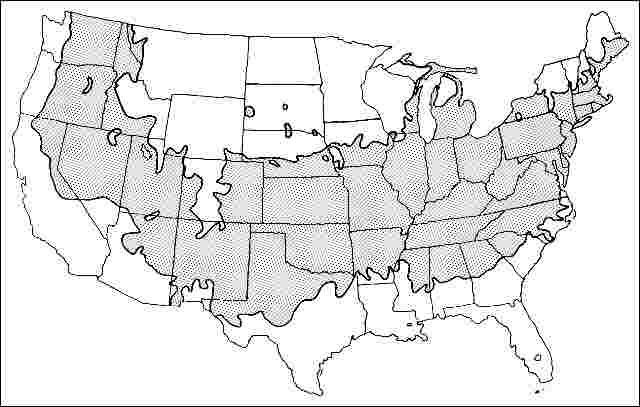
USDA hardiness zones: 5A through 7B (Figure 2)
Origin: not native to North America
Invasive potential: not assessed/incomplete assessment
Uses: specimen; deck or patio; container or planter; trained as a standard; Bonsai
Credit: UF/IFAS
Description
Height: 10 to 15 feet
Spread: 6 to 10 feet
Crown uniformity: symmetrical
Crown shape: vase, round
Crown density: moderate
Growth rate: slow
Texture: medium
Foliage
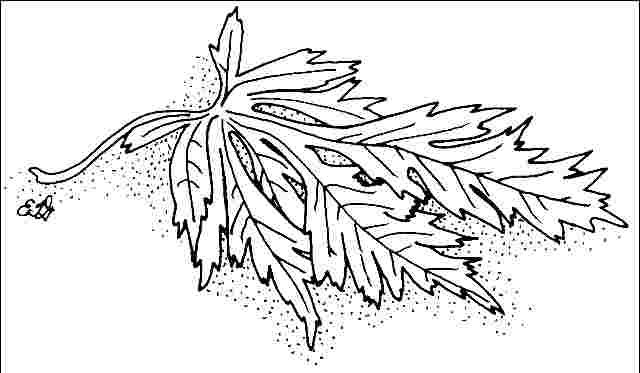
Leaf arrangement: opposite/subopposite (Figure 3)
Leaf type: simple
Leaf margin: parted, incised, lobed
Leaf shape: star-shaped
Leaf venation: palmate
Leaf type and persistence: deciduous
Leaf blade length: 2 to 4 inches
Leaf color: green
Fall color: red
Fall characteristic: showy
Credit: UF/IFAS
Flower
Flower color: red
Flower characteristics: showy
Fruit
Fruit shape: elongated, oval
Fruit length: .5 to 1 inch
Fruit covering: dry or hard
Fruit color: green
Fruit characteristics: does not attract wildlife; not showy; fruit/leaves not a litter problem
Trunk and Branches
Trunk/bark/branches: branches droop; not showy; typically multi-trunked; thorns
Pruning requirement: little required
Breakage: resistant
Current year twig color: green
Current year twig thickness: thin, medium
Wood specific gravity: unknown
Culture
Light requirement: partial sun or partial shade, shade tolerant
Soil tolerances: clay; sand; loam; slightly alkaline; acidic; well-drained
Drought tolerance: moderate
Aerosol salt tolerance: none
Other
Roots: not a problem
Winter interest: no
Outstanding tree: yes
Ozone sensitivity: unknown
Verticillium wilt susceptibility: susceptible
Pest resistance: resistant to pests/diseases
Use and Management
This maple would be at home in the residential landscape as well as the commercial setting. Planted near the patio or deck, it would generate many comments from friends and other visitors. It is probably best used as a specimen, planted to attract attention to an area. It should live for at least 20 years. Nice specimens can be viewed at arboreta, but few nurseries currently offer this cultivar for sale. This may change as nursery operators and homeowners discover the tree.
Fullmoon maple should be grown in full sun or partial shade. Where the sunlight is intense, the tree will benefit from having its roots shaded to help keep the soil cool.
Pests
No pests are of major concern.
Diseases
This maple is susceptible to verticillium wilt.