


Pinus taeda 'Nana': 'Nana' Loblolly Pine1
Introduction
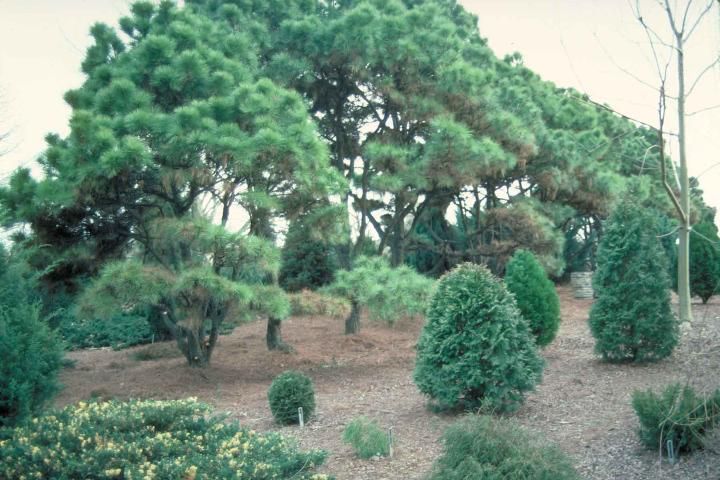
Loblolly Pine is a North American native which is usually seen from 50 to 80 feet tall with a 30-foot-spread though it is capable of reaching more than 150 feet in height. This cultivar probably grows to only 10 to 20 feet in height making it ideal for use as a specimen or screen. It has a dense, rounded silhouette and may become popular, especially for small-scale landscapes, once people discover it. The pyramidal, dense form stays with the tree throughout its life making it ideal for screening. It does not appear to lose its lower limbs as it grows older as does the species. The six to nine-inch-long evergreen needles turn light green during the winter. The often-paired cones are three to six inches long, red/brown, and have very sharp spines. They persist on the tree for several years and mature in the fall. The bark of Loblolly Pine is very thick which helps make this tree very resistant to fire in the wild.
Credit: Ed Gilman
General Information
Scientific name: Pinus taeda
Pronunciation: PIE-nus TEE-duh
Common name(s): 'Nana' Loblolly Pine
Family: Pinaceae
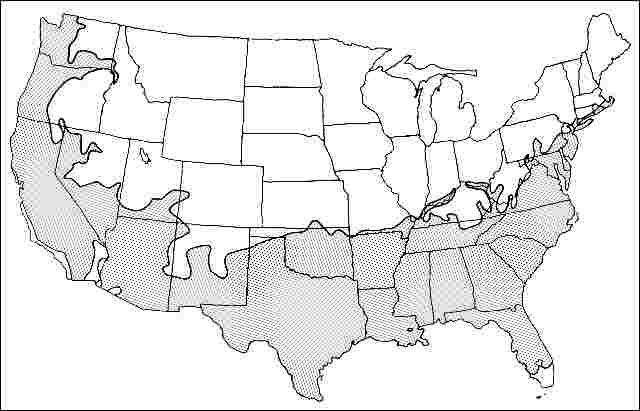
USDA hardiness zones: 6B through 9B (Fig. 2)
Origin: native to North America
Invasive potential: little invasive potential
Uses: container or planter; specimen; screen; highway median; Bonsai
Availability: somewhat available, may have to go out of the region to find the tree
Description
Height: 15 to 20 feet
Spread: 15 to 20 feet
Crown uniformity: symmetrical
Crown shape: round
Crown density: dense
Growth rate: slow
Texture: fine
Foliage
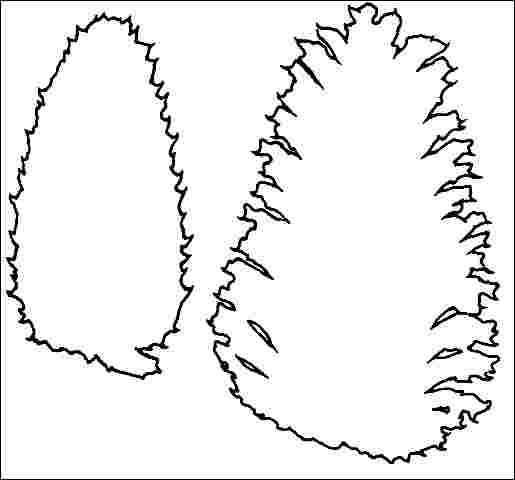
Leaf arrangement: alternate (Fig. 3)
Leaf type: simple
Leaf margin: entire
Leaf shape: needle-like (filiform)
Leaf venation: parallel
Leaf type and persistence: fragrant, evergreen, needled evergreen
Leaf blade length: 4 to 8 inches, 8 to 12 inches
Leaf color: green
Fall color: no color change
Fall characteristic: not showy
Flower
Flower color: yellow
Flower characteristics: not showy
Fruit
Fruit shape: oval, cone
Fruit length: 3 to 6 inches
Fruit covering: dry or hard
Fruit color: brown
Fruit characteristics: attracts squirrels/mammals; showy; fruit/leaves a litter problem
Trunk and Branches
Trunk/bark/branches: branches don't droop; not showy; typically one trunk; thorns
Pruning requirement: little required
Breakage: resistant
Current year twig color: brown
Current year twig thickness: thick, medium
Wood specific gravity: 0.51
Culture
Light requirement: full sun
Soil tolerances: sand; loam; clay; acidic; well-drained; occasionally wet
Drought tolerance: moderate
Aerosol salt tolerance: moderate
Other
Roots: not a problem
Winter interest: no
Outstanding tree: yes
Ozone sensitivity: unknown
Verticillium wilt susceptibility: resistant
Pest resistance: resistant to pests/diseases
Use and Management
Pines are often grouped together in a landscape and they are becoming more popular for planting in parks and in commercial landscapes. They create a denser shade than the species which can shade out grass and other sun-loving plants beneath the canopy.
Loblolly Pine should be grown in full sun on well-drained, acid soil. It is highly drought-tolerant once established.
Pests
It may be infected by pine bark beetle, borers, pine tip moth, and sawflies.
Diseases
It is susceptible to fusiform rust and heart rot.

