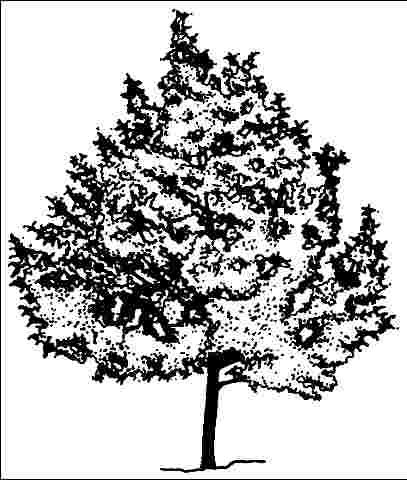
This is a small, 30-foot-tall, deciduous tree which forms a symmetrical, horizontally-layered silhouette from an arrow-straight trunk. The leathery, four-inch-long leaves turn attractively red in autumn and winter before dropping. In spring, the trees are decorated with spikes of tiny greenish-white blossoms which are followed by dark blue, small fruits. This tree is probably well suited for a street tree and other urban planting sites where a small tree is needed. It would also make a nice addition to the small residential lot as a specimen tree or small shade tree for a patio or deck.
Invasive potential:According to the IFAS Assessment of Non-Native Plants in Florida's Natural Areas (IFAS Invasive Plant Working Group 2008), in Florida
Terminalia muelleri should be treated with caution, may be recommended but managed to prevent escape.
Uses: sidewalk cutout (tree pit); tree lawn 3–4 feet wide; tree lawn 4–6 feet wide; tree lawn > 6 ft wide; deck or patio; specimen; highway median
Availability: somewhat available, may have to go out of the region to find the tree
Description
Height: 30 to 35 feet
Spread: 15 to 25 feet
Crown uniformity: symmetrical
Crown shape: vase
Crown density: moderate
Growth rate: moderate
Texture: medium
Foliage
Leaf arrangement: alternate
Leaf type: simple
Leaf margin: entire
Leaf shape: obovate
Leaf venation: reticulate
Leaf type and persistence: deciduous
Leaf blade length: 2 to 4 inches
Leaf color: green
Fall color: red
Fall characteristic: showy
Flower
Flower color: white/cream/gray
Flower characteristics: showy
Fruit
Fruit shape: oval
Fruit length: .5 to 1 inch
Fruit covering: dry or hard
Fruit color: blue
Fruit characteristics: does not attract wildlife; not showy; fruit/leaves a litter problem
Trunk and Branches
Trunk/bark/branches: branches don't droop; not showy; typically one trunk; thorns
Pest resistance: free of serious pests and diseases
Use and Management
Terminalia muelleri should be grown in full sun on any well-drained soil, tolerating acid, alkaline, and even salt, and are very wind-resistant. Trees should be planted where they can be protected from frost.
Propagation is by seed.
Pests and Diseases
No pests or diseases are of major concern.
Literature Cited
Fox, A.M., D.R. Gordon, J.A. Dusky, L. Tyson, and R.K. Stocker. 2008. IFAS Assessment of Non-Native Plants in Florida's Natural Areas: Status Assessment. Cited from the Internet (November 16, 2012), http://plants.ifas.ufl.edu/assessment/pdfs/status_assessment.pdf
IFAS Assessment
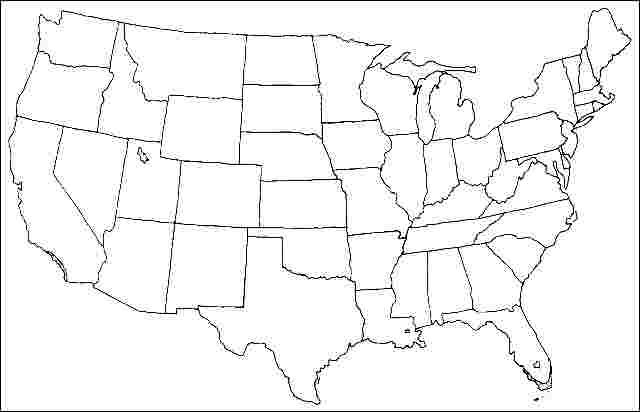
Central, North, South
Caution
Caution - manage to prevent escape. May be recommended by IFAS. Will be reassessed in two years.