
Getting the Facts
What is sodium?
Sodium is a mineral the body needs in small amounts for several important functions. This mineral allows nerves and muscles to function properly and keeps fluids in the body in proper balance. We find sodium in foods mostly as sodium chloride, another name for table salt.
Credit: Getty Images
What is the link between salt and sodium?
Table salt is about 40% sodium. One teaspoon of salt contains about 2,300 milligrams of sodium, ½ teaspoon has about 1,150 milligrams, and ¼ teaspoon contains about 575 milligrams.
Sodium and High Blood Pressure
Currently, nearly half of all American adults have hypertension (high blood pressure), which increases their risk of having a heart attack or stroke. In most cases, we do not know exactly what causes high blood pressure, but we do know that for many people sodium intake plays a role. Americans tend to eat far more sodium than they need. Decreasing sodium in the diet can help to lower blood pressure and decrease risk for developing high blood pressure.
Risk Factors for Hypertension
In addition to high sodium intake, there are other risk factors for high blood pressure. You are more likely to have high blood pressure if:
- other people in your family have high blood pressure,
- you are 65 years of age or older,
- you do not exercise regularly,
- you are African American,
- you are overweight or obese,
- you drink too much alcohol
- you use tobacco (including smoking)
Estimating the Sodium in Your Diet
The foods you eat and the way you prepare and serve them affect the amount of sodium in your diet. This checklist will help you evaluate your sodium intake. (Put a check in only one box for each question.)
Table 1. Estimating the Sodium in Your Diet.
The more checks you have in the last two columns, the higher the amount of sodium in your diet. To cut back on sodium, choose foods low in sodium more often. When you eat a high-sodium food, balance it during the day with other foods that are low in sodium. Also, use the salt shaker less often at the table or remove it completely.
How much sodium do I need?
Your body needs only a small amount of sodium. Federal dietary guidelines recommend a daily sodium intake of less than 2,300 mg. For those with existing hypertension or pre-hypertension (mildly elevated blood pressure, which often precedes development of hypertension), the recommendation is lowered to less than 1,500 mg of sodium per day; this is less than the amount of sodium in ¾ of a teaspoon of salt.
Where is sodium found in my diet?
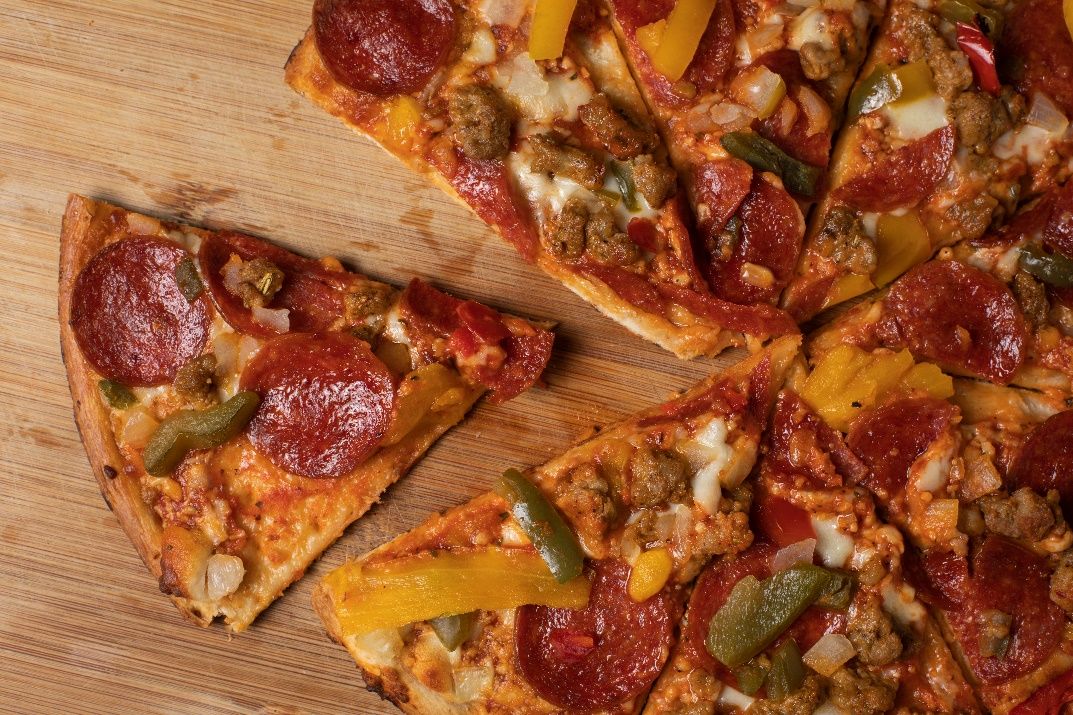
Small amounts of sodium occur naturally in many foods. The majority of the sodium in our diets—over 75% of it, in fact—comes from processed and restaurant foods. Most sodium added to foods comes from salt (sodium chloride). Other ingredients and food additives contain sodium as well.
Foods high in sodium include:
- Salty snacks and crackers
- Processed cheeses
- Salted, smoked, or cured meats
- Pickled or canned fish
- Canned soups and meats
- Pickles, sauerkraut, and relishes
- Condiments—check nutrition labels
- Prepared entrées, dinners, and vegetables with sauces.
To cut down the sodium in your diet, consume these foods less often, or choose low-sodium varieties when available.
Credit: UF/IFAS photo

Credit: Getty Images
Using Food Labels
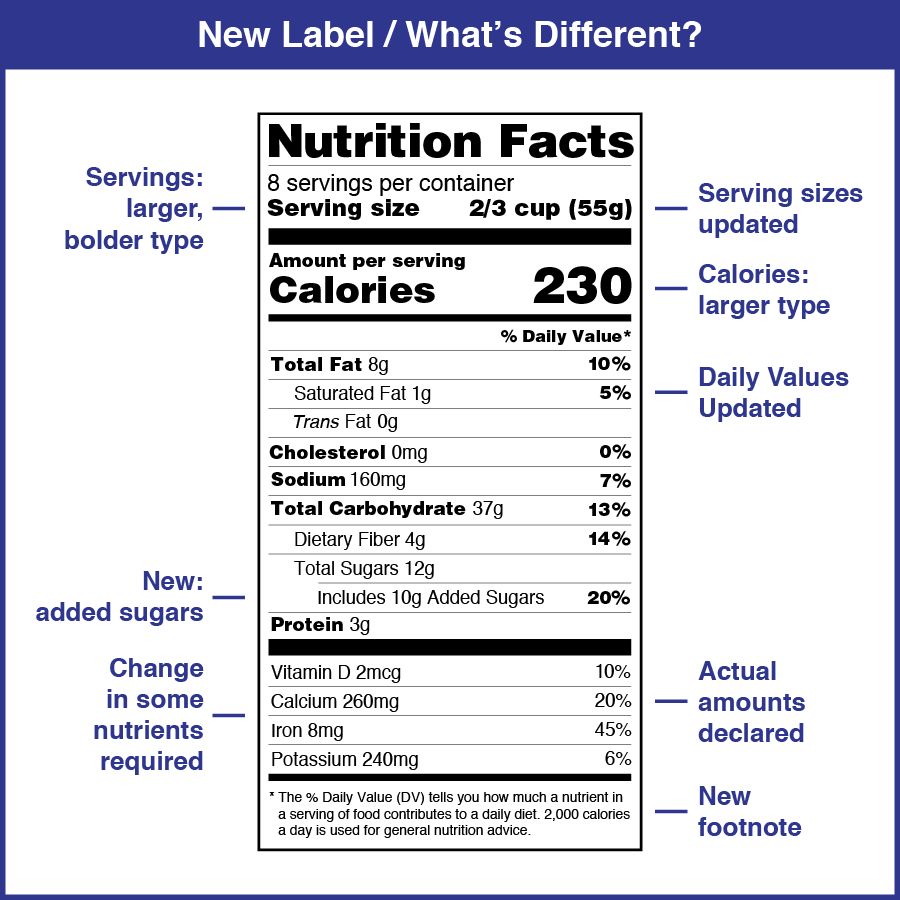
Food labels can help you maintain your daily sodium intake at your target level. Most packaged foods must have nutrition and ingredient information, including the sodium content, listed on the label. Nutrition information is provided on the Nutrition Facts label.
On the Nutrition Facts label, sodium is shown in milligrams (mg) per serving and as a percent of the Daily Value. The Daily Value for sodium is 2,300 mg/day, which is the most that people should eat in a day. Note that packages often contain more than one serving of a food item. If you plan to eat two servings of a food, you will get twice the sodium listed on the label. In the Nutrition Facts label in Figure 4, one serving of the food contains 160 mg (7% of the Daily Value) of sodium.
Credit: https://www.fda.gov/food/food-labeling-nutrition/changes-nutrition-facts-label
The current Daily Value for sodium is higher than what the Dietary Guidelines for Americans 2020-2025 recommends for adults with pre-hypertension or with hypertension, which is 1500 mg/day. In the Nutrition Facts panel shown, 160 mg of sodium is 11% of the DV for individuals with a target level of 1,500 mg/day. The nutrition label allows consumers to compare the amount of sodium in different brands of the same food. This is because serving sizes of a certain type of food, such as soups or crackers, are the same on all food labels.
What about food label claims?
What if a food label says a food is "sodium free" or "low sodium?" What do these claims mean? The table below shows nutrient content claims that FDA allows on food labels:
Table 2. FDA-approved nutrient content claims for sodium.
Cooking with Less Sodium
Try low-sodium recipes.
Cut down on the salt in your favorite recipes; use less and less salt each time you make the recipe. Some recipes, like yeast breads, require salt, and some recipes do not need any salt at all!
Use spices and herbs, as well as lemon or lime juice, instead of salt.
Cut back on salt used in cooking pasta, rice, noodles, and vegetables. Cut the salt in half at first; then see if you can prepare these foods without any salt.
Use more fresh foods and fewer canned foods. Try some packaged foods labeled "low sodium," "very low sodium," "reduced sodium," or "less sodium."
Cut down on added salt slowly and cook with herbs and spices to keep your foods tasty. In time, even if you are a salt lover, your desire for salty foods will likely diminish as your palate adapts.
Table 3. Cooking with herbs and spices.
Table 4. Herb and spice blends.
Low- or Reduced-Sodium Recipes
Marinara Sauce
- ½ cup finely chopped onion
- 2 garlic cloves, minced
- 1 Tbsp olive oil
- 1 29-oz can no-salt-added crushed tomatoes
- 1 6-oz can tomato paste
- ½ cup red wine (optional)
- 1 tsp sugar
- 1 Tbsp dried crushed basil
- 1 Tbsp fresh chopped parsley (or 1 tsp dried)
- ½ tsp salt (optional)
Sauté the onion in a saucepan with the olive oil over low heat until translucent (do not brown). Add garlic and sauté 30 seconds. Stir in the remaining ingredients. Bring to a boil, lower heat, and simmer on low at least 30 minutes and up to an hour. Serve over your favorite whole wheat pasta. Makes 8 servings.
Approximate nutrients per serving (sauce only, not including optional ingredients):
80 calories
3 grams dietary fiber
10 grams carbohydrates
20 milligrams sodium
2 grams fat
313 milligrams potassium
2.5 grams protein
Garlic Herb Chicken
- 4 skinless, boneless chicken breasts
- 1 Tbsp olive oil
- 1 tsp lemon juice
- ½ tsp garlic powder
- ¼ tsp pepper
- ½ tsp dried tarragon
Preheat oven to 400 degrees. Place the chicken breasts into a casserole dish. Mix the olive oil, lemon juice, and herbs/spices together. Brush or rub the mixture on both sides of each chicken breast. Bake 20–25 minutes; baking time will vary depending on thickness of the chicken. Internal temperature should reach 165ºF. Makes 4 servings.
Approximate nutrients per serving
175 calories
0.25-gram dietary fiber
1 gram carbohydrate
65 milligrams sodium
6.5 grams fat
230 milligrams potassium
27 grams protein
Pasta Primavera
- 8 oz whole wheat pasta, dry
- 2 Tbsp olive oil, divided
- ½ large, sweet onion, chopped
- 2 tsp minced garlic
- 1 cup broccoli florets
- 1 cup cauliflower florets
- ½ cup sliced carrots
- 2 bell peppers (any color), cut into bite-sized pieces
- ½ cup frozen peas
- 2 Tbsp fresh lemon juice + ½ teaspoon zest
- ½ cup reduced-fat grated parmesan cheese
- 2 tablespoons fresh parsley, chopped
Cook pasta according to package instructions; do not add salt. Drain and toss with 1 tablespoon of the olive oil. Set aside. Heat a large skillet over medium heat. Add the remaining olive oil and the onions. Cook until the onions are translucent (soft and clear; do not brown). Add the garlic and cook 30 seconds. Add the broccoli, cauliflower, carrots, and red pepper to the skillet and sauté over medium high heat 5 minutes; then lower the heat, cover, and cook an additional 5 minutes, or until the vegetables are cooked to your liking. Check skillet and add small amount of water if needed. Add the peas, lemon juice, and zest, and simmer about 5 minutes. Reduce heat to low and gently stir in the cooked pasta, cheese, and parsley. Toss gently and serve. Makes 4 servings.
Approximate nutrients per serving:
350 calories
9 grams dietary fiber
55 grams carbohydrates
195 milligrams sodium
10 grams fat
615 milligrams potassium
References
DeSalvo, K.B. and Concannon, K.W. (2017, February 21). New dietary guidelines support healthy choices for all Americans. Retrieved on January 14, 2022. https://www.usda.gov/media/blog/2016/01/07/new-dietary-guidelines-support-healthy-choices-all-americans
US Department of Health and Human Services (2015 December). 2015 – 2020 Dietary guidelines for Americans. (8th ed.). Retrieved on January 13, 2022. https://health.gov/our-work/food-nutrition/previous-dietary-guidelines/2015
US Food and Drug Administration. (2022, March 7). Changes to the nutrition facts label. Retrieved on January 13, 2022. https://www.fda.gov/food/food-labeling-nutrition/changes-nutrition-facts-label