
Get organized and make a plan before you lock your doors to leave your home for an extended period of time. Proper preparation inside and out will help ensure your return to a clean, undamaged home. Florida's environment creates the possibility for mildew growth, storm damage, and pests. Unoccupied homes are more susceptible to these types of damage. This publication provides the necessary steps—home interior procedures, home exterior procedures, and security considerations—to prepare your home before leaving for an extended period of time. There is also a checklist at the end of this publication to help you remember these important tasks in the weeks before you leave.
Home Interior Procedures
Remember two key words: clean and dry.
Florida is warm and humid. Pests and organisms, such as mildew and bacteria, may attack organic materials. Wood, cotton, wool, leather, and the tiniest traces of dirt or even starch in fabrics can decay, deteriorate, and develop odors. Metals are attacked. The slightest scratch through the enamel on a washer or refrigerator exposes the base metal to moisture and oxygen in the air. Rust and corrosion follow. Knowing the rules to Mother Nature's game plan will help you plan a counterattack before you leave for the summer.
Clean
Food particles and body oils left on towels, clothing, and furnishings absorb water from the air and attract mildew, fungi, and pests such as roaches and ants. It is important to clean the house thoroughly prior to leaving.
Kitchen and Laundry
Credit: George Doyle/Stockbyte/Thinkstock.com
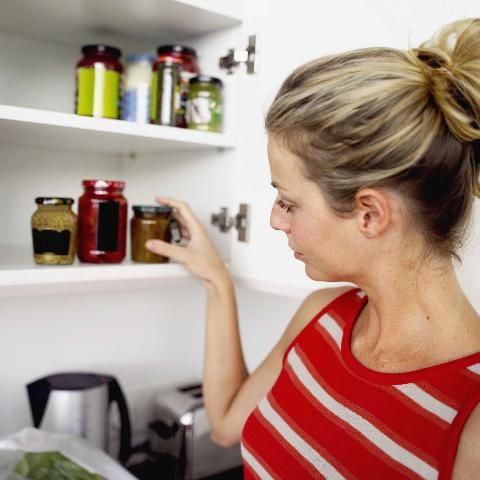
- Clean each appliance thoroughly. Clean enamel exteriors with sudsy water, rinse, and dry. Apply a coating of appliance or car wax to enamel exteriors to protect scratches from rust. Use an approved cleaner on stainless steel surfaces. Leave appliances unplugged while you are gone, to protect from electrical-current surges during storms.
- Unopened cans and jars of food can be left on shelves. Flour, sugars, and salt should be stored in tightly sealed containers. Dispose of cereals, crackers, and pastas to avoid household pests. Do not store food in a garage or shed.
- Clean cabinet interiors and exteriors.
- Fresh and perishable foods should be eaten or discarded. Give away or discard opened bottles and jars of salad dressings, condiments, and other perishable items. Replacing these items will cost less than paying to keep your refrigerator operating during the 2–3 months you are gone.
- Clean the refrigerator interior. Use a solution of one tablespoon of baking soda in one quart of water, in order to neutralize food soils and prevent odors. Dry thoroughly. Remove and clean the defrost pan at the bottom of your refrigerator if your model has one. The refrigerator and freezer doors should be left ajar. Make sure the doors cannot accidentally close.
- If you choose to leave the refrigerator plugged in, dispose of all perishable foods. Leave a plastic bag with ice cubes in the freezer. On your return, if the bag contains a solid block of ice, you will know that your power was off long enough for the ice to melt and refreeze. To avoid potential foodborne illness, discard contents of refrigerator and freezer.
- For the dishwasher, remove any food particles from the filter (if present). Run the dishwasher through a short cycle. After a few minutes into the cycle, turn off the dishwasher and open its door. Clean around the door gasket and under the bottom of the door to remove any residual soil that might attract mold in these areas. Then, let the dishwasher complete the cycle. Leave the door closed, but unlatch it to release the pressure on the door seal.
- Clean the garbage disposal by grinding a batch of ice cubes through the disposal. Then rinse a solution of baking soda and water through the disposal. Leave the drain stopper in place to prevent water in the P-trap beneath the disposal from evaporating during your absence from home.
- Clean oven, broiler, and the drip trays under the burners.
- To remove spatters in the microwave, heat a cup of water for two minutes on the high setting (do this while the microwave is cool). Afterwards, the condensation on the walls will loosen the spatters. Wash the inside of the microwave with sudsy water, and then rinse and dry. If possible, leave the microwave unplugged.
- Clean portable appliances thoroughly. Be sure to open the trap door under the toaster to clean it and remove the crumbs.
- Turn off the water supply to the clothes washer to eliminate pressure damage to the hoses. If needed, clean the washer's lint filter.
- Clean the dryer's lint filter, and use a leaf blower to blow out the dryer's vent exhaust tubing clear of any debris.
- Turn off the water heater if you plan to be gone for a month or more. For shorter absences, turn the water heater's thermostat to its lowest setting.
Bath
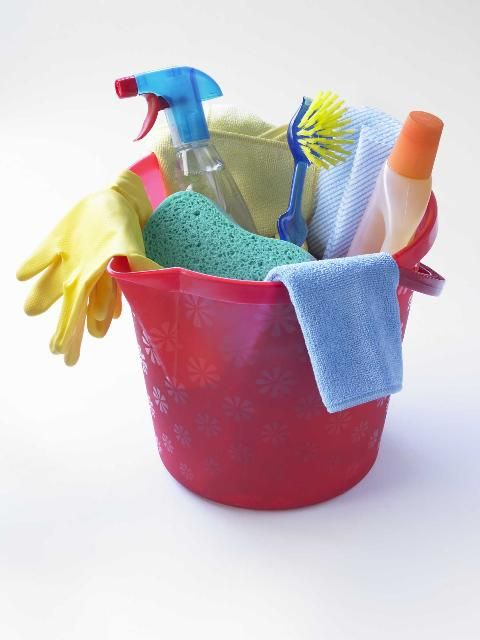
- Clean all surfaces and fixtures.
- Cover toilet and tank top with a plastic wrap.
- Put stoppers in drains.
Credit: Howard Shooter/Thinkstock.com
Other Rooms
- Clean and leave a light coating of wax on surfaces of wood furniture.
- Thoroughly vacuum upholstered furniture (even crevice areas). If there are spots and stains, remove or clean before closing the home.
- Remove bedding and bath linens; clean, dry, and store. Vacuum mattress thoroughly and cover it lightly with a sheet.
- Leave only clean clothes in closets. Allow space between garments to permit circulation of air. Do not leave clothes on the floor. Leather shoes, belts, and handbags should be cleaned with leather cleaner. You may even want to spray them with a disinfectant spray. Do not wrap garments or other items tightly in plastic. This may increase the likelihood of mildew. Metal hangers, even when covered with paper, can rust and stain clothing. Leave interior doors open to permit air circulation.
- Turn off ceiling fans.
- Unplug any appliances or electronics that are not in use. Many newer products continue to draw a small amount of power even when not turned on. They may also be damaged from power surges during storms.
- Unplug the garage door opener. If locking the garage door, post a reminder to unlock it before using the opener when you return. Operating the locked door with the opener can destroy the garage door opener motor.
- Replace backup batteries in fire alarms, automatic watering systems, thermostats, and security systems.
- If you have a soft-water system or reverse-osmosis water system, determine if any action is necessary.
Dry
Outdoor Moisture
Because the air in Florida has lots of moisture, it is important that windows and doors be weather sealed to keep moisture out. If you have a fireplace, be sure the damper is closed.
Indoor Moisture
Water from drains and toilets will evaporate and add to the moisture in the house. If all moisture from drains evaporates, sewer gas and pests can enter the home through the drains. Drain stoppers should be closed, and toilets and tank tops sealed with plastic wrap. Leave house plants outside or with a neighbor because having someone water the plants will add moisture to the air in the house. Turn off the water at the exterior meter unless it is used for lawn irrigation. This will prevent flooding if a pipe bursts.
Air Conditioning Consideration
There is no reason to maintain cool temperatures while you are away during the summer; however, periodic air conditioner operation will remove moisture from your home. To assure the continued effective operation of your air conditioner and to prevent excessive energy use, adhere to the following suggestions.
Leave Your Air Conditioner in Good Condition
Three weeks before you leave, have an air conditioner check-up performed by a professional, but there is also some maintenance you can do yourself:
- Change the air conditioning filter, or if washable, wash it. In addition to built-up dirt, the summer heat and humidity can cause mildew and mold growth that may spread throughout the house.
- Check around the edges of window air conditioners for leakage. Replace insulation as needed.
An air-conditioning professional should do the following:
- Clean the blower wheel and the coil.
- Check the temperature drop across the cooling coil and add refrigerant if needed.
- Adjust tension on belts.
- Check the thermostat.
- Inspect wiring and connections.
- Clean the condensate pan and pipe.
- Check the operation of motors.
Operate Your Air Conditioner to Save Energy
Leave your air conditioner set to no higher than 84 degrees (F) so it recycles off and on whenever the home reaches that temperature because the indoor humidity relative to temperatures greater than 84 degrees (F) will be greater than 55-60%, which is unsafe for indoor conditions and can lead to growth of spores and bacteria.3
If You Don't Have Air Conditioning
The temperature in your home will rise during the day in the summer. This temperature rise will actually result in a lower relative humidity. This may inhibit moisture-related problems if enough moisture is kept out of your house by the methods prescribed earlier. Desiccants (i.e., drying agents such as calcium chloride) that do not liquefy may help keep moisture reduced in enclosed spaces that are tightly sealed, such as inside an air-tight trunk.
A dehumidifier operated by a drain to carry away moisture can help, though not as much as air conditioning.
Home Exterior Procedures
Keeping the interior of your house clean and dry can start with keeping the exterior of your house in good repair. Florida's warm weather exerts more wear on housing that is not well maintained. Heavy seasonal rains will force water inside the structure if defects exist, and algae and mildew may thrive. Before you leave the home for an extended period of time, check the exterior of your house to make sure it is in functional condition.
Many condominiums or communities take care of some of the exterior maintenance. Check with the management to see what they will care for and maintain during your absence.
Foundation of the House
- Whether a house is situated on a concrete slab or over a crawlspace or basement, the grading of the ground should direct rainwater away from the house.
- Exterior wood on a house should be high enough from the ground that it won't get wet during a downpour. With a wide overhang, lower exterior walls are less likely to get wet.
- Landscaping around the foundation of a house should be placed far enough away from the house (two feet or more) to permit air to flow freely and prevent high humidity areas that allow algae and mildew to grow.
- The crawlspace, if there is one, should not have standing water after heavy rains and should be well ventilated.
Roof and Gutters
- Neglect and damage to roof and gutters can result in leaks, seepage, and decay.
- Remove leaves and debris from roof, gutters, and downspouts. Check gutters and downspouts for damage. Observe after heavy rain to see if water is flowing freely through them.
- Check for damaged, curled, loose, or missing shingles.
- Check flashing around chimneys and vents for damage.
Exterior Walls
- Exterior walls should be free of cracks that would allow rainwater or air moisture to enter the home.
- Check masonry walls for cracks or loose mortar.
- Painted walls should not have mildew, cracks, or blisters.
Windows and Doors
- Use caulk to fill in gaps between windows, doors and walls.
- Replace broken or cracked putty, as well as loose or damaged weatherstripping.
Swimming Pool
Your pool should be thoroughly cleaned before you leave. It is important to maintain the pool regularly. Every seven to ten days, a reliable pool maintenance service should ensure the pool’s pH and chemical balance are correct. Untreated or undertreated water will result in algae growth. Do not drain the pool, because the sun can dry it out and cause it to crack. If there is considerable rain, pressure can build up outside the empty pool and cause cracks.
Shrubbery and Lawn
Arrange for regular trimming and mowing to prevent overgrowth of plants and lawn. Store outdoor furniture and other items inside if they could be blown away or cause damage in severe weather. Remove any standing water (buckets, bird baths, and other water-retaining objects) from the yard. If you have a fountain, either empty it and turn it off, or leave the water circulating to avoid mosquito infestation.
Controlling Pests (Inside and Out)
Remove debris and clean up areas where pests can live and breed outside your home. Leaving a clean, dry home with food properly discarded or stored will help deter invasion of animal and insect pests.
More intensive pest management options include baits, traps, sprays, and dusts. But remember—all pesticides are poisons. Therefore, read the entire label (including the small print) before opening the containers, and then follow all instructions. For more information on controlling pests, visit https://edis.ifas.ufl.edu/topic_household_and_structural_pests_general.
Security Considerations
In addition to protecting your home against Mother Nature's attacks, you need to protect your home against a human threat: theft.
Before you leave home for either a short or long period, plan to protect your home from burglars or intruders. Consider these five important theft-protection principles:
- Discourage the interest of burglars.
- Inhibit entry by an intruder.
- Disrupt a break-in when it is happening.
- Protect valuables.
- Cover potential losses.
If possible, have someone check your house occasionally for damage and security breaches. If you live in a condominium or planned community, some security may be provided. Know what is provided and make arrangements to cover your responsibilities.
Discourage Interest of Burglars
The best defense is prevention. Both amateur and professional burglars are likely to bypass houses that appear to have active residents at home. Your house should have a lived-in appearance.
- Mail, newspapers, and other deliveries should be stopped or promptly picked up by a friend or neighbor.
- A car parked in the drive or carport discourages burglars. A friend or neighbor may agree to leave his or her car in your drive.
- Don't disconnect your phone. Some answering/message machines can be accessed by long distance to pick up messages. You can even change your message remotely.
- Several lights within a home should be placed on timers to simulate movement within the house, suggesting normal activities.
- Outside lighting and trimmed shrubbery should provide nighttime visibility of windows and doors from the street and other houses in the neighborhood.
- Outside lights left on during the day may signal that you are gone for an extended period.
- Window treatments should not make the house look closed-up, but should prevent easy viewing of valuables within the home, such as electronic equipment and cameras.
Inhibiting Entry
In spite of your efforts to make your house look lived-in, if a burglar decides to try and break in, don't make it easy.
- All doors should have secure locks, such as a dead bolt or jimmy-proof lock.
- Glass panels in doors or near doors should be shatterproof or double glazed.
- Doors with glazed windows or side panels should include a lock that can be opened from the interior only by a key. Do not leave the key in the lock.
- Sliding glass doors should have a bolt-type lock to prevent their being lifted out of the track, and a jamming bar should be placed in the inside track. Glass in the sliding doors should be shatterproof, double glazed, or have break-resistant plastic sheeting.
Disrupt a Break-In
Electronic or mechanical door and window alarms can frighten away a burglar if your house is close enough to neighbors for the alarms to be heard. Perimeter sensor systems or glass breakage sensors will help in the same way. Some home security systems allow remote visual and audio access.
Protecting Valuables
Valuables such as jewelry and watches should not be left behind. Place them in a safe deposit box, or take them with you.
Covering Potential Losses
Most homeowners' policies provide some protection against burglary. Do not take your insurance for granted. Check to see if theft protection is provided and if your valuables will be adequately insured. Make sure you meet all requirements. Check the fine print to be ensure your protection.
Prepare an up-to-date home inventory before you leave, but do not store it in the home. Keep sales receipts, a list of serial numbers, and appraisals. It would be wise to have clear, well-lighted digital photographs of items that would be costly or difficult to replace.
Closing Your Seasonal Home—Checklist
The following list is designed to assist you in preparing to close your home for the season. Not every task on the checklist will apply to you. This list should be used as a guide to help you close and secure your home while you are away.
Three Weeks before Leaving
- Schedule an appointment to have your central air conditioning system serviced (this should be done annually).
- Have the humidistat calibrated by your air conditioning company.
- Call service and utility companies to temporarily suspend service during your absence.
- Review homeowner's insurance policy and update if necessary.
- Update home inventory. Make copies and keep in a secure place.
- Determine what methods you will use to control (a) relative humidity inside your home and (b) fungal growth.
- Find a trusted friend or relative to routinely check on your home.
- Arrange for landscaping maintenance.
- Arrange to close shutters and to prepare home in the event of a hurricane threat.
- Arrange for pool maintenance if needed.
- Inform proper authorities of your planned absence.
Additional tasks:
-
___________________________________________________________________
-
___________________________________________________________________
Two Weeks before Leaving
- Purchase timers for lights and radios.
- Arrange to forward mail.
- Arrange for cancellation of newspapers and magazines.
- Purchase desiccants if desired.
- Begin cleaning with fungicidal products to remove existing fungal spores.
- Purchase plastic hangers if needed.
Additional tasks:
-
___________________________________________________________________
-
___________________________________________________________________
One Week before Leaving
- Clean refrigerator and freezer. Eat food on hand.
- Test the dehumidifier if you choose to use one. Place in a central location with a continuous drain.
- Vacuum upholstered furnishings to eliminate mold spores.
- Remove interior and exterior plants in pots and containers.
- Remove all food from the cabinets. (Do not keep ground spices and dried herbs. You may, however, keep all canned products and whole spices.)
- Move patio or lanai furniture into the garage or house.
- Test the timers for your lights.
- Leave your contact information with neighbors and homeowners association.
Additional tasks:
-
_____________________________________________________________________
-
_____________________________________________________________________
The Day You Leave
- Empty food from refrigerator and freezer; wipe condensation dry from freezer; disconnect refrigerator/freezer; and leave door slightly ajar.
- Put a dozen ice cubes and 2–3 tablespoons baking soda into the garbage disposal, and then turn the disposal on to clean blades.
- Empty dishwasher.
- Set timers on lights.
- Turn off or disconnect water heater.
- Strip bedding clean of all linens.
- Cover drains with stopper and duct tape.
- Cover and seal toilets.
- Unplug appliances and electronics.
- Check air conditioning for accurate settings.
- Set off insect "bombs" or "foggers," if desired (follow directions carefully when returning, especially if children are present).
- Set security alarm.
- Lock doors and windows.
- Leave interior doors open for air circulation.
Additional tasks:
-
_____________________________________________________________________
-
_____________________________________________________________________
Conclusion
Do not wait until the last minute to prepare your home. Start about three weeks before departure. Create a list of what you need to do to prepare, appointments for professional services (if needed), and any required supplies. Prepare the interior and exterior of your home to prevent mold and mildew growth, storm damage, and pests. Take the appropriate security measures to prevent theft. Leaving a well-maintained and properly secured home will provide peace of mind that you will be returning to a trouble-free seasonal home.
3 https://www.delair.com/blog/what-temperature-should-i-set-my-ac-to-while-away-on-vacation
(Note: Though not advertising for the company, Dr. Cantrell knows this Del-Air website to be reliable.)