
Many different insects attack leguminous vegetables. Aphids damage terminals, whiteflies feed on sap and transmit bean golden mosaic virus, and caterpillars, like bean leafroller, and beetles feed on leaves. Flower thrips feed in blossoms and stink bugs, corn earworm, and leaffooted bugs damage seeds and pods.
Snap beans are becoming an important crop for Florida. Southern peas (a bean) are typical in north Florida. Many other types of beans are grown on a small scale. Increas- ingly, newer pesticides are being registered for the entire crop group, including legumes such as pigeon pea, yardlong bean, sword bean, and crowder pea. Labels for individual insecticides should be consulted to see if they are labeled for all types of beans.
According to already published guidelines for snap beans (Pernezny et al. 2003), management practices should include scouting twice a week for insect pests in at least one location for every 2.5 acres. More sites should be chosen in small fields (less than 20 acres). A map of the field should be drawn so that pest counts can be connected to a particu- lar section of the field for future reference.
A sample is a 3 ft section of row. Whiteflies can be estimated by turning over several leaves in the section and counting the number of adults. Terminals should be examined for the presence of aphids. A three-by-three-foot cloth is placed on the ground for other pests, and the bean plants are shaken over it. Insects that fall on the cloth can be identified and counted. The growth stage of the plant and an estimate of defoliation should be recorded. Snap beans can tolerate up to 20% defoliation before pod set and 10% after pod set.
A systemic insecticide (a neonicotinoid) should be applied at planting to control aphids and whiteflies. Later in the season, when the effects of the systemic wear off, an insect growth regulator for whiteflies may be applied. Because it is the pod that is sold, damage to this part of the plant is the most serious concern. An insecticide appropriate for the pests present should be applied at pinpod. At least one more application may be needed before harvest.
For the organic grower, a number of OMRI-listed insecti- cides have been listed in the table (see the Notes column).
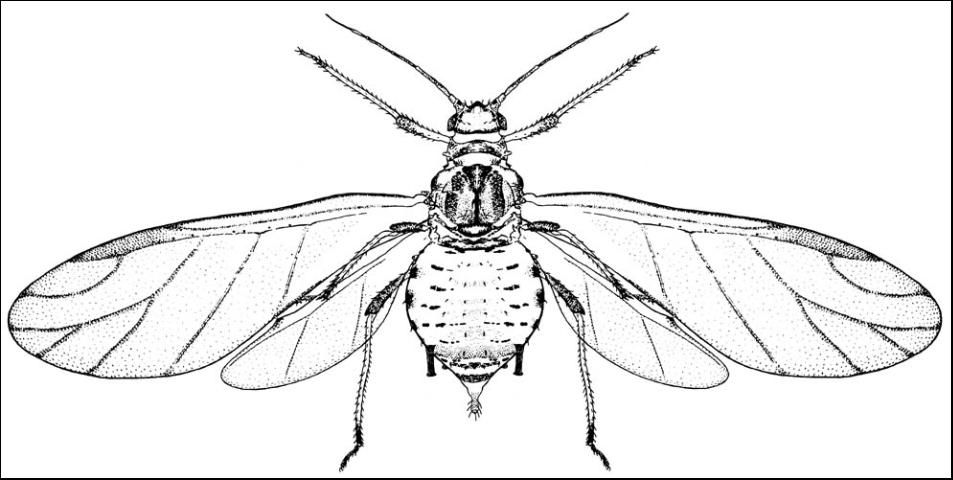
Credit: John L. Capinera, University of Florida
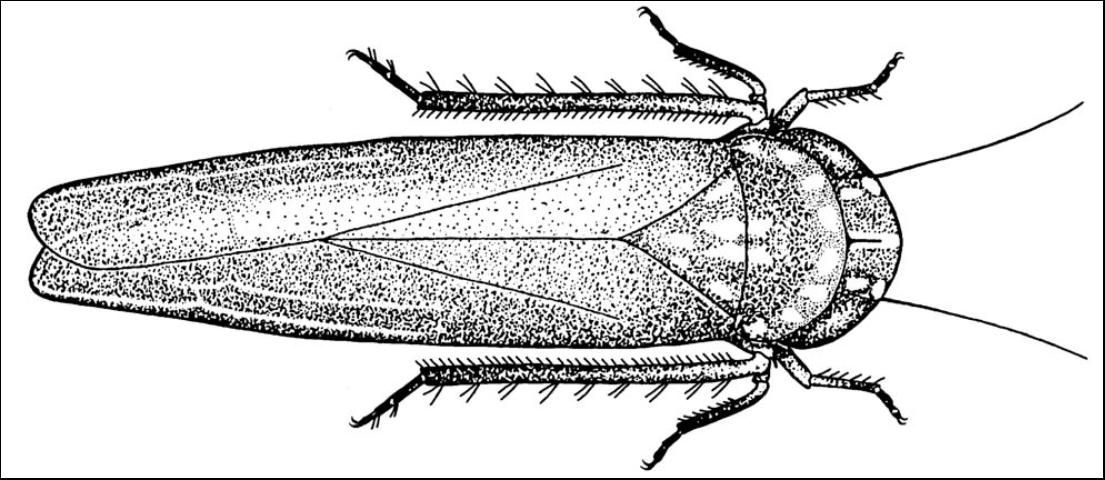
Credit: John L. Capinera, University of Florida
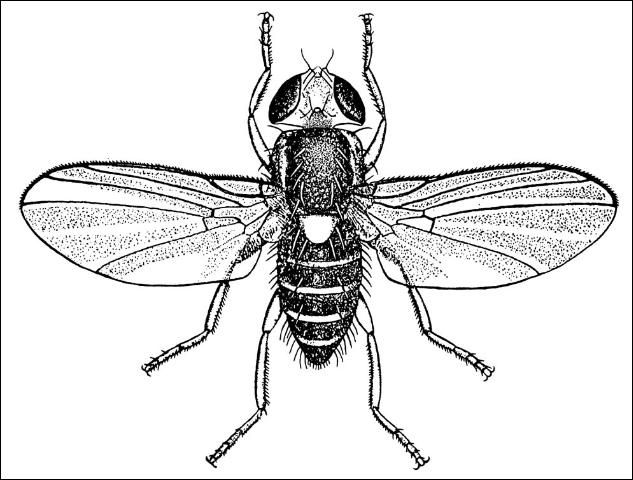
Credit: John L. Capinera, University of Florida
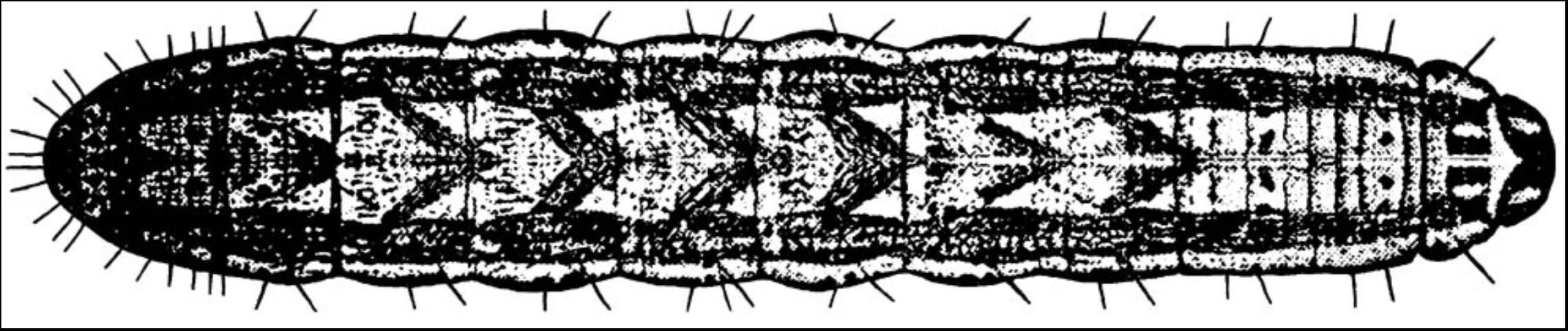
Credit: USDA
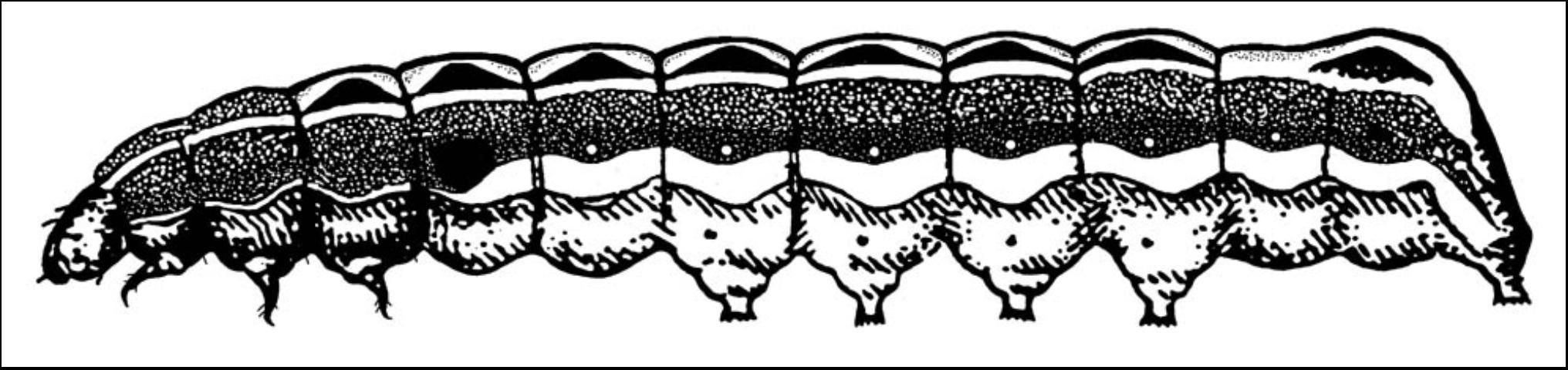
Credit: John L. Capinera, University of Florida
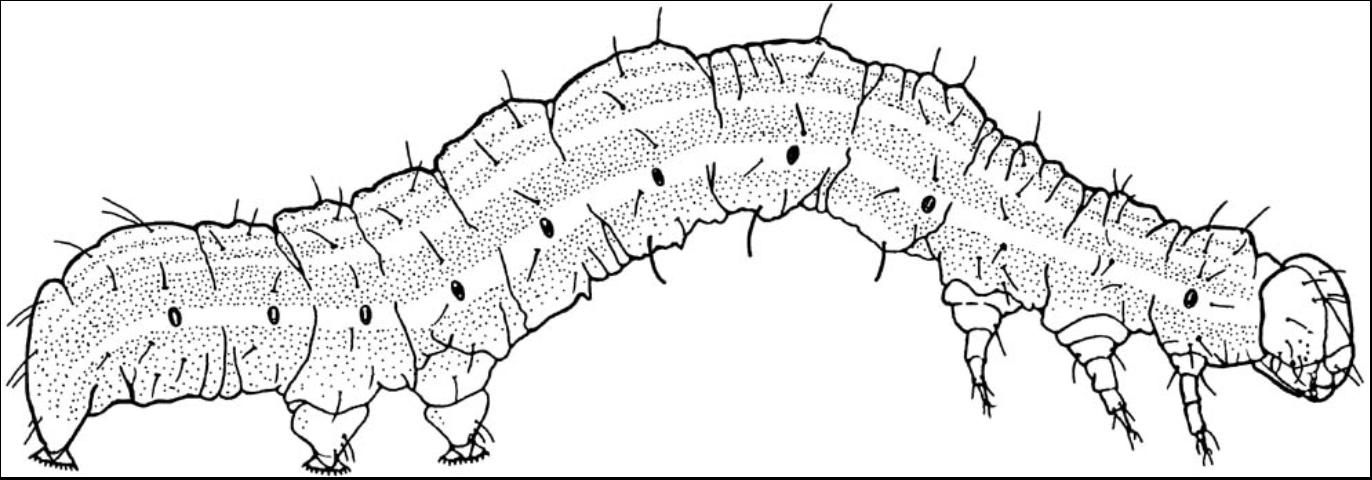
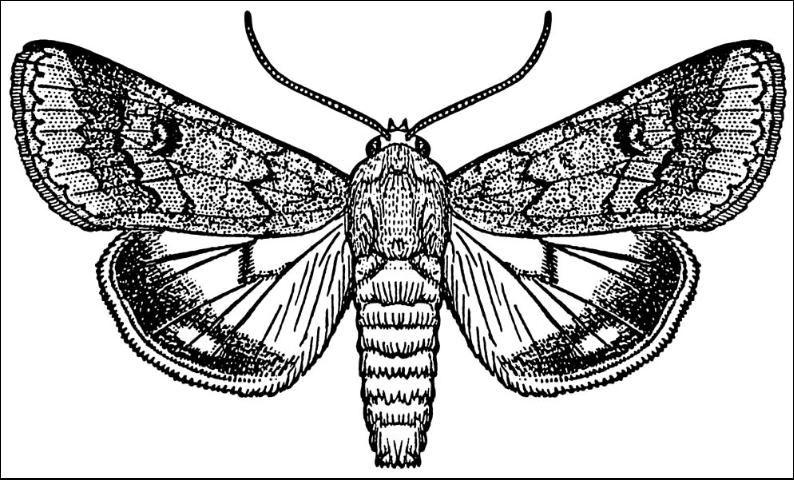
Credit: John L. Capinera, University of Florida
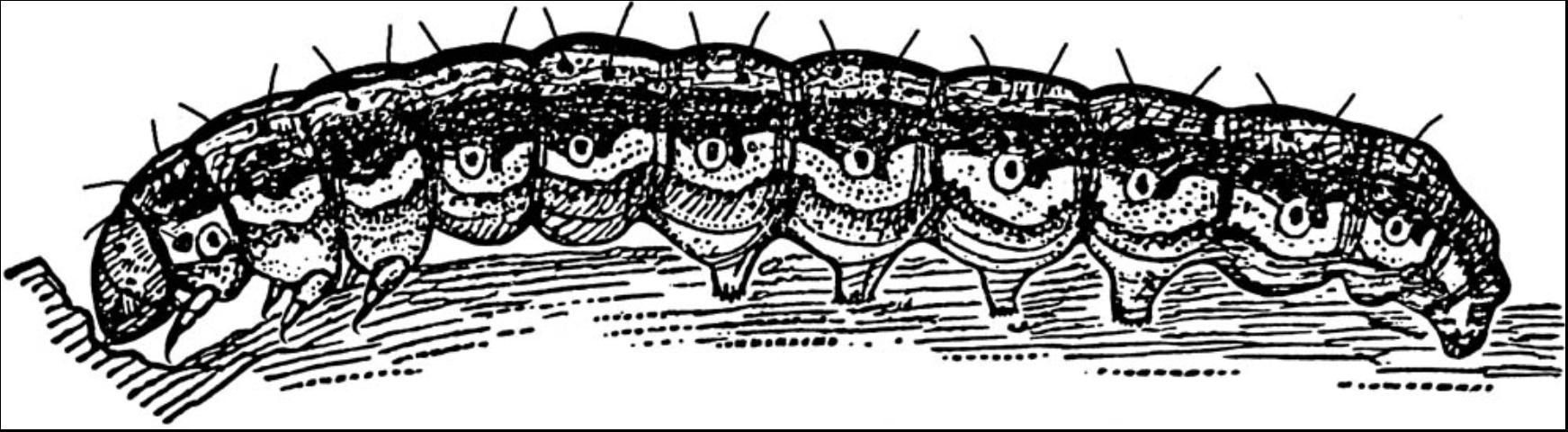
Credit: USDA
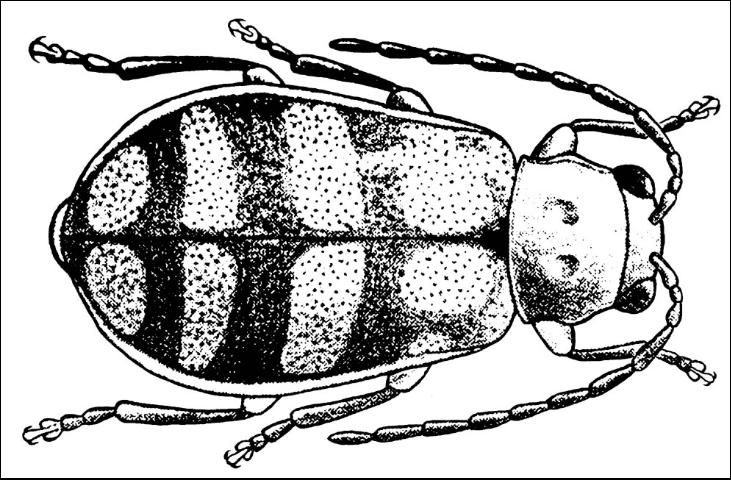
Credit: John L. Capinera, University of Florida
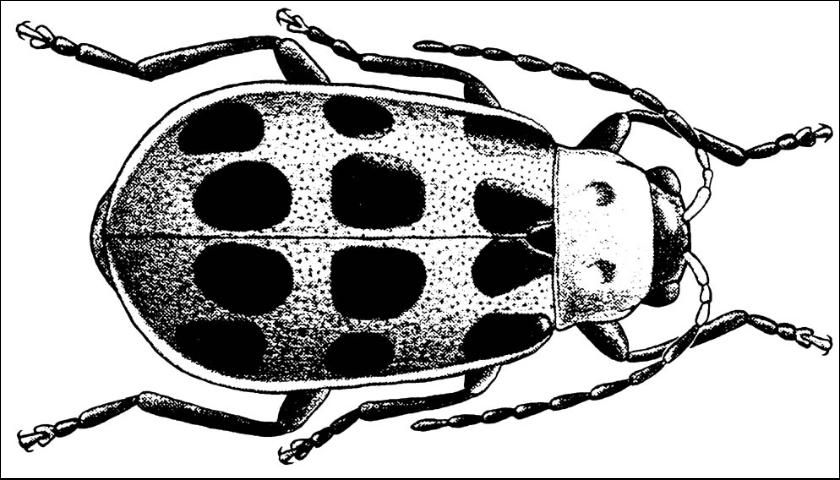
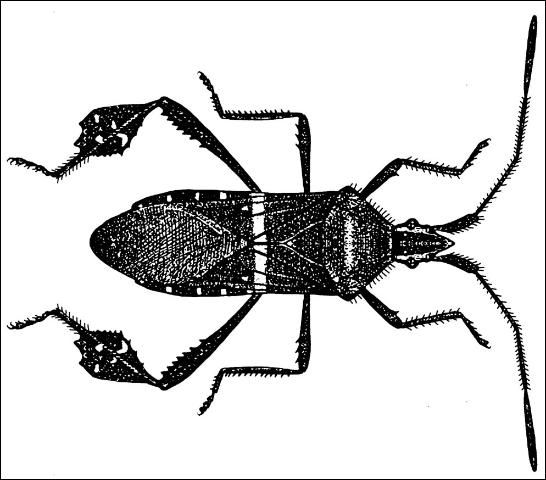
Credit: John L. Capinera, University of Florida
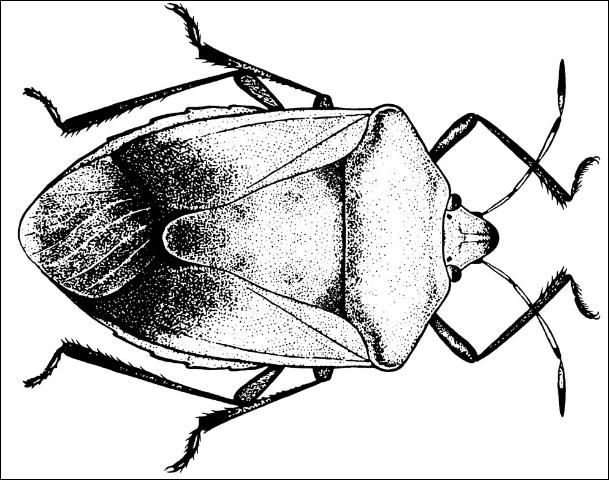
Credit: John L. Capinera, University of Florida
Reference
Pernezny, Ken, Gregg Nuessly, and William Stall. 2003. Integrated pest management for Florida snap beans. PPP37. Gainesville: University of Florida Institute of Food and Agricultural Sciences. 8 p. https://edis.ifas.ufl.edu/pp117
|
Labels change frequently. Be sure to read a current product label before applying any chemical. Also refer to Table 18.2 for biopesticide and other alternative products labeled for disease management. | |||||||
|
Insects |
MOA Code1 |
Trade Name Active Ingredient |
Rate Product/ acre |
Maximum rate/acre per season |
REI hours |
Days to Harvest |
Remarks |
|
Aphids |
1A |
*Lannate LV, *SP (methomyl) |
LV: 0.75-3 pt SP: 0.25-1.0 lb |
10 applications only |
48 |
See label: varies with rate and crop use |
Poison. Highly toxic to fish, aquatic invertebrates, and mammals. |
|
1B |
*Dibrom 8E (naled) |
1-1.5 pt |
4.5 pt |
48 |
1 |
Ground application only, not for cowpeas and field peas intended for livestock feed. Toxic to fish and wildlife. Poison. Corrosive. | |
|
1B |
Dimethoate 4EC (dimethoate) |
0.5-1 pt |
2.0 pts/year |
48 |
0-mechanical harvesting |
Do not feed treated vines. Do not use on field peas. Highly toxic to bees. See label. | |
|
1B |
Malathion 8F (malathion) |
1.0 pt |
2 applications only |
12 |
3 | Green and dried peas only. Do not graze or feed forage to livestock. Highly toxic to bees, fish and invertebrates. | |
|
1B |
Orthene 97 (acephate) |
0.25-1.0 lb |
2.0 lb a.i. |
24 |
14 - dry, succulent 1 - lima beans, succulent form | Do not use on green beans (string, wax, snap). Do not feed treated vines or seed to livestock. Toxic to birds and bees. See label. | |
|
3A |
*Asana XL (esfenvalerate) |
5.8-9.6 fl oz |
0.2 lb a.i. 4 applications at highest rate |
12 |
3 - snap 21- dry beans and peas | Do not feed or graze livestock on treated vines. Toxic to fish & aquatic invertebrates. Do not apply if bees are visiting treated areas. | |
|
3A |
*Brigade 2 EC (bifenthrin) |
1.6-6.4 fl oz |
12.8 fl oz succulent 19.2 fl oz dry |
12 |
3 – succulent; 14 – dry | Toxic to bees and fish. | |
|
3A |
Pyganic 5.0 (pyrethrins) |
0.26-18 fl oz/ 1000 cu ft |
no limit |
12 |
0 | OMRI-listed2. Treat when insects first appear. | |
|
4A |
Admire Pro (imidacloprid) |
Soil: 7-10.5 fl oz; Foliar: 1.2 fl oz |
Soil: 10.5 fl oz foliar: 3.6 fl oz |
12 |
21-soil 7 - foliar | Do not apply to both soil and foliage. Do not use other 4A insecticides if imidacloprid is used. Bee hazard. | |
|
4A |
Assail 30SG (acetamiprid) |
2.5-5.3 oz |
16 oz |
12 |
7 | Edible podded legumes, succulent shelled peas and beans. Toxic to birds, and aquatic invertebrates. | |
|
4D |
Sivanto 200SL (flupyradifurone) |
7.0-14 fl oz |
28.0 fl oz/year |
4 |
7 | Minimum interval between applications: 10 days. Toxic to aquatic invertebrates | |
|
23 |
Movento (spirotetramat) |
4-5 fl oz |
10.0 fl oz |
24 |
1: succulent 7: dry | Toxic to aquatic invertebrates and honey bee larvae. | |
|
-- |
BotaniGard ES (Beauveria bassiana) |
0.5-2 qt/100 gal |
no limit |
4 |
0 | May be used in greenhouses. Contact dealer if an adjuvant must be used. Not compatible in tank mix with fungicides. May be pathogenic to bees. | |
|
-- |
Grandevo (Chromo bacterium subtsugae strain PRAA4-1) |
1-3 lb |
4 |
0 | OMRI-listed2. Succulent or dried. Do not apply if bees are visiting treatment area. | ||
|
-- |
M-Pede 49% EC Soap, insecticidal |
0.25-4.0% v/v |
7-10 day interval |
12 |
0 | OMRI-listed2. Use with a companion insecticide. | |
|
-- |
Sun Spray 98.8%, JMS Stylet-Oil, Saf-T- Side, others (oil, insecticidal) |
3-6 qt/100 gal (JMS); 1-2 gal/100 gal (others) |
no limit |
4 |
0 | OMRI-listed2. Toxic to fish. | |
|
un |
Aza-Direct (azadirachtin) |
1-2 pt |
3.5 pt |
4 |
0 | OMRI-listed2. Anti-feedant, repellent, insect growth regulator. Toxic to fish. | |
|
un |
Neemix 4.5 (azadirachtin) |
4-16 fl oz |
20 gm a.i. |
12 |
0 | OMRI-listed2 Insect Growth Regulator and feeding repellent. Does not kill adult insects. | |
|
un |
Trilogy (extract of neem oil) |
1.0-2.0% v/v |
4 |
0 | OMRI-listed2. Apply morning or evening to reduce potential for leaf burn. Toxic to bees exposed to direct treatment. | ||
|
Armyworm, corn earworm, lesser cornstalk borer, loopers, cutworm, catepillar, grubs, root maggots, wireworms |
1A |
*Lannate LV, *SP (methomyl) |
LV: 0.75-3 pt SP: 0.25-1.0 lb |
10 applications only |
48 |
See label: varies with rate and crop use | Poison. Highly toxic to fish, aquatic invertebrates and mammals. |
|
1A |
Sevin 4 F (carbaryl) |
4F: 0.5-1.5 qt |
4 applications/ year |
12 |
13-fresh beans & peas, 14-grazing or forage, 21-dried beans, seed, or hay | Use on succulent shelled peas and beans prohibited. Highly toxic to bees and aquatic invertebrates. | |
|
1B |
*Diazinon 50W, AG500 (diazinon) |
50W: 4-8 lbAG500: 2-4 qt |
one application/ year |
72 |
broadcast at planting | Succulent beans and peas only. Soil application only. Poison. Toxic to bees, birds, fish and wildlife. | |
|
1B |
*Dibrom 8E (naled) |
1-1.5 pt |
4.5 pt |
48 |
1 | Ground application only, not for cowpeas and field peas intended for livestock forage. Toxic to fish and wildlife. Danger. Corrosive. | |
|
1B |
Orthene 97 (acephate) |
0.25-1.0 lb |
2.0 lb a.i. |
24 |
14 - dry or succulent 1 - lima beans, succulent form | Do not use on green beans (string, wax, snap). Do not feed treated vines or seed to livestock. Toxic to birds and bees. See label. | |
|
3A |
*Asana XL (esfenvalerate) |
5.8-9.6 fl oz |
0.2 lb a.i.4 applications at highest rate |
12 |
3 - snap 21-dry beans & peas | Do not feed or graze livestock on treated vines. Toxic to fish & aquatic invertebrates. Do not apply if bees are visiting treated areas. | |
|
3A |
*Baythroid XL (beta-cyfluthrin) |
0.8-3.2 fl oz – dry beans & peas; 0.8-2.1 fl oz – southern pea |
6.4 fl oz-dry beans & peas 10.5 fl oz-southern peas |
12 |
7 – dry beans & peas; 3 – southern pea | Not for use on succulent beans or peas. Do not feed treated vines or hay to livestock. Toxic to fish & aquatic invertebrates. | |
|
3A |
*Brigade 2EC (bifenthrin) |
1.6-6.4 fl oz |
12.8 fl oz succulent 19.2 fl oz dry |
12 |
3 – succulent; 14 – dry | Toxic to bees and fish. | |
|
3A |
*Capture LFR (bifenthrin) |
3.4-6.8 fl oz |
0.1 lb a.i. at plant0.2 lb a.i. peas 0.3 lb a.i. beans |
12 | |||
|
3A |
*Declare Insecticide (gamma-cyhalothrin) |
0.77-1.54 fl oz |
0.06 lb a.i. or 0.38 pt |
24 |
7 – edible podded and succulent shelled, 21 – dry beans and peas. | Do not exceed allowed amounts including use of other products containing bifenthrin applied at plant or foliar. Toxic to aquatic organisms and bees. | |
|
3A |
*Mustang (zeta-cypermethrin) |
1.28-4.0 oz |
24 oz |
12 |
1 - succulent; 21 - dried shelled peas or beans | For control before larvae bore into the plant stalk or pods. Do not graze livestock in treated areas or harvest vines for forage or hay. Exteremly toxic to fish, bees and wildlife. | |
|
3A |
Pyganic 5.0 (pyrethrins) |
0.26-18 floz/1000 cu ft |
no limit |
12 |
0 | Can also be applied at planting for control of cutworms, white grubs and wireworms (see label). Extremely toxic to bees, fish and aquatic invertebrates. | |
|
3A |
*Warrior II (lambda-cyhalothrin) |
0.96-1.92 fl oz |
7.68 fl oz |
24 |
7 - edible podded and succulent shelled; 21 - dried, shelled | OMRI-listed2. Treat when insects first appear. | |
|
5 |
Entrust SC (spinosad) |
3-6 fl oz |
12 fl oz |
4 |
28 | Toxic to aquatic organisms and wildlife. Do not graze livestock in treated areas. | |
|
5 |
Radiant SC (spinetoram) |
3-8 fl oz |
succulent-39 fl oz/acre/ yearsoybean - 14 fl oz/year |
4 |
3 – succulent; 28 – dry | OMRI-listed2. Do not feed forage or hay to dairy or meat cattle. | |
|
11A |
Javelin WG (Bacillus thuringiensis subspecies kurstaki) |
0.12-1.50 lb |
4 |
0 | Time applications to small larvae. | ||
|
11A |
Xentari DF (Bacillus thuringiensis subspecies aizawai) |
0.5-2.0 lb |
4 |
0 | Treat when larvae are young. Thorough coverage is essential. OMRI-listed2. | ||
|
15 |
Rimon 0.83EC (novaluron) |
6-12 fl oz |
36.0 fl oz |
12 |
1 | Treat when larvae are young. Thorough coverage is essential. May be used in the greenhouse. Can be used in organic production. | |
|
18 |
Intrepid 2F (methoxy fenozide) |
4-16 fl oz |
64.0 fl oz/year |
4 |
7 | Rimon disrupts molting and has no effect on adult insects. Toxic to aquatic invertebrates, do not spray when bees are visiting treated area. | |
|
22 |
Avaunt (indoxacarb) |
3.5 oz |
14.0 oz |
12 |
7 | Southern pea (dry) varieties only. Highly toxic to mammals, birds, fish and aquatic invertebrates | |
|
28 |
Belt SC (flubendiamide) |
2-3 fl oz |
6 floz |
12 |
1 – edible podded and succulent shelled; 14 – dry; 3 – forage | Toxic to aquatic invertebrates | |
|
28 |
Coragen (chlorant raniliprole with rynaxypyr) |
3.5-7.5 fl oz |
15.4 fl oz or 0.2 lb a.i of chlorantraniliprole products per acre per year. |
4 |
1 | Foliar application only. Toxic to aquatic organisms. | |
|
-- |
BotaniGard ES (Beauveria bassiana) |
0.5-2 qt/100 gal |
4 |
0 | May be used in greenhouses. Contact dealer if an adjuvant must be used. Not compatible in tank mix with fungicides. May be pathogenic to bees. | ||
|
un |
Aza-Direct (azadirachtin) |
1-3.5 pt |
4 |
0 | OMRI-listed2. Anti-feedant, repellent, insect growth regulator. Toxic to fish and aquatic invertebrates. | ||
|
Cucumber beetle, bean leaf beetle, Mexican bean beetle, Cowpea curculio |
1A |
*Lannate LV, *SP (methomyl) |
LV: 0.75-3 pt SP: 0.25-1.0 lb |
10 applications only |
48 |
See label: varies with rate and crop use | Poison. Highly toxic to fish, aquatic invertebrates and mammals. |
|
1A |
Sevin 80S, 4F (carbaryl) |
4F: 0.5-1.5 qt |
12 |
13-fresh beans & peas, 14-grazing or forage, 21-dried beans, seed, or hay | Repeat, as needed, up to 4 times. Applications should be at least 7 days apart. Higly toxic to bees. | ||
|
1B |
Orthene 97 (acephate) |
0.25-1.0 lb |
2.0 lb a.i. |
24 |
14 -dry or succulent 1 - lima beans, succulent form |
Do not use on green beans (string, wax, snap). Do not feed treated vines or seed to livestock. Toxic to birds and bees. See label. | |
|
1B |
Dimethoate 4EC (dimethoate) |
0.5-1 pt |
2.0 pts/year |
48 |
0: mechanical harvesting |
Do not feed treated vines. Do not use on field peas. Highly toxic to bees. See label. | |
|
1B |
*Thimet 20G (phorate) |
4.5-7.0 oz/1000 ft row. No more than 7.6 lb a.i./acre |
one application |
40 |
60 |
Poison. Label pending in FL. Do not graze livestock on treated forage. No direct contact with seed. At plant only. | |
|
3A |
*Baythroid XL (beta-cyfluthrin) |
0.8-3.2 fl oz – dry beans & peas; 0.8-2.1 fl oz – southern pea |
6.4 fl oz-dry beans & peas 10.5 fl oz-southern peas |
12 |
7 – dry beans & peas; 3 – southern pea |
Not for use on succulent beans or peas. Do not feed treated vines or hay to livestock. Toxic to fish & aquatic invertebrates. | |
|
3A |
*Brigade 2EC (bifenthrin) |
1.6-6.4 fl oz |
12.8 fl oz succulent19.2 fl oz dry |
12 |
3 – succulent; 14 – dry |
Toxic to bees and fish. | |
|
3A |
*Declare Insecticide (gamma-cyhalothrin) |
0.77-1.54 fl oz |
0.38 pt |
24 |
7 – edible podded and succulent shelled, 21 – dry beans and peas. |
For control before larvae bore into the plant stalk or pods. Do not graze livestock in treated areas or harvest vines for forage or hay. Toxic to bees, fish and wildlife. | |
|
3A |
*Mustang (zeta-cypermethrin) |
1.28-4.0 oz |
24 oz |
12 |
1 - succulent; 21 - dried shelled peas or beans |
Can also be applied at planting for control of cutworms, white grubs and wireworms (see label). Extremely toxic to bees, fish and aquatic invertebrates. | |
|
3A |
Pyganic 5.0 (pyrethrins) |
0.26-18 fl oz/1000 cu ft |
no limit |
12 |
0 |
OMRI-listed2. Treat when insects first appear. | |
|
3A |
*Warrior II (lambda-cyhalothrin) |
0.96-1.92 |
7.68 fl oz |
24 |
7 - edible podded and succulent shelled; 21 - dried, shelled |
Toxic to aquatic organisms and wildlife. Do not graze livestock in treated areas. | |
|
4A |
Assail 30SG (acetamiprid) |
2.5-5.3 oz |
3 applications |
12 |
7 |
Edible podded legumes and succulent shelled peas and beans. Toxic to birds, bees and fish. | |
|
15 |
Rimon 0.83EC (novaluron) |
6-12 fl oz |
36.0 fl oz |
12 |
1 |
Rimon disrupts molting and has no effect on adult insects. Toxic to aquatic invertebrates, do not spray when bees are visiting treated area. | |
|
un |
Aza-Direct (azadirachtin) |
1-3.5 pt |
4 |
0 |
OMRI-listed2. Anti-feedant, repellent, insect growth regulator. Toxic to fish and aquatic invertebrates. | ||
|
un |
Neemix 4.5 (azadirachtin) |
4-16 fl oz |
20 gm a.i. |
12 |
0 |
OMRI-listed2 Insect Growth Regulator and feeding repellent. Does not kill adult insects. | |
|
Fire ants |
7A |
Extinguish ((S)-methoprene) |
1-1.5 lb broadcast |
as needed |
4 |
0 |
Insect Growth Regulator. Colonies will be reduced after three weeks and eliminated after 8 to 10 weeks. |
|
7C |
Esteem Ant Bait (pyriproxyfen) |
1.5-2.0 lb |
0.134 lb a.i. |
12 |
1 |
Do not feed treated vines. Highly toxic to bees. | |
|
Grasshoppers |
1B |
Dimethoate 4EC (dimethoate) |
0.5-1 pt |
48 |
0: mechanical harvesting |
Do not feed or graze livestock on treated vines. Toxic to bees & fish. | |
|
3A |
*Asana XL (esfenvalerate) |
5.8-9.6 fl oz |
0.2 lb a.i./acre. 4 applications at highest rate |
12 |
3 - snap21-dry beans and peas |
Do not feed or graze livestock on treated vines. Toxic to bees & fish. | |
|
3A |
*Baythroid XL (beta-cyfluthrin) |
0.8-3.2 fl oz – dry beans & peas; 0.8-2.1 fl oz – southern pea |
6.4 fl oz-dry beans & peas 10.5 fl oz-southern peas |
12 |
7 – dry beans & peas; 3 – southern pea |
Not for use on succulent beans or peas. Do not feed treated vines or hay to livestock. Toxic to fish & aquatic invertebrates. | |
|
3A |
*Brigade 2EC (bifenthrin) |
1.6-6.4 fl oz |
12.8 fl oz succulent19.2 fl oz dry |
12 |
3 – succulent; 14 – dry |
Toxic to bees and fish. | |
|
3A |
*Declare Insecticide (gamma- cyhalothrin) |
0.77-1.54 fl oz |
0.06 lb a.i. or 0.38 pt |
24 |
7 – edible podded and succulent shelled, 21 – dry beans and peas. |
For control before larvae bore into the plant stalk or pods. Do not graze livestock in treated areas or harvest vines for forage or hay. Extremely toxic to fish, bees and wildlife | |
|
3A |
*Mustang (zeta- cypermethrin) |
1.28-4.0 oz |
24 oz |
12 |
1 - succulent; 21 - dried shelled peas or beans |
Can also be applied at planting for control of cutworms, white grubs and wireworms (see label). Extremely toxic to bees, fish and aquatic invertebrates. | |
|
3A |
*Warrior II (lambda -cyhalothrin) |
0.96-1.92 fl oz |
7.68 fl oz |
24 |
7 – edible podded and succulent shelled, 21 – dried, shelled |
Toxic to aquatic organisms and wildlife. Do not graze livestock in treated areas. | |
|
-- |
BotaniGard ES (Beauveria bassiana) |
0.5-2 qt/100 gal |
no limit |
4 |
0 |
May be used in greenhouses. Contact dealer if an adjuvant must be used. Not compatible in tank mix with fungicides. May be pathogenic to bees. | |
|
Leafhopper |
1A |
*Lannate LV, *SP (methomyl) |
LV: 0.75-3 pt SP: 0.25-1.0 lb |
10 applications only |
48 |
See label: varies with rate and crop use |
Poison. Highly toxic to fish, aquatic invertebrates and mammals. |
|
1B |
*Dibrom 8E (naled) |
1-1.5 pt |
4.5 pt/acre |
48 |
1 |
Ground application only, not for cowpeas and field peas intended for livestock feed. Toxic to fish and wildlife. Poison. Corrosive. | |
|
1B |
Dimethoate 4EC (dimethoate) |
0.5-1 pt |
2.0 pts/year |
48 |
0: mechanical harvesting |
Do not feed treated vines. Do not use on field peas. Highly toxic to bees. See label. | |
|
3A |
*Brigade 2EC (bifenthrin) |
1.6-6.4 fl oz |
12.8 fl oz succulent 19.2 fl oz dry |
12 |
3 – succulent; 14 – dry |
Toxic to bees and fish. | |
|
3A |
*Mustang (zeta-cypermethrin) |
1.28-4.0 oz |
24 oz |
12 |
1 - succulent; 21 - dried shelled peas or beans |
Can also be applied at planting for control of cutworms, white grubs and wireworms (see label). Extremely toxic to bees, fish and aquatic invertebrates. | |
|
3A |
*Warrior II (lambda- cyhalothrin) |
0.96-1.92 fl oz |
7.68 fl oz |
24 |
7 – edible podded and succulent shelled, 21 – dried, shelled |
Toxic to aquatic organisms and wildlife. Do not graze livestock in treated area. | |
|
3A |
Pyganic 5.0 (pyrethrins) |
0.26-18 fl oz/1000 cu ft |
no limit |
12 |
0 |
OMRI-listed2. Treat when insects first appear. | |
|
4A |
Admire Pro (imidacloprid) |
Soil: 7-10.5 fl oz; Foliar: 1.2 fl oz |
Soil: 10.5 fl oz Foliar: 3.6 fl oz |
12 |
21-soil 7 - foliar |
Do not apply to both soil and foliage. Do not use other 4A insecticides if imidacloprid is used. Bee hazard. | |
|
4A |
Assail 30SG (acetamiprid) |
2.5-5.3 oz |
16 oz |
12 |
7 |
Edible podded legumes and succulent shelled peas and beans. Toxic to birds, and aquatic invertebrates. | |
|
4D |
Sivanto 200SL (flupyra difurone) |
7-14 fl oz |
28.0 fl oz/year |
4 |
7 |
Minimum interval between applications: 10 days. Toxic to aquatic invertebrates | |
|
16 |
Courier 40SC (buprofezin) |
9.0-13.6 fl oz |
27.2 fl oz |
12 |
14 |
For succulent beans only. Allow 14 days between applications. | |
|
-- |
BotaniGard ES (Beauveria bassiana) |
0.5-2 qt/100 gal |
no limit |
4 |
0 |
May be used in greenhouses. Contact dealer for recommendations if an adjuvant must be used. Not compatible in tank mix with fungicides. May be pathogenic to bees. | |
|
-- |
M-Pede 49% EC (soap, insecticidal) |
0.25-4.0 % v/v |
7-10 day intervals |
4 |
0 |
OMRI-listed2. Use with a companion insecticide. | |
|
-- |
Sun Spray 98.8%, JMS Stylet-Oil, Saf-T- Side, others (oil, insecticidal) |
3-6 qt/100 gal (JMS); 1-2 gal/100 gal (others) |
4 |
0 |
OMRI-listed2. Toxic to fish. | ||
|
un |
Aza-Direct (azadirachtin) |
1-3.5 pt |
4 |
0 |
OMRI-listed2. Anti-feedant, repellent, insect growth regulator. Toxic to fish and aquatic invertebrates. | ||
|
Liriomyza leafminers |
5 |
Entrust SC (spinosad) |
3-6 fl oz |
12 fl oz |
4 |
28 days |
OMRI-listed2. Do not feed forage or hay to dairy or meat cattle. |
|
5 |
Radiant SC (spinetoram) |
3-8 fl oz |
succulent - 39 fl oz/acre/year soybean - 14 fl oz/year |
4 |
3 – succulent; 28 – dry |
Time applications to small larvae. | |
|
6 |
*Agri-Mek SC (abamectin) |
1.75-3.5 fl oz |
3.5 oz |
12 |
7 |
Dry beans only. Must be mixed with a non-ionic activator type wetting, spreading and/or penetrating adjuvant. Do not use binder or sticker type adjuvants. Toxic to fish and wildlife. | |
|
17 |
Trigard (cyromazine) |
2.66 oz |
0.75 lb a.i. |
12 |
7 |
Not for use on soybeans or peas. | |
|
28 |
Coragen (rynaxypyr) |
3.5-7.5 fl oz |
15.4 fl oz or 0.2 lb a.i of chlorantra niliprole products per acre per year. |
4 |
1 |
Foliar application only. Toxic to aquatic organisms. | |
|
-- |
Sun Spray 98.8%, JMS Stylet-Oil, Saf-T-Side, others (oil, insecticidal) |
3-6 qt/100 gal (JMS); 1-2 gal/100 gal (others) |
no limit |
4 |
0 |
Organic Stylet -Oil and Saf-T-Side are OMRI-listed2. Toxic to fish. < | |
|
un |
Neemix 4.5 (azadirachtin) |
4-16 fl oz |
12 |
0 |
Acts as IGR and feeding repellent. Does not kill adult insects. OMRI-listed2. | ||
|
Lygus bug, stink bug, kudzu bug, plant bug |
1A |
*Lannate LV, *SP (methomyl) |
LV: 0.75-3 pt SP: 0.25-1.0 lb |
10 applications only |
48 |
See label: varies with rate and crop use |
Poison. Highly toxic to fish, aquatic invertebrates and mammals. |
|
1A |
Sevin 80S, 4F (carbaryl) |
4F: 0.5-1.5 qt |
4 applications /year |
12 |
13-fresh beans & peas, 14-grazing or forage,21-dried beans, seed, or hay |
Use on succulent shelled peas and beans prohibited. Highly toxic to bees and aquatic invertebrates. | |
|
1B |
*Dibrom 8E (naled) |
1-1.5 pt |
48 |
1 |
Ground application only. Do not use on cowpeas and field peas for livestock feeding. | ||
|
1B |
Dimethoate 4EC (dimethoate) |
0.5-1 pt |
2.0 pts/year |
48 |
0: mechanical harvesting |
Do not feed treated vines. Do not use on field peas. Highly toxic to bees. See label. | |
|
3A |
*Baythroid XL (beta-cyfluthrin) |
0.8-3.2 fl oz – dry beans & peas; 0.8-2.1 fl oz – southern pea |
6.4 fl oz-dry beans & peas 10.5 fl oz-southern peas |
12 |
7 – dry beans & peas; 3 – southern pea |
Not for use on succulent beans or peas. Do not feed treated vines or hay to livestock. Toxic to fish & aquatic invertebrates. | |
|
3A |
*Brigade 2EC (bifenthrin) |
1.6-6.4 fl oz |
12.8 fl oz succulent 19.2 fl oz dry |
12 |
3 – succulent; 14 – dry |
Toxic to bees and fish. | |
|
3A |
*Declare Insecticide (gamma- cyhalothrin) |
0.77-1.54 fl oz |
0.06 lb a.i. or 0.38 pt |
24 |
7 – edible podded and succulent shelled, 21 – dry beans and peas. |
For control before larvae bore into the plant stalk or pods. Do not graze livestock in treated areas or harvest vines for forage or hay. Extremely toxic to fish, bees and wildlife. | |
|
3A |
*Mustang (zeta-cypermethrin) |
1.28-4.0 oz |
24 oz |
12 |
1 - succulent; 21 - dried shelled peas or beans |
Can also be applied at planting for control of cutworms, white grubs and wireworms (see label). Extremely toxic to bees, fish and aquatic invertebrates. | |
|
3A |
Pyganic 5.0 (pyrethrins) |
1.0-18 oz |
no limit |
12 |
0 |
OMRI-listed2. Treat when insects first appear. | |
|
3A |
*Warrior II (lambda- cyhalothrin) |
0.96-1.92 fl oz |
7.68 fl oz |
24 |
7 - edible podded & succulent shelled; 21 - dried, shelled |
Toxic to aquatic organisms and wildlife. Do not graze livestock in treated areas. | |
|
15 |
Rimon 0.83EC (novaluron) |
6-12 fl oz |
12 |
1 |
See label for rates for specific pests. Do not apply more than 36 fl oz per acre per season. Do not apply more often than every 7 days. Rimon disrupts molting and has no effect on adult insects. | ||
|
-- |
BotaniGard ES (Beauveria bassiana) |
0.5-2 qt/100 gal |
4 |
0 |
May be used in greenhouses. Contact dealer if an adjuvant must be used. Not compatible in tank mix with fungicides. May be pathogenic to bees. | ||
|
-- |
M-Pede 49% EC (soap, insecticidal) |
0.25-4.0 % v/v |
7-10 day intervals |
12 |
0 |
OMRI-listed2. Use with a companion insecticide. | |
|
un |
Aza-Direct (azadirachtin) |
1-2 pt (max 3.5 pt) |
4 |
0 |
Anti-feedant, repellent, insect growth regulator. OMRI-listed2. Toxic to fish. | ||
|
Mites: two spotted, southern red |
3A |
*Brigade 2EC (bifenthrin) |
1.6-6.4 fl oz |
12.8 fl oz succulent 19.2 fl oz dry |
12 |
3 – succulent; 14 – dry |
Toxic to bees and fish. |
|
3A |
Pyganic 5.0 (pyrethrins) |
0.26-18 fl oz/ 1000 cu ft |
no limit |
12 |
0 |
OMRI-listed2. Treat when insects first appear. | |
|
6 |
*Agri-Mek SC (abamectin) |
1.75-3.5 fl oz |
3.5 oz |
12 |
7 |
Dry beans only. Must be mixed with a non-ionic activator type wetting, spreading and/or penetrating adjuvant. Do not use binder or sticker type adjuvants. Toxic to fish and wildlife. | |
|
20B |
Kanemite 15SC (acequinocyl) |
31 fl oz |
12 |
7 |
Do not make more than two applications per year. Succulent beans, including succulent soybean vegetable, only. | ||
|
21A |
Portal (fenpyroximate) |
2.0 pt |
4.0 pt |
12 |
1 |
Snap bean only. Allow 14 days between applications. Highly toxic to fish and aquatic invertebrates. | |
|
-- |
Grandevo (Chromob acterium subtsugae strain PRAA4-1) |
1-3 lb |
4 |
0 |
OMRI-listed2. Succulent or dried. Do not apply if bees are visiting treatment area. | ||
|
-- |
M-Pede 49% EC (soap, insecticidal) |
0.25-4.0% v/v |
7-10 day intervals |
12 |
0 |
OMRI-listed2. Use with a companion insecticide. | |
|
-- |
Sun Spray 98.8%, JMS Stylet-Oil, Saf-T-Side, others (oil, insecticidal) |
3-6 qt/100 gal (JMS); 1-2 gal/100 gal (others) |
no limit |
4 |
0 |
OMRI-listed2. Toxic to fish. | |
|
un |
Acramite-50WS (bifenazate) |
1.0-1.5 lb |
12 |
3 |
Succulent beans and peas and succulent shelled soybeans. | ||
|
un |
Aza-Direct (azadirachtin) |
1-3.5 pt |
4 |
0 |
OMRI-listed2. Antifeedant, repellent, insect growth regulator. Toxic to fish and aquatic invertebrates. | ||
|
un |
Trilogy (extract of neem oil) |
1.0-2.0% v/v |
4 |
0 |
OMRI-listed2. Apply morning or evening to reduce potential for leaf burn. Toxic to bees exposed to direct treatment. | ||
|
Thrips |
3A |
Pyganic 5.0 (pyrethrins) |
0.26-18 fl oz/ 1000 cu ft |
no limit |
12 |
0 |
OMRI-listed2. Treat when insects first appear. |
|
4A |
Assail 30SG (acetamiprid) |
2.5-5.3 oz |
16 oz |
12 |
7 |
Edible podded legumes and succulent shelled peas and beans. Limited to 3 applications per season. Toxic to birds, and aquatic invertebrates. | |
|
5 |
Entrust SC (spinosad) |
3-6 fl oz |
12 fl oz |
4 |
OMRI-listed2. Do not feed forage or hay to dairy or meat cattle. |
OMRI-listed2. Do not feed forage or hay to dairy or meat cattle. | |
|
5 |
Radiant SC (spinetoram) |
3-8 fl oz |
succulent-39 fl oz/acre/year soybean- 14 fl oz/year |
4 |
3 – succulent; 28 – dry |
Time applications to small larvae. | |
|
15 |
Rimon 0.83EC (novaluron) |
6-12 fl oz |
36.0 fl oz |
12 |
1 |
Rimon disrupts molting and has no effect on adult insects. Toxic to aquatic invertebrates. Do not spray when bees are visiting treated area. | |
|
23 |
Movento (spirotetramat) |
4-5 fl oz |
10.0 fl oz |
24 |
1: succulent 7: dry |
Toxic to aquatic invertebrates and honey bee larvae. | |
|
-- |
BotaniGard ES (Beauveria bassiana) |
0.5-2 qt/100 gal |
no limit |
4 |
0 |
May be used in greenhouses. Contact dealer if an adjuvant must be used. Not compatible in tank mix with fungicides. May be pathogenic to bees. | |
|
-- |
Grandevo (Chromob acterium subtsugae strain PRAA4-1) |
1-3 lb |
4 |
0 |
OMRI-listed2. Succulent or dried. Do not apply if bees are visiting treatment area. | ||
|
-- |
M-Pede 49% EC (soap, insecticidal) |
0.25-4.0% v/v |
7-10 day intervals |
12 |
0 |
OMRI-listed2. Use with a companion insecticide. | |
|
-- |
Sun Spray 98.8%, JMS Stylet-Oil, Saf-T- Side, others (oil, insecticidal) |
3-6 qt/100 gal (JMS); 1-2 gal/100 gal (others) |
no limit |
4 |
0 |
OMRI-listed2. Toxic to fish. | |
|
un |
Aza-Direct (azadirachtin) |
1-3.5 pt |
4 |
0 |
OMRI-listed2. Anti-feedant, repellent, insect growth regulator. Toxic to fish and aquatic invertebrates. | ||
|
un |
Trilogy (extract of neem oil) |
0.5-2% V/V |
4 |
0 |
Apply morning or evening to reduce potential for leaf burn. Toxic to bees exposed to direct treatment. OMRI- listed2. | ||
|
Whiteflies |
3A |
*Brigade 2EC (bifenthrin) |
1.6-6.4 fl oz |
12.8 fl oz succulent 19.2 fl oz dry |
12 |
3 – succulent; 14 – dry |
Toxic to bees and fish. Tank mix with 1B product for better control. |
|
3A |
*Mustang (zeta-cyp ermethrin) |
1.4-4.3 oz |
0.3 lba.i./ acre 12 |
12 |
1 - succulent; 21 - dried shelled peas or beans |
Do not make applications less than 5 days apart. Not for soybeans. Do not apply more than 0.3 lb ai/acre per season. Can also be applied at planting for control of cutworms, white grubs and wireworms (see label). Tank mix with 1b Product of better control. | |
|
3A |
Pyganic 5.0 (pyrethrins) |
0.26-18 fl oz/1000 cu ft |
no limit |
12 |
0 |
OMRI-listed2. Treat when insects first appear. | |
|
4A |
Admire Pro (imidacloprid) |
soil: 7-10.5 fl oz; foliar: 1.2 fl oz |
soil: 10.5 fl oz foliar: 3.6 fl oz |
12 |
21-soil 7 - foliar |
Do not apply to both soil and foliage. Do not use other 4A insecticides if imidacloprid is used. Bee hazard. | |
|
4A |
Assail 30SG (acetamiprid) |
2.5-5.3 oz |
3 applications |
12 |
7 |
Edible podded legumes and succulent shelled peas and beans. Toxic to birds, bees and fish. | |
|
4D |
Sivanto 200SL (flupyradifurone) |
7-14 fl oz |
28.0 fl oz/year |
4 |
7 |
Minimum interval between applications: 10 days. Toxic to aquatic invertebrates. | |
|
7C |
Knack IGR (pyriproxyfen) |
8-10 fl oz |
12 |
7 |
Do not make more than 2 applications per season. | ||
|
15 |
Rimon 0.83EC (novaluron) |
6-12 fl oz |
36.0 fl oz |
12 |
1 |
Rimon disrupts molting and has no effect on adult insects. Toxic to aquatic invertebrates, do not spray when bees are visiting treated area. | |
|
16 |
Courier 40SC (buprofezin) |
9.0-13.6 fl oz |
27.2 fl oz |
12 |
14 |
For succulent beans only. Allow days between applications. | |
|
23 |
Movento (spirotetramat) |
4-5 fl oz |
10.0 fl oz |
24 |
1: succulent 7: dry |
Toxic to aquatic invertebrates and honey bee larvae. | |
|
-- |
BotaniGard ES (Beauveria bassiana) |
0.5-2 qt/100 gal |
4 |
0 |
May be used in greenhouses. Contact dealer if an adjuvant must be used. Not compatible in tank mix with fungicides. May be pathogenic to bees. | ||
|
-- |
Grandevo (Chromob acterium subtsugae strain PRAA4-1) |
1-3 lb |
4 |
0 |
OMRI-listed2. Succulent or dried. Do not apply if bees are visiting treatment area. | ||
|
-- |
M-Pede 49% EC (soap, insecticidal) |
0.25-4.0% v/v |
7-10 day intervals |
12 |
0 |
OMRI-listed2. Use with a companion insecticide. | |
|
-- |
Sun Spray 98.8%, JMS Stylet-Oil, Saf-T-Side, others (oil, insecticidal) |
3-6 qt/100 gal (JMS); 1-2 gal/100 gal (others) |
no limit |
4 |
0 |
OMRI-listed2. Toxic to fish. | |
|
un |
Neemix 4.5 (azadirachtin) |
4-16 fl oz |
20 gm a.i. |
12 |
0 |
OMRI-listed2. Insect Growth Regulator and feeding repellent. Does not kill adult insects. | |
|
un |
Trilogy (extract of neem oil) |
1.0-2.0% v/v |
4 |
0 |
OMRI-listed2. Apply morning or evening to reduce potential for leaf burn. Toxic to bees exposed to direct treatment. | ||
|
1 Mode of Action (MOA) codes for plant pest insecticides from the Insecticide Resistance Action Committee (IRAC) Mode of Action Classification v. 9.4, March 2020. Number codes (1 through 28) are used to distinguish the main insecticide mode of action groups, with additional letters for certain sub-groups within each main group. All insecticides within the same group (with same number) indicate same active ingredient or similar mode of action. This information must be considered for the insecticide resistance management decisions. un = unknown, or a mode of action that has not been classified yet. 2 Information provided in this table applies only to Florida. Be sure to read a current product label before applying any product. The use of brand names and any mention or listing of commercial products or services in the publication does not imply endorsement by the University of Florida Cooperative Extension Service nor discrimination against similar products or services not mentioned. OMRI listed: Listed by the Organic Materials Review Institute for use in organic production. | |||||||
|
* Restricted use insecticide. | |||||||