
With the increase in the popularity of ornamental ponds for raising aquatic plants, ornamental fish, and supplying water for wildlife, the potential for new mosquito breeding sites is increasing. Small insectivorous fish are a valuable tool in controlling mosquitoes and midges ("blind mosquitoes") in ponds, patio tanks, abandoned swimming pools and pools no longer maintained by their owners. Native fish seem less susceptible to wading bird predation than brightly colored ornamental fish. This publication is intended to help anyone interested in ponds or mosquito control to identify, select, collect, and stock small native fish species that would be useful in controlling mosquito populations.
Mudminnow Family, Umbridae
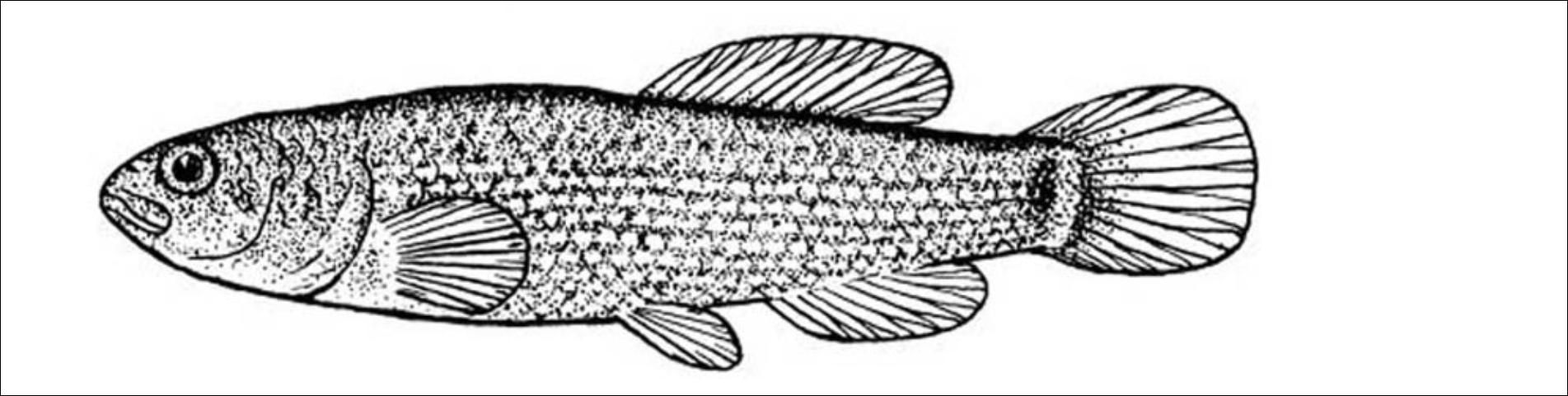
Credit: Drawing by Samuel Eddy from How to Know the Freshwater Fishes 1978 /reproduced with permission of the McGraw Hill Companies.
Killifish Family, Cyprinodontidae
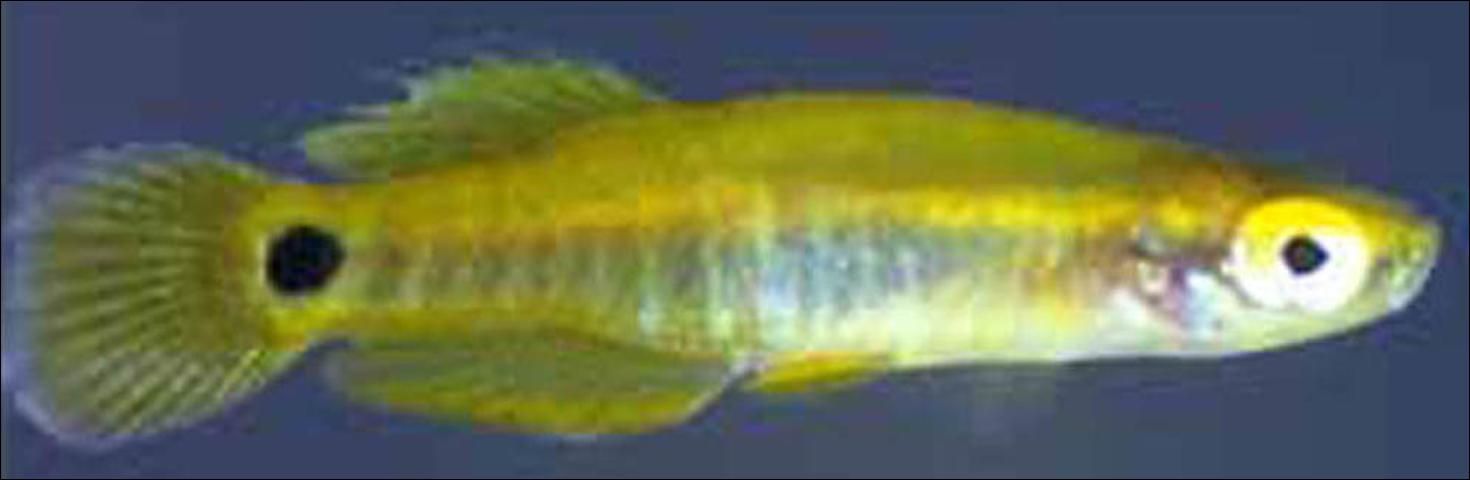
Credit: Florida Fish & Wildlife Conservation Commission (FF&WCC) / FloridaFisheries.com
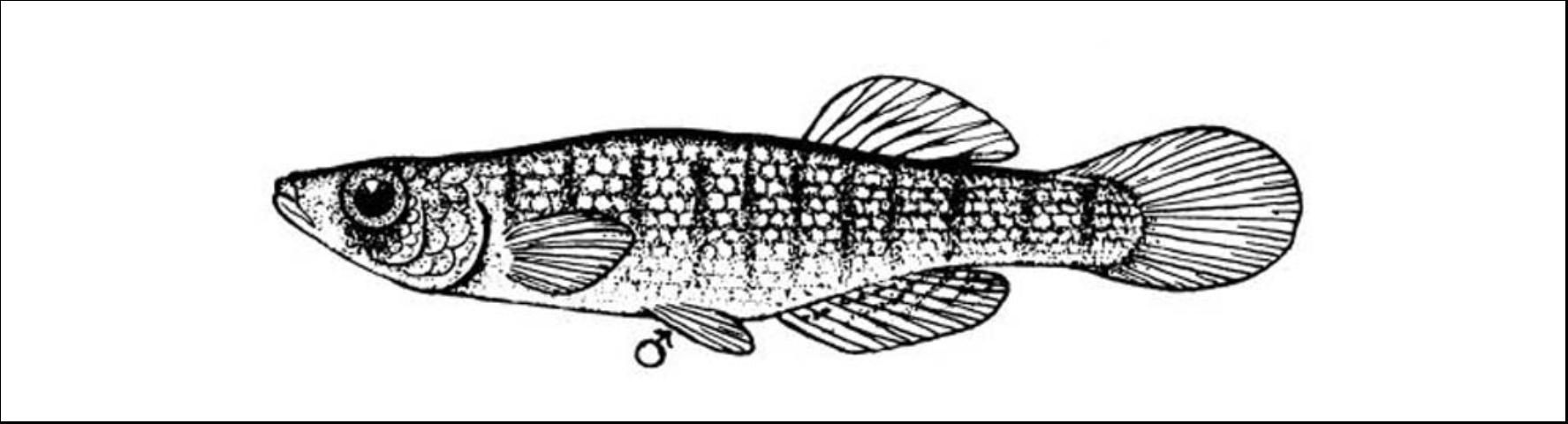
Credit: Samuel Eddy /McGraw Hill
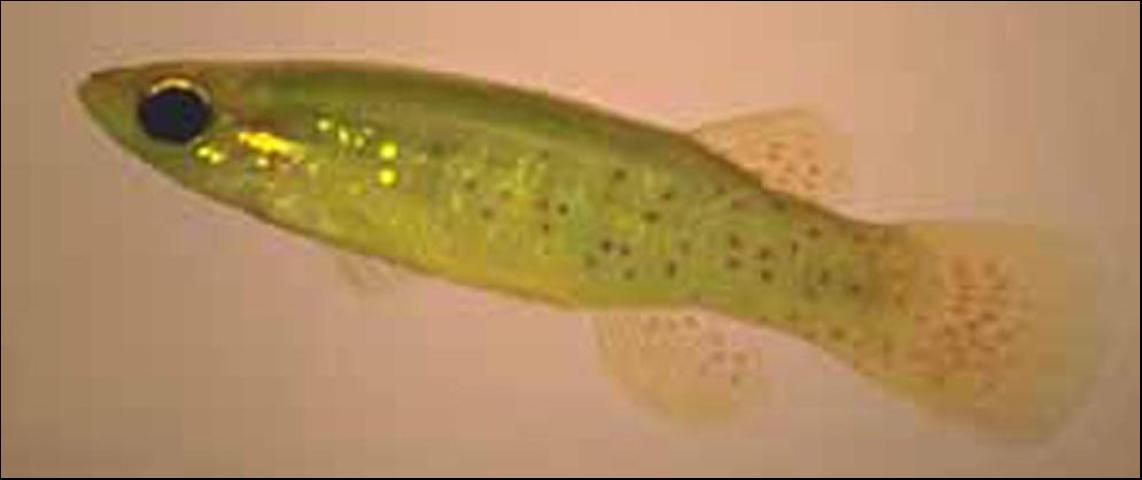
Credit: FF&WCC / FloridaFisheries.com
Live Bearer or Guppy Family, Poecilidae
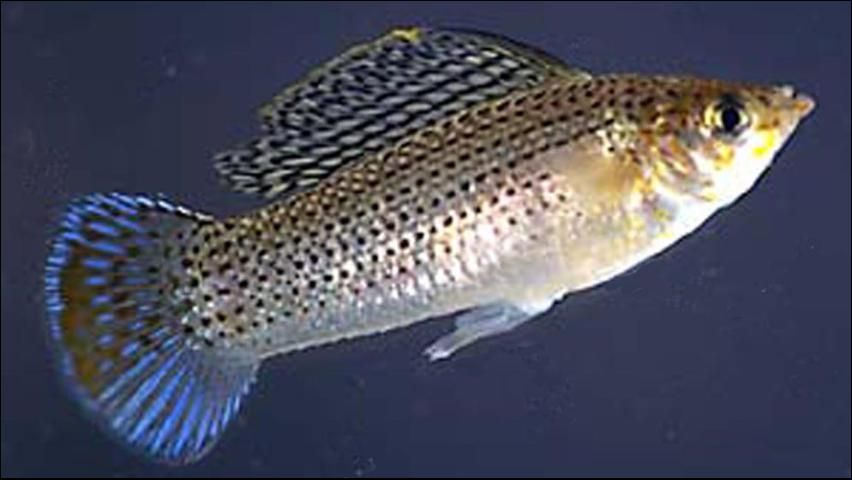
Credit: FloridaFisheries. com (FF&WCC)
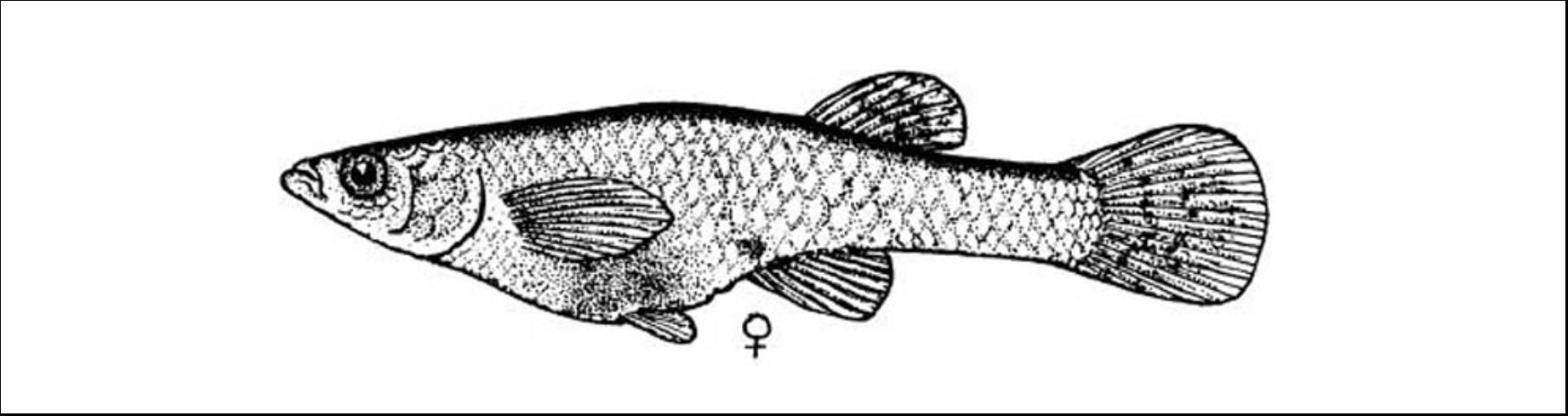
Credit: Samuel Eddy, McGraw Hill
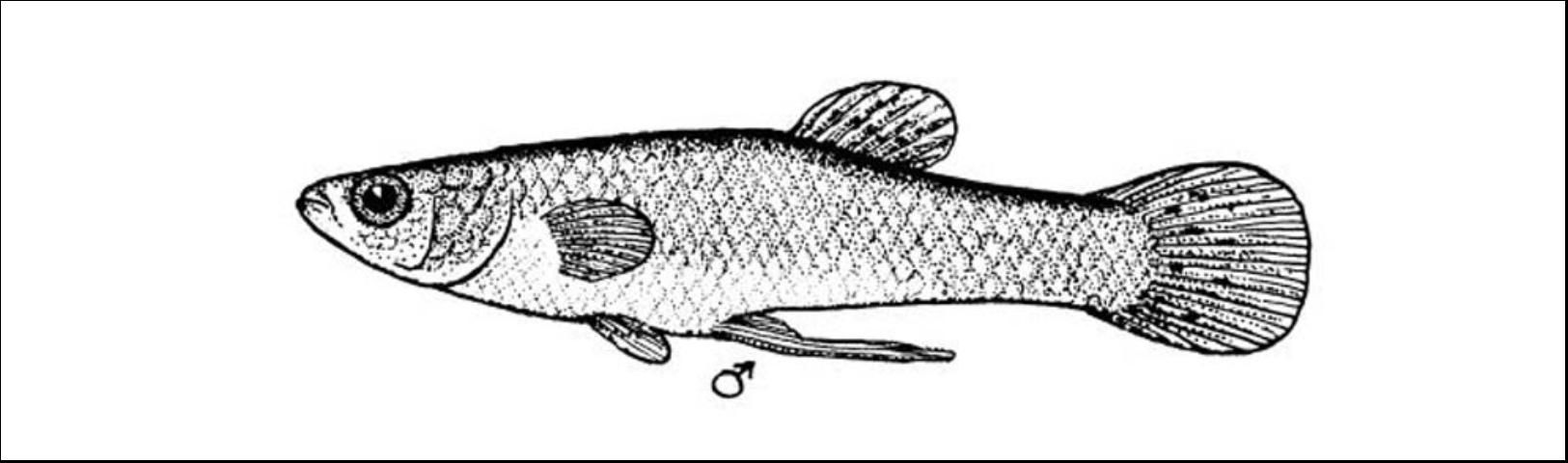
Credit: Samuel Eddy, McGraw Hill
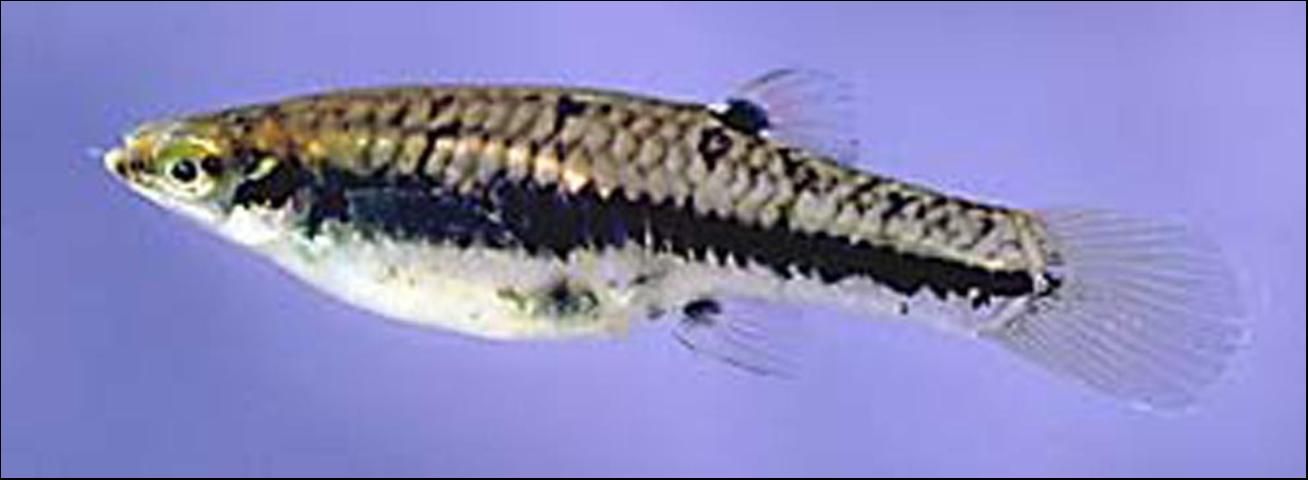
Credit: FloridaFisheries. com (FF&WCC)
Sunfish Family, Centrarchidae
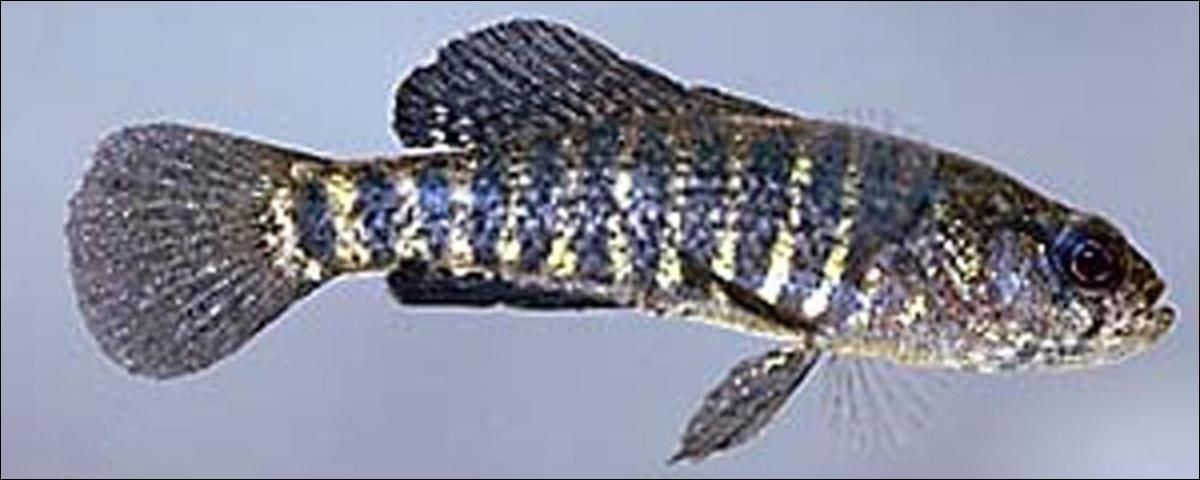
Credit: FloridaFisheries. com (FF&WCC)
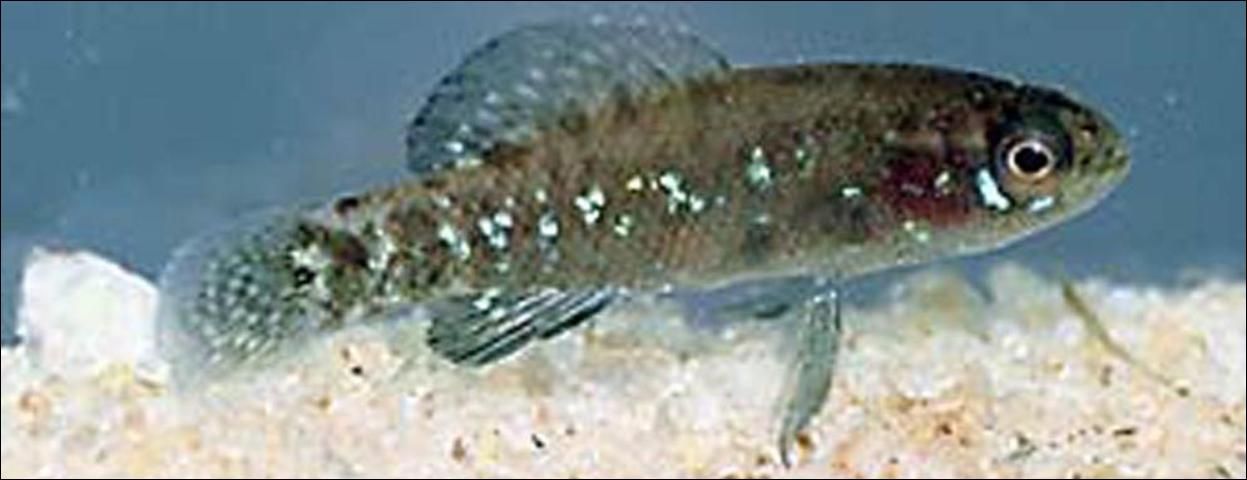
Credit: FloridaFisheries. com (FF&WCC)
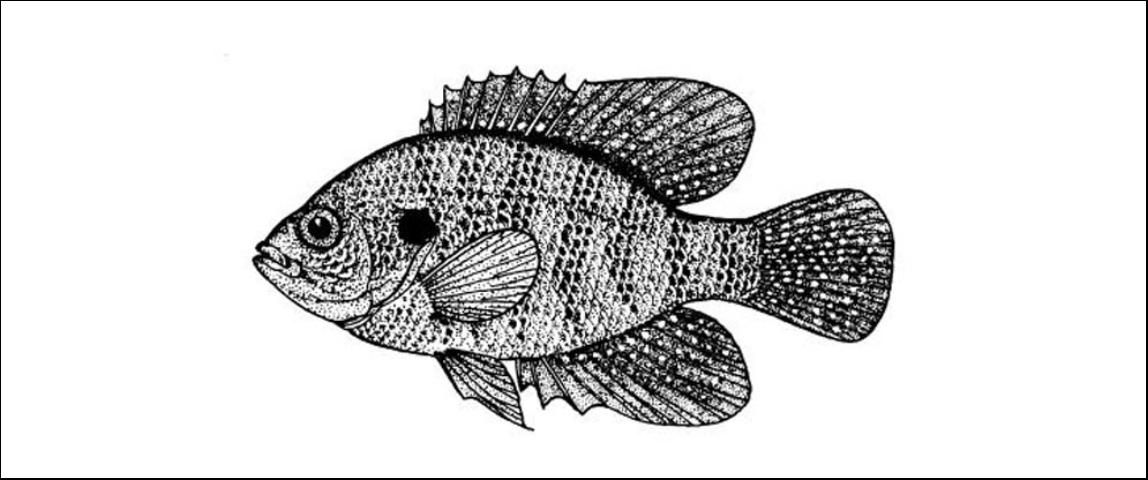
Credit: Samuel Eddy, McGraw Hill
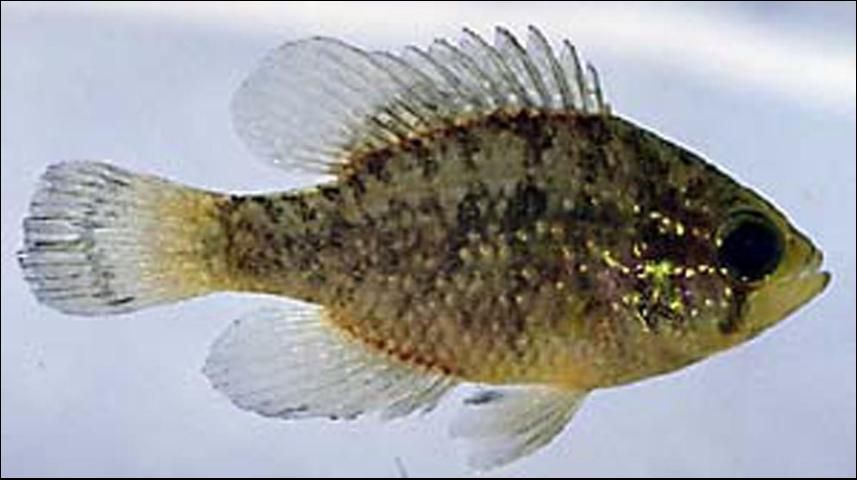
Credit: FloridaFisheries. com (FF&WCC)
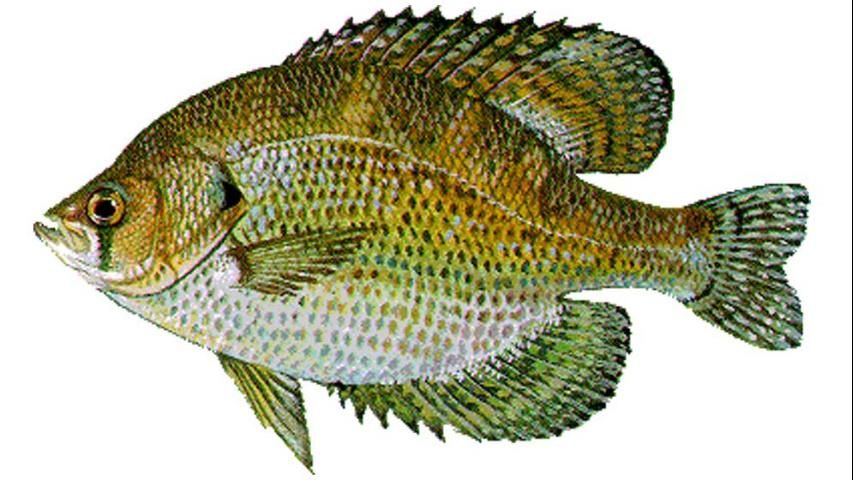
Credit: Duane Raver, Jr., USFWS
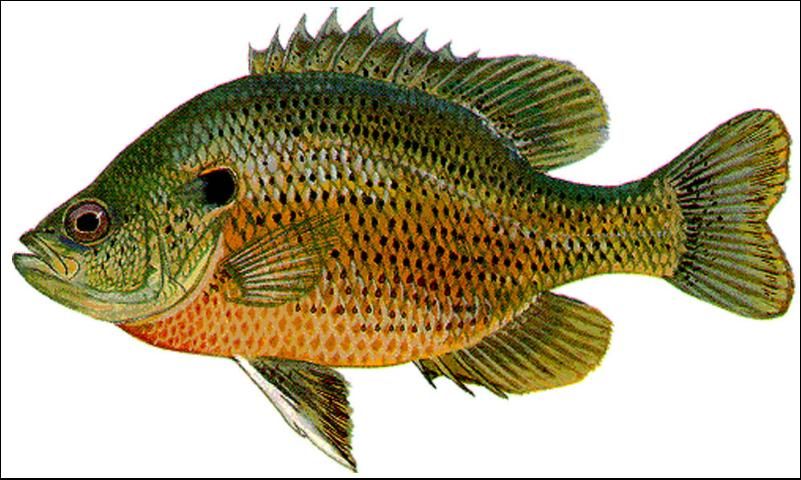
Credit: Duane Raver, Jr. / USFWS
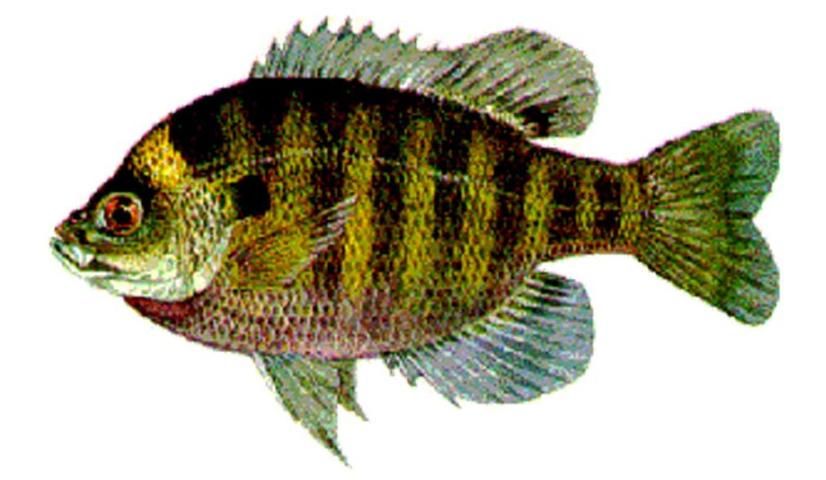
Credit: Duane Raver, Jr., USFWS
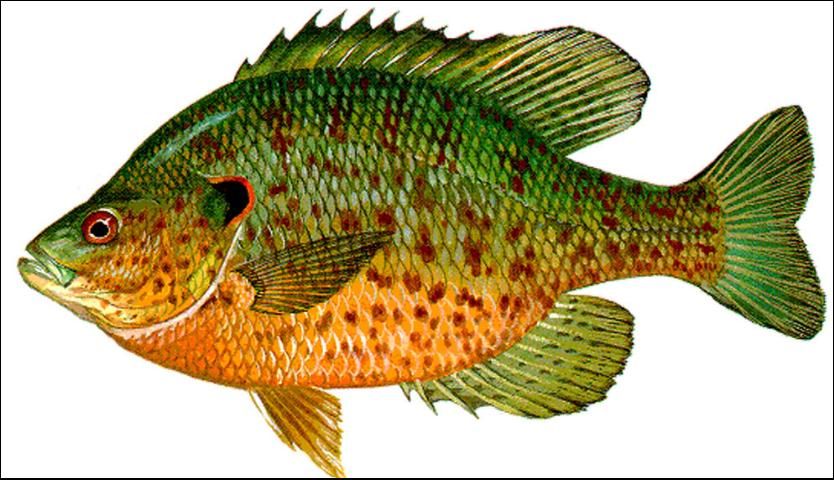
Credit: Duane Raver, Jr., USFWS
Collecting
This is not intended as a comprehensive list of all mosquito predators. Most of these fish are common and available in local ponds, canals, ditches, lake edges, or creeks. Your mosquito control district may rear some of these fish for mosquito control and may make them available to pond owners upon request. Check with your local mosquito control district office for availability.
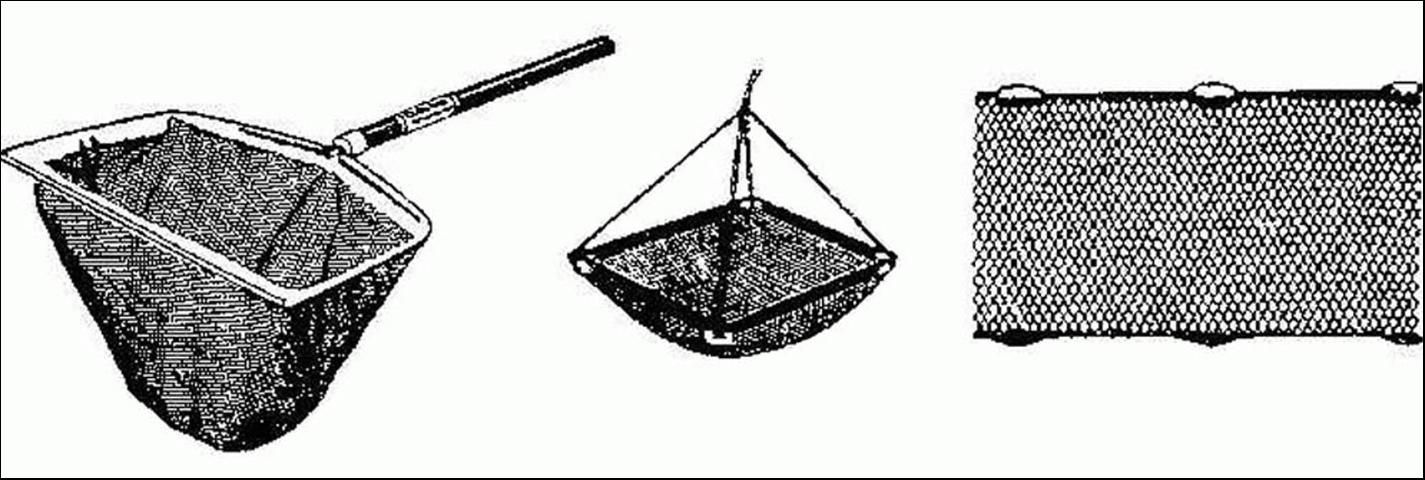
Collecting your own fish is part of the fun of having a pond. Most of these species are not game fish and may be collected with a seine, dip net, lift net, minnow trap, or barbless hook. Panfish species, primarily the sunfish are protected as game fish and only 50 may be collected individually or collectively per day. Only small sunfish (immature individuals or small species) are good mosquito predators. Small game fish or panfish include bluegill, redear sunfish, warmouth, redbreast sunfish, spotted sunfish, flier, mud sunfish, and longear sunfish. Game fish may only be taken by hook and line (use barbless hooks if collecting for your pond). Sunfish over three inches long are more likely to feed on other mosquito predators rather than mosquitoes.
Small non-game fish (including mosquito fish, least killifish, and minnows) may be collected using:
- Cast nets having a stretched mes size of not greater than 1 inch.
- Minnow traps (Figure 17) not more than 24 inches in length and 12 inches in diameter, with a funnel entrance not more than 1 inch in spread.
- Minnow dip nets not more than 4 feet in diameter (Figure 18).
- Minnow seines having a stretched mesh not greater than 1 inch, length not more than 20 feet and a depth not more than 4 feet.
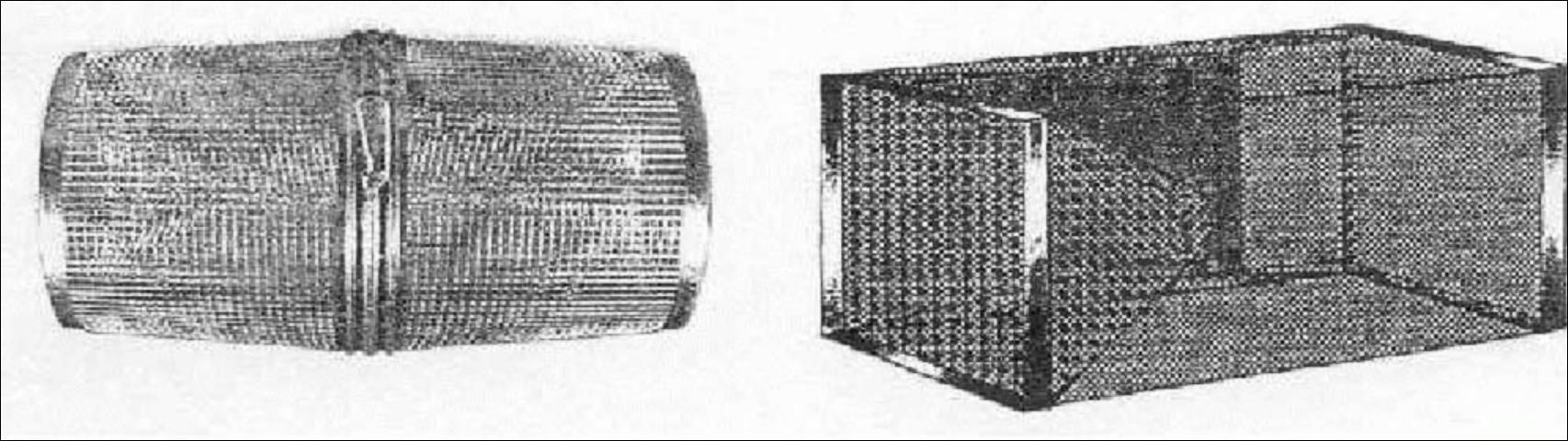
Collecting fish to stock in ponds requires a Freshwater Fishing License unless the person collecting the fish is less than 16 or is 65 or older. Contact the Florida Fish and Wildlife Conservation Commission or your state Department of Natural Resources for more information about license requirements and license exemptions. If the fish are to be sold, then a Florida Resident Commercial Fishing License or a commercial freshwater fishing license from your state is required.
Only collect as many fish as you can safely transport and stock in your pond. As a general rule, stock mosquito fish at a maximum of one fish per every 2–5 gals. (20–50 mosquito fish in a 100 gal. pond). Larger fish should be stocked at lower rates (one small sunfish for each 50–100 gal). Collect and transport fish when it is cooler. Keep the containers in the shade. Transport in an air-conditioned vehicle. Keep the water temperature in the 70–80°F range. Do not overload the transport containers. Fish gulping air at the surface are suffering from low oxygen stress and should be installed in the new pond as soon as possible. Once in the pond, resist the urge to feed the fish. Overfeeding will only encourage growth of algae and may cause the fish to overpopulate the pond creating water quality problems. The fish will find enough to eat with the small insects and other invertebrates living or falling into the pond.
Acknowledgements
The fish drawings and photos are courtesy of the Florida Fish & Wildlife Conservation Commission (FF&WCC) and the US Fish & Wildlife Service or reproduced with the permission of the McGraw-Hill Publishing Company.
Selected References
Eddy, S. and J. C. Underhill. 1978. How to know the freshwater fishes. Third edition. Wm. C. Brown Company Publishers, Dubuque, Iowa. 215 pp.
The Florida Fish and Wildlife Conservation Commission freshwater fisheries website to Fish ID and Biology. https://myfwc.com/wildlifehabitats/profiles/#!categoryid=1305&subcategoryid=&status= [June 13, 2022].
Raver, Jr., Duane. Duane Raver Art - Freshwater Fish Collection. U.S. Fish and Wildlife Service.