
Introduction
Red bauhinia is a dense, semi-climbing, evergreen shrub with deeply-cleft, 2-lobed leaves that resemble the hooves of cattle. The flowers of this sprawling plant are orchid-like in appearance, brick-red in color, and borne in few flowered racemes. The 1 1/2-inch-wide flowers of red bauhinia occur in the spring and summer and put on quite a show if the plant is trained on a trellis. The fruits are 5-inch-long pods that appear in the late summer, and these may be a litter problem.
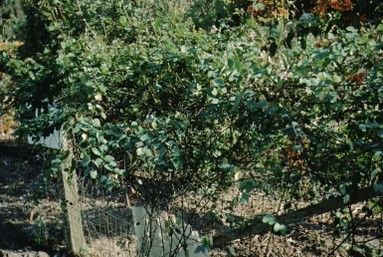
Credit: Edward F. Gilman, UF/IFAS
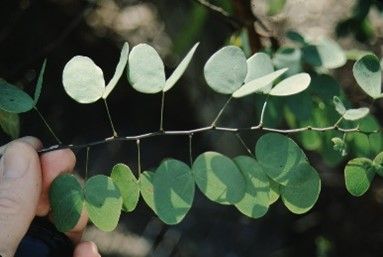
Credit: Edward F. Gilman, UF/IFAS
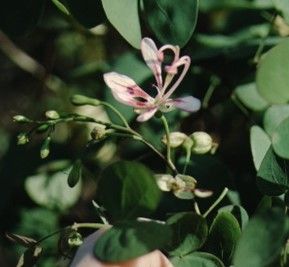
Credit: Edward F. Gilman, UF/IFAS
General Information
Scientific name: Bauhinia punctata
Pronunciation: baw-HIN-ee-uh punk-TAY-tuh
Common name(s): Red bauhinia, nasturtium bauhinia
Family: Fabaceae
Plant type: shrub; vine
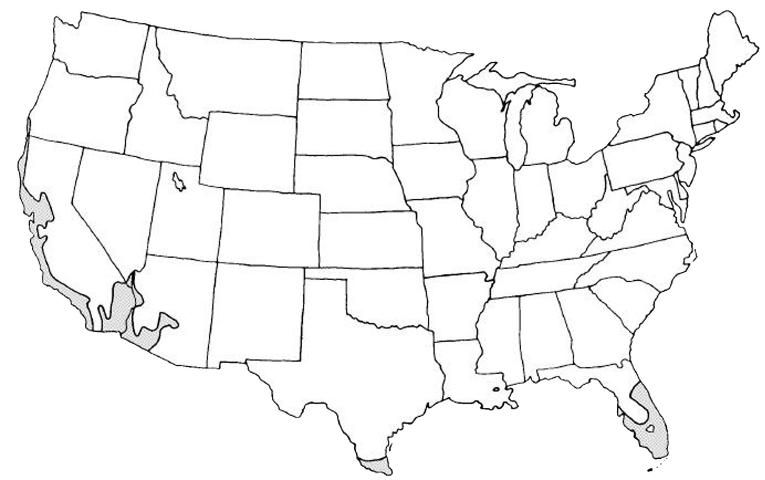
USDA hardiness zones: 9B through 11 (Figure 4)
Planting month for zone 9: year round
Planting month for zone 10 and 11: year round
Origin: not native to North America
Uses: specimen; espalier; hanging basket; border; ground cover
Availability: grown in small quantities by a small number of nurseries
Description
Height: depends upon supporting structure
Spread: 6 to 15 feet
Plant habit: spreading
Plant density: dense
Growth rate: moderate
Texture: medium
Foliage
Leaf arrangement: alternate
Leaf type: simple
Leaf margin: lobed
Leaf shape: oblong
Leaf venation: palmate
Leaf type and persistence: evergreen
Leaf blade length: 2 to 4 inches
Leaf color: green
Fall color: no fall color change
Fall characteristic: not showy
Flower
Flower color: red
Flower characteristic: spring flowering; summer flowering; fall flowering
Fruit
Fruit shape: pod or pod-like
Fruit length: 3 to 6 inches
Fruit cover: dry or hard
Fruit color: brown
Fruit characteristic: inconspicuous and not showy
Trunk and Branches
Trunk/bark/branches: typically multi-trunked or clumping stems; not particularly showy
Current year stem/twig color: brown
Current year stem/twig thickness: medium
Culture
Light requirement: plant grows in full sun
Soil tolerances: acidic; slightly alkaline; sand; loam; clay;
Drought tolerance: high
Soil salt tolerances: moderate
Plant spacing: 36 to 60 inches
Other
Roots: usually not a problem
Winter interest: no special winter interest
Outstanding plant: not particularly outstanding
Pest resistance: no serious pests are normally seen on the plant
Use and Management
Red bauhinia is nice in the landscape as an espalier, specimen, border, ground cover, and container plant. It climbs a fence nicely, producing most of the flowers near the top. It is a bit asymmetrical, perhaps even unkempt looking, making it best suited for the large-scale landscape planting.
Red bauhinia requires a location in the landscape in which it receives full sun and grows best on a well-drained, sandy loam soil. It often suffers from a deficiency of micronutrients in soil with a pH above 7. Preventive fertilizer applications help keep the foliage green. This plant requires little maintenance once it is established but may need early spring pruning or shaping for growth control.
Bauhinia is propagated by seeds or cuttings.
Pests and Diseases
Chewing insects may mar the foliage.