
Introduction
Spicewood is an upright shrub or small tree with a unique spicy fragrance that gives this plant its more popular common name. This member of the Myrtle family has small light green, glossy leaves that have a pink to red tinge when young. The flowers open when a small lid flips up from the floral cup. These mostly inconspicuous, spring and summer blooms are white to beige in color and have a pleasant fragrance. The fruits change from green to orange, red, yellow, and then black. The tree and the fruits are appealing to many species of birds; the smaller birds use the tree as cover.
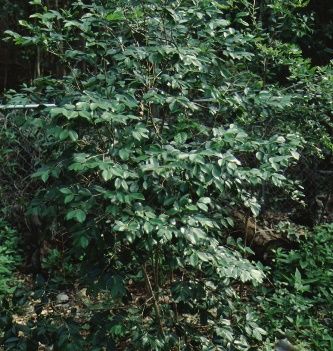
Credit: Edward F. Gilman, UF/IFAS
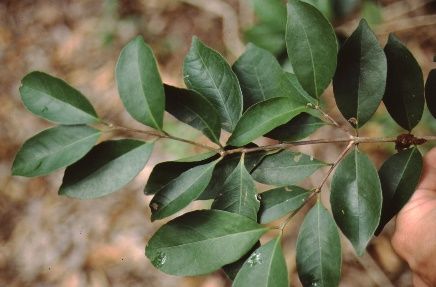
Credit: Edward F. Gilman, UF/IFAS
General Information
Scientific name: Calyptranthes pallens
Pronunciation: kal-lip-TRANTH-eez PAL-lenz
Common name(s): spicewood, pale lidflower
Family: Myrtaceae
Plant type: tree
USDA hardiness zones: 10B through 11 (Figure 3)
Planting month for zone 10 and 11: year round
Origin: native to Florida
Invasive potential: not known to be invasive
Uses: trained as a standard; screen; border; espalier; recommended for buffer strips around parking lots or for median strip plantings in the highway; superior hedge
Availability: somewhat available, may have to go out of the region to find the plant
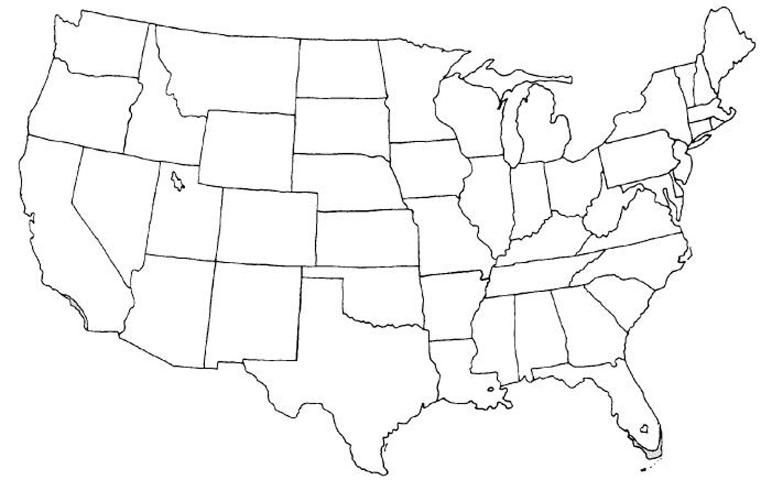
Credit: undefined
Description
Height: 10 to 15 feet
Spread: 6 to 10 feet
Plant habit: oval
Plant density: moderate
Growth rate: moderate
Texture: medium
Foliage
Leaf arrangement: opposite/subopposite
Leaf type: simple
Leaf margin: entire
Leaf shape: ovate
Leaf venation: pinnate
Leaf type and persistence: evergreen
Leaf blade length: 2 to 4 inches
Leaf color: green
Fall color: no fall color change
Fall characteristic: not showy
Flower
Flower color: white
Flower characteristic: inconspicuous and not showy; spring flowering; summer flowering; fall flowering
Fruit
Fruit shape: oval
Fruit length: unknown
Fruit cover: dry or hard
Fruit color: red; yellow; black
Fruit characteristic: attracts birds
Trunk and Branches
Trunk/bark/branches: not particularly showy; typically multi trunked or clumping stems
Current year stem/twig color: brown
Current year stem/twig thickness: thin
Culture
Light requirement: plant grows in part shade/part sun
Soil tolerances: occasionally wet; acidic; slightly alkaline; sand; loam; clay
Drought tolerance: moderate
Soil salt tolerances: unknown
Plant spacing: 36 to 60 inches
Other
Roots: usually not a problem
Winter interest: no special winter interest
Outstanding plant: not particularly outstanding
Pest resistance: long-term health usually not affected by pests
Use and Management
Spicewood may be used as a specimen or can be clipped into a hedge or maintained as a foundation plant. It can be trained into a small, multi-trunk tree.
Spicewood prefers a full sun to light shade location in the landscape. It is adaptable to many soils and is moderately drought tolerant. However, this plant grows best in moist to wet areas.
Pests and Diseases
No pests or diseases are of major concern.