
Introduction
The lacy juvenile leaves of false aralia are made up of 7 to 10 slender, jagged leaflets arranged like fingers of a hand. They are coppery in color when they unfold but then become a very dark grey-green. The mature foliage looks entirely different and is heavier with broader leaflets, giving a coarser silhouette. Both types of leaves can be present on the plant at the same time.
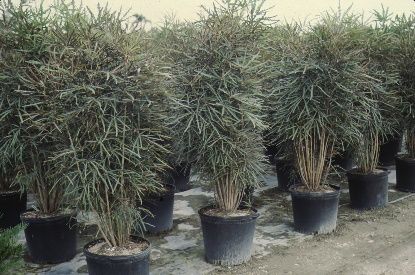
Credit: Edward F. Gilman, UF/IFAS
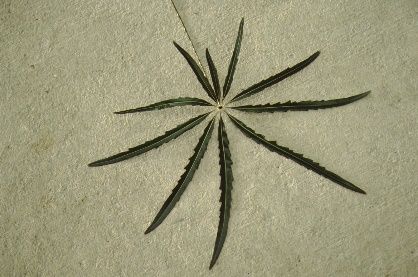
Credit: Edward F. Gilman, UF/IFAS
General Information
Scientific name: Dizygotheca elegantissima
Pronunciation: diz-zee-goe-THEEK-uh el-uh-gan-TISS-simuh
Common name(s): false aralia
Family: Araliaceae
Plant type: shrub; tree
USDA hardiness zones: 10B through 11 (Figure 3)
Planting month for zone 10 and 11: year round
Origin: not native to North America
Invasive potential: not known to be invasive
Uses: container or above-ground planter; near a deck or patio; suitable for growing indoors; accent
Availability: generally available in many areas within its hardiness range
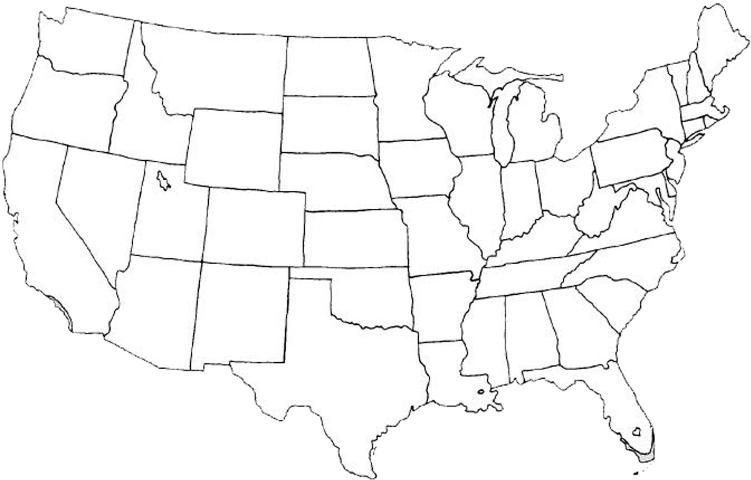
Credit:
Description
Height: 6 to 25 feet
Spread: 3 to 15 feet
Plant habit: upright
Plant density: open
Growth rate: moderate
Texture: fine
Foliage
Leaf arrangement: spiral
Leaf type: palmately compound
Leaf margin: lobed; serrate
Leaf shape: oblong
Leaf venation: none, or difficult to see
Leaf type and persistence: evergreen
Leaf blade length: 8 to 12 inches
Leaf color: purple or red
Fall color: no fall color change
Fall characteristic: not showy
Flower
Flower color: white
Flower characteristic: summer flowering
Fruit
Fruit shape: unknown
Fruit length: less than .5 inch
Fruit cover: fleshy
Fruit color: brown
Fruit characteristic: inconspicuous and not showy
Trunk and Branches
Trunk/bark/branches: showy; typically multi-trunked or clumping stems
Current year stem/twig color: green
Current year stem/twig thickness: thick
Culture
Light requirement: plant grows in part shade/part sun; plant grows in the shade
Soil tolerances: slightly alkaline; clay; sand; acidic; loam
Drought tolerance: high
Soil salt tolerances: poor
Plant spacing: not applicable
Other
Roots: usually not a problem
Winter interest: no special winter interest
Outstanding plant: not particularly outstanding
Invasive potential: not known to be invasive
Pest resistance: long-term health usually not affected by pests
Use and Management
False aralia provides a tropical look as a house plant indoors or in outdoor settings, whether in containers or at entranceways where its distinctive foliage casts interesting shadows on background walls. It can be pruned to develop into a small tree. Due to its upright, vertical habit, false aralia is best used as an accent or specimen plant.
This somewhat branched, small evergreen tree will tolerate bright light, performing best in light shade. False aralia needs fertile, well-drained soil and protection from strong winds to develop into a nice specimen.
Propagation is by air-layering, cuttings, or seed.
Pests and Diseases
Nematodes are a problem in the soil, while mites and scale can be serious leaf problems.
No diseases are of major concern.