
Introduction
Oakleaf hydrangea has 8 to 12inchlong leaves shaped like oak leaves. They are borne on stiff, upright, hairy stems which occasionally branch. A fuller shrub can be created by pinching the new growth or cutting back old growth. The plant grows in sun or shade and prefers a rich, moist soil. In the northern part of its range, the top usually dies back during the winter, and it needs shelter from high winds. Oakleaf hydrangea transplants easily and has a very coarse texture and good red fall color. This sprawling, slow-growing shrub reaches 6 to 10 feet tall and spreads three to five feet. The flowers, produced in mid-summer in panicles, are at first white, then fade to pink and then tan. If you wish to prune this hydrangea to create a dense shrub, do so after it flowers so you can enjoy the spectacular flower display.
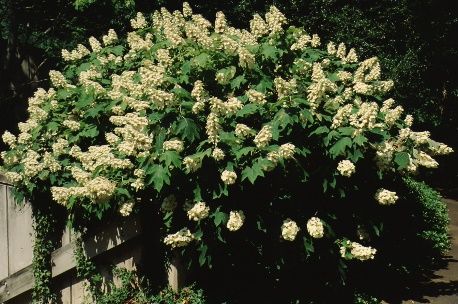
Credit: Edward F. Gilman, UF/IFAS
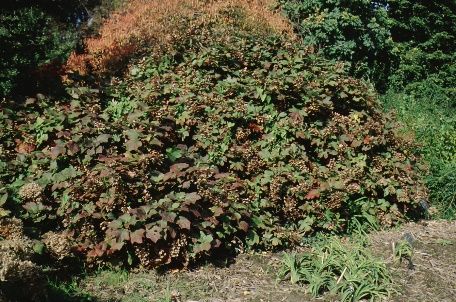
Credit: Edward F. Gilman, UF/IFAS
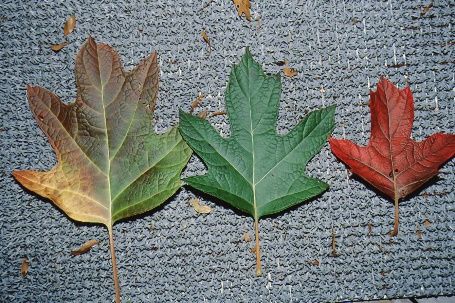
Credit: Edward F. Gilman, UF/IFAS
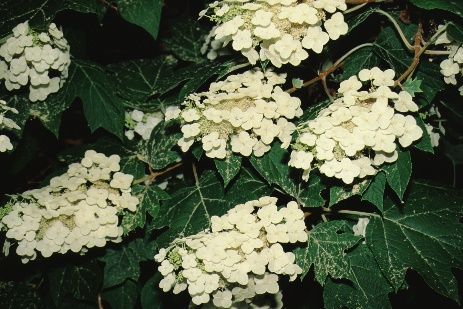
Credit: Edward F. Gilman, UF/IFAS
General information
Scientific name: Hydrangea quercifolia
Pronunciation: hye-DRAN-jee-uh kwur-sif-FOLE-ee-uh
Common name(s): oakleaf hydrangea, graybeard
Family: Hydrangeaceae
Plant type: shrub
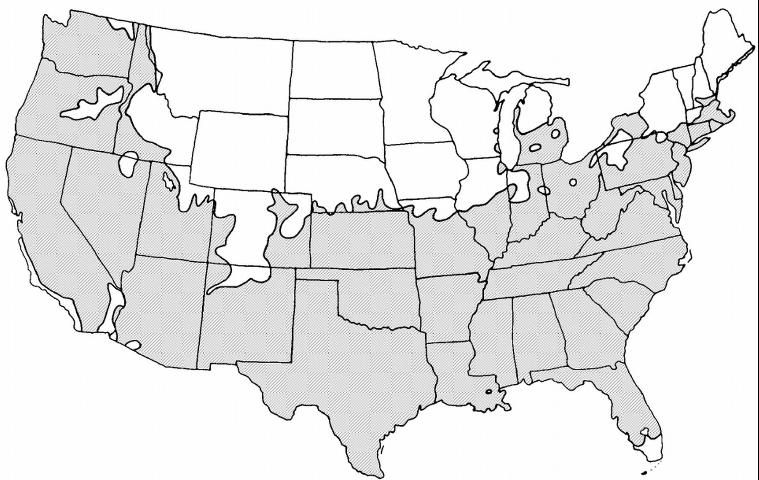
USDA hardiness zones: 5B through 9 (Figure 5)
Planting month for zone 7: year round
Planting month for zone 8: year round
Planting month for zone 9: year round
Origin: native to Florida
Invasive potential: not known to be invasive
Uses: mass planting; specimen; screen; accent
Availability: generally available in many areas within its hardiness range
Credit:
Description
Height: 6 to 10 feet
Spread: 6 to 8 feet
Plant habit: upright; round
Plant density: moderate
Growth rate: fast
Texture: coarse
Foliage
Leaf arrangement: opposite/subopposite
Leaf type: simple
Leaf margin: ciliate; serrate
Leaf shape: ovate
Leaf venation: pinnate
Leaf type and persistence: deciduous
Leaf blade length: 8 to 12 inches
Leaf color: green
Fall color: purple
Fall characteristic: showy
Flower
Flower color: pink
Flower characteristic: summer flowering; spring flowering
Fruit
Fruit shape: oval
Fruit length: less than 0.5 inch
Fruit cover: dry or hard
Fruit color: brown
Fruit characteristic: persists on the plant
Trunk and Branches
Trunk/bark/branches: not particularly showy; typically multi-trunked or clumping stems
Current year stem/twig color: brown
Current year stem/twig thickness: thick
Culture
Light requirement: plant grows in full sun
Soil tolerances: occasionally wet; clay; sand; acidic; slightly alkaline; loam
Drought tolerance: moderate
Soil salt tolerances: poor
Plant spacing: 36 to 60 inches
Other
Roots: sprouts from roots or lower trunk
Winter interest: plant has winter interest due to unusual form, nice persistent fruits, showy winter trunk, or winter flowers
Outstanding plant: plant has outstanding ornamental features and could be planted more
Pest resistance: no serious pests are normally seen on the plant
Use and Management
Because of their size, most residential landscapes only need one or two of these plants. Especially attractive at the edge of woods or other natural settings, oakleaf hydrangea likes fertile, acid, well-drained soil, and requires no attention once it becomes established. It makes a nice accent in a shrub border or growing out of a ground cover.
Available cultivars include 'Snow Queen', large, pure white blooms maturing to pink; 'Snow Flake', large double flowers; and 'Harmony' with 12inchlong, heavy white flower clusters.
Propagation is by seed, cuttings, or separation of the suckers which develop at the base of the plant.
Pest and Diseases
No pests or diseases are of major concern.