
Introduction
Horsemint is a 12 to 18 inch tall, upright, herbaceous perennial that has long been used by Native Americans to make a “sweating tea.” The branched stems of this plant bear opposite, lanceolate to oblong leaves that are 3 inches in length. These light green leaves have serrated to nearly entire margins. Horsemint produces fragrant, beautiful pink flowers which are held above the foliage in the summer and fall. It is native to moist, coastal upland sites in Florida.
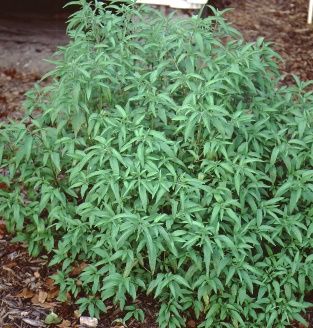
Credit: Edward F. Gilman, UF/IFAS
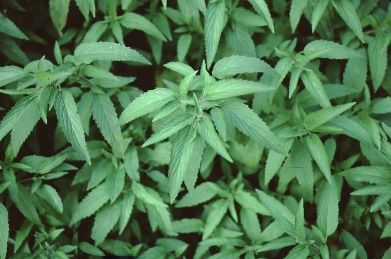
Credit: Edward F. Gilman, UF/IFAS
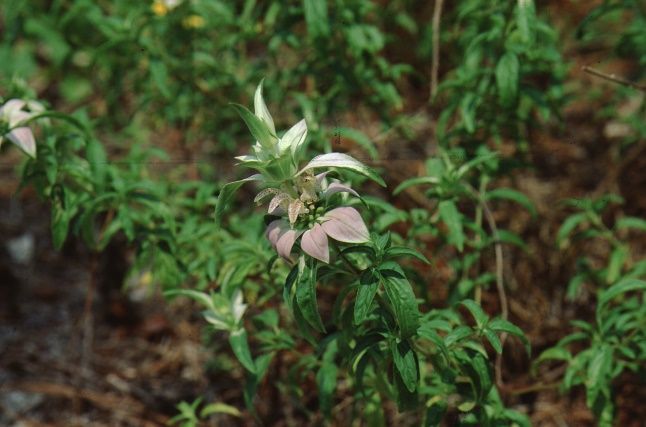
Credit: Edward F. Gilman, UF/IFAS
General Information
Scientific name: Monarda punctata
Pronunciation: moe-NAR-duh punk-TAY-tuh
Common name(s): bee balm, horsemint, monarda, spotted beebalm
Family: Lamiaceae
Plant type: perennial; herbaceous
USDA hardiness zones: 4 through 9 (Figure 4)
Planting month for zone 7: year round
Planting month for zone 8: year round
Planting month for zone 9: year round
Origin: native to Florida
Invasive potential: not known to be invasive
Uses: ground cover; edging
Availability: somewhat available, may have to go out of the region to find the plant
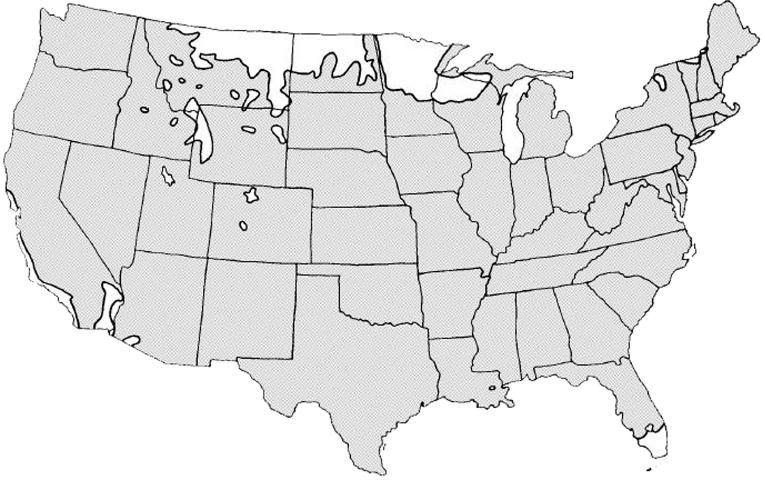
Credit:
Description
Height: 1 to 3 feet
Spread: 2 to 4 feet
Plant habit: spreading
Plant density: dense
Growth rate: fast
Texture: medium
Foliage
Leaf arrangement: opposite/subopposite
Leaf type: simple
Leaf margin: entire
Leaf shape: lanceolate; ovate
Leaf venation: pinnate
Leaf type and persistence: deciduous
Leaf blade length: 4 to 8 inches
Leaf color: green
Fall color: no fall color change
Fall characteristic: not showy
Flower
Flower color: pink
Flower characteristic: summer flowering
Fruit
Fruit shape: unknown
Fruit length: unknown
Fruit cover: unknown
Fruit color: unknown
Fruit characteristic: inconspicuous and not showy
Trunk and Branches
Trunk/bark/branches: not applicable
Current year stem/twig color: green
Current year stem/twig thickness: thin
Culture
Light requirement: plant grows in part shade/part sun
Soil tolerances: acidic; slightly alkaline; sand; loam; clay
Drought tolerance: moderate
Soil salt tolerances: unknown
Plant spacing: 24 to 36 inches
Other
Roots: not applicable
Winter interest: no special winter interest
Outstanding plant: not particularly outstanding
Pest resistance: long-term health usually not affected by pests
Use and Management
This herbaceous perennial may be used in the landscape as a summer ground cover in a small garden. It also presents a nice, massed display in a perennial border.
Horsemint should be grown in full sun on a well-drained sandy soil with some moisture retentive capability. Provide occasional irrigation in drought if soil drains excessively. It is tolerant to some drought and is generally unscathed by freezing temperatures in Florida. Monarda didyma is sometimes grown in Florida but does not tolerate hot/humid conditions well. There are many other bee balms native to North and Central America.
Propagate Monarda punctata by division or from seed.
Pests and Diseases
The plant is tolerant of pests and diseases.