
Introduction
Profuse, pink springtime blooms are so plentiful and large that they completely hide the foliage, making 'George Taber' azalea a favorite landscape shrub in the south. This large, spreading evergreen azalea is most impressive when used in mass plantings but makes an attractive specimen planting as well. Plant in mass on 4 to 6 foot centers.
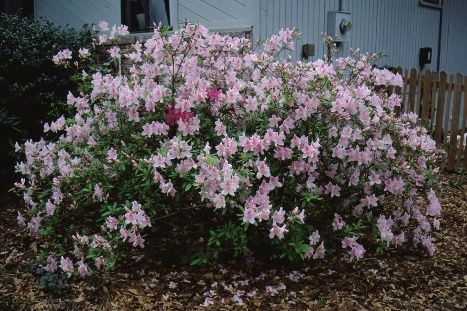
Credit: Edward F. Gilman, UF/IFAS
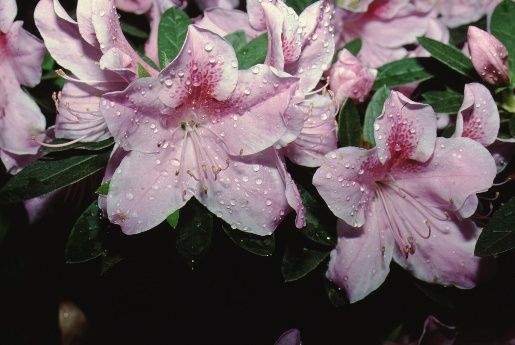
Credit: Edward F. Gilman, UF/IFAS
General Information
Scientific name: Rhododendron x 'George Tabor'
Pronunciation: roe-duh-DEN-drun
Common name(s): 'George Taber' azalea
Family: Ericaceae
Plant type: shrub
USDA hardiness zones: 8 through 10 (Figure 3)
Planting month for zone 8: year-round
Planting month for zone 9: year-round
Planting month for zone 10: year-round
Origin: not native to North America
Invasive potential: not known to be invasive
Uses: mass planting; specimen; attracts butterflies; cut flowers; foundation
Availability: generally available in many areas within its hardiness range
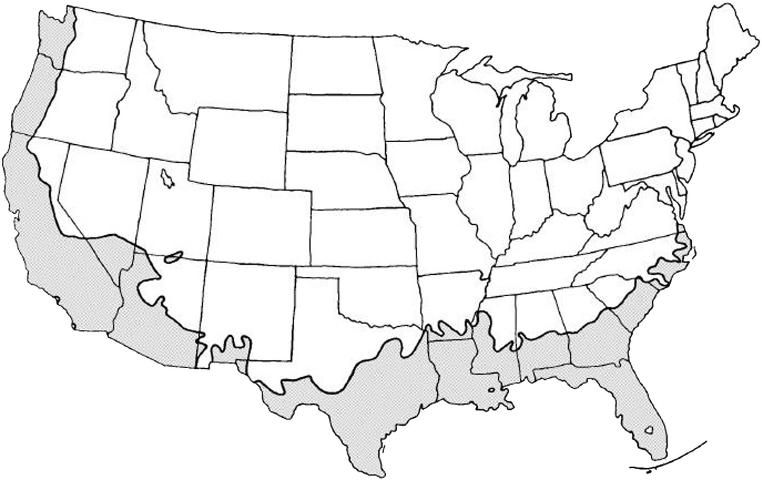
Credit:
Description
Height: 10 to 12 feet
Spread: 8 to 10 feet
Plant habit: round
Plant density: moderate
Growth rate: slow
Texture: medium
Foliage
Leaf arrangement: alternate
Leaf type: simple
Leaf margin: entire
Leaf shape: ovate
Leaf venation: pinnate
Leaf type and persistence: evergreen
Leaf blade length: 2 to 4 inches
Leaf color: green
Fall color: no fall color change
Fall characteristic: not showy
Flower
Flower color: pink
Flower characteristic: spring flowering; winter flowering
Fruit
Fruit shape: elongated
Fruit length: 0.5 to 1 inch
Fruit cover: dry or hard
Fruit color: brown
Fruit characteristic: inconspicuous and not showy
Trunk and Branches
Trunk/bark/branches: not particularly showy; typically multi-trunked or clumping stems.