
Introduction
Sedum x 'Autumn Joy' is probably a cross between telephium and spectabilis. It has been deemed by some to be one of the best perennials available to the gardener. This 1.5 to 3 foot tall, clumping plant has fleshy, gray-green leaves that are oblong to ovate-oblong in shape. These toothed leaves reach a length of 2 to 3 inches, with a width that is half as wide. Dense clusters of pink terminal flowers emerge in late summer. These pink flowers will age to a coppery pink and then to a rust color in the fall.
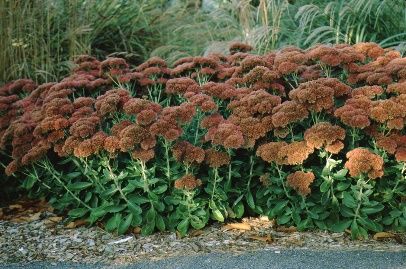
Credit: Edward F. Gilman, UF/IFAS
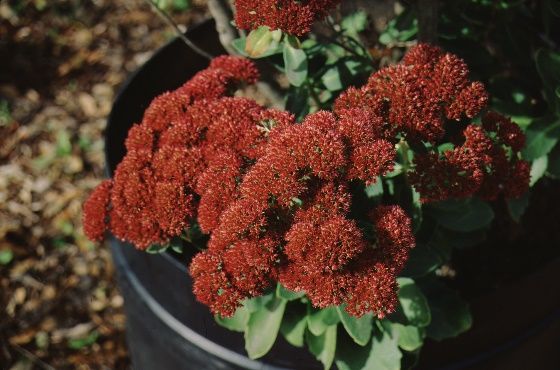
Credit: Edward F. Gilman, UF/IFAS
General Information
Scientific name: Sedum x 'Autumn Joy'
Pronunciation: SEE-dum
Common name(s): 'Autumn Joy' sedum
Family: Crassulaceae
Plant type: herbaceous
USDA hardiness zones: 5 through 9 (Figure 3)
Planting month for zone 7: year-round
Planting month for zone 8: year-round
Planting month for zone 9: year-round
Origin: not native to North America
Uses: cut flowers; accent; border; edging; mass planting; attracts butterflies
Availability: somewhat available, may have to go out of the region to find the plant
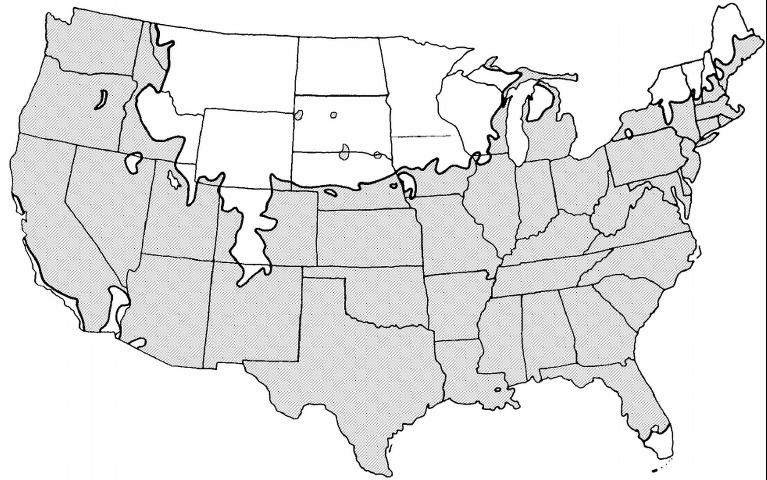
Credit:
Description
Height: 1 to 1.5 feet
Spread: 2 to 3 feet
Plant habit: round
Plant density: dense
Growth rate: moderate
Texture: medium
Foliage
Leaf arrangement: opposite/subopposite
Leaf type: simple
Leaf margin: dentate
Leaf shape: oblanceolate; obovate
Leaf venation: pinnate
Leaf type and persistence: deciduous
Leaf blade length: 2 to 4 inches
Leaf color: green
Fall color: no fall color change
Fall characteristic: not showy
Flower
Flower color: pink
Flower characteristic: summer flowering; fall flower
Fruit
Fruit shape: unknown
Fruit length: unknown
Fruit cover: unknown
Fruit color: unknown
Fruit characteristic: inconspicuous and not showy
Trunk and Branches
Trunk/bark/branches: typically multi-trunked or clumping stems
Current year stem/twig color: not applicable
Current year stem/twig thickness:
Culture
Light requirement: plant grows in full sun
Soil tolerances: acidic; slightly alkaline; sand; loam; clay
Drought tolerance: high
Soil salt tolerances: unknown
Plant spacing: 12 to 18 inches
Other
Roots: not applicable
Winter interest: no special winter interest
Outstanding plant: plant has outstanding ornamental features and could be planted more
Pest resistance: long-term health usually not affected by pests
Use and Management
They attract bees and butterflies when planted in the garden and are also great for dried flower arrangements. Sedum x 'Autumn Joy' presents a nice, massed display and is good in rock gardens. It can be used to border a path or walkway.
Sedum x 'Autumn Joy' will grow best in full sun and in any soil that is well-drained. It will tolerate drought and salt. This perennial will be frozen to the ground in the winter, but regrowth should occur from the roots. It does not spread in the garden or invade surrounding landscapes.
There are many sedum species adapted to southern landscapes. Another one of interest is sedum acre (golden carpet or gold moss).
This perennial is propagated by division or cuttings.
Pests and Diseases
No pests or diseases are of major concern.