
What's the Big Deal about Beans?
Beans, one of the most wholesome foods in nature, provide a wide range of health benefits—they come packed with protein, fiber, potassium, and vitamins.(1) Naturally low in fat, they contain no cholesterol and are very low in saturated fat. Beans rich in color are also high in antioxidants.
Shopping for Beans
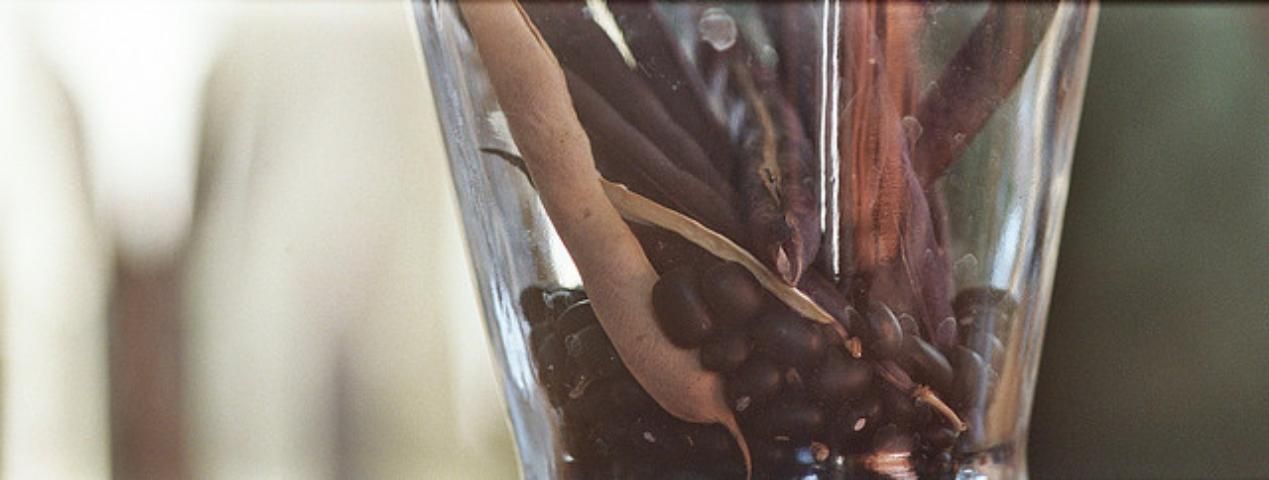
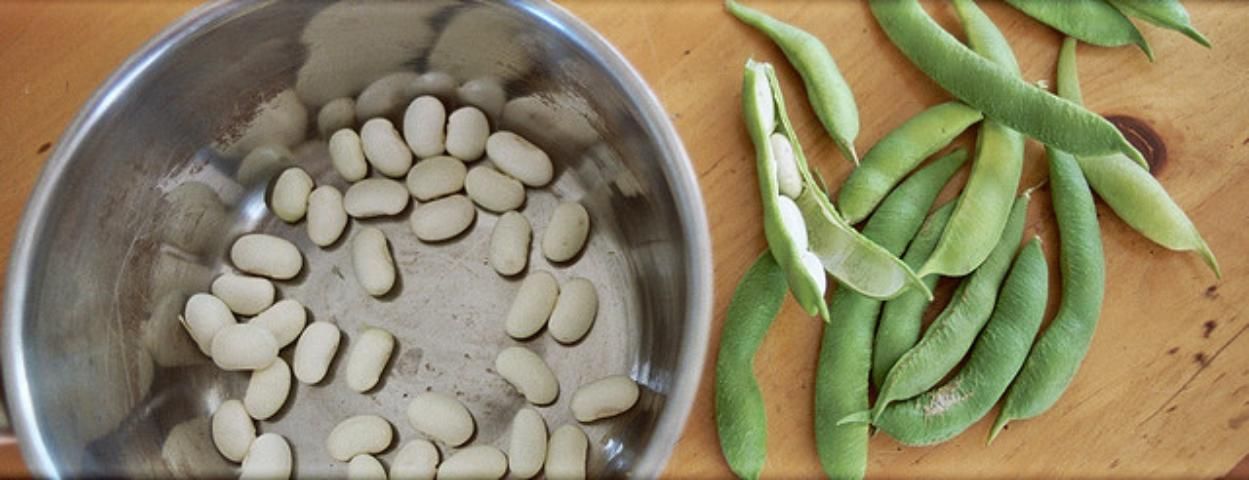
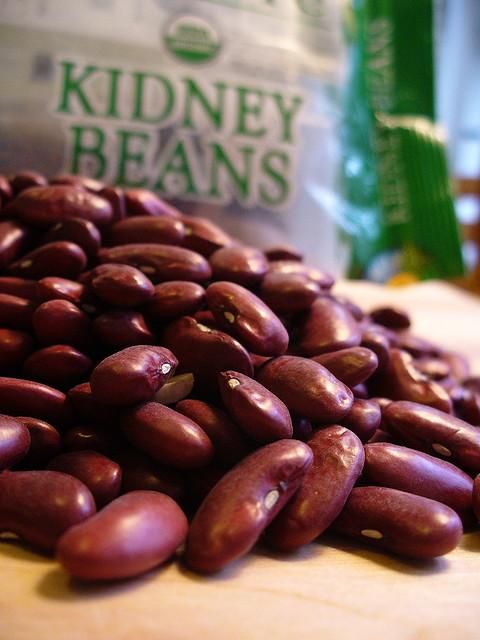
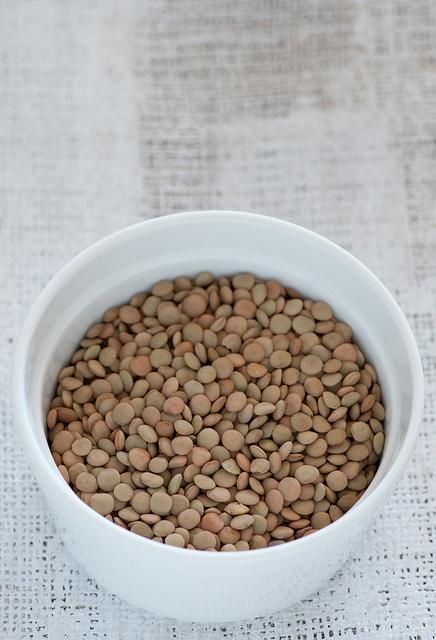
Beans, peas, and lentils are also called legumes or pulses. A wide variety of pulses is found all over the world, each with a unique color, shape, and flavor. Some commonly consumed beans, peas, and lentils are featured throughout this publication.
Credit: Sarah Gilbert, used here under Creative Commons license CC BY-NC-SA 2.0. Source: http://flic.kr/p/7j27P4.
Credit: Sarah Gilbert, used here under Creative Commons license CC BY-NC-SA 2.0. Source: http://flic.kr/p/7kTEAc
Beans, peas, and lentils may be available fresh, frozen, or, more commonly, dried or canned.
Credit: mtsn, used here under Creative Commons license CC BY-NC 2.0. Source: http://flic.kr/p/q5c89
Credit: Jules Clancy / StoneSoup, used here under Creative Commons license CC BY 2.0. Source: http://flic.kr/p/8Cvxiw
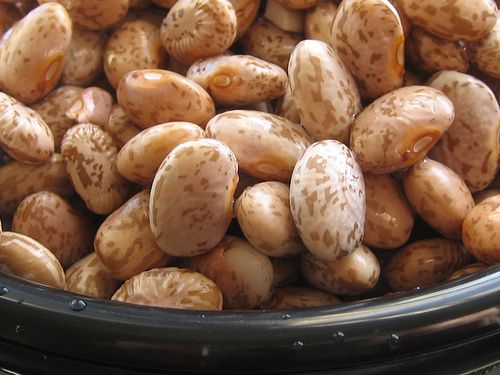
Credit: nemka, used here under Creative Commons license CC BY-NC-SA 2.0. Source: http://flic.kr/p/7zqgDD
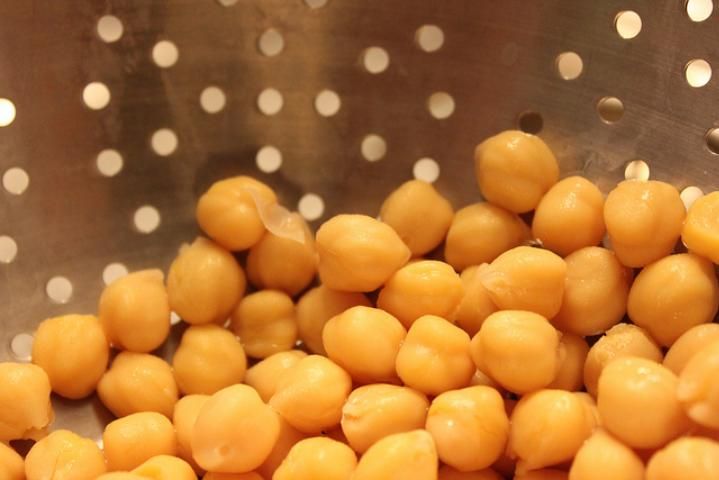
Credit: Judith Doyle, used here under Creative Commons license CC BY-ND 2.0. Source: http://flic.kr/p/7RXtSC
Dried Beans
When shopping for dried beans, you should look for beans that are bright in color and uniform in size. Do not purchase packages with cracked or broken beans, as they might have been damaged by insects.
Canned Varieties
Various types of beans come in a canned form, including red kidney beans, white kidney beans, pinto beans, black beans, and garbanzo beans/chickpeas. When choosing canned beans, those labeled "low sodium" or "no added salt" are the healthiest choices. For more information on reduced-sodium foods, see Shopping for Health: Sodium (EDIS #FSHN10-06) at https://edis.ifas.ufl.edu/fs154.
Beans and Nutrition
When deciding what type of beans to buy, consider nutritional content. Most beans have similar base nutritional values, high in protein and fiber. Table 1 lists some common beans and their protein, fiber, and calorie contents.(2)
Meals with Beans
Beans can be used in a variety of ways, from salad toppings to main course dishes. Table 2 lists some good ways to incorporate canned beans into different dishes. Beans can also be incorporated into desserts, snacks, and convenience foods. For example, canned kidney beans can be mashed and added to canned pasta and tomato sauce or even used to extend ground beef in burgers and meatloaf. "Low sodium" or "no added salt" canned beans work very well in cake and cookie recipes. See what follows for some great recipes!
Black-Bean Brownies
1 box brownie mix (plus additional required ingredients listed on the box)
1 can (15 ounce) black beans, no salt added, drained and rinsed
Mash black beans with a fork until very smooth. Prepare brownie mix, following directions on the box, and stir in mashed beans as the last ingredient. Bake brownies according to box instructions. Enjoy!
Birthday Cupcakes
1 box vanilla cake mix (plus additional required ingredients listed on box)
1 (15 ounce) can cannellini beans, no salt added
Mash beans in a separate bowl with a fork until smooth. Prepare cake mix, following directions on the box, adding beans with other required ingredients. Mix well. Bake according to directions. Frost with choice of frosting.
Creamy Black-Bean Dip
1 container (16 ounce) fat-free cream cheese
1 can (15 ounce) reduced-sodium black beans, drained and rinsed
3 Tbsp fresh cilantro
2 Tbsp chopped tomato (optional)
¾ cup cheddar cheese, shredded
Salt and pepper to taste
Mash half the can of beans with a fork. Mix mashed beans with the cream cheese and cilantro until smooth. Gently stir in the rest of the beans. Before serving, sprinkle cheese and chopped tomato on top. Serve with tortilla chips or crackers.
Learn More
The UF/IFAS Extension Family and Consumer Sciences (FCS) agent at your local UF/IFAS Extension office may have more information. In Florida, visit https://sfyl.ifas.ufl.edu/find-your-local-office/ to find your local UF/IFAS Extension office.
More bean recipes can be found at:
https://pulses.org/us/pulse-recipes/
Reliable nutrition information may be found at the following sites:
End Notes
(1) US Department of Agriculture. Beans and peas are unique foods. 12 Dec 2022. https://www.myplate.gov/eat-healthy/protein-foods/beans-and-peas
(2) US Department of Agriculture, Agricultural Research Service, FoodData Central. Version Current: 2019. https://fdc.nal.usda.gov