
Jennifer Hillan and Amarat Simonne2
Ready-to-eat fresh foods can help you save time preparing meals. But some of these foods present a high risk for foodborne illness. Here are some tips for keeping ready-to-eat foods safe.
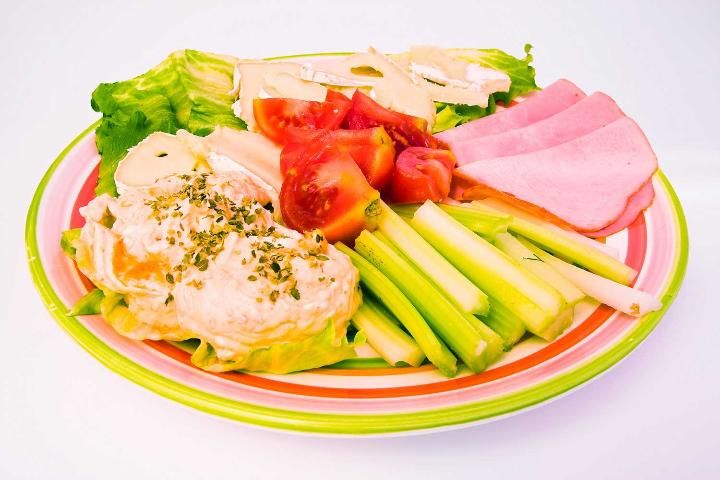
Packaged well
Clean
Stored at the right temperature – either refrigerated or heated
Kept at the right temperature – either refrigerated or heated
Eaten as soon as possible
Dated when you open it
Thrown out three days after you open it
These ready-to-eat foods have a high risk of causing foodborne illness:
Soft cheeses such as brie, feta, ricotta, blue-veined, and Mexican-style soft cheeses such as queso fresco (unless it is made with pasteurized milk)
Raw, unpasteurized milk
Soft-serve ice cream
Hot dogs, luncheon meats, cold cuts – unless they have been reheated to steaming temperatures
Pâtés/meat spreads – unless canned
Precooked chicken
Refrigerated smoked seafood products – unless reheated to steaming temperatures
Deli-type salads (such as coleslaw)
Pre-packed raw vegetables and mixed raw vegetable salad
Pre-cut fresh fruits and fruit salads
La versión en español de este documento es Seguridad Alimentaria: Alimentos Listos para Comer (FCS8910-Span). This document is FCS8910, one of a series of the Department of Family, Youth and Community Sciences, Florida Cooperative Extension Service, Institute of Food and Agricultural Sciences, University of Florida. First published: May 2010. Reviewed March 2013. Visit the EDIS website at http://edis.ifas.ufl.edu.
Jennifer Hillan, MSH, RD, LD/N, former ENAFS nutrition educator; Amarat Simonne, PhD, associate professor; Department of Family, Youth and Community Sciences; Institute of Food and Agricultural Sciences; University of Florida; Gainesville, FL 32611.
The Institute of Food and Agricultural Sciences (IFAS) is an Equal
Opportunity Institution authorized to provide research, educational
information and other services only to individuals and institutions
that function with non-discrimination with respect to race, creed,
color, religion, age, disability, sex, sexual orientation, marital
status, national origin, political opinions or affiliations.
For more information on obtaining other extension publications,
contact your county Cooperative Extension service.
U.S. Department of Agriculture, Cooperative Extension Service,
University of Florida, IFAS, Florida A. & M. University Cooperative
Extension Program, and Boards of County Commissioners Cooperating. Nick T. Place,
Dean.