
Why do we need calcium?
Calcium is the major mineral found in our bones and teeth. Along with phosphorus and other nutrients, calcium builds the hard structure that makes bones and teeth strong. We also need calcium for proper muscle and nerve function, blood clotting, and other body processes. These functions are so critical that calcium is taken from the bones to maintain blood calcium if dietary calcium is inadequate.
What happens if we do not get enough calcium?
We need calcium all through our lives to support our bones and teeth, and other body functions. We build most of the structure of our bones before we reach 30 years of age. If we do not get enough calcium to make bones strong when we are young, we will be at risk for osteoporosis as we get older.
Osteoporosis is a condition in which bones are porous and weak. People with osteoporosis have a high risk of bone fractures. Hip fractures often result in loss of independence, so keeping bones strong is an important health goal.
How do I know if I am at risk for osteoporosis?
You may be at a higher risk for osteoporosis if you:
- are white or Asian;
- are small-boned and thin;
- have a family history of osteoporosis;
- are a post-menopausal woman and do not take estrogen; or
- take certain medications; ask a pharmacist for more information.
How much calcium do we need?
The following table lists recommended daily intakes of calcium:
How can we get enough calcium?
For many Americans, dairy foods are the main source of dietary calcium. Low-fat (1%) and fat-free dairy foods are recommended to limit the intake of saturated fat. Lactose-free milk and yogurt can be helpful for people who have trouble digesting lactose (the sugar in milk). People with lactose intolerance often can drink small amounts of milk with no ill effects. Since hard cheese contains no lactose, it can be eaten by people with lactose intolerance as well.

Credit: LotusHead, http://bit.ly/AxQAgr
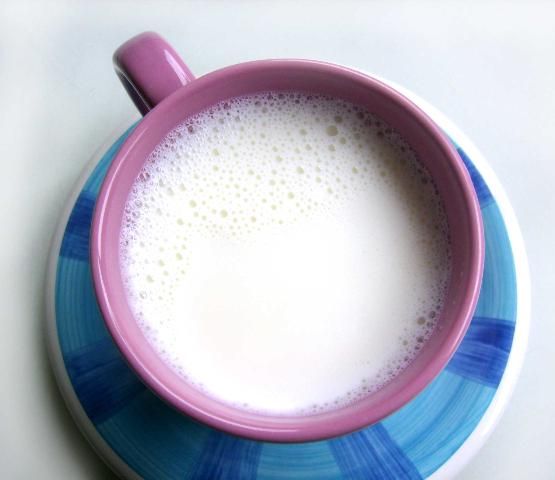
Credit: Carla Peroni, http://bit.ly/uwgzT
People who do not eat dairy foods may have a hard time getting the calcium they need. Non-dairy food sources of calcium include calcium-fortified soy beverages, orange juice, and grains. Deep green leafy vegetables like kale, collards, and broccoli, and some types of tofu are also sources of calcium. Here are some foods and the amount of calcium they contain:
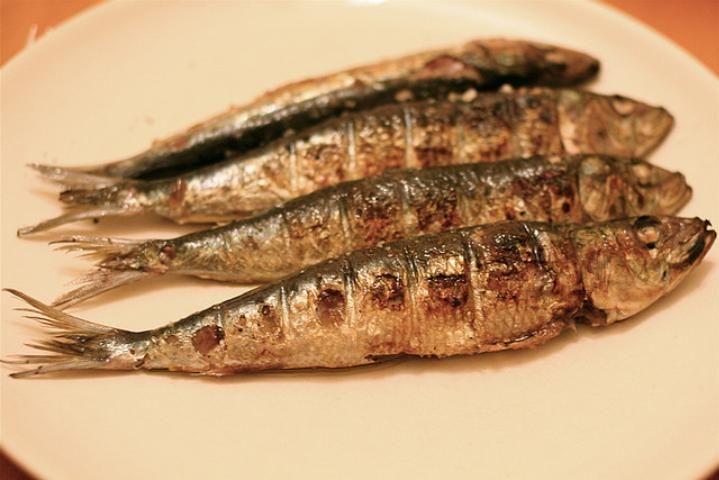
Credit: InPraiseofSardines, CC 2.0 http://bit.ly/AtqvDD
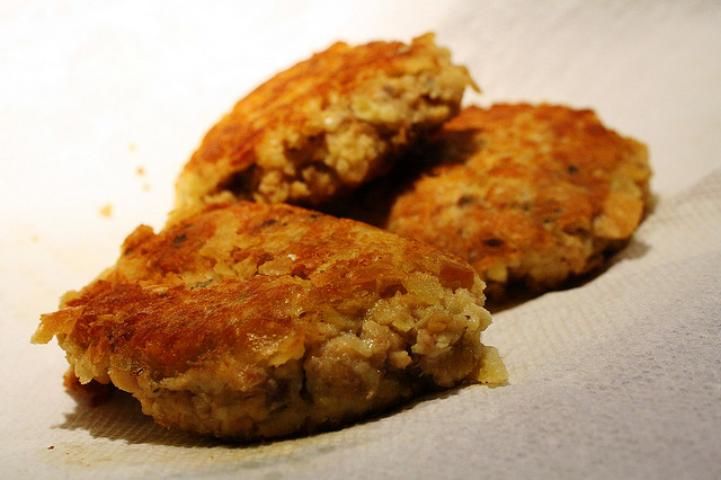
Credit: jypsygen, CC 2.0 http://bit.ly/wW9lBB
What about supplements?
People at risk for osteoporosis may need calcium supplements as part of their preventive care. If you are concerned about your bone health, speak to your doctor about your need for calcium. If you take a calcium supplement, it is better to take small amounts with meals rather than all at once. If you use a supplement, do not get more than 2,500 mg of calcium per day from food and supplements together. This is the upper limit for people 19–50 years; those over age 50 should not get more than 2,000 mg of total daily calcium (Institute of Medicine, 2011).
It is recommended that we take calcium supplements that contain vitamin D, which is needed to absorb calcium. Do not take more than the recommended dosage on the bottle unless your doctor advises you to do so.
Where can I get more information?
The Family and Consumer Sciences (FCS) agent at your local UF/IFAS Extension office may have written information and nutrition classes for you to attend. Also, your doctor or a registered dietitian (RD) can provide reliable information to you.
Reliable nutrition information may also be found on the Internet at the following sites:
http://www.niams.nih.gov/health_info/bone/default.asp
http://www.niams.nih.gov/health_info/bone/default.asp
For more information about vitamin D, see the UF/IFAS Extension publication Facts about Vitamin D at https://edis.ifas.ufl.edu/fy207.
For more information about osteoporosis, see the UF/IFAS Extension publication Prevent Osteoporosis: Catch the Silent Thief at https://edis.ifas.ufl.edu/fy469.
References
Hansen, M. A. 1994. “Assessment of Age and Risk Factors on Bone Density and Bone Turnover in Healthy Premenopausal Women.” Osteoporosis International 4 (3): 123–28. https://doi.org/10.1007/BF01623056
Institute of Medicine: Committee to Review Dietary Reference Intakes for Vitamin D and Calcium. 2011. “Dietary Reference Intakes for Calcium and Vitamin D.” Washington (DC). https://www.ncbi.nlm.nih.gov/books/NBK56070/
U.S. Department of Agriculture and U.S. Agricultural Research Service. n.d. “FoodData Central.” n.d. https://fdc.nal.usda.gov/index.html