
Introduction
This guide is intended for those interested in maintenance and display of insects and other arthropods for educational purposes in Florida. It can be used in conjunction with other entomology curricula and is relevant and accessible to all age groups, although the amount of teacher involvement will vary accordingly. Few illustrations are more effective for the entomology classroom than live insect displays, and this document details the entire process of maintaining such displays.
Legal Considerations: Non-Native Arthropods
Florida Statute 581.083 regulates the importation or possession of exotic invertebrates in Florida. In practice, this means that importation or possession of exotic insects is regulated by the Florida Department of Agriculture and Consumer Services. As such, many large showy insects (such as Hissing Cockroaches) that are suitable for live classroom display are not legally available in Florida. This is no barrier, however, to the capture and display of native insects and spiders. Florida has a rich insect fauna that can be found through much of the year, making it easy to collect interesting insects for display. Species of conservation concern may be protected by law. For more information see Rare and Endangered Biota of Florida Vol. IV. Invertebrates by M. Deyrup, R. Franz.
General Care
Proper care of captive insects and other arthropods is essential to maintain their health and appearance as well as demonstrate to children the proper care of these specimens. Unfortunately, many species lack proper husbandry resources because those species have never been reared in captivity. The best advice is to infer an insect's appropriate living condition from its natural situation. Was the insect found associated with a particular plant? Is it active in the day or the night? Is the family known to have predatory members or are they herbivores? Are they known to produce secretions that can irritate the skin? There are many insects and spiders in Florida, so it may be best to take a picture and send it to the Insect Identification Lab in the Entomology and Nematology Department at the University of Florida for identification. Knowing the species will help in taking care of the organism.
Climbing insects such as mantids, walkingsticks, and grasshoppers do well in vertically-oriented cages with some vegetation or sticks to climb on. Ground dwelling insects appreciate a substrate where they can dig, as well as have some hiding places fashioned from cardboard, leaves, or bark.
Food and Water
If commercial foodstuffs are provided to captive insects, a few general considerations are worth mentioning. First, food should be maintained in a fresh state unless the species is one that prefers rotting food. Uneaten food should be removed regularly. If fruits or vegetables are provided, try to use organically-grown or pesticide-free. Needless to say, pesticides can be dangerous for captive invertebrates. Water should be provided in such a manner that your insects are not able to drown in it. Water provided in a dish filled with marbles or soaked on a cotton wick is good for this purpose. Some insects appreciate droplets of water sprayed on leaves, which simulates dew.
Displaying Insects
Insects can be displayed in plastic terraria, jars, glass aquariums, and other such containers. Dangerous or chemically-defended species should be displayed in containers that are break-proof and difficult for children to open. If displaying such species, ensure that children are supervised at all times. One may think that bringing children into contact with creatures such as widow spiders is not advisable; however, if proper precautions are taken, such encounters can show kids what species they should avoid in nature. On the other hand, be aware that children often return home and try to capture insects/spiders they have seen displayed. As such, it is important to teach children where the dangers lie in this practice and provide them safer alternatives instead.
Many children like to handle insects and other creatures, and this experience can be the highlight of any presentation. Suitable insects for handling purposes can be found in Florida, especially Ox beetles, scarabs, click beetles, buprestids, weevils, and mantids. Lubber grasshoppers are extremely large, impressive insects and can be handled gently. However, they are capable of producing an irritating secretion when disturbed. Please bear this in mind when using insects with younger children.
Be sure to provide some interesting background information about the species you wish to display, such as life history, economic importance, behavior, conservation status, and habitat. Doing so with native species will go a long way towards stimulating and sustaining interest in insects and the natural word in general.
Species Accounts
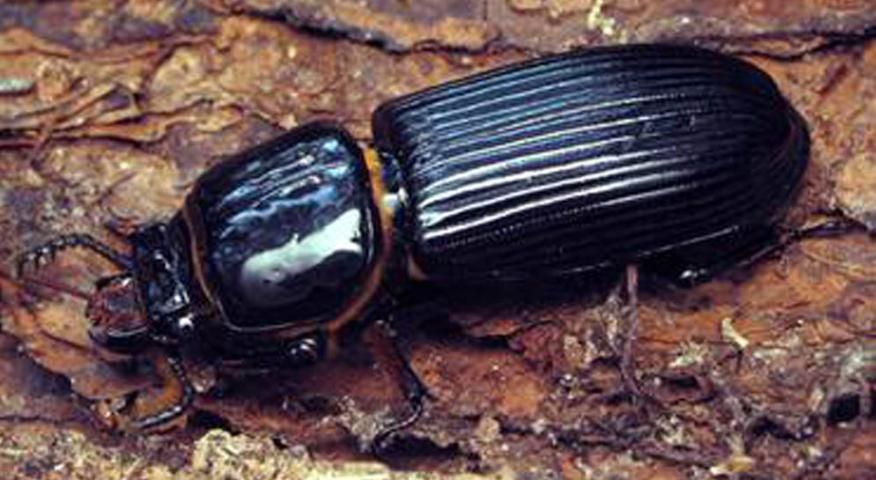
Horned Passalid, Odontotaenius disjunctus
Easily collected from beneath rotting oak logs, these impressive beetles (Figure 1) should be maintained in the same rotted oak medium where they are found. Diet can be supplemented with fruits and vegetables. Transport the beetles in a smaller cage with less rotting wood for easier display. These beetles have large mandibles and should be handled with care.
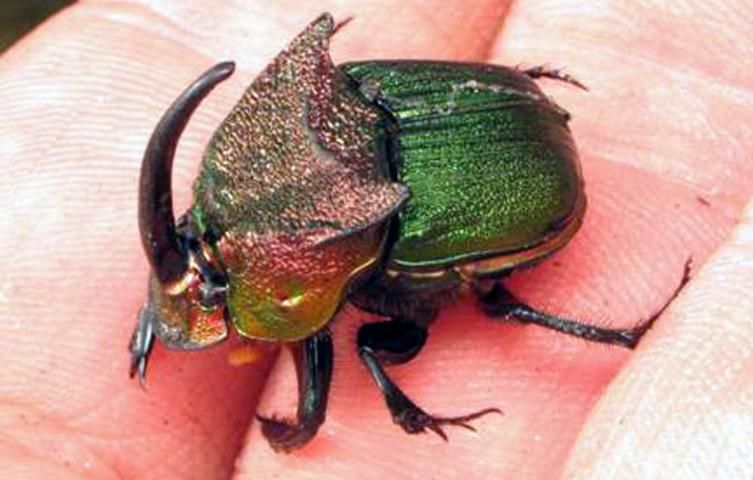
Rainbow Scarab, Phanaeus vindex
Impressive in coloration (Figure 2), this beetle is easily collected near dung as it prepares its nest. This beetle will readily fly, so it is suitable only for caged display. Adults may be fed on fresh fruits such as banana. Males are recognized by a long horn on the head. The shape of the female's pronotum lends itself to forming dung balls and digging, while the male's is suited to territorial combat.
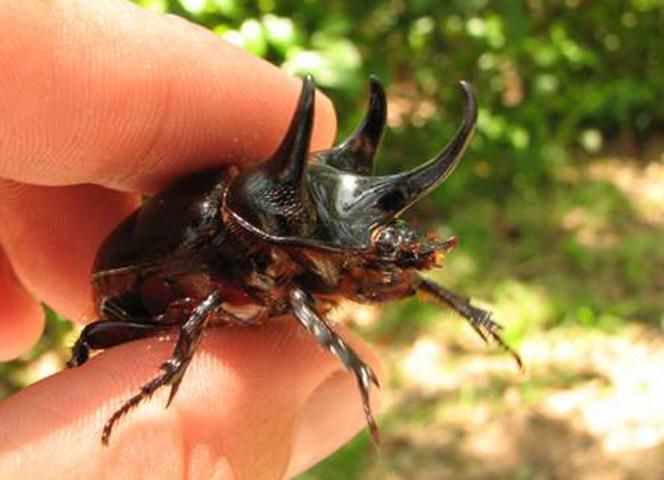
Ox Beetles, Strategus antaeus
These large scarabs make great displays, and can be handled easily. They should be maintained in a woodland vivarium (an enclosed container that simulates a woodland environment) and fed fruits as adults. Males of Strategus antaeus (Figure 3) have three elongate horns on the pronotum, used for territorial combat with other males. They may be found in wooded areas with sandy soils. Adults may be fed soft fruits and leaves.
Hercules Beetles, Dynastes tityus
This enormous beetle makes an impressive and hardy classroom display. They should be maintained in insect cages and fed fruit. It is uncommon in Florida but if collected makes an impressive insect.
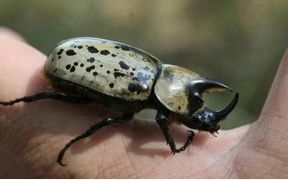
Eyed Click Beetle, Alaus oculatus
The eyed click beetle can be found near houses, under bark, etc. Unmistakable in appearance (Figure 5), adults of this species are large, impressive, and gentle. The clicking mechanism is a means of defense and allows the insect to right itself if placed on its back on a smooth surface. This makes an interesting classroom demonstration. Alaus myops is a smaller relative of this species that is also good for display.
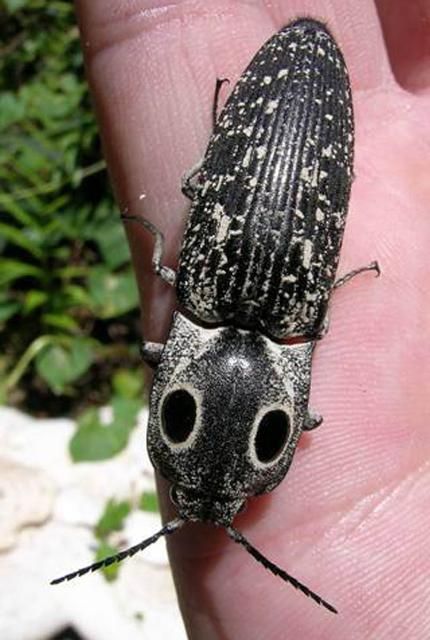
Other smaller click beetles are less striking in appearance, yet if gathered in large numbers may be used for children to handle. Both species should be fed cut pieces of soft fruit.
Buprestid Beetles (Metallic Wood-Boring Beetles)
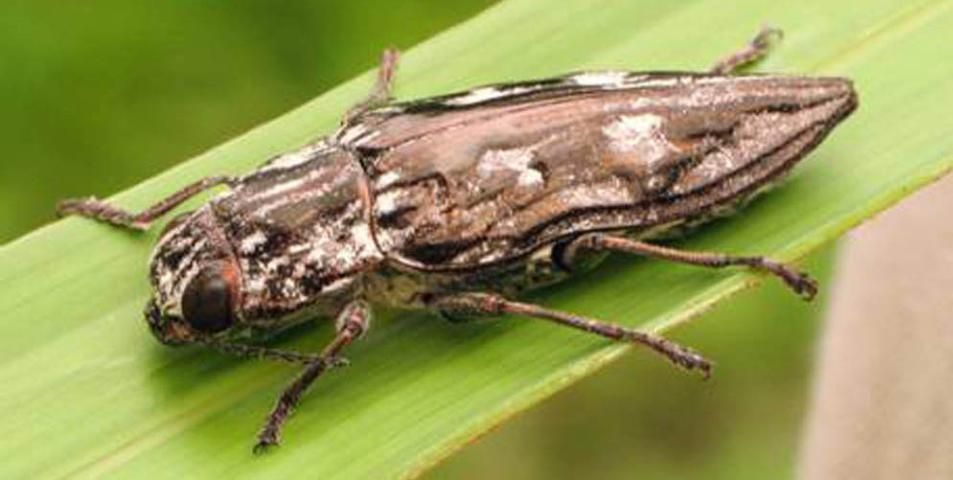
Many species of buprestid (Figure 6) beetles are suitable for in-class display or handling. They are impressive, beautiful, and gentle. They may be found near damaged or dying trees on warm days, often in some abundance. Their metallic colors and sculptured texture make them ideal display insects. Try feeding them the foliage of trees, especially from trees found near where the beetles were collected.
Diaprepes (Citrus) Root Weevils, Diaprepes abbreviatus, Pachnaeus litus, Pachnaeus opalus
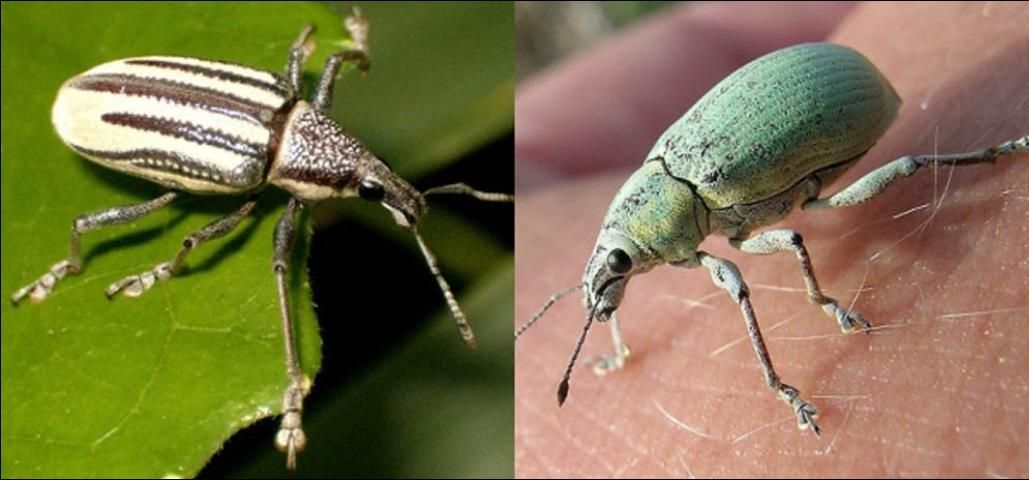
These large, attractive weevils are easy to find, maintain, and make excellent display animals (Figure 7). They also are important pests of Florida citrus and thus are excellent teaching tools to explain crop pests and introduced species problems. They can be found feeding on many tree and shrub species and are best collected in the morning by shaking vegetation vigorously over a sheet or umbrella. They may be kept in jars and fed green beans, carrots, and other vegetables.
Lubber Grasshoppers, Romalea guttata or R. microptera
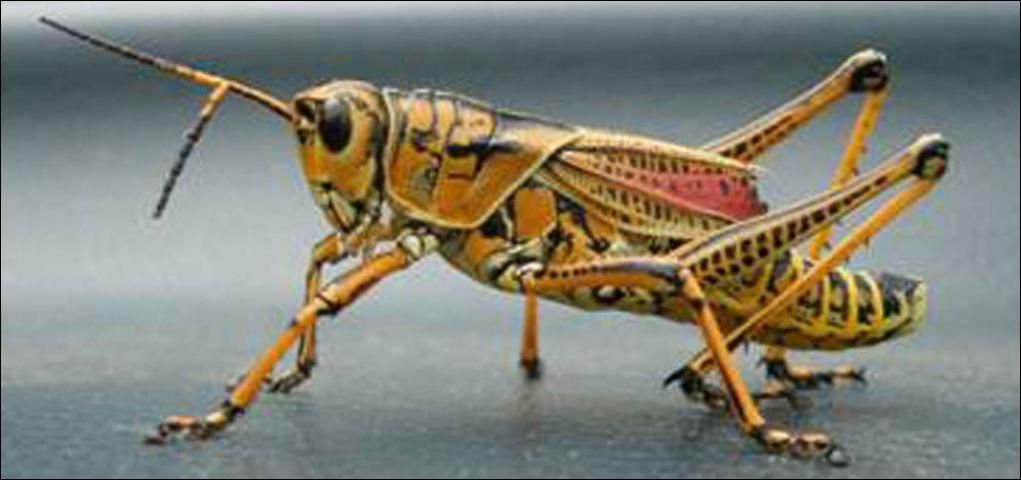
Impressive in size and coloration, lubbers (Figure 8) make excellent display insects. Although they can be handled gently, these grasshoppers may be capable of releasing an irritating secretion. Adults can be fed vegetables and leaves supplemented with light dog kibble.
Mantids
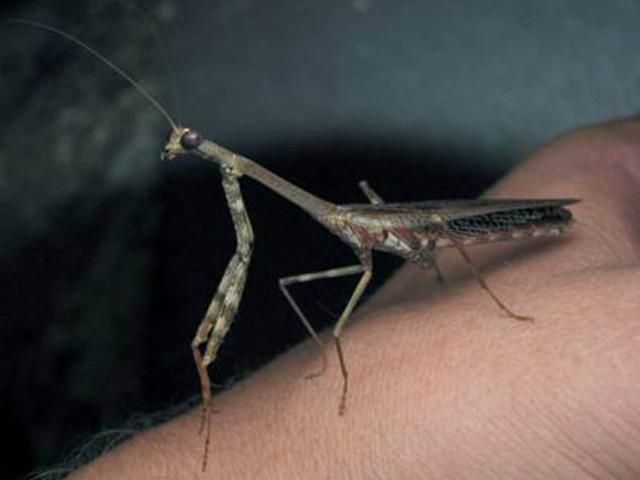
Mantids often can be collected at lights and around gardens. The Carolina Mantid (Figure 9), European mantids, and others are suitable for caged display. Often they can be fed flies and will eat them for demonstration purposes. They should be housed in tall, planted cages and fed insects daily.
Cockroaches
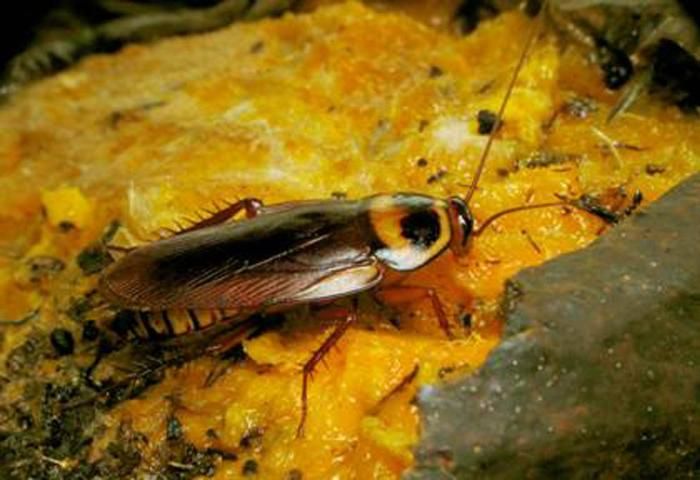
These fascinating insects are easy to obtain, rear, and display. Most can be maintained in simple jars with absorbent bedding, some cardboard egg crate to hide in, a water wick, and dog food to eat. They should be provided with fruits or vegetables occasionally. Cockroaches (Figure 10) should not be handled or removed from display cages, as they are fast and escape easily. Many species are also capable of flight.
Palmetto Weevils, Rhynchophorus cruentatus
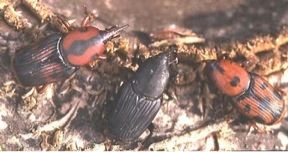
These large attractive weevils can be found near palmettos and exotic palms. They are large, gentle, and can be handled by children. They are native to Florida, but can act as a pest in certain plant nursery settings. Their color variations can range from red to black and combinations in-between.
Caterpillars
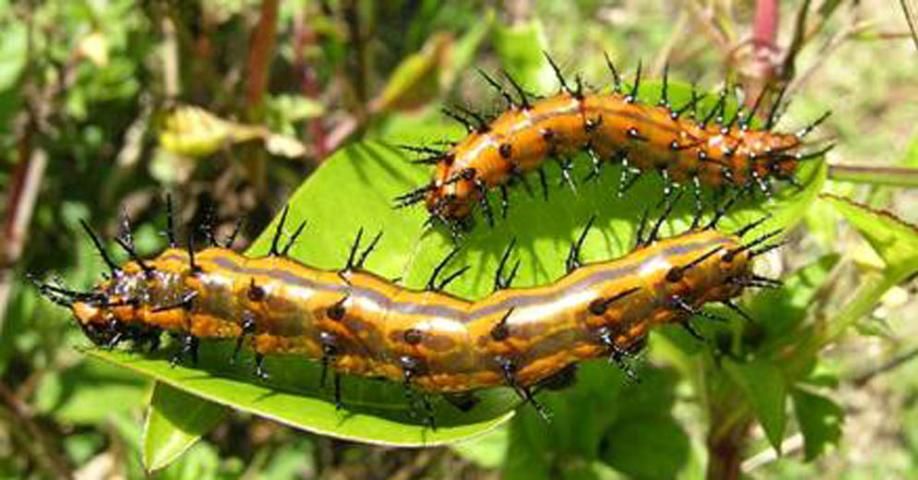
Large, showy caterpillars (Figure 12) can often be used to illustrate the damage that plant feeding insects cause and introduce concepts like metamorphosis. They should be maintained with fresh foliage from the plants on which they were found. Some caterpillars have venomous spines, and should not be handled. See SP107, for more information https://edis.ifas.ufl.edu/IN014.
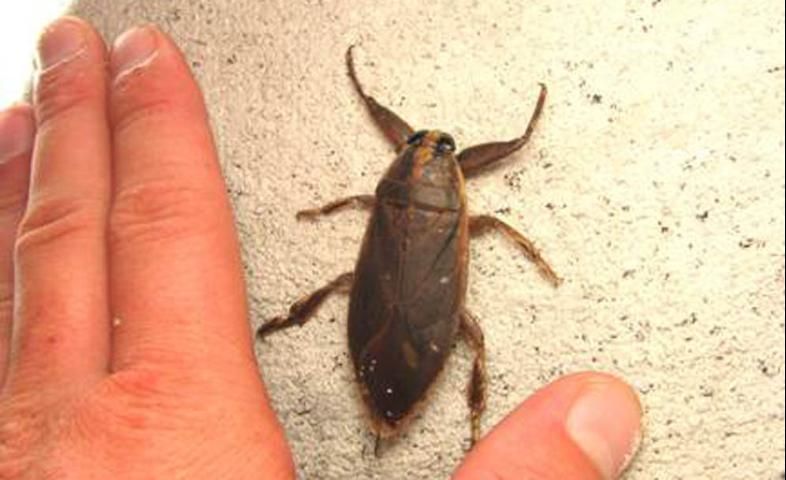
Giant Waterbugs, Family Belostomatidae
These large, impressive insects (Figure 13) are easily gathered at lights at night during the warm months. They may be housed in aquariums with aquatic plants and fed tadpoles and small fish. They should not be handled, as they can bite. They are quite impressive, however.
Other Arthropods
Non-insect arthropods also make interesting and informative display animals and demonstrate to children some elementary classification principles. Children can be asked to think about what the differences are between insects, spiders, scorpions, millipedes, centipedes, etc.
Spiders
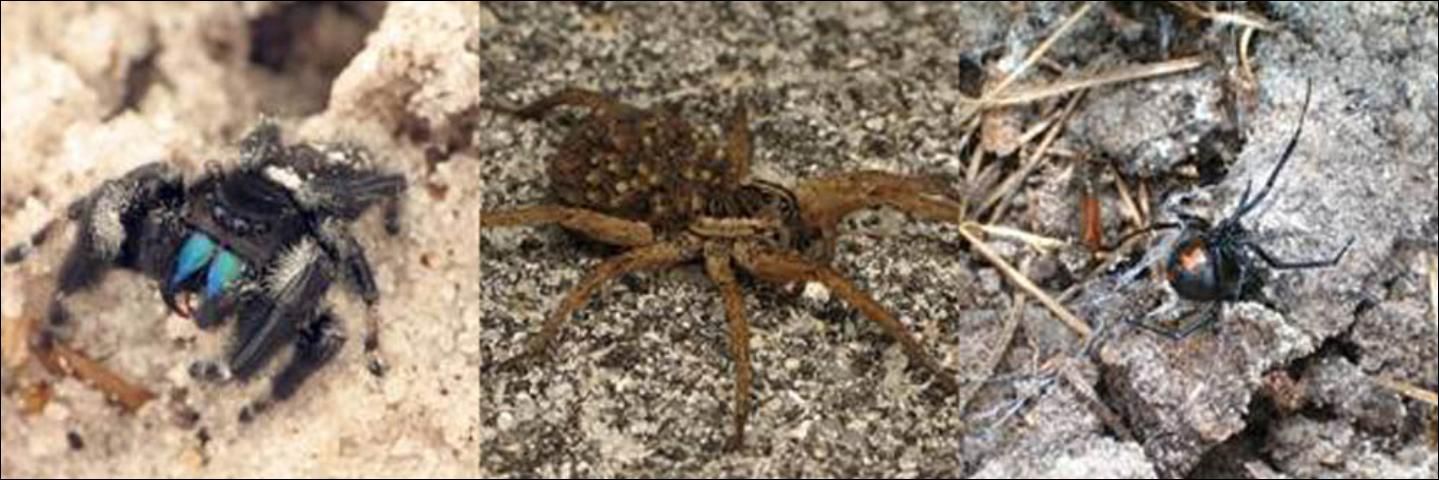
Jumping spiders of the genus Phidippus (Figure 14, left) make excellent display animals in small cages. They are often brightly-colored and active, and can often be fed small insects to demonstrate the methods they use to hunt prey.
Other spiders worth considering are Wolf Spiders (Figure 14, center). These are nocturnal and generally hide during the day, but are large and interesting in appearance. Female wolf spiders carry eggs and offspring around, and this point is good to emphasize to show that even "cold-blooded" animals display parental care of offspring.
Widow spiders (genus Latrodectus, Figure 14, right) can be displayed in break-proof plastic jars. These can provide an important lesson in recognizing dangerous spiders. They are easily collected from beneath rocks and logs.
All of the spiders mentioned above may be housed in jars and fed insects such as crickets, termites, and cockroaches. Use and teach caution when displaying spiders!
Centipedes
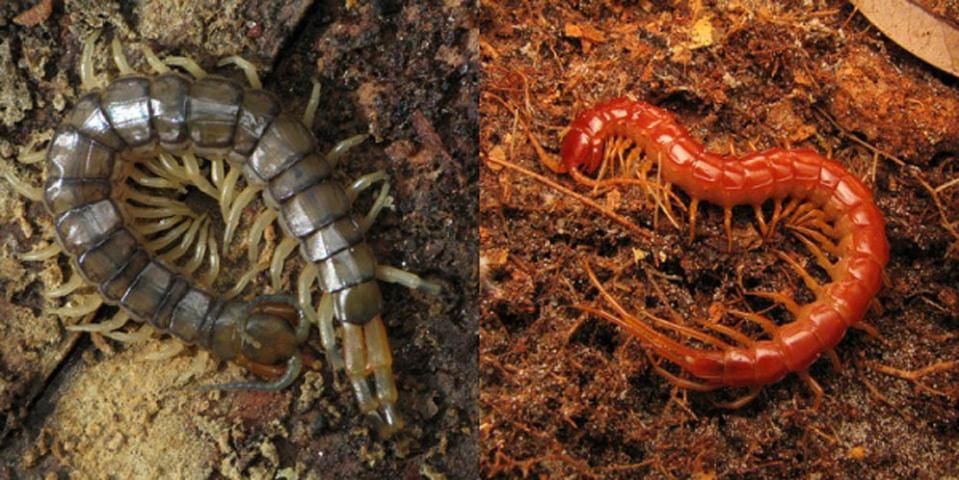
Several large centipedes (Figure 15) can be found in Florida and make attractive display animals. They should not be handled, as they are capable of inflicting a painful bite. They should be housed in cages with tight-fitting lids with plenty of bark to hide under. When displaying centipedes, be sure to remove the bark so that they are visible. All are predaceous and will feed on on termites and small crickets.
"Insects of Opportunity"
Do not neglect to take advantage of easily-collected insects prior to a demonstration or presentation. Often an hour walking around a natural area, garden, or farm will yield some interesting and informative display animals. Large stalks of milkweed with aphids and monarch caterpillars make good display items. Leaves damaged by weevils (plus the culprits themselves) can illustrate economic damage. Abandoned wasp nests and the surfaces where they are attached are also good displays.
Chrysalids of butterflies, cocoons, and other interesting life stages may be collected for display. If you can arrange to have the whole life history for display, so much the better. Even a pinned adult butterfly along with a live caterpillar and the host plant is an important educational tool.
Some materials can be preserved for later display. A pinned insect collection with large and showy insects is a great static display that illustrates insect beauty, diversity, or pest status even when conditions are not suitable for collecting live insects. For more advanced children, it can also illustrate proper curation of an insect collection, and classification, at least to order.
Summary
Children are generally fascinated by living creatures and by "bugs" in particular. Live insect displays provide a useful and effective means of introducing a wide variety of subjects to children and make educational presentations more memorable. Given a little effort, interesting live insects may be collected and maintained for use in classroom demonstrations.
Reference
Insect Identification http://bugguide.net/node/ view/15740
Special References
Click Beetles (http://entnemdept.ufl.edu/creatures/trees/beetles/click_beetle.htm)
Diaprepes (citrus) Root Weevil (http://entnemdept.ifas.ufl.edu/creatures/citrus/diaprepes_root_weevil.htm)
Eyed Click Beetle (http://entnemdept.ufl.edu/creatures/trees/beetles/click_beetle.htm)
Giant Water Bugs (https://edis.ifas.ufl.edu/IN578)
Horned Passalid (http://entnemdept.ufl.edu/creatures/misc/beetles/horned_passalus.htm)
Lubber Grasshoppers (http://entnemdept.ufl.edu/creatures/orn/lubber.htm)
Rainbow Scarab (http://entnemdept.ufl.edu/creatures/BENEFICIAL/BEETLES/Phanaeus_vindex.htm)