
Why do we need vitamin B12?
Vitamin B12 works with folate, another B vitamin, to make DNA, our body's genetic material. B12 is needed for proper formation of red blood cells and protection of nerve cells. It also helps keep blood levels of the amino acid homocysteine low. High levels of homocysteine are associated with heart disease. Lowering homocysteine levels with B vitamins is effective, but may not decrease heart disease risk (Chrysant and Chrysant 2018). Everyone needs vitamin B12, but older adults and strict vegetarians (vegans) need to eat fortified foods or take a B12 supplement to get enough B12.

Credit: izusek/getty images
What happens if we do not get enough vitamin B12?
Vitamin B12 deficiency causes megaloblastic anemia. With this type of anemia, the body cannot make normal red blood cells that carry oxygen to all the cells in the body. Lack of oxygen makes people weak and tired. In addition, vitamin B12 deficiency can cause nerve damage, leading to confusion, numbness in the hands and feet, and loss of balance.
How much vitamin B12 do we need?
How can we get enough vitamin B12?
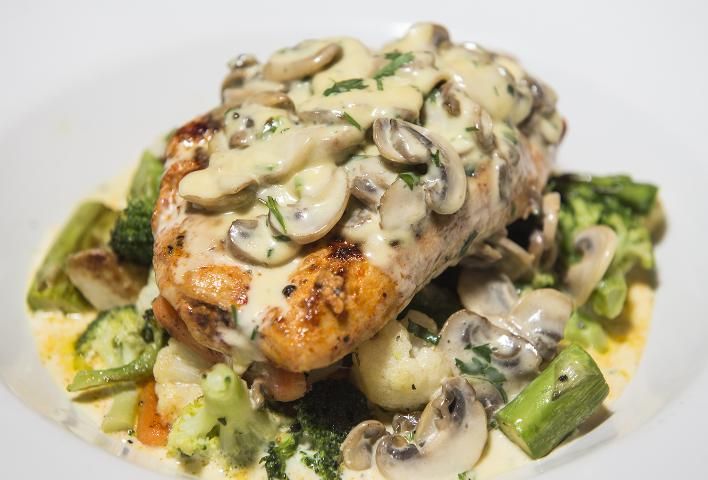
Foods of animal origin, such as meat, fish, poultry, eggs, milk, and dairy foods, naturally contain vitamin B12. Fortified breads and cereals contain vitamin B12 in a form that is easily absorbed. Check the ingredient list on food labels to see if vitamin B12 has been added. Here is a sample ingredient list from a fortified cereal:
INGREDIENTS: Wheat bran, sugar, raisins, whole wheat, partially hydrogenated soybean oil, corn syrup, brown sugar syrup, nonfat milk, salt, honey, vitamin C (sodium ascorbate), vitamin B2 (riboflavin), vitamin B1 (thiamin mononitrate), folic acid, vitamin B12 (cobalamin).
Credit: photohaydar/istock/Getty Images Plus
How should foods be prepared to retain vitamin B12?
Vitamin B12 is not easily destroyed by cooking. This is good to know since the main food sources of vitamin B12, including meat, fish, and poultry, need to be well cooked. Other sources, like fortified cereals, may not need cooking.
What about supplements?
If you don't get enough vitamin B12 from foods, you can take an oral dietary supplement. Strict vegetarians (or vegans) who do not eat fortified cereals or fortified soy foods need to take vitamin B12 as a supplement. Also, adults over the age of 50 often do not absorb vitamin B12 very well due to decreased acidity in the stomach, for example. If they don't get adequate B12 from fortified foods, they are advised to take a supplement.
Where can I get more information?
Your local UF/IFAS Extension Family and Consumer Sciences (FCS) agent may have more information and nutrition classes for you to attend. You can find your local UF/IFAS Extension office at http://solutionsforyourlife.ufl.edu/find-your-local-office/. A registered dietitian (RD or RDN) can also provide reliable information. Below are a few online sources that provide reliable nutrition information:
Office of Dietary Supplements/National Institutes of Health: http://ods.od.nih.gov
References
Chrysant, Steven G., and George S Chrysant. 2018. “The Current Status of Homocysteine as a Risk Factor for Cardiovascular Disease: A Mini Review.” Expert Review of Cardiovascular Therapy 16 (8): 559–65. https://doi.org/10.1080/14779072.2018.1497974
Institute of Medicine. 1998. “Dietary Reference Intakes for Thiamin, Riboflavin, Niacin, Vitamin B6, Folate, Vitamin B12, Pantothenic Acid, Biotin, and Choline.” Washington (DC). Accessed May 13, 2021. https://www.nap.edu/read/6015/chapter/1
U.S. Department of Agriculture and U.S. Agricultural Research Service. n.d. “FoodData Central.” n.d. Accessed May 13, 2021. https://fdc.nal.usda.gov/index.html