
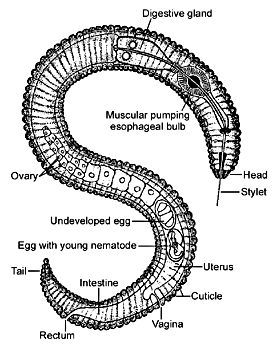
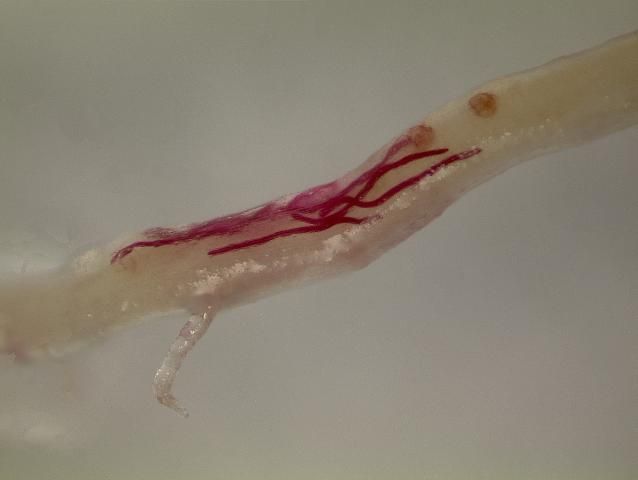
Turfgrasses help beautify our environment, reduce water runoff, and reduce water and air pollution. They are also essential components of many athletic fields, racetracks, and parks. Just like any other crop, grass needs effective pest management to remain healthy. Plant-parasitic nematodes (Figure 1) are probably the least understood and most difficult to manage turfgrass pests in Florida. These nematodes cause turf to decline, need more frequent irrigation, and have increased problems with weeds and other pests. Nematodes' damage to turf roots reduces fertilizer uptake by the turf, indirectly contributing to potential groundwater contamination. Nematode damage on athletic fields can weaken turf root systems and cause turf to pull up during play and thereby contribute to the incidence of player injuries.
Credit: R. P. Esser, Florida Department of Agriculture and Consumer Services, Division of Plant Industry; used with permission
Plant-Parasitic Nematodes
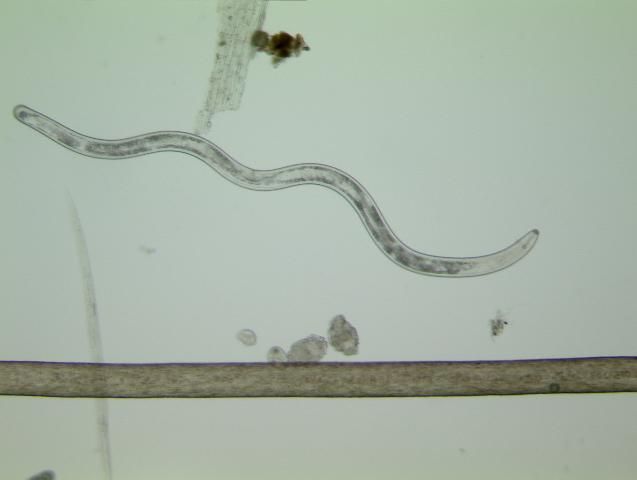
Nematodes are unsegmented roundworms, different from earthworms and other familiar worms that are segmented (annelids) or in some cases flattened and slimy (flatworms). Nematodes living in soil are very small and most can only be seen using a microscope (Figure 2). There are many kinds of nematodes found in the soil under any turf. Most are beneficial, feeding on bacteria, fungi, or other microscopic organisms. There are even nematodes that can be used as biological control organisms to help manage important turf insect pests. Unfortunately, there are also nematodes that feed on plants called plant-parasitic nematodes (Figure 1).
Credit: W. T. Crow, UF/IFAS
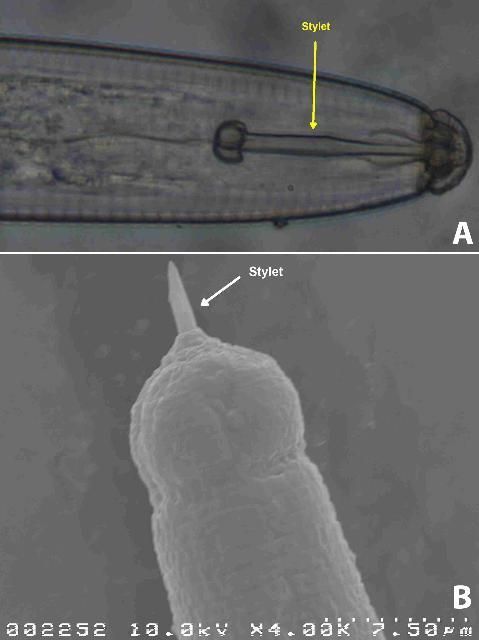
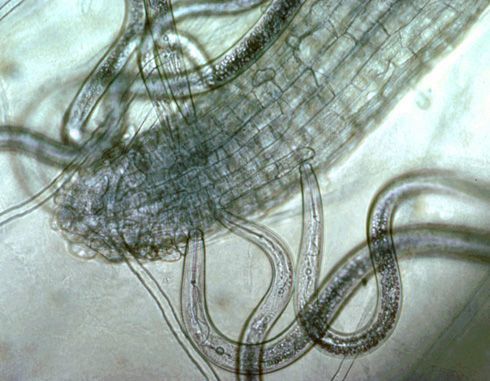
All plant-parasitic nematodes have a stylet or mouth-spear that is similar in structure and function to a hypodermic needle (Figure 3a, b). The nematode uses its stylet to puncture plant cells, injecting digestive juices and ingesting plant fluids through it. All plant-parasitic nematodes that are important turfgrass pests in Florida feed on roots. Some plant-parasitic nematodes remain in the soil and feed by inserting only their stylet into the root. These are called ectoparasitic nematodes (Figure 4). Others, using their stylet to puncture an entry hole in the root, feed with their body inside the root tissue. These are called endoparasitic nematodes (Figure 5). Of the common nematodes that cause damage to turfgrasses in Florida, sting, awl, stubby-root, sheath, sheathoid, spiral, and ring nematodes are strictly ectoparasites. Root-knot, lance, and lesion nematodes are endoparasites. In Florida, the most common nematodes causing damage to athletic field turf are sting, lance, root-knot, and stubby-root nematodes.
Credit: J. E. Luc, UF/IFAS
Credit: J. O. Becker, UC Riverside
Credit: A. C. Hixson, UF/IFAS
Effects of Nematodes on Athletic Turf
All of the plant-parasitic nematodes that damage turf in Florida feed on roots. As plant-parasitic nematodes feed, they damage plant root systems and reduce plants' ability to obtain water and nutrients from the soil. This makes the turf more susceptible to drought and other stresses. When nematode population densities get high enough, or when environmental stresses occur, aboveground symptoms may become evident. Grass may wilt and die. Research has shown that the ability of nematode-damaged turf roots to get water and nutrients from soil is impaired. Nematode-damaged turf typically needs frequent irrigation to avoid wilting and decline. Also, the potential for nutrient leeching is higher from nematode-damaged turf. Additional risk to players may result from plant-parasitic nematodes. This is because the nematode-damaged turf does not have a good root system to anchor it down. When athletes are pushing or make sudden turns, the turf can pull up and lead to knee and ankle injuries.
Symptoms of a Nematode Problem
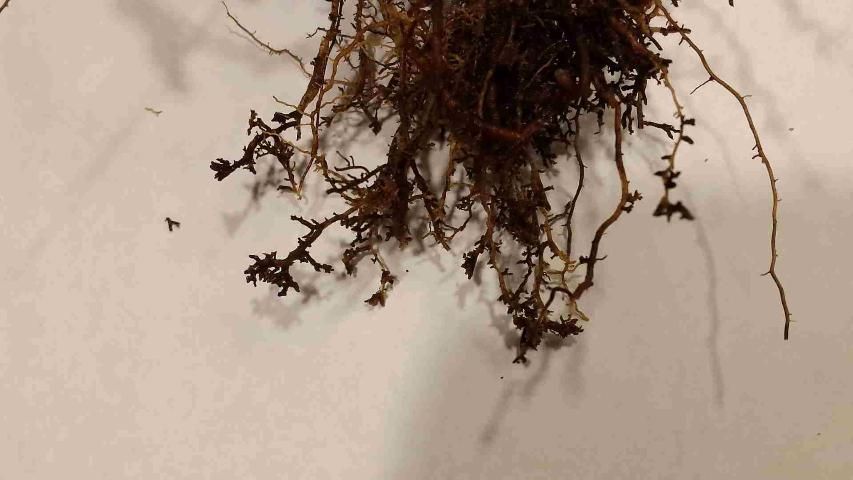
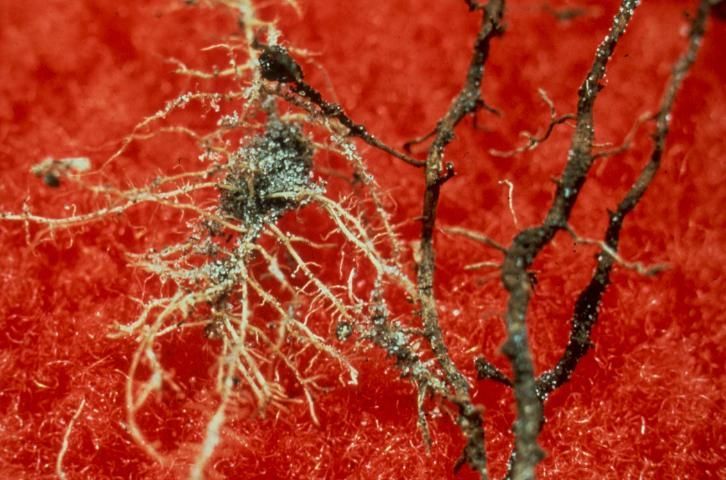
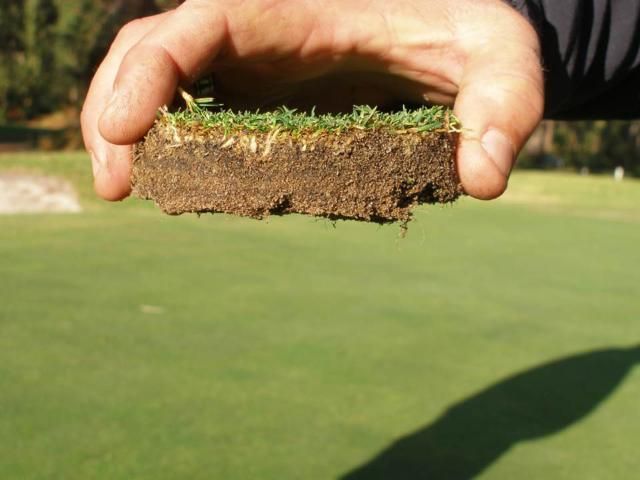
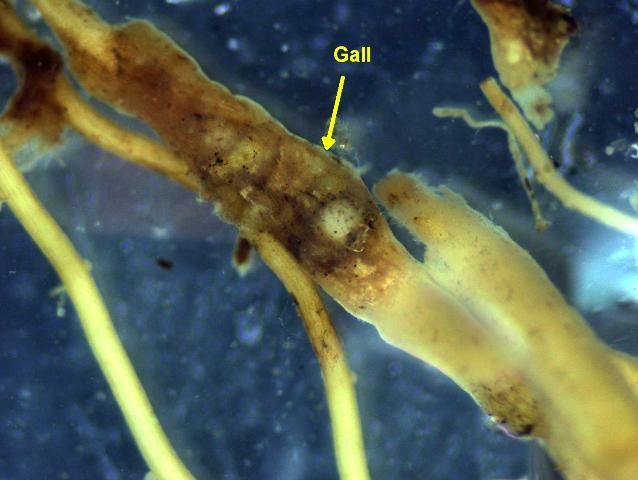
Nematode-damaged roots may be abnormally short and stubby (Figure 6) or appear darkened or rotten when damaged by plant-parasitic nematodes (Figure 7). Often the roots will appear "cropped off" an inch or less below the soil surface (Figure 8). Root galls or knots associated with certain nematode damage to other crops are usually not evident on grasses, but may occur in some cases (Figure 9).
Credit: W. T. Crow, UF/IFAS
Credit: R. A. Dunn, UF/IFAS
Credit: W. T. Crow, UF/IFAS
Credit: W. T. Crow, UF/IFAS
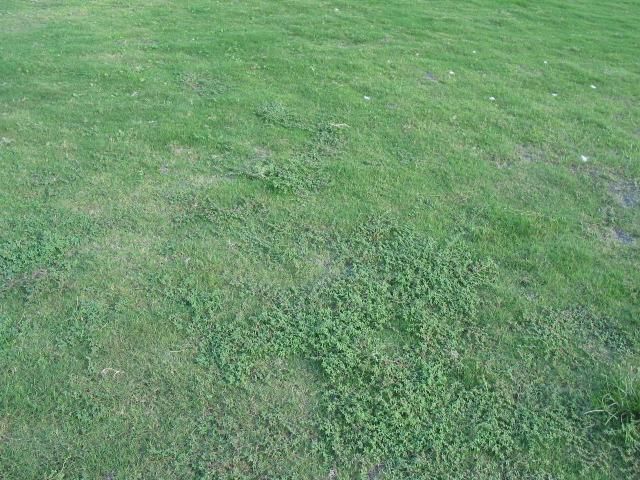
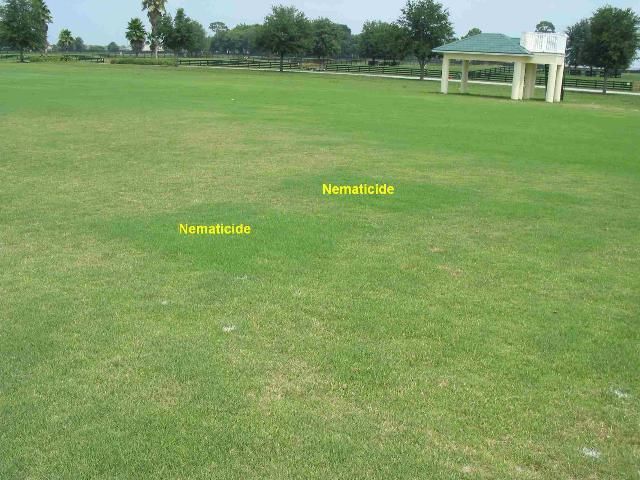
When nematode population densities get high, and environmental stresses like high temperatures or drought occur, aboveground symptoms may become evident. Symptoms include yellowing, wilting, browning, or thinning out. Grass will die under extreme nematode and environmental stress. Often, as the grass thins out, spurge and other weeds may become prominent (Figure 10). Nematode damage usually appears as irregularly shaped declining areas that may enlarge slowly over time (Figure 11). Nematode symptoms on turfgrasses can be very similar to other factors such as localized soil conditions, fungal diseases, or insects and are easy to misdiagnose.
Credit: W. T. Crow, UF/IFAS
Credit: W. T. Crow, UF/IFAS
Nematode Diagnosis
With any plant problem, an accurate diagnosis is important to address the problem and to avoid wasting time, money, effort, and pesticide applications. The only reliable way to determine if plant-parasitic nematodes are involved in grass damage is by having a nematode assay conducted by a professional nematode diagnostic lab. The University of Florida Nematode Assay Lab (NAL) is such a facility and will assay nematode samples for a cost of $20 each (out-of-state samples cost $25 each). Forms and instructions for submitting nematode samples to the Florida Nematode Assay Lab are available at the NAL webpage http://entnemdept.ufl.edu/nematology-assay-lab/.
A nematode assay requires different sampling guidelines than those required for soil analysis or disease samples. When a disease sample is submitted to most labs, a nematode analysis is not normally performed unless specifically requested. A nematode assay often requires separate payment and may even be sent to a separate address. Familiarize yourself with the procedures required by the lab where you intend to submit the sample. The accuracy of the diagnosis depends on the quality of the sample that you submit. Following the guidelines below will help ensure an accurate diagnosis:
- A sample must consist of multiple soil cores. Nematodes are not evenly distributed in soil, but rather congregate in "hot spots." Nematode populations may be high at one spot and low just a few feet way. By collecting multiple cores with a device such as a "T" type soil sample tube, an average population density can be measured. A good rule of thumb is to have 16 to 20 cores per field. Cores should be taken to a depth of 4 inches.
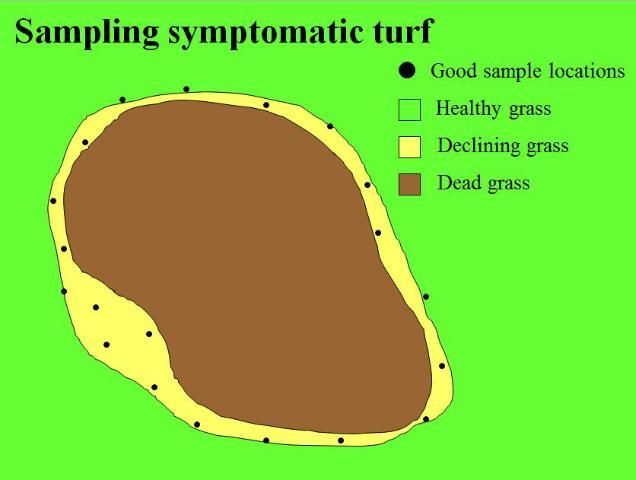
- If damage is evident then sample near the margin of the affected area (Figure 12). Nematode populations will decline in severely damaged areas because they have nothing left to eat. Therefore, populations tend to be highest near the edges of a declining area where the grass is still alive. If damage is occurring in multiple areas of a field, take a few cores from the border of several affected areas to make the 20 cores. When taking samples from turf that is not showing symptoms, or if sampling before planting, sample in a "zig-zag" pattern across the area (Figure 13).
- Put the soil from each sampled area into a separate plastic bag and seal it. Nematodes require moisture to survive, so drying the soil will kill them. This is different than submitting a sample for nutrient analysis where dry soil is preferred. Make sure that each bag is labeled with a permanent marker so that the diagnosis can be assigned to the correct area. If using a self-sealing bag, seal it with tape also because the zippers often come open in transit.
- Handle samples carefully. Do not expose samples to direct sunlight or heat. Nematodes are sensitive to high temperatures and UV light. Leaving samples on the dashboard or in the back of a pickup truck can kill them quickly and reduce the accuracy of the diagnosis. Keeping the nematode sample in a cooler is best. The nematodes will be sandwiched between soil particles so rough handling will destroy them. Pack the samples well to minimize shifting during shipping.
- Submit the sample right away. Next-day delivery is best. One study found greatest nematode recovery from hand-delivered samples, the next highest from next-day delivery, and the lowest from regular postal delivery.
Credit: W. T. Crow, UF/IFAS
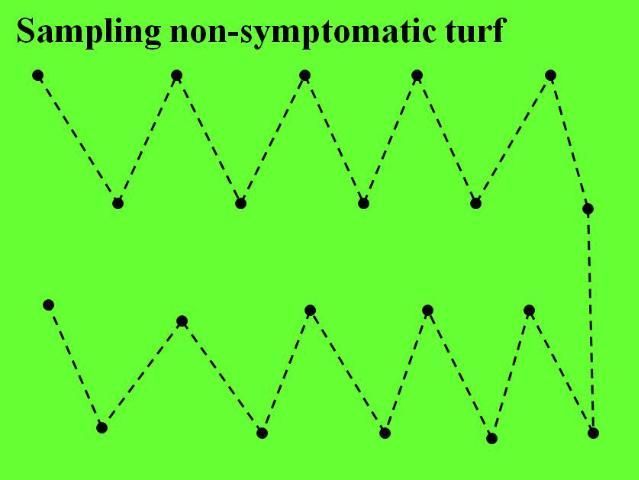
Credit: W. T. Crow, UF/IFAS
The staff at the NAL will identify any plant-parasitic nematodes found, count them, and determine whether or not nematodes are a potential problem. Not all plant-parasitic nematodes are equal in their ability to harm grass. For example, one sting nematode can cause damage equal to hundreds of individuals of other types of plant-parasitic nematodes. The number of each type of nematode in 100 cc of soil from the submitted sample will be used to determine the risk level for the turf species indicated. The risk level will tell if the turf is at low, moderate, or high risk of damage from plant-parasitic nematodes. Be aware that different diagnostic labs may use different extraction techniques, different quantities of soil, or different thresholds. Because of this, samples submitted to separate labs may report different quantities of nematodes. In most cases, the different thresholds used are adjusted to account for the differences in methodology and local conditions. However, if using a lab located in a geographically distant location, local conditions or regional variations in nematode aggressiveness may not be taken into account. Local labs will provide the most accurate assessments.
Nematode Management
Cultural Practices
Before Planting
Use Clean Sod: It is always preferable to avoid a potential problem than to deal with an existing one, so it is best to consider nematodes before planting or replanting. Contaminated planting material (sod or sprigs) can spread nematodes into new areas. It may be worthwhile to have potential sod tested for the presence of large numbers of the most damaging turf nematodes (sting and lance nematodes) before purchase. Sod grown on soilless media offers the best chance of avoiding nematodes, but is beyond the budget of most athletic facilities and parks.
Tolerant grasses: Not all turfgrass species and cultivars are equally affected by nematodes, so grass selection can be important if nematodes are a major concern. Generally bahiagrass is the most tolerant of all turfgrasses to nematodes and is a good choice for chronically affected areas. Seashore paspalum is the least tolerant grass to spiral nematodes. University of Florida research has found that the bermudagrass cultivars TifTuff, Celebration, and Princess 77 have the greatest tolerance to sting nematode among bermudagrass athletic field cultivars used in Florida. This does not mean that those cultivars were not damaged by the nematodes, but that they were damaged less than was the conventional cultivar. Seashore paspalum is more tolerant of sting nematode than bermudagrass, but is more susceptible to damage from spiral nematodes.
Organic amendments: Research at the University of Florida has shown that incorporation of certain organic amendments such as Comand® compost before planting can improve turf tolerance to nematodes and in some cases suppress nematode numbers.
Turf can often exist with a given population density of plant-parasitic nematodes with no visible damage. Damage usually becomes evident when one of two things occur: 1) some other factor increases the susceptibility of the grass to nematode damage and/or 2) some factor causes nematode population densities to increase to damaging levels. Once the grass is planted, the best way to reduce the likelihood of nematode damage is to minimize these factors as much as possible.
After Planting
Mowing: Generally speaking, raising mowing height slightly can reduce nematode damage considerably. Infrequent mowing should be avoided. The more foliage is removed at each mowing, the greater the stress that is put on the grass.
Fertilizing: Excessive nitrogen fertilization can increase succulent root growth and encourage rapid foliage growth. Succulent root tips are more susceptible to nematode damage, and the proliferation of root tips can cause nematode population densities to rise dramatically. Rapidly growing foliage drains nutrient reserves from the roots that are needed to compensate for the nematode damage. Under-fertilization should also be avoided. Roots damaged by nematodes will already have a reduced capability to extract nutrients from soil. This makes nutrient deficiencies more pronounced on nematode-infested plants.
Irrigation: Deep, infrequent watering encourages deep root growth. A deep root system is more tolerant of nematodes than a shallow root system resulting from shallow, frequent watering. However, once nematode damage is extensive, frequent watering may be required to keep the grass from declining. In this case water should be applied as often as permitted by ordinance to avoid wilting.
Aeration: Over-compaction reduces oxygen availability to the root system and enhances susceptibility to nematode damage. Regular aeration encourages a healthy root system and thereby enhances tolerance to nematodes.
Soil Amendments: Generally anything that promotes healthy root growth can enhance tolerance to nematodes. Top-dressing with certain organic amendments such as Comand® compost can improve turf tolerance to nematodes.
Shade: By damaging roots, nematodes impair the ability of turf to store energy. Therefore, nematode-damaged turf is more prone to decline from shade, or prolonged cloudy conditions. If areas are in partial shade, trimming or thinning trees to increase light to the turf will greatly enhance the turf's ability to withstand nematode damage. Too much shade may also mean that the site is not suitable for a dense stand of turfgrass.
Overseeding: UF research has shown that overseeding can increase nematode numbers on bermudagrass during transition by providing an alternate food source to the nematodes during the winter. Therefore, from a nematode management standpoint, it is best to avoid overseeding when possible.
Pesticides and Biopesticides
When using any nematicide, the product label must be strictly followed in order to minimize human and environmental health impacts and to avoid liability risks. Nematicides labeled for athletic turf in Florida that have shown consistent efficacy in University of Florida research trials are discussed below. This information is not a substitute for the product label. Always follow directions on the product label when applying any pesticide. There is no single nematicide that is best to use in all situations and against all kinds of nematodes. Therefore, monitoring nematode populations through sampling and selecting products based on their expected efficacy on the nematodes present is important. Using the same nematicide repeatedly can shift nematode populations from one type of nematode to another, or could cause nematodes to develop resistance to that nematicide. Therefore, it is generally recommended to rotate active ingredient classes as much as possible. Fortunately, all the nematicides listed below belong to a different chemical class.
Zelto®+Crescendo: Research conducted at the University of Florida has shown a combination of two bionematicides, Zelto and Crescendo, is effective against root-knot nematode on turf. These are not live microorganisms, but their active ingredients are produced by live bacteria grown commercially in vats. Best results were achieved by tank-mixing the two products and applying monthly for several months.
Abamectin products: Abamectin is the active ingredient in several turfgrass nematicides including: Divanem SC (Syngenta), TODAL (Quali-Pro), and Nemamectin (RightLine). Abamectin was a pesticide originally isolated from a soil bacterium. Abamectin binds to thatch and organic matter, so it works best against nematodes that inhabit the thatch and upper soil layer, particularly root-knot nematodes, although it can help manage other types of nematodes as well. For all of these abamectin products, a maximum of 0.27 lb. of abamectin per acre can be applied per year, with a maximum of 0.0675 lb. abamectin per acre per application. However, small areas (10,000 ft2 or less) may be treated up to 4 times with 0.27 lb. The concentration of abamectin varies among products, so read the product label to determine the formulation rates to apply. Abamectin nematicides are restricted-use pesticides for golf and professional and collegiate athletic turf only. In University of Florida trials abamectin has performed well when either applied four times at 4-week intervals at the maximum single application rate or eight times at half the maximum single-application rate at 2-week intervals. For best results, it is recommended that abamectin products be tank-mixed with a soil penetrant for application, and that it be irrigated with up to ¼-inch of water immediately after application.
Indemnify®: The active ingredient of Indemnify nematicide is fluopyram, which is also an SDHI fungicide. Indemnify is very effective against most of the nematodes that damage turfgrasses in Florida and is labeled for all turf uses, including golf course, athletic field, sod, and lawn. Unlike other nematicides it has very long residual activity and can provide nematode suppression for months after application. The maximum broadcast rate for Indemnify is 0.39 fluid ounces per 1000 ft2 per year. However, areas of 10,000 ft2 or less (per acre) may be "spot-treated" up to 4 times per year at 0.39 fluid ounces. Because of its fungicide activity, Indemnify should be considered in the FRAC group 7 for resistance management. While Indemnify has provided excellent control of root-knot, sting, and other nematodes, in University of Florida trials, it has not been shown effective against lance nematode.
Nimitz Pro G: The active ingredient in Nimitz Pro G® is fluensulfone, a nematicide in its own chemical class. This formulation is a granular product applied to the turf surface using a spreader and then moved into the soil with irrigation. Fluensulfone has both contact and systemic activity, so it is effective against nematodes in soil and inside roots, including lance nematode. Nimitz Pro G is labeled for all warm season turf uses, including golf course, athletic field, and lawn. It is not labeled for use on cool-season grasses due to phytotoxicity. A maximum of 240 pounds per acre per year may be applied, but this can be broken up into multiple applications of lower doses. In University of Florida trials best results have been achieved with either 4 monthly applications of 60 pounds per acre or 3 monthly applications of 80 pounds per acre.
Curfew Soil Fumigant®: Curfew Soil Fumigant™ is different from most other turfgrass pesticides in that it is injected into the soil profile as a liquid that then volatilizes and moves through the soil as a gas (fumigant). The active ingredient in Curfew Soil Fumigant is 1,3-dichloropropene (1,3-D). Curfew Soil Fumigant may only be applied by approved custom applicators. Applications are scheduled through certain industry distributors. Slits are made in the turf by knives that have a metal drip tube welded onto the back. As the knives are pulled through the soil, the fumigant is injected 5-6 inches deep into the soil profile, and the slits are then pressed back together to reduce fumigant loss. The 1,3-D turns into a gas that disperses through the soil profile and kills nematodes on contact.
Curfew Soil Fumigant is highly effective against sting nematode and other ectoparasites. It also is effective against mole crickets. However, because it is a contact nematicide, its efficacy against endoparasitic nematodes such as lance or root-knot nematodes is less consistent. Dow AgroSciences instructions for irrigation and turf care following a Curfew Soil Fumigant application should be followed closely to avoid problems and maximize the benefits of Curfew. Curfew cannot be applied within 30 feet of buildings, and a 24-hour reentry restriction applies. In areas of Florida with certain geologic features, Curfew Soil Fumigant cannot be used.
Other Products: In order for University of Florida faculty to recommend a pest management product, data from properly conducted field research trials should indicate that the product works on a consistent basis. There are several botanical nematicides and microbial products on the market. For most of these, either field efficacy data is lacking, or field trial data has not shown consistent benefit. That does not mean that these products never work, but that there is insufficient evidence to recommend their use.
Nematicide Resistance: Research at University of Florida has identified resistance to fluopyram in root-knot and sting nematode populations from golf courses that have been using this nematicide regularly for multiple years. Therefore, it is very important to rotate nematicide modes of action to maintain the efficacy of this powerful nematode management tool. Refer to Table 1 below for assistance in selecting effective nematicide rotation options.
Table 1. The relative performance in University of Florida research of the different nematicides and bionematicides described herein on the three most important types of nematodes affecting golf turf in Florida. As much as possible rotate nematicides from different groups to avoid nematicide resistance.
The University of Florida is committed to bringing you the most current information possible. Consequently, this document will be modified with each breaking development. The most current version of this document may be obtained on-line from the Ask IFAS website at https://edis.ifas.ufl.edu/.
For additional information regarding nematodes, nematode management, or help interpreting nematode assay results contact:
William T. (Billy) Crow, Ph.D.
Professor of Nematology
UF/IFAS Department of Entomology and Nematology
PO Box 110620
Gainesville, FL 32611
(352) 273-3941
FAX (352) 392-0190
E-mail wtcr@ufl.edu
http://entnemdept.ufl.edu/lab/people/crow/
For information on submitting samples to the UF/IFAS Nematode Assay Lab or to check on the status of a sample you submitted contact:
UF/IFAS Nematode Assay Lab
PO Box 110620
1881 Natural Area Dr.
Gainesville, FL 32611
(352) 392-1994
FAX (352) 392-0190
E-mail nemalab@ifas.ufl.edu