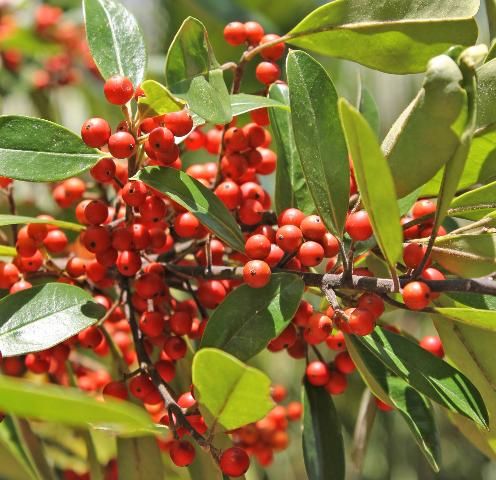
Attractive when tightly clipped into a tall screen or allowed to grow naturally into its single-trunked, small tree form, dahoon holly is ideal for a variety of landscape settings. Capable of reaching 40 feet in height, dahoon holly is usually seen at a height of 20 to 30 feet with an 8 to 12-foot spread. The smooth, supple, shiny dark green, evergreen leaves, two to three inches long, have just a few serrations near the tip. Possessing male and female flowers on separate plants, at least two dahoon hollies (male and female) must be planted in the landscape to ensure production of the brilliant red berries in fall and winter. The berries serve as an excellent food source for wildlife but are far less prevalent than on East palatka or Fosters holly.
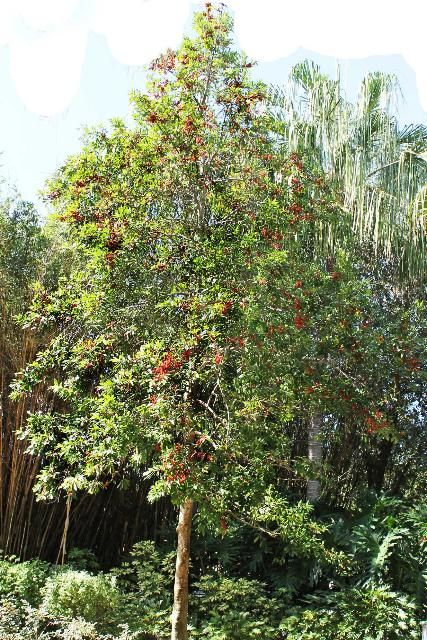
Figure 1. Full Form—Ilex cassine: Dahoon holly Credit: Ed Gilman
General Information
Scientific name: Ilex cassine
Pronunciation: EYE-lecks kuh-SIGH-nee
Common name(s): Dahoon holly
Family: Aquifoliaceae
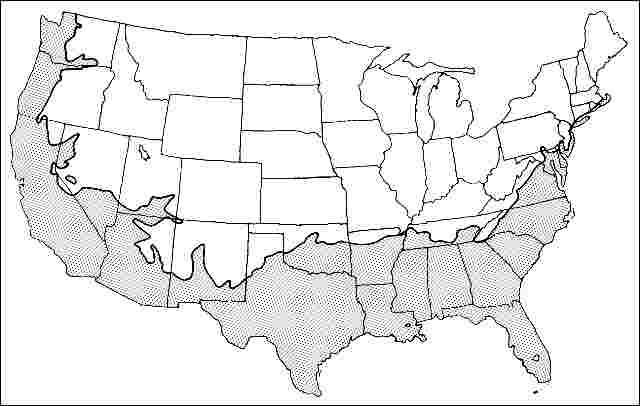
USDA hardiness zones: 7A through 11 (Figure 2)
Origin: native to the southeastern United States
UF/IFAS Invasive Assessment Status: native
Uses: hedge; screen; specimen; street without sidewalk; deck or patio; reclamation; sidewalk cutout (tree pit); tree lawn 3–4 feet wide; tree lawn 4–6 feet wide; tree lawn > 6 ft wide; urban tolerant; Bonsai; highway median; container or planter
Figure 2. Range
Description
Height: 20 to 30 feet
Spread: 8 to 12 feet
Crown uniformity: irregular
Crown shape: pyramidal, oval
Crown density: open
Growth rate: moderate
Texture: medium
Foliage
Leaf arrangement: alternate
Leaf type: simple
Leaf margin: entire, serrate
Leaf shape: elliptic (oval), oblong
Leaf venation: pinnate
Leaf type and persistence: evergreen
Leaf blade length: 2 to 4 inches
Leaf color: dark green and shiny on top, paler green underneath
Fall color: no color change
Fall characteristic: not showy
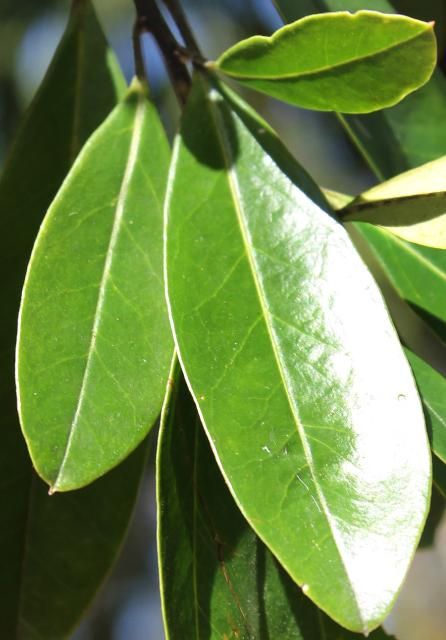
Figure 3. Leaf—Ilex cassine: Dahoon holly
Flower
Flower color: male—greenish white; female—white
Flower characteristics: not showy; male—emerges in branched clusters; female—emerges solitary or in clusters
Flowering: late spring to early summer
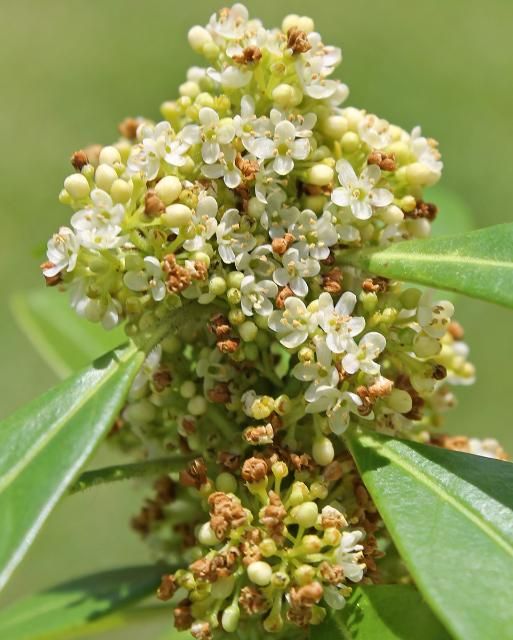
Figure 4. Flower—Ilex cassine: Dahoon holly
Fruit
Fruit shape: round
Fruit length: 1/4 inch
Fruit covering: fleshy drupes
Fruit color: yellow, orange, or red
Fruit characteristics: attracts squirrels/mammals; showy; fruit/leaves not a litter problem
Figure 5. Fruit—Ilex cassine: Dahoon holly
Trunk and Branches
Trunk/branches: branches droop; not showy; typically multi-trunked; no thorns
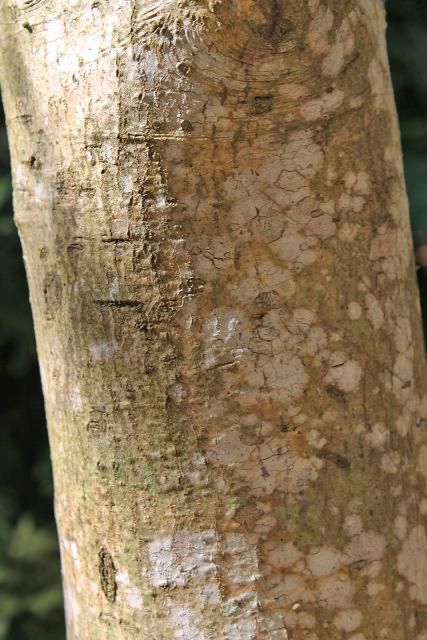
Bark: dark gray, thin, and smooth, becoming scaly with age
Growing well in full sun to partial shade, dahoon holly does best on moist soils since the wet, boggy soils of swamps is its native environment. Dahoon holly can tolerate drier locations with some watering, but often has a thin crown in this environment. It is not recommended in the southern part of its range in a dry, exposed site unless irrigation is provided. It lends itself well to use as a specimen or street tree, and is ideal for naturalizing in moist locations. Little pruning is needed to create a well-structured, strong tree. It appears to adapt well to the confined spaces of urban and downtown landscapes and is tolerant of some salt spray. The crown is fuller in full sun.
Ilex cassine var. angustifolia, Alabama dahoon, has narrower, more linear leaves than the species and more abundant but smaller berries. Ilex myrtifolia has smaller leaves and fruit, and its cultivar `Lowei' has yellow berries and dark green foliage.
Propagation is by seeds, which germinate in one year, or by cuttings. Cuttings are preferred since they give plants of a known sex and also root easily.
Pests and Diseases
No pests or diseases are of major concern. A twig gall sometimes forms in response to a fungus infection. Mites can infest foliage on trees planted on dry sites.
References
Koeser, A. K., Hasing, G., Friedman, M. H., and Irving, R. B. 2015. Trees: North & Central Florida. Gainesville: University of Florida Institute of Food and Agricultural Sciences.
Koeser, A.K., Friedman, M.H., Hasing, G., Finley, H., Schelb, J. 2017. Trees: South Florida and the Keys. Gainesville: University of Florida Institute of Food and Agricultural Sciences.