Edward F. Gilman, Dennis G. Watson, Ryan W. Klein, Andrew K. Koeser, Deborah R. Hilbert, and Drew C. McLean
2
Introduction
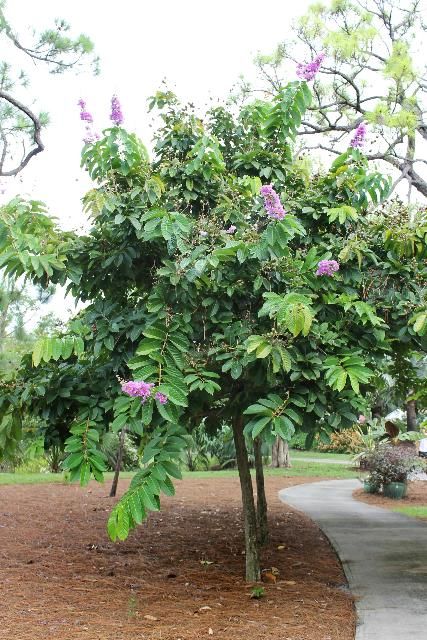
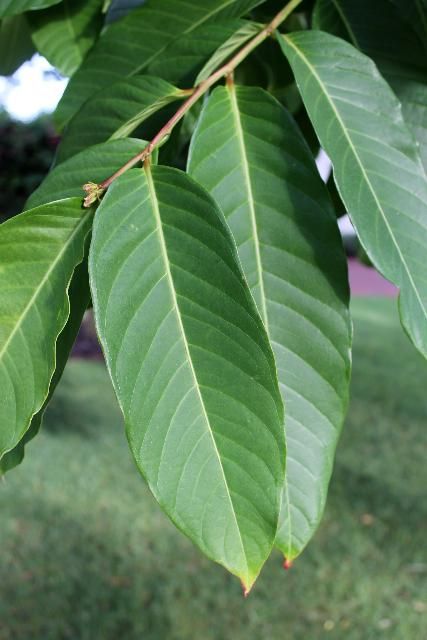
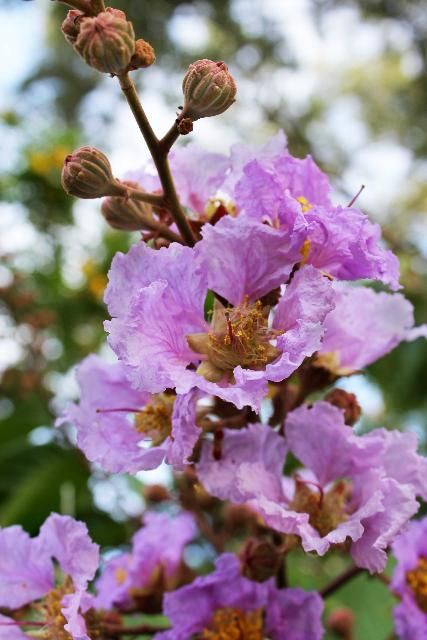
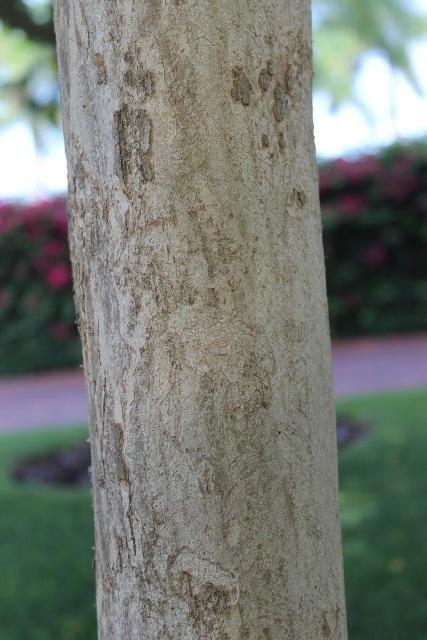
This is one of only a few deciduous trees which grow in tropical and subtropical areas of the country. A profusion of large, three-inch wide, bright pink to lavender blooms appear in dense, foot-long, terminal panicles from June to July, making queen's crape myrtle a spectacular specimen or street tree. This large, upright rounded, deciduous tree is clothed with 4 to 14-inch-long, dark green, oblong, leathery leaves which turn attractively red before falling in winter. Queen's crape myrtle can reach 30 to 60 feet in height and a spread of 30 to 40 feet. The attractive bark is smooth, mottled and peeling. In India, the wood is used for railroad ties and construction. The bark is thin and easily injured.
Figure 1. Full Form - Lagerstroemia speciosa: queen's crape myrtle Credit: UF/IFAS
UF/IFAS Invasive Assessment Status: not considered a problem species at this time, may be recommended (North, Central, South)
Uses: urban tolerant; tree lawn 3-4 feet wide; street without sidewalk; specimen; shade; parking lot island 100-200 sq ft; parking lot island > 200 sq ft; tree lawn 4-6 feet wide; tree lawn > 6 ft wide; highway median
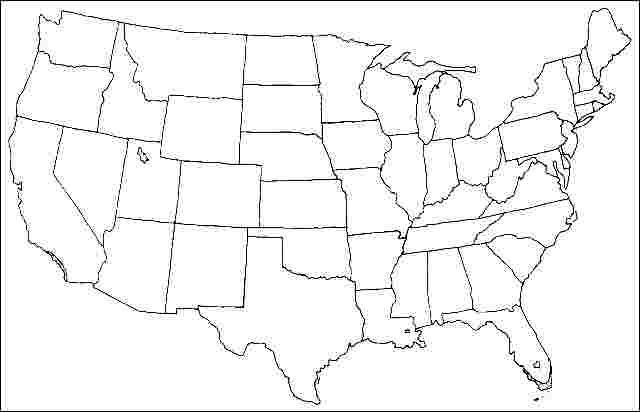
Figure 2. Range
Description
Height: 30 to 60 feet
Spread: 30 to 40 feet
Crown uniformity: symmetrical
Crown shape: round, vase, upright/erect
Crown density: moderate
Growth rate: fast
Texture: medium
Foliage
Leaf arrangement: opposite/subopposite
Leaf type: simple
Leaf margin: entire
Leaf shape: elliptic (oval), obovate, oblong
Leaf venation: pinnate, brachidodrome
Leaf type and persistence: semi-evergreen
Leaf blade length: 4 to 14 inches
Leaf color: darkgreen on top, paler green underneath
Queen's crape myrtle will grow in full sun on a wide range of well-drained soils but is not salt-tolerant. Where there are no overhead restrictions, this makes a nice large street tree due to the upright-spreading habit of growth. This reduces the regular pruning needed to remove lower drooping branches on some other trees. However, when the trees are young, some lower branches will need to be removed for street tree planting to create clearance for passage of pedestrians and vehicles. The tree should tolerate storms well having hard wood with flexible branches, as long as they are well spaced along the trunk and not clumped together growing from one point on the trunk. Plants should be watered faithfully and protected from frost. Not a tree to plant and forget, queen's crape myrtle appreciates regular fertilization or leaves become chlorotic. It will tolerate alkaline soil.
Propagation is by cuttings, division of root suckers, or by seed which germinate readily. Plants will flower the second year from seed. There are other species of tropical Lagerstroemia, some available in selected nurseries.
Pests
Aphids and scale, followed by sooty mold.
Diseases
No diseases are of major concern.
Reference
Koeser, A.K., Friedman, M.H., Hasing, G., Finley, H., Schelb, J. 2017. Trees: South Florida and the Keys. University of Florida Institute of Food and Agricultural Sciences.