
Introduction
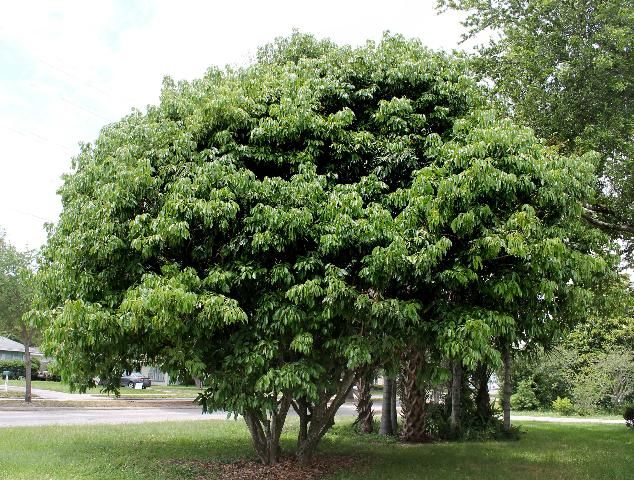
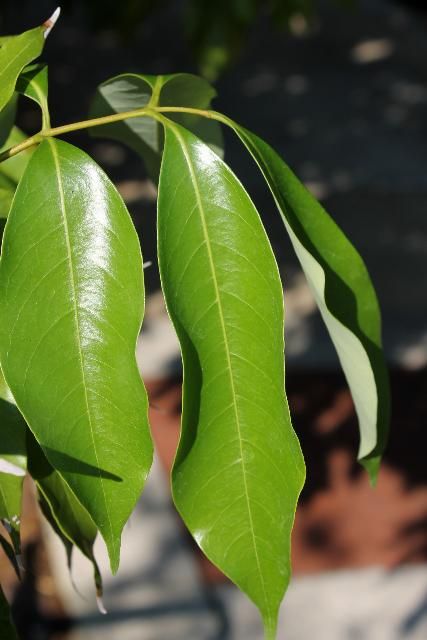
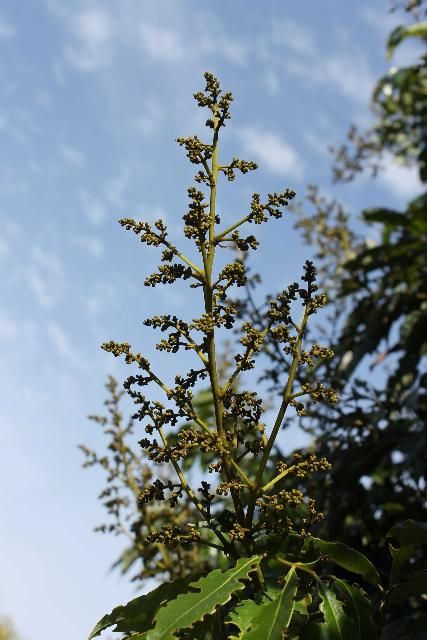
This attractive fruit tree has particularly handsome, dark green, glossy, evergreen leaves, five to eight inches long, and forms a compact, round-headed canopy. New leaves are an attractive bronze red. Lychee trees can eventually reach 30 to 50-feet in height with a 30 to 50-foot spread but will reach about 30 feet tall 30-years after planting in a landscape creating a wonderful shade, framing, or specimen tree. Small, greenish white to yellow flowers appear in drooping, 1 to 2 ½-foot-long panicles in early spring and are followed by clusters of delicious, 1 ½-inch-diameter fruit in late June and July. When ripe, the warty outer surface of the fruit turns strawberry red and becomes brittle. Easily peeled, the interior sweet, juicy, white flesh surrounds a single, large, glossy brown seed. The trees are quite decorative when laden with fruit. Consider locating the tree in the backyard if you are planting on a residential lot. This will prevent passerby's from helping themselves to the delectable fruit.
Credit: UF/IFAS
General Information
Scientific name: Litchi chinensis
Pronunciation: LEE-chee chih-NEN-sis
Common name(s): lychee
Family: Sapindaceae
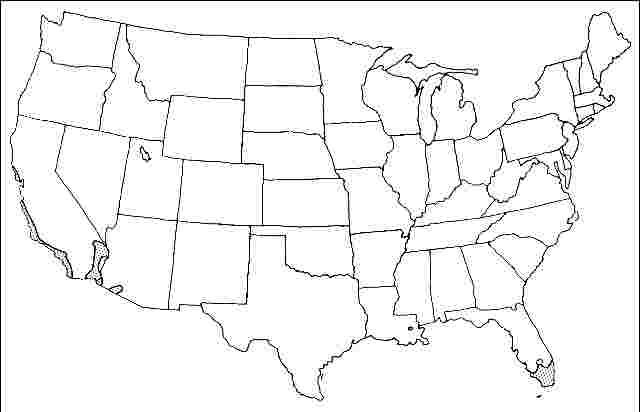
USDA hardiness zones: 10A through 11 (Figure 2)
Origin: native to southern China
UF/IFAS Invasive Assessment Status: not considered a problem species at this time, may be recommended (North, Central, South)
Uses: hedge; fruit; specimen; screen; container or planter; deck or patio
Description
Height: 30 to 50 feet
Spread: 30 to 50 feet
Crown uniformity: symmetrical
Crown shape: round, spreading
Crown density: dense
Growth rate: moderate
Texture: medium
Foliage
Leaf arrangement: alternate
Leaf type: odd-pinnately compound; made up of 4-8 leaflets
Leaf margin: entire
Leaf shape: elliptic to lanceolate
Leaf venation: pinnate
Leaf type and persistence: broadleaf evergreen, evergreen
Leaf blade length: 5 to 8 inches; leaflets are 2 to 3 inches
Leaf color: emerge bronze red, become dark green and shiny on top and grayish green underneath
Fall color: no color change
Fall characteristic: not showy
Credit: UF/IFAS
Flower
Flower color: greenish white to yellow
Flower characteristics: showy; emerges in clusters on 1-2 ½' long, terminal panicles
Flowering: spring
Credit: UF/IFAS
Fruit
Fruit shape: round to heart-shaped
Fruit length: 1 ½ inch
Fruit covering: fleshy drupe; warty outer skin
Fruit color: strawberry red
Fruit characteristics: does not attract wildlife; showy; fruit/leaves a litter problem
Fruiting: summer
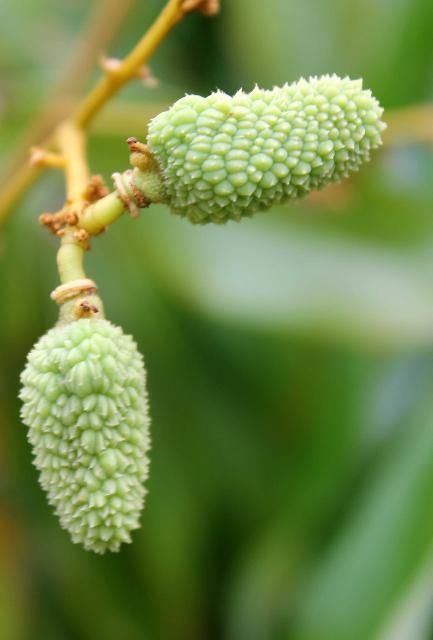
Credit: UF/IFAS
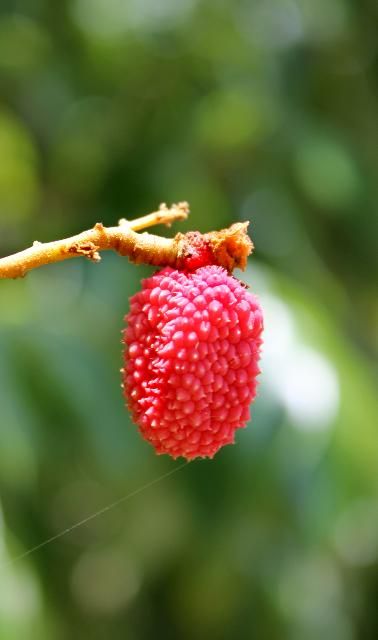
Credit: UF/IFAS
Trunk and Branches
Trunk/branches: branches droop; not showy; typically multi-trunked; no thorns
Bark: gray and smooth
Pruning requirement: needed for strong structure
Breakage: resistant
Current year twig color: green
Current year twig thickness: thin
Wood specific gravity: unknown
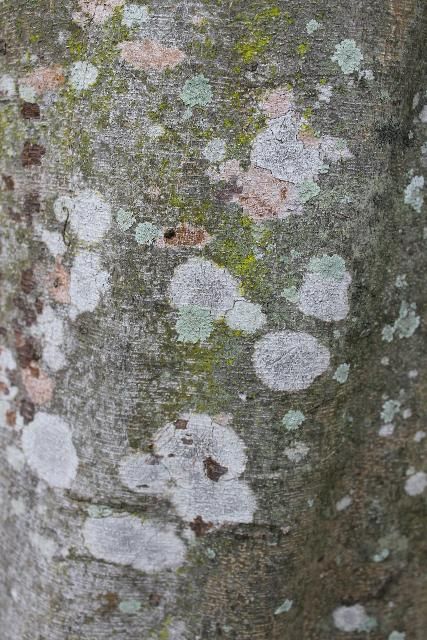
Credit: Gitta Hasing, UF/IFAS
Culture
Light requirement: full sun
Soil tolerances: clay; sand; loam; acidic; slightly alkaline; well-drained to occasionally wet
Drought tolerance: moderate
Aerosol salt tolerance: none
Other
Roots: not a problem
Winter interest: no
Outstanding tree: yes
Ozone sensitivity: unknown
Verticillium wilt susceptibility: unknown
Pest resistance: resistant to pests/diseases
Use and Management
The tree may be located near a patio, in a shrub border, or as an accent in the lawn. The thick canopy also makes it well-suited as a screen. Spaced 20 to 30 feet apart, they make a nice median or boulevard tree.
Easily grown in full sun on deep, fertile, well-drained soil, lychee should be located where it can be protected from strong winds. The dense canopy can catch the wind and the tree can topple over in strong wind. Proper thinning can help prevent this. Plants should receive regular watering and fertilization, as iron deficiency can show in alkaline soil.
Several named cultivars are available for best fruit production: `Brewster', `Mauritius', `Sweet Cliff', `Kate Sessions', and `Kwai Mi'.
Propagation is by air-layering.
Pests
Scales.
Diseases
Mushroom root rot can be a problem on soils where oaks were grown.
Reference
Koeser, A.K., Friedman, M.H., Hasing, G., Finley, H., Schelb, J. 2017. Trees: South Florida and the Keys. University of Florida Institute of Food and Agricultural Sciences.