


Tabebuia heterophylla: Pink Trumpet Tree1
Introduction
Pink trumpet tree grows at a moderate rate from a slim pyramid when young to a broad silhouette, 20 to 30 feet tall. The palmately compound, green leaves are evergreen throughout most of its range but may be briefly deciduous as the new leaves emerge. The showy display of pink or white, bell-shaped blooms appears throughout the spring and summer and is followed by the production of long, slender seedpods.
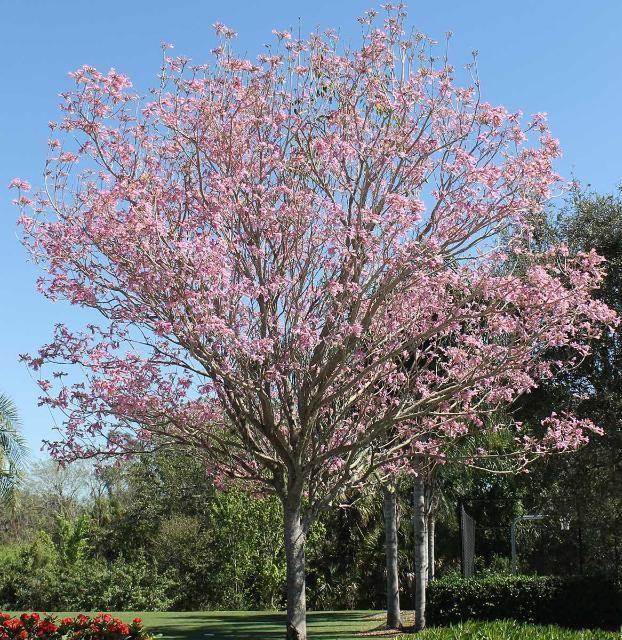
General Information
Scientific name: Tabebuia heterophylla
Pronunciation: tab-eh-BOO-yuh het-er-oh-FILL-uh
Common name(s): Pink trumpet tree
Family: Bignoniaceae
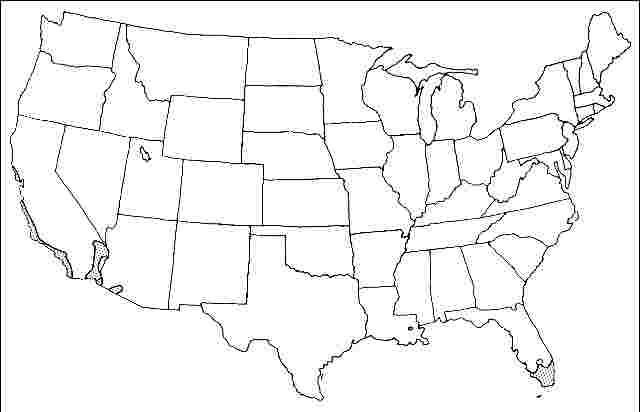
USDA hardiness zones: 10A through 11 (Figure 2)
Origin: native to Puerto Rico and the West Indies
UF/IFAS Invasive Assessment Status: not considered a problem species at this time, may be recommended
Uses: specimen; street without sidewalk; deck or patio; parking lot island < 100 sq ft; parking lot island < 100 sq ft; parking lot island 100–200 sq ft; parking lot island > 200 sq ft; tree lawn 4–6 feet wide; tree lawn 3–4 feet wide; tree lawn > 6 ft wide; urban tolerant; highway median
Description
Height: 20 to 30 feet
Spread: 15 to 25 feet
Crown uniformity: irregular
Crown shape: oval
Crown density: open
Growth rate: moderate
Texture: medium
Foliage
Leaf arrangement: opposite/subopposite
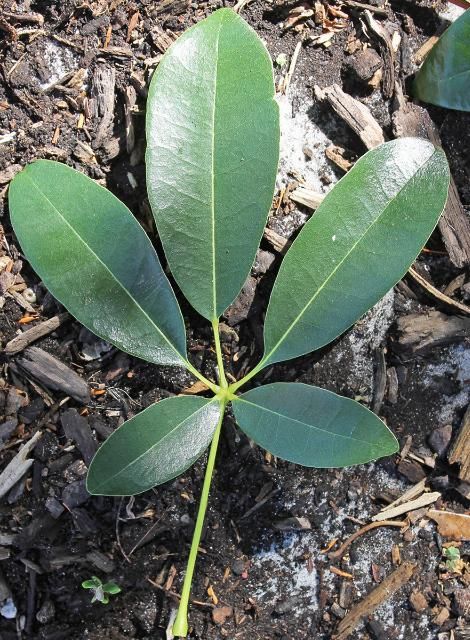
Leaf type: palmately compound; made up of 5 or fewer leaflets
Leaf margin: entire, undulate
Leaf shape: oblong, elliptic (oval)
Leaf venation: pinnate
Leaf type and persistence: evergreen, semi-evergreen
Leaf blade length: 6 to 12 inches; leaflets 2 to 6 inches
Leaf color: medium green on top, lighter green underneath
Fall color: no color change
Fall characteristic: not showy
Flower
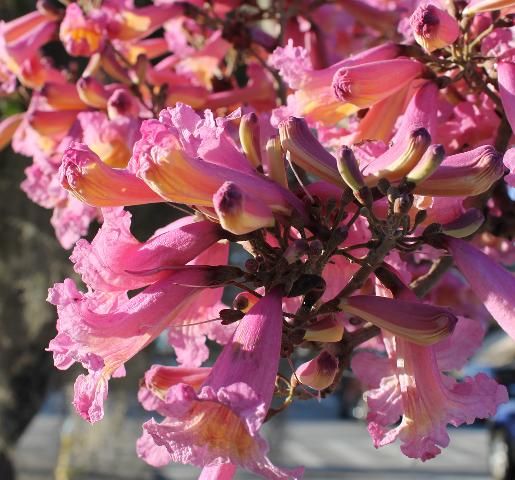
Flower color: pink, white/cream/gray
Flower characteristics: very showy; trumpet-shaped and emerges in clusters at the ends of branches
Flowering: spring and summer
Fruit
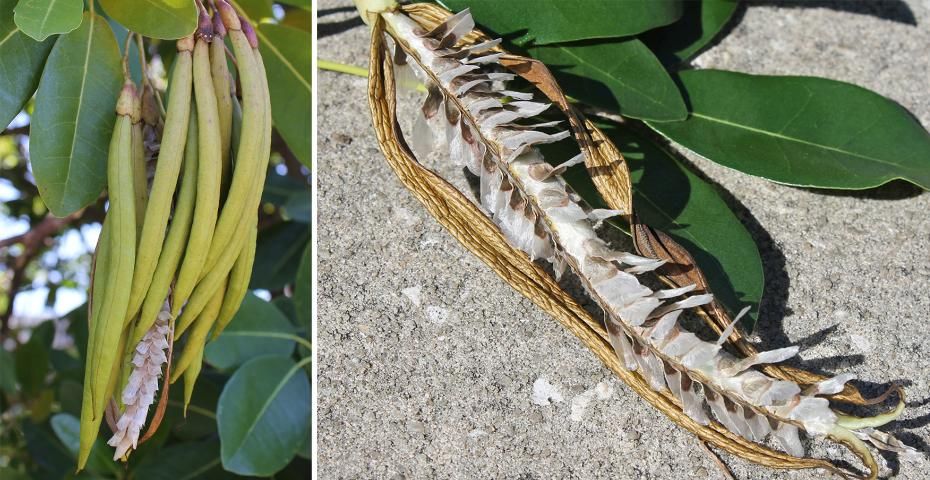
Fruit shape: pod or pod-like, elongated
Fruit length: 3 to 12 inches
Fruit covering: dry or hard
Fruit color: brown
Fruit characteristics: does not attract wildlife; showy; fruit/leaves not a litter problem
Fruiting: shortly after flowering
Trunk and Branches
Trunk/branches: branches don't droop; not showy; typically one trunk; no thorns
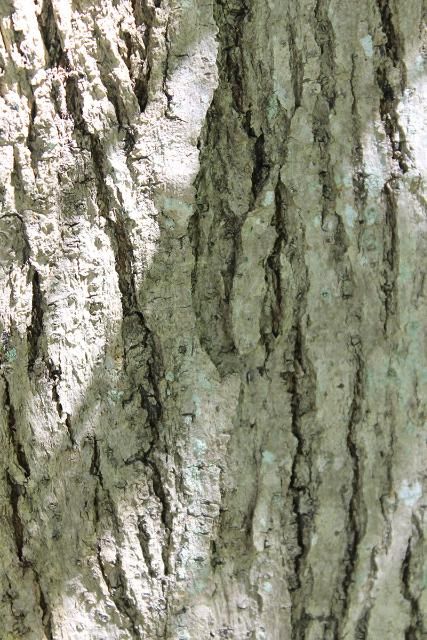
Bark: silvery gray and smooth, becoming scaly with age
Pruning requirement: needed for strong structure
Breakage: susceptible to breakage
Current year twig color: brown
Current year twig thickness: medium
Wood specific gravity: 0.55
Credit: Gitta Hasing
Culture
Light requirement: full sun
Soil tolerances: clay; sand; loam; alkaline; acidic; well-drained
Drought tolerance: high
Aerosol salt tolerance: moderate
Other
Roots: not a problem
Winter interest: no
Outstanding tree: yes
Ozone sensitivity: unknown
Verticillium wilt susceptibility: unknown
Pest resistance: free of serious pests and diseases
Use and Management
Pink trumpet tree is well suited for use as a street tree or for other areas such as in parking lot islands and buffer strips where temperatures are high and soil space limited. They will create a canopy over a sidewalk when planted on 25 to 30 foot centers if they are properly pruned. Develop high, arching branches several years after planting by removing the lower, drooping branches. This branching habit may take several pruning's to accomplish. Pink trumpet tree can also be used as a shade tree for a residential property near the patio or deck, or it can be planted to provide shade to the driveway. The tree will provide lasting shade plus the added benefit of a sensational seasonal color show.
Pink trumpet tree should be grown in full sun on almost any well-drained soil, wet or dry. Established trees are moderately salt-tolerant and highly drought-tolerant. This tree is reported to be more tolerant of urban conditions than the yellow trumpet tree.
Propagation is by seed or by vegetative methods. Vegetatively propagated trees would help ensure that trees bloom at the same time. Seed propagated trees flower at different times.
Pests and Diseases
No pests or diseases are of major concern.
References
Koeser, A. K., Hasing, G., Friedman, M. H., and Irving, R. B. 2015. Trees: North & Central Florida. Gainesville: University of Florida Institute of Food and Agricultural Sciences.
Koeser, A.K., Friedman, M.H., Hasing, G., Finley, H., Schelb, J. 2017. Trees: South Florida and the Keys. Gainesville: University of Florida Institute of Food and Agricultural Sciences.

