
Introduction
Chinese Jujube is an interesting deciduous tree with spiny, gnarled branches and an open, irregular form. Growing at a moderate pace, Chinese Jujube reaches anywhere from 15 to 35 feet in height with a spread of 10 to 30 feet and can be trained to a single trunk. Most unpruned plants grow with several trunks. The mottled gray/black bark is rough and shaggy. The one to two-inch-long leaves have a paler underside and sharp spines at the base of each leaf. Fall color is often a showy yellow, but not consistent. In spring, small clusters of yellow or white, fragrant blossoms appear, hidden in foliage between the leaf and stems. The one-inch-long green fruits ripen to dark red and finally black. Eaten either fresh, candied, canned, or dried like dates, these fruits are quite sweet. Even young, two-year-old trees are able to produce these delectable treats but be forewarned that these fruits can create quite a litter problem. Locate the tree so the fruit drops in a mulch bed or on the lawn, not on a sidewalk, patio or driveway.
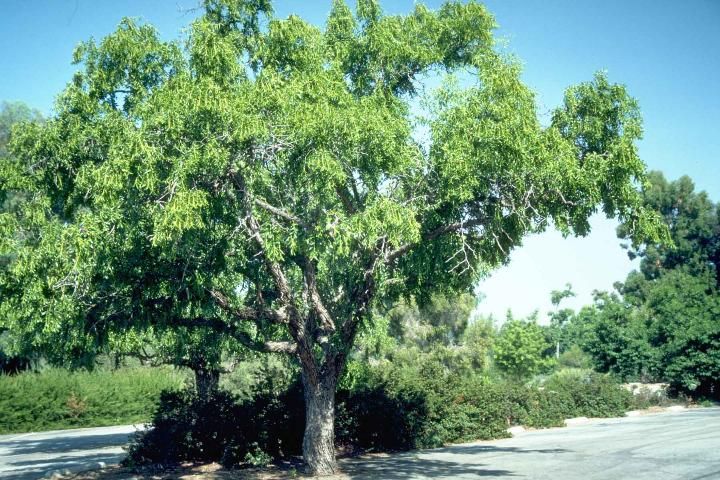
Credit: Ed Gilman
General Information
Scientific name: Ziziphus jujuba
Pronunciation: ZIZ-ih-fuss joo-JOO-buh
Common name(s): Chinese Date, Common Jujube, Chinese Jujube
Family: Rhamnaceae
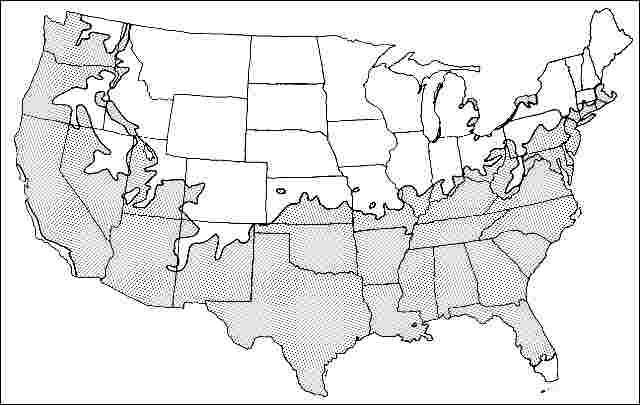
USDA hardiness zones: 6A through 9B (Fig. 2)
Origin: not native to North America
Invasive potential: invasive non-native
Uses: fruit
Availability: somewhat available, may have to go out of the region to find the tree
Description
Height: 15 to 35 feet
Spread: 10 to 30 feet
Crown uniformity: irregular
Crown shape: round, oval
Crown density: open
Growth rate: moderate
Texture: fine
Foliage
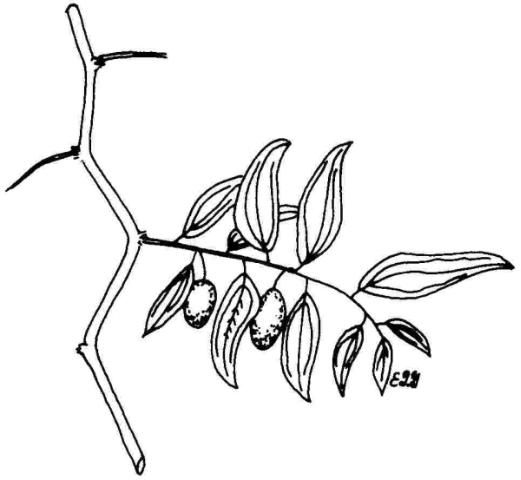
Leaf arrangement: alternate (Fig. 3)
Leaf type: simple
Leaf margin: crenate, serrulate
Leaf shape: ovate, lanceolate
Leaf venation: bowed
Leaf type and persistence: deciduous
Leaf blade length: less than 2 inches, 2 to 4 inches
Leaf color: green
Fall color: yellow
Fall characteristic: showy
Flower
Flower color: yellow
Flower characteristics: not showy
Fruit
Fruit shape: oval, round
Fruit length: .5 to 1 inch
Fruit covering: fleshy
Fruit color: red, black
Fruit characteristics: attracts squirrels/mammals; showy; fruit/leaves a litter problem
Trunk and Branches
Trunk/bark/branches: branches don't droop; not showy; typically one trunk; no thorns
Pruning requirement: needed for strong structure
Breakage: resistant
Current year twig color: brown
Current year twig thickness: medium
Wood specific gravity: unknown
Culture
Light requirement: full sun, partial sun or partial shade
Soil tolerances: clay; sand; loam; slightly alkaline; acidic; well-drained
Drought tolerance: high
Aerosol salt tolerance: unknown
Other
Roots: not a problem
Winter interest: no
Outstanding tree: no
Ozone sensitivity: unknown
Verticillium wilt susceptibility: resistant
Pest resistance: unknown
Use and Management
Chinese Jujube should be grown in full sun or partial shade on any well-drained soil, acid or alkaline. Plants do not do well on heavy clay or swampy soils.
Propagation is by seed, suckers, or grafting. Young plants transplant easily.
Pests and Diseases
No pests or diseases are of major concern.