


Aechmea distichantha Bromeliad
Introduction
The attractive green foliage of this easy-care, durable bromeliad is a perfect background for the brilliant, springtime flower stalk that emerges from the tight center rosette of leaves. The flower stalk is composed of a cluster of red, showy bracts lasting several months. It is the long-lasting bracts that are most noticeable and stand about 2 feet off the ground. They are very striking in full bloom.
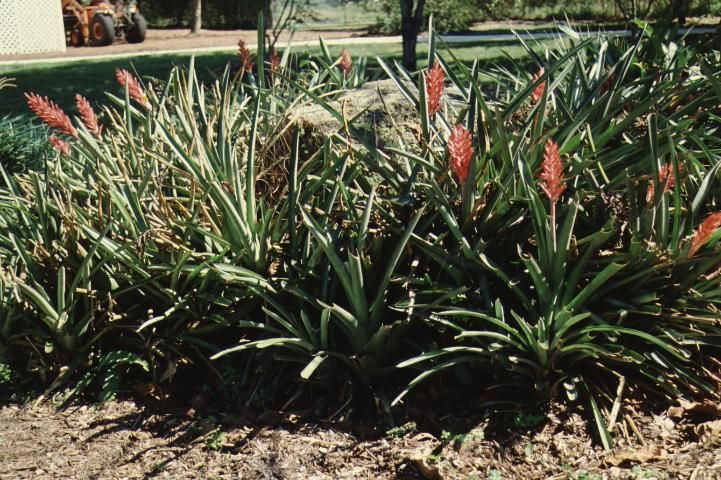
Credit: Edward F. Gilman, UF/IFAS
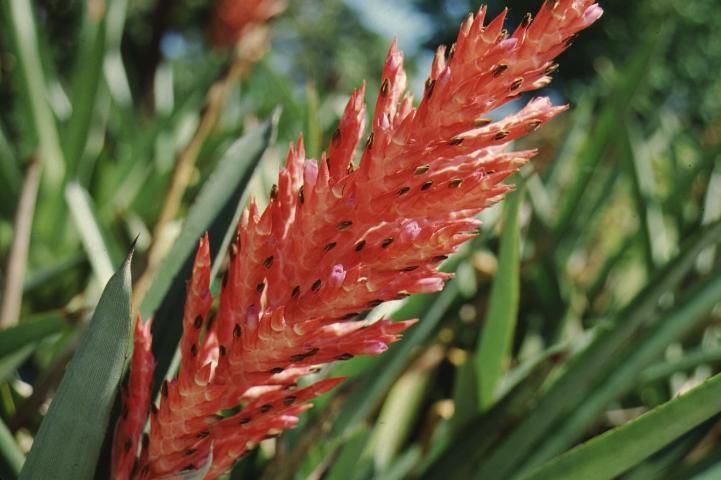
Credit: Edward F. Gilman, UF/IFAS
General Information
Scientific name: Aechmea distichantha
Pronunciation: eek-MEE-uh diss-stick-KANTH-uh
Common name(s): bromeliad
Family: Bromeliaceae
Plant type: perennial; herbaceous
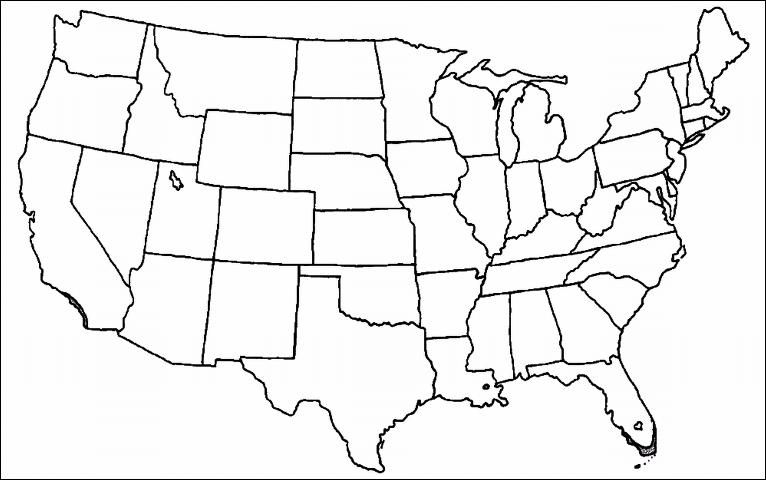
USDA hardiness zones: 10B through 11 (Figure 2)
Planting month for zone 10 and 11: year round
Origin: not native to North America
Invasive potential: not known to be invasive
Uses: mass planting; container or above-ground planter; ground cover; suitable for growing indoors
Availability: somewhat available, may have to go out of the region to find the plant
Description
Height: 2 to 3 feet
Spread: 1 to 2 feet
Plant habit: vase shape
Plant density: open
Growth rate: slow
Texture: coarse
Foliage
Leaf arrangement: basal rosette
Leaf type: simple
Leaf margin: spiny
Leaf shape: elliptic (oval)
Leaf venation: parallel
Leaf type and persistence: evergreen
Leaf blade length: 18 to 36 inches
Leaf color: blue or blue-green
Fall color: no fall color change
Fall characteristic: not showy
Flower
Flower color: red
Flower characteristic: spring flowering
Fruit
Fruit shape: no fruit
Fruit length: no fruit
Fruit cover: no fruit
Fruit color: not applicable
Fruit characteristic: inconspicuous and not showy
Trunk and Branches
Trunk/bark/branches: usually with one stem/trunk
Current year stem/twig color: not applicable
Current year stem/twig thickness: not applicable
Culture
Light requirement: plant grows in part shade/part sun
Soil tolerances: slightly alkaline; clay; sand; acidic; loam
Drought tolerance: high
Soil salt tolerance: poor
Plant spacing: 18 to 24 inches
Other
Roots: not applicable
Winter interest: no special winter interest
Outstanding plant: not particularly outstanding
Pest resistance: no serious pests are normally seen on the plant
Use and Management
Growing best in partial shade in moisture-retentive but well-drained soil, this bromeliad makes a handsome, tall ground cover or container plant. Place individual plants about 18 to 24 inches apart for an effective ground cover. A ground cover or mass planting in front of a green-foliaged shrub grouping that branches to the ground makes a nice, bright accent for a partially shaded spot. It can also be successfully grown epiphytically, or without soil, with moss around its roots. Wire it to the branches of rough-barked trees where its cupped rosette will catch needed water. Bromeliads are tough plants needing little care once they become established.
Propagation is by division of the offsets or by seed.
Design Considerations
The bold form and coarse texture of the bromeliad make it perfect for containers and highly visible spaces in the landscape. Use with plants that are softer with small foliage and mounding or spreading forms. Medium and light green foliage in the companion plants will highlight the dark green and red of the bromeliad. Pair with plants with more texture in the foliage to contrast with the smooth stiff leaves of the bromeliad. Use plants with no flowers or small to medium flowers with cool bright colors to contrast with the bright red of the bromeliad flower. Complementary colors include cool colors such as purples and blues. Use large masses of companion plants around the base or in front of the bromeliads when they are planted in a mass.
Pests and Diseases
Problems include scale and mosquitoes, which may breed in the trapped water in the leaves. Root rot is a problem if the soil is kept too moist. No irrigation is needed once the plant is well established.

