


Zanthoxylum fagara Wild Lime
Introduction
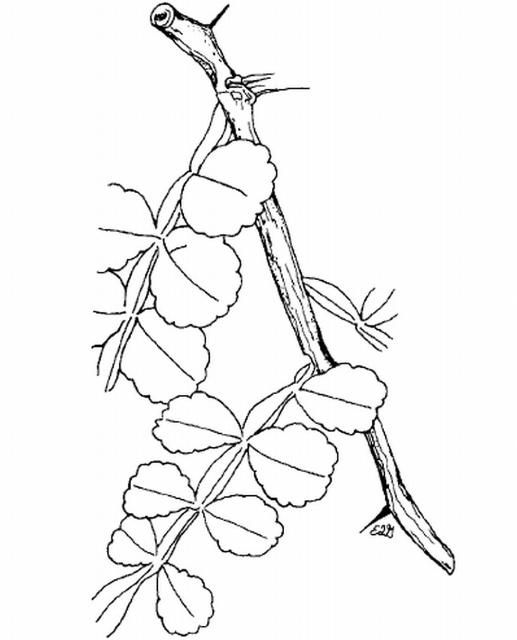
Wild lime is a small tree native to south Florida and the Caribbean Basin (Figure 1). It grows as an understory tree in the coastal upland plant communities on the lee side of the dunes in south Florida. Compound leaves have distinct wings along the leaf rachis and smell of lime when crushed. Most specimens in the woods have several stems emerging close to the ground. Specimens at nurseries can be grown with one or several trunks. Stems have sharp spines that can cause severe pain when they contact flesh.
General Information
Scientific name: Zanthoxylum fagara
Pronunciation: zan-THOCK-sill-lum fuh-GAR-ruh
Common name(s): wild lime
Family: Rutaceae
Plant type: tree
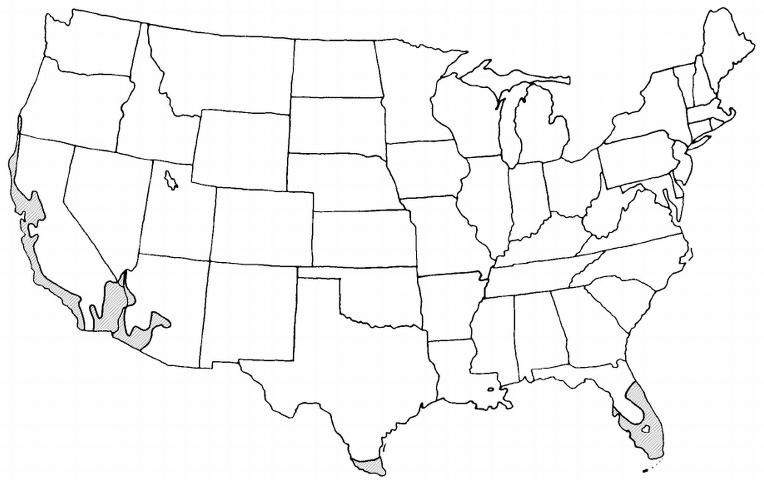
USDA hardiness zones: 9B through 11 (Figure 2)
Planting month for zone 9: year round
Planting month for zone 10 and 11: year round
Origin: native to Florida
Uses: reclamation plant; specimen; recommended for buffer strips around parking lots or for median strip plantings in the highway; border; attracts butterflies
Availability: generally available in many areas within its hardiness range
Description
Height: 15 to 25 feet
Spread: 15 to 20 feet
Plant habit: round
Plant density: moderate
Growth rate: moderate
Texture: fine
Foliage
Leaf arrangement: alternate
Leaf type: odd-pinnately compound
Leaf margin: crenate
Leaf shape: obovate
Leaf venation: pinnate
Leaf type and persistence: evergreen
Leaf blade length: less than 2 inches
Leaf color: green
Fall color: no fall color change
Fall characteristic: not showy
Flower
Flower color: yellow
Flower characteristic: flowers periodically throughout the year
Fruit
Fruit shape: round
Fruit length: less than .5 inch
Fruit cover: fleshy
Fruit color: black
Fruit characteristic: showy
Trunk and Branches
Trunk/bark/branches: thorns present; can be trained to grow with a short, single trunk; not particularly showy
Current year stem/twig color: brown
Current year stem/twig thickness: thin
Culture
Light requirement: plant grows in part shade/part sun
Soil tolerances: acidic; alkaline; sand; loam; clay
Drought tolerance: high
Soil salt tolerances: unknown
Plant spacing: 36 to 60 inches
Other
Roots: usually not a problem
Winter interest: no special winter interest
Outstanding plant: not particularly outstanding
Invasive potential: not known to be invasive
Pest resistance: no serious pests are normally seen on the plant
Use and Management
Although tolerance to shade allows wild lime to germinate and grow successfully as an understory tree, it adapts well to the full sun. Plants grown in the full sun are full, nearly symmetrical and make nice multi-trunked small patio trees. They can also be planted in a container or other area with limited soil space due to the small size of the mature plant.
Pests and Diseases
There are no serious pests or diseases that limit growth of this native tree.

