
What is a puréed food?
Puréed foods are prepared by mashing, grinding, or chopping food until a very fine, smooth texture is achieved. Mashed potatoes, squash, and pumpkin pie filling are examples of puréed foods. Although we all enjoy puréed foods as a part of a healthy diet, puréed diets may be recommended for frail people who have chewing and/or swallowing problems.
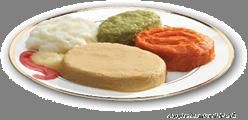
Credit: undefined
Why do we prepare puréed foods?
Most people are able to safely chew and swallow foods of many different textures. As we chew, food is broken down into small pieces. Saliva moistens and binds food pieces together in preparation for swallowing.
A dry or sore mouth can cause problems with chewing and swallowing. More serious problems, such as poor tongue control and reduced sensation in the mouth, may occur after a stroke. Problems with swallowing can occur with cancer, Parkinson's disease, and Alzheimer's disease. Puréed foods are prepared to ensure that people with chewing and swallowing problems are able to swallow safely and maintain their food intake.
Why are we concerned with swallowing problems?
When people have problems swallowing, food and liquids may enter the lungs (known as aspiration). This can cause coughing or choking. People with swallowing problems may become afraid of choking and may avoid food and beverages that are difficult to swallow. As a result, dehydration, weight loss, and malnutrition may occur.
What is an ideal puréed food texture?
The ideal puréed food should be "ready to swallow," not requiring any chewing or added saliva. Puréed foods should be moist, cohesive (holds together), and spoon thick. They should not be sticky, lumpy, dry, or runny.
How are puréed foods prepared?
Puréed foods are best prepared with a food processor. Hand blenders may also be used for small portions of easily processed foods, such as cooked vegetables or ripe fruits. Common household blenders are not recommended, as achieving a smooth texture is difficult. As well, preparing puréed foods in a blender often requires the addition of too much liquid, resulting in a runny final product.
Steps in preparing puréed food:
- Process foods in a food processor until fine in texture.
- If required, add small amounts of hot liquids for cooked foods or cold liquids for cold foods, and process until a smooth, pudding-like texture is achieved.
- Add seasonings or flavorings. Scrape down the sides and reprocess if needed.
- Reheat cooked, puréed foods or chill cold, thickened foods to serving temperature.
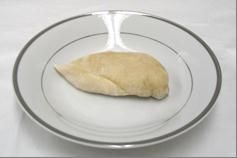
Credit: undefined
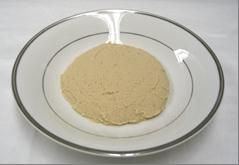
Credit: undefined
Texture Tips
A puréed food should be uniform in appearance and color—if you can see chunks or pieces, more processing is needed.
Spoon test your puree! The puree should spoon up like yogurt or pudding. If it drips or runs off the spoon, it may be too thin. If you can heap up the spoon, it may be too thick.
If the puréed food sticks to the spoon (or the roof of the taster's mouth), it is too sticky. Stickiness is a common problem with starchy foods such as mashed potatoes, puréed pastas, and rice—but it can be lessened by adding fat—butter, sour cream, or gravy. Avoid over processing starchy purées.
What if a puréed food is too runny?
- Infant rice cereal is a great thickener for many puréed foods.
- Canned chickpeas and other plain canned beans (puréed until smooth) can thicken up soups and vegetables, adding lots of nutrients.
What if the puréed food is too dry?
- Add flavorful liquids, such as milk to puréed desserts and gravy to puréed meats.
Temperature Tip
- Keep hot puréed foods hot and cold puréed foods cold. This is very important as puréed foods that are not handled properly pose a food safety risk.
Taste Tips
As puréed foods no longer look like the original foods, flavor needs to be fabulous!
- A bit of sugar can enhance the flavor of many puréed foods, such as puréed carrots or peas.
- Puréed vegetables and meats may need some added salt or fat to improve acceptability.
- The addition of common condiments, such as barbeque sauce to meats, adds lots of flavor.
- Taste the puréed food! All purées should taste great.
How is puréed food best served?
Serve puréed foods on attractive plates. Take the time to prepare attractive puréed foods with puréed garnishes to improve acceptability. Avoid mixing puréed foods together. For example, mixing peas and carrots together produces an unappetizing color.
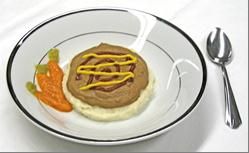
Credit: undefined
A Sample Puréed Menu
Baked Ham & Pineapple Purée
Rosemary Mashed Potatoes
Honey-Dijon Carrot Purée
Chocolate Raspberry Mouse
Serving great tasting, appetizing puréed foods will help to improve food intake and quality of life in people with swallowing disorders.
Where can I get more information?
Your local UF/IFAS Extension Family and Consumer Sciences (FCS) agent may have more information and classes for you to attend. Also, a registered dietitian nutritionist (RDN) can provide reliable information to you.