
Why do we need vitamin C?
Vitamin C, also known as ascorbic acid, has a wide variety of functions in the body. It helps to slow down or prevent cell damage. It is needed to keep body tissues and the immune system healthy. Dietary vitamin C also helps the body absorb iron from plant foods.
What happens if we do not get enough vitamin C?
Vitamin C is found in many foods we eat, and deficiency is rare. Scurvy, a disease caused by vitamin C deficiency, was common generations ago. Sailors who lived at sea for months at a time and ate no fresh fruits or vegetables often got scurvy. Today, scurvy is rare in the US, but not getting enough vitamin C may contribute to anemia, and lead to bleeding gums, infections, dry and splitting hair, and poor wound healing.
Credit: MKucova/iStock/Thinkstock.com
How much vitamin C do we need?
The following table lists recommended daily intakes of vitamin C. People who smoke need an additional 35 milligrams of vitamin C every day. Three large strawberries provide 33 milligrams of vitamin C.
How can we get enough vitamin C?
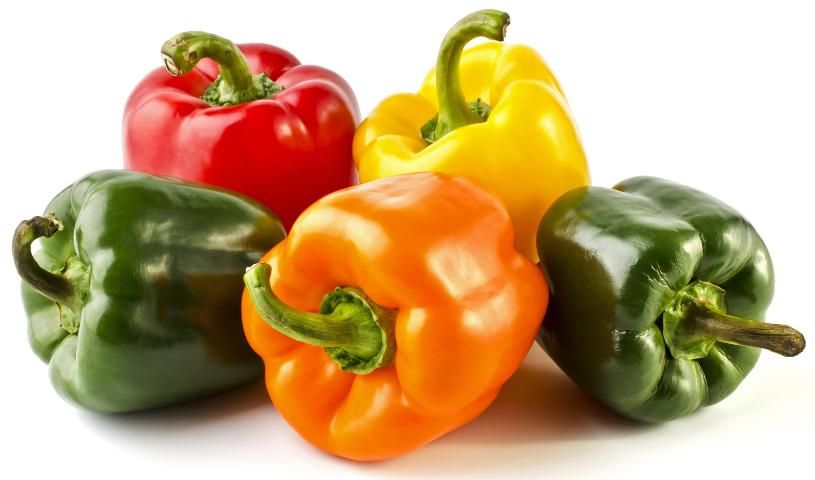
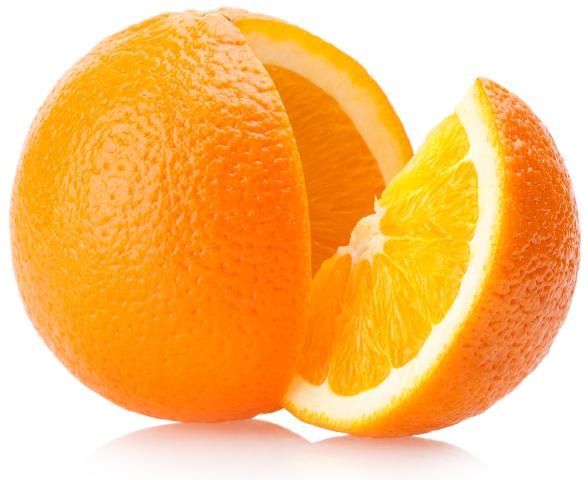
The best way to get enough vitamin C is by eating foods high in this vitamin rather than taking supplements. Fruits and vegetables are the best sources. Rich sources of vitamin C include citrus fruits and citrus fruit juices, sweet peppers, papayas, and strawberries.
Credit: Dmytro Potapchuk/iStock/Thinkstock.com
What about fortified foods?
Some juices and cereals have vitamin C added. The amount of vitamin C in each product varies. Check the Nutrition Facts label to see how much vitamin C the product contributes to your daily need.
How should foods be prepared to retain vitamin C?
Vitamin C is easily destroyed during preparation, cooking, or storage. To retain vitamin C, follow these tips:
- Eat fresh fruits and vegetables as soon as possible after buying them.
- Cut vegetables just before eating or cooking.
- Cook vitamin C-rich foods quickly in as little water as possible.
- Microwave, steam, or stir-fry to retain the most vitamin C; do not overcook.
Credit: Viktar Malyshchyts/iStock/Thinkstock.com
What about supplements?
Healthy individuals who eat plenty of fruits and vegetables rarely need vitamin C supplements. Contrary to popular opinion, taking vitamin C supplements does not prevent colds (Hemilä and Chalker 2013). However, some studies show that vitamin C supplements may decrease the duration of a cold (Hemilä and Chalker 2013; Ran et al. 2018).
How much is too much?
If you take a supplement, do not get more than 2000 mg/day of vitamin C from foods and supplements. Although excess vitamin C is mostly eliminated in the urine, high doses can cause headaches, frequent urination, diarrhea, and nausea. People with a history of kidney stones, particularly men, should avoid high levels of vitamin C (Ferraro et al. 2016; Thomas et al. 2013).
Where can I get more information?
Your local UF/IFAS Extension Family and Consumer Sciences (FCS) agent may have more written information and nutrition classes for you to attend. Also, a registered dietitian (RD or RDN) can provide reliable information to you.
Reliable nutrition information may be found on the Internet at the following site:
References
Ferraro, Pietro Manuel, Gary C. Curhan, Giovanni Gambaro, and Eric N. Taylor. 2016. “Total, Dietary, and Supplemental Vitamin C Intake and Risk of Incident Kidney Stones.” American Journal of Kidney Diseases 67 (3): 400–407. https://doi.org/10.1053/j.ajkd.2015.09.005
Hemilä, Harri, and Elizabeth Chalker. 2013. “Vitamin C for Preventing and Treating the Common Cold.” Cochrane Database of Systematic Reviews, no. 1.
Institute of Medicine. 2000. “Dietary Reference Intakes for Vitamin C, Vitamin E, Selenium, and Carotenoids.” Washington, DC: The National Academies Press. Accessed May 14, 2021. https://doi.org/10.17226/9810
Ran, Li, Wenli Zhao, Jingxia Wang, Hongwu Wang, Ye Zhao, Yiider Tseng, and Huaien Bu. 2018. “Extra Dose of Vitamin C Based on a Daily Supplementation Shortens the Common Cold: A Meta-Analysis of 9 Randomized Controlled Trials.” Edited by Hai-Feng Pan. BioMed Research International 2018 (July): 1837634. https://doi.org/10.1155/2018/1837634
Thomas, Laura D. K., Carl-Gustaf Elinder, Hans-Göran Tiselius, Alicja Wolk, and Agneta Åkesson. 2013. “Ascorbic Acid Supplements and Kidney Stone Incidence Among Men: A Prospective Study.” JAMA Internal Medicine 173 (5): 386–88. https://doi.org/10.1001/jamainternmed.2013.2296
U.S. Department of Agriculture and U.S. Agricultural Research Service. n.d. “FoodData Central.” n.d. Accessed May 13, 2021. https://fdc.nal.usda.gov/index.html