
Why do we need iron?
Iron is a mineral, and it is found in every cell in the body. It's an important part of red blood cells, which hold and carry oxygen to all the cells. Our cells use oxygen to make energy from the food we eat. Iron also is needed to keep the immune system healthy and help brain cells work normally.
What happens if we do not get enough iron?
Iron deficiency is one of the most common nutritional deficiencies in the world. Severe iron deficiency can lead to one type of anemia. Iron deficiency can be caused by several factors, including:
- not getting enough iron in the diet
- not absorbing iron properly
- losing blood from injury or illness

Without adequate iron, red blood cells cannot carry enough oxygen to other cells in the body. Cells that do not get oxygen cannot function properly.
Symptoms of an iron deficiency include:
- feeling tired
- rapid heart rate
- muscle weakness
How much iron do we need?
The following table lists recommended daily intakes of iron:
How can we get enough iron?
Both animal and plant foods contain iron, but our bodies absorb the iron from meats and other foods from animals better than iron from plant foods. To increase the amount of iron that is absorbed from plant foods, eat them with foods high in vitamin C or with meat, poultry, or fish. Foods high in vitamin C include oranges, peppers, and strawberries.
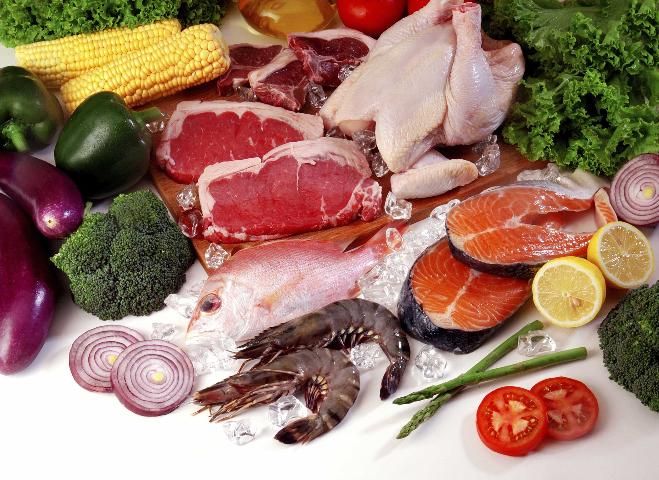
Credit: Aris Sanjaya/iStock/Thinkstock.com
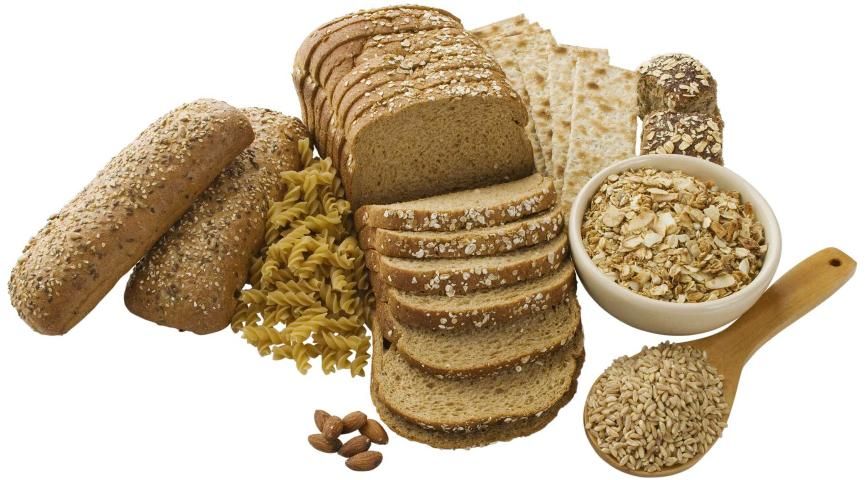
Credit: Tetra Images/Thinkstock.com
What about supplements?
Some groups of people need iron supplements. These include pregnant women and persons with an iron deficiency. People who do not get enough iron from food may choose to take an iron supplement.
Be sure to keep supplements out of the reach of children because an overdose of iron can be fatal.
How much is too much?
Too much iron can be toxic to the body. It can cause nausea, vomiting, constipation, or diarrhea. Over a long period of time, too much iron in the body can damage the liver. In addition, too much iron from supplements can reduce the amount of zinc that is absorbed.
You should not get more than 45 mg of iron per day from food and supplements.
Where can I get more information?
The Family and Consumer Sciences (FCS) agent at your local Extension office may have written information and nutrition classes for you to attend. Also, your doctor or a registered dietitian (RD) can provide reliable information.
Reliable nutrition information also may be found on the Internet at the following sites:
Reference
Institute of Medicine. 2001. “Dietary Reference Intakes for Vitamin A, Vitamin K, Arsenic, Boron, Chromium, Copper, Iodine, Iron, Manganese, Molybdenum, Nickel, Silicon, Vanadium, and Zinc.” Washington, DC: The National Academies Press. accessed May 13, 2021. https://www.ncbi.nlm.nih.gov/books/NBK222309/
National Institute of Health (NIH) Office of Dietary Supplements. 2021. “Iron: Fact Sheet for Health Professionals.” 2021. Accessed May 13, 2021. https://ods.od.nih.gov/factsheets/Iron-HealthProfessional/
U.S. Department of Agriculture and U.S. Agricultural Research Service. n.d. “FoodData Central.” n.d. Accessed May 13, 2021. https://fdc.nal.usda.gov/index.html