
Why do we need potassium?
Potassium is a mineral found inside body cells. It is one of several minerals known as electrolytes. These minerals (potassium, sodium, and chloride) are found in the fluids inside body cells (intracellular) and outside the cells (extracellular).
Potassium is important because it helps:
- regulate fluid and electrolyte balance
- maintain normal blood pressure
- transmit nerve impulses
- control muscle contraction, including the heart
- maintain healthy bones
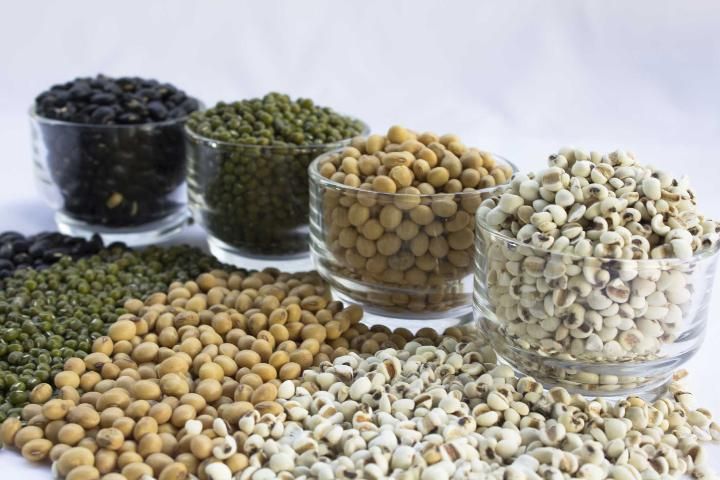
Credit: tofumax/iStock/Thinkstock.com
What happens if we do not get enough potassium?
Potassium deficiency is rare. People with kidney problems, excessive diarrhea, or vomiting, and those who regularly use laxatives could have low potassium levels. Symptoms of low potassium in the body include weakness, poor appetite, nausea, and fatigue. Low potassium intake has been linked to hypertension (high blood pressure) and osteoporosis.
How much potassium do we need?
The following table lists daily intake levels of potassium that are expected to be adequate for children and have positive effects on blood pressure and possibly decrease bone loss in adults.
What does potassium have to do with high blood pressure?
Studies show that eating the recommended amount of potassium can help maintain normal blood pressure. The best results occur when sodium intake is kept below 2,300 mg/day for adults.
Eating enough potassium can reduce the risk of stroke and may reduce bone loss. A potassium-rich diet can also reduce the risk of kidney stones.
How can we get enough potassium?
Potassium is readily available in our food supply.
Fruits and vegetables are the best dietary sources. Legumes (dried or canned)—such as kidney, pinto, black, or red beans, and lentils—are all good sources of potassium, as are nuts and seeds.
The following table provides potassium values for several foods that are good to excellent sources of this mineral.
What about supplements?
Because potassium is widely available in foods, supplements aren't usually needed. Some people who take diuretic medication for blood pressure control may need to get more potassium, but this is not true for all types of diuretics. Check with your doctor before taking a potassium supplement or using a salt substitute that contains potassium chloride.
How much is too much?
People who take diuretic medications or who have kidney disease should check with their doctor about proper potassium intake. Consuming more than five times the suggested amount of potassium can lead to hyperkalemia—high levels of potassium in the blood. Hyperkalemia can cause a heart attack and death.
Where can I get more information?
Your local UF/IFAS Extension Family and Consumer Sciences (FCS) agent may have more written information and nutrition classes for you to attend. Also, a registered dietitian (RD or RDN) can provide reliable information to you.
Reliable nutrition information may be found on the Internet at the following sites:
http://solutionsforyourlife.ufl.edu/families_and_consumers/health_and_nutrition/
https://medlineplus.gov/ency/article/002413.htm
http://healthyeating.nhlbi.nih.gov/ (heart-healthy recipes from NIH)
References
National Academies of Sciences, Engineering, and Medicine. 2019. Dietary Reference Intakes for Sodium and Potassium. Washington, D. C.: The National Academies Press. https://doi.org/10.17226/25353
U.S. Department of Agriculture, Agricultural Research Service. 2019. "FoodData Central." fdc.nal.usda.gov