
Introduction
Named for its conspicuous target-shaped eyespots, the common buckeye, Hübner, is one of the most distinctive and readily identifiable North American butterflies. It inhabits a wide variety of open, sunny landscapes including old fields, roadsides, utility corridors, gardens, parks, yards, fallow agricultural land, scrubs, pine savannas, and weedlots.
Distribution
The common buckeye is a resident across the southern United States and much of Mexico. In Florida, it can be found in all 67 counties. The butterfly regularly expands its range northward each year to temporarily colonize much of the U.S., occasionally reaching southern Canada. Starting in late summer and continuing through fall, huge numbers of adults migrate southward into peninsular Florida, where the adults overwinter.
Description
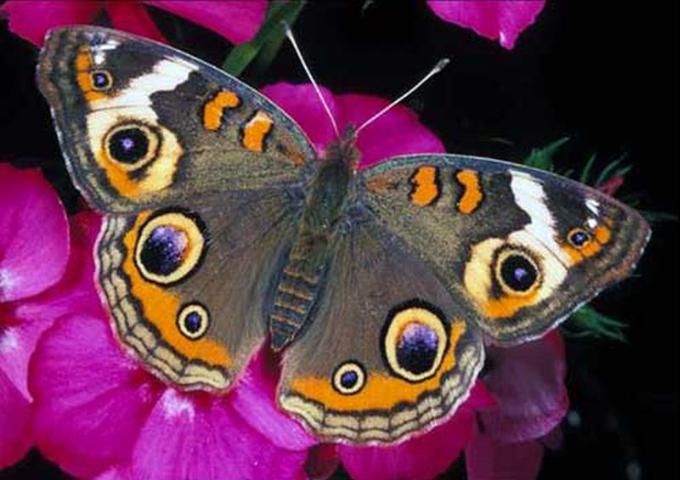
Adult: The common buckeye is a medium-sized butterfly with several large, conspicuous round eyespots. Adults have a wingspan range of 45 to 70 mm. Females are generally larger than males and have more rounded forewings. The upper surface of the forewing has a broad white postmedian band that touches and often encircles a single large eyespot. The forewing cell has two prominent orange bars. The upper surface of the hindwing has two large eyespots and a broad orange submarginal band. The undersides of the hindwings are seasonally variable. Individuals produced in the wet season (summer) have tan to brown ventral hindwings with more noticeable pattern elements. Individuals produced in the dry season (winter) are a rich reddish-brown.
Credit: Jaret C. Daniels, University of Florida
Credit: Jerry Butler,University of Florida
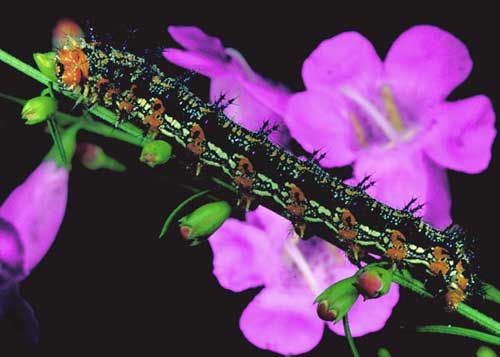
Larva: The mature larva is black with numerous blue-black branched spines.
Credit: Jaret C. Daniels, University of Florida
Pupa: The pupa is mottled brown and cream.
Life Cycle
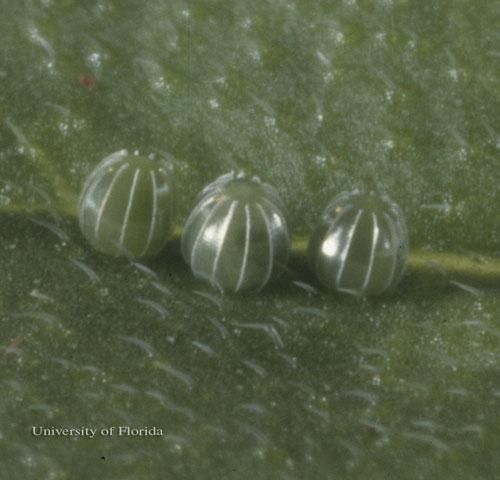
The common buckeye produces multiple generations each year. Adults may be found in all months of the year throughout much of Florida. Adults have a quick, erratic flight low to the ground and are quite wary of close approach. Both sexes (particularly males) perch on low vegetation or bare earth. Females lay the small green eggs singly on leaves of the host plant.
Hosts
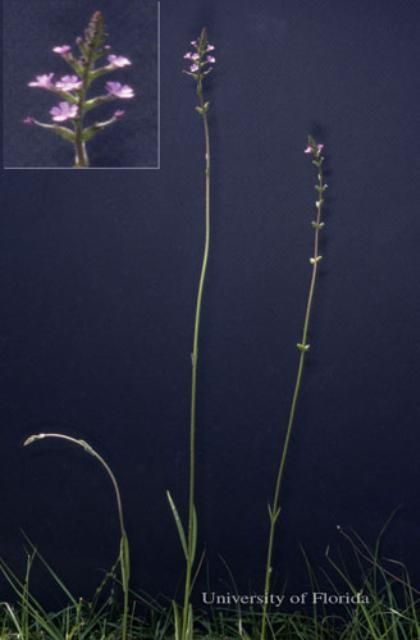
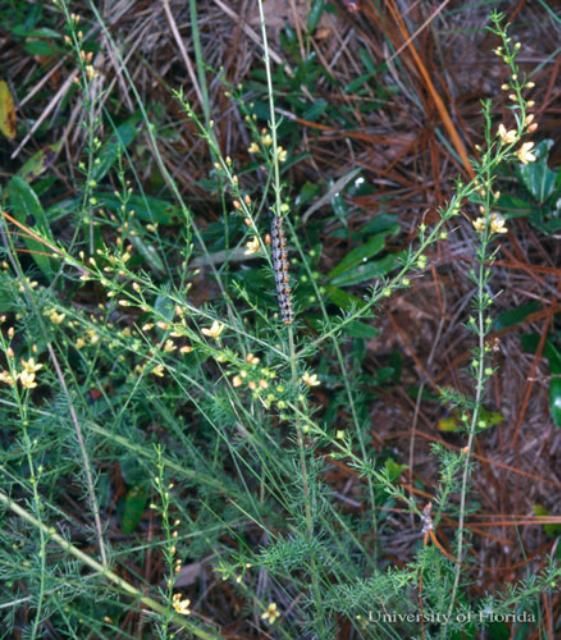
The larvae utilize a variety of herbaceous plants including:
-
American bluehearts, L. (Orobanchaceae)
-
false foxglove, spp. (Orobanchaceae)
-
plantain, spp. (Plantaginaceae)
-
toadflax, spp. (Veronicaceae)
-
turkey tangle fogfruit, L. (Verbenaceae)
-
twinflower, spp. (Acanthaceae)
-
yaupon blacksenna, (J.F. Gmel.) S.F. Blake (Orobanchaceae)
Credit: Donald Hall, University of Florida
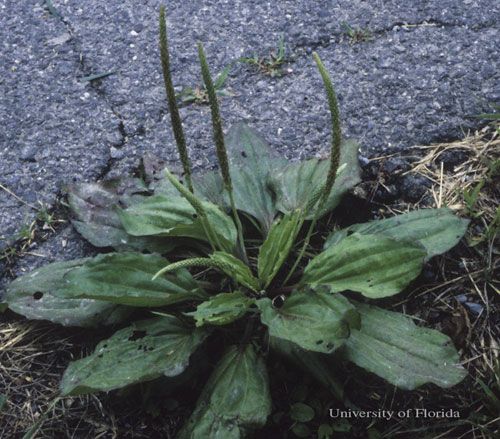
Credit: Donald Hall, University of Florida
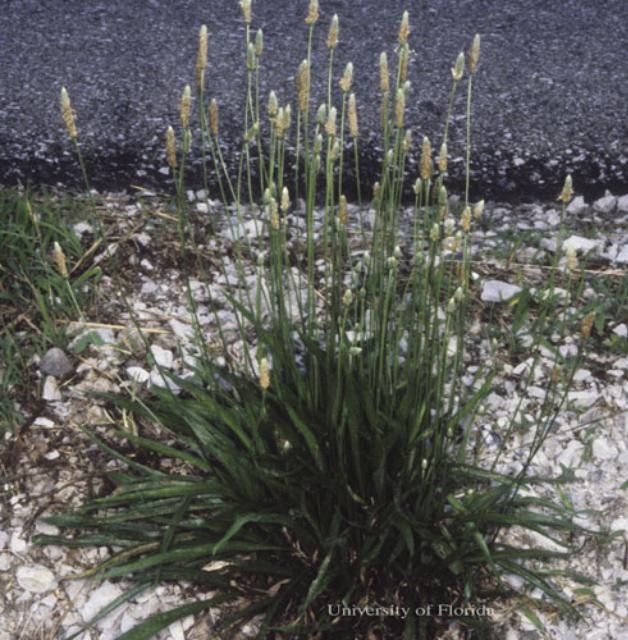
Credit: Donald Hall, University of Florida
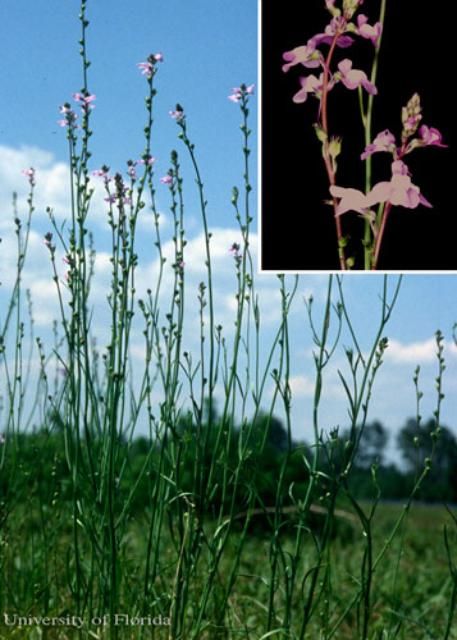
Credit: Donald Hall, University of Florida
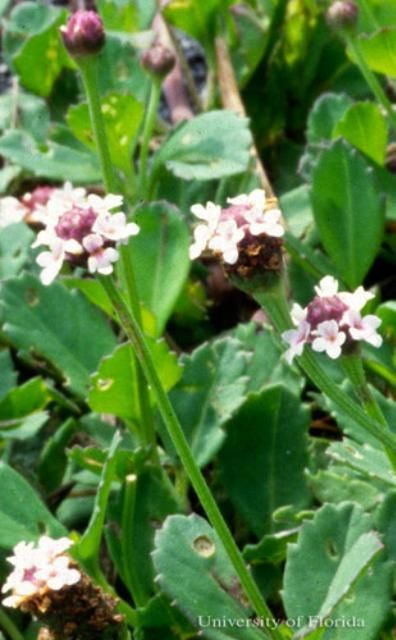
Credit: Donald Hall, University of Florida
Credit: Donald Hall, University of Florida
Selected References
Cech R, Tudor G. Butterflies of the East Coast: An Observer's Guide. 2005. Princeton University Press, Princeton, NJ. 345 pp.
Daniels JC. Butterflies of Florida Field Guide. 2003. Adventure Publications, Cambridge, MN. 250 pp.
Daniels JC. 2000. Butterflies 1: Butterflies of the Southeast. UF/IFAS. Card Set. SP273.
Kimball CP. 1965. The Lepidoptera of Florida; an annotated checklist. Arthropods of Florida and Neighboring Land Areas Vol. 1. Florida Department of Agriculture and Consumer Services, Division of Plant Industry. 363 pp.
Minno MC, Butler JF, Hall DW. 2005. Florida Butterfly Caterpillars and Their Host Plants. University Press of Florida, Gainesville. 341 pp.
Minno MC, Emmel TC. 1993. Butterflies of the Florida Keys. Scientific Publishers, Gainesville. 168 pp.
Opler P, Krizek G. 1984. Butterflies East of the Great Plains: An Illustrated Natural History. Johns Hopkins University Press, Baltimore, MD. 322 pp.