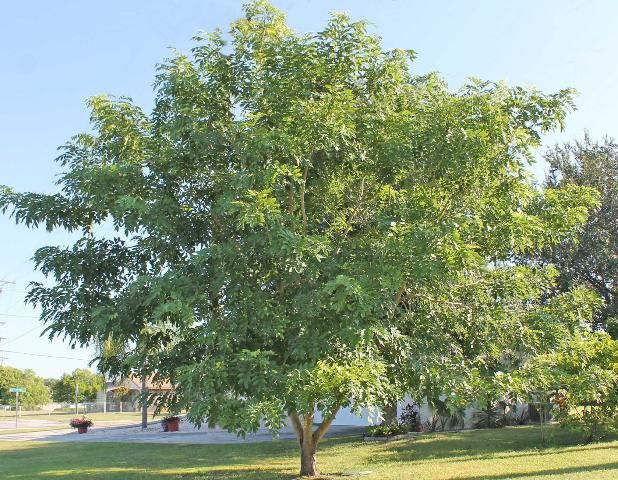
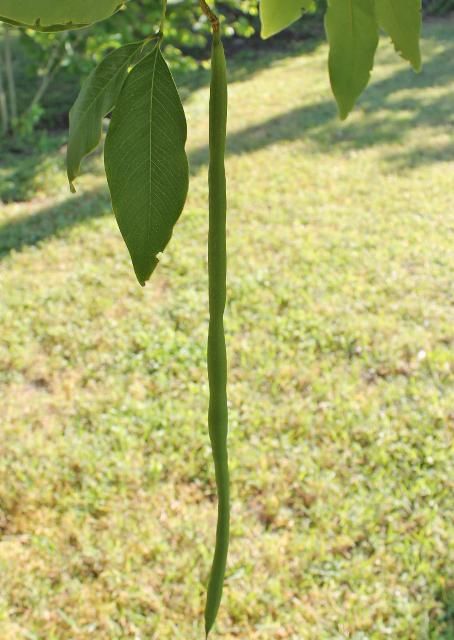
Golden shower is a fast-growing tree which reaches 30 to 40 feet in height and 30 to 40 feet wide. The well-spaced branches are clothed with pinnately compound leaves, with leaflets up to eight inches long and 2.5 inches wide. These leaves will drop from the tree for a short period of time and are quickly replaced by new leaves. In summer, golden shower is decorated with thick clusters of showy yellow blooms which cover the slightly drooping branches. The blooms are followed by the production of 2-foot-long, dark brown, cylindrical seedpods which persist on the tree throughout the winter before falling to litter the ground. The seeds contained within are poisonous.
Figure 1. Full Form—Cassia fistula: Golden-shower
General Information
Scientific name: Cassia fistula
Pronunciation: KASS-ee-uh FIST-yoo-luh
Common name(s): Golden shower
Family: Fabaceae
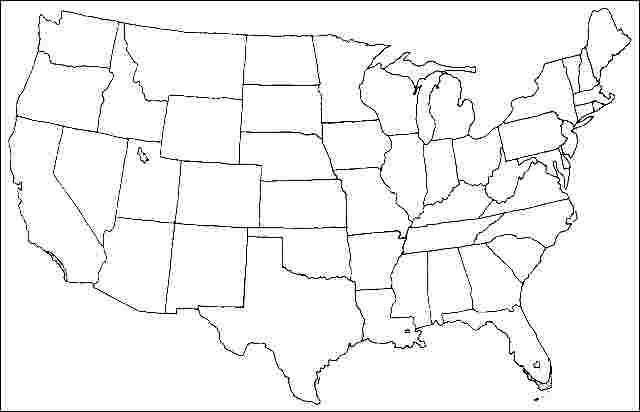
USDA hardiness zones: 10B through 11 (Figure 2)
Origin: native to India, Malaysia, and Southeast Asia
UF/IFAS Invasive Assessment Status: Not considered a problem species at this time, may be recommended (North, Central, South)
Uses: street without sidewalk; shade; specimen; tree lawn 4–6 feet wide; tree lawn > 6 ft wide; parking lot island 100–200 sq ft; parking lot island > 200 sq ft
Figure 2. Range
Description
Height: 30 to 40 feet
Spread: 30 to 40 feet
Crown uniformity: irregular
Crown shape: vase, oval, upright/erect
Crown density: moderate
Growth rate: fast
Texture: medium
Foliage
Leaf arrangement: alternate
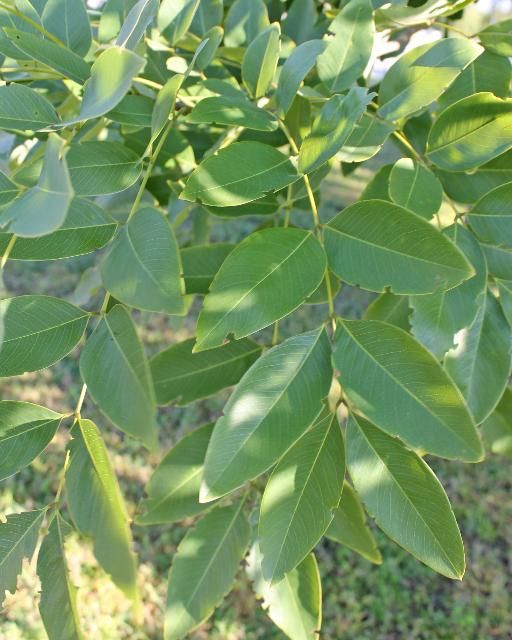
Leaf type: even-pinnately compound; made up of pairs of 4 to 8 leaflets
Leaf margin: entire, undulate
Leaf shape: elliptic (oval)
Leaf venation: pinnate
Leaf type and persistence: deciduous
Leaf blade length: 12 to 18 inches; leaflets are 3 to 6 inches
Leaf color: green
Fall color: yellow
Fall characteristic: not showy
Figure 3. Leaf—Cassia fistula: Golden-shower
Flower
Flower color: yellow
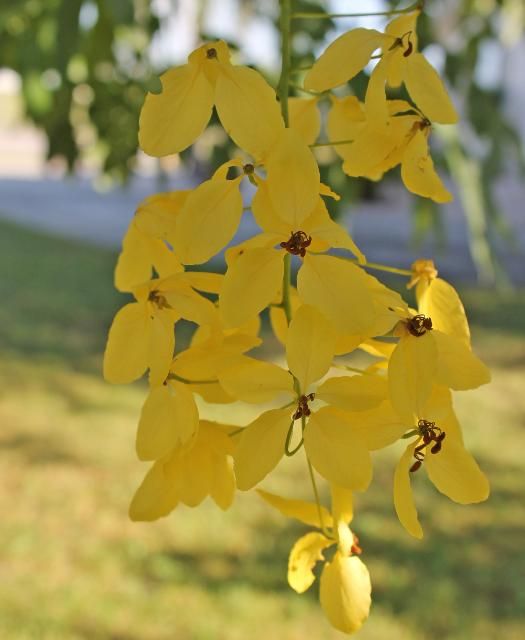
Flower characteristics: very showy; emerges in clusters 8"–18" long racemes
Flowering: spring to early summer, then again in early fall
Figure 4. Flower—Cassia fistula: Golden-shower
Fruit
Fruit shape: cylindrical;pod or pod-like, elongated
Fruit length: 1 to 2 feet
Fruit covering: dry or hard
Fruit color: green to black with maturity
Fruit characteristics: does not attract wildlife; showy; fruit/leaves a litter problem
Figure 5. Fruit—Cassia fistula: Golden-shower
Trunk and Branches
Trunk/branches: branches droop; not showy; typically one trunk; no thorns
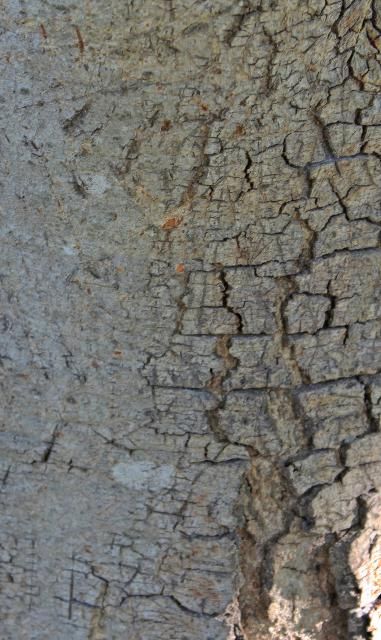
Bark: gray and smooth, becoming brownish and rough with age
Pest resistance: free of serious pests and diseases
Use and Management
Golden shower is ideal for use as a specimen planting. It can look a bit coarse and unkempt for short periods when the leaves drop but the vibrant flower display more than makes up for this. Some communities have planted this as a street tree where it has held up quite well.
Golden shower should be grown in full sun on well-drained soil. The trees are moderately drought- and salt-tolerant. Although golden shower is damaged by temperatures falling slightly below freezing, it will come back with warmer weather. Trees will need occasionally pruning when they are young to control shape and develop a uniform crown. Young trees can grow asymmetrical with branches often drooping toward the ground. Staking and proper pruning will help develop a well-shaped and structured crown.
Propagation is by seeds (which are poisonous).
Pests
No pests are of major concern but occasionally bothered by caterpillars.
Diseases
Mildew, leaf spot, root rot diseases.
References
Koeser, A. K., Hasing, G., Friedman, M. H., and Irving, R. B. 2015. Trees: North & Central Florida. Gainesville: University of Florida Institute of Food and Agricultural Sciences.
Koeser, A.K., Friedman, M.H., Hasing, G., Finley, H., Schelb, J. 2017. Trees: South Florida and the Keys. Gainesville: University of Florida Institute of Food and Agricultural Sciences.