
The purpose of this publication is to offer educational insights into the horticultural aspects of kratom (Mitragyna speciosa) based on empirical scientific research. This guidance is intended for anyone interested in cultivating kratom.
Introduction
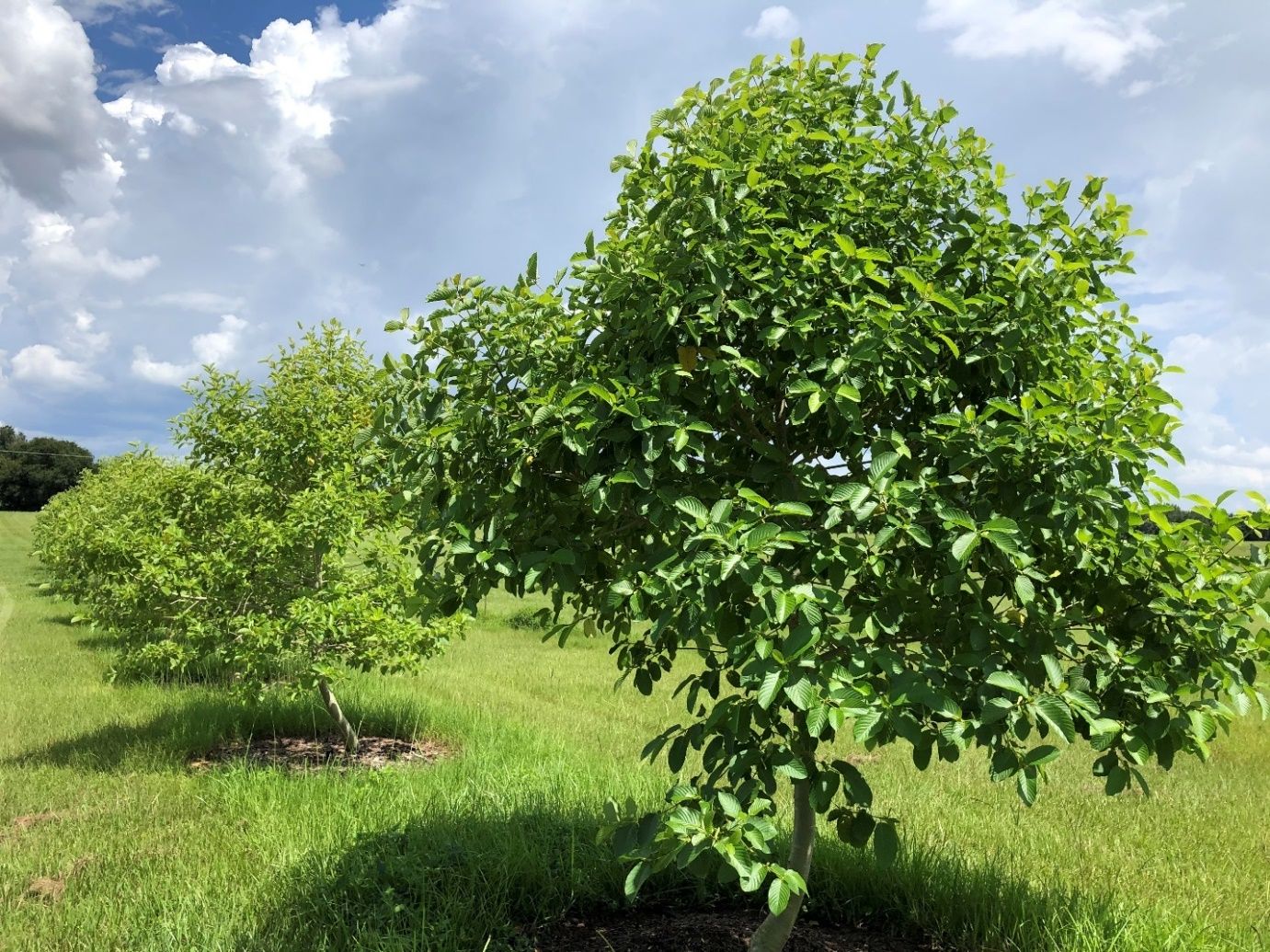
Kratom (Mitragyna speciosa) is a member of the family Rubiaceae, a group of plants known for producing diverse bioactive metabolites. Arguably, the most widely known member of the Rubiaceae family is coffee (Coffea arabica), which yields seeds (coffee beans) that contain bioactive metabolites, including the central nervous system stimulant caffeine. Unlike coffee, kratom is a facultatively deciduous tropical tree (Figure 1) native to Southeast Asia. Other species closely related to kratom include M. hirsuta, M. diversifolia, and M. parvifolia. Many species in this family are widely distributed, but most are concentrated in tropical regions (Martins and Nunez 2015).
Credit: Mengzi Zhang, UF/IFAS
Taxonomy
Kingdom: Plantae
Order: Gentianales
Family: Rubiaceae
Subfamily: Cinchonoideae
Tribe: Naucleeae
Genus: Mitragyna
Species: speciosa
Other Common Names
Ketum, kakum/kakuam, biak/biak-biak, thang, thom, and sepat
Distribution and Native Growing Habitat
Kratom is native to central/southern Thailand, north peninsular Malaysia, Sumatra, Borneo, the Philippines, and New Guinea (Ridsdale 1978). It has also been reported in Vietnam and Myanmar (Schultes and Hofmann 1973). Kratom naturally inhabits tropical environments near freshwater swamps, wetlands, or marshy regions along riverbanks where soils are typically saturated by water for 8–10 months (Nilus et al. 2011). As a result of its recently increased popularity, kratom has been cultivated in Southeast Asia and some regions of the United States.
Botanical Description
In its native tropical environment, kratom trees can reach up to 80 feet in height and 15 feet in width (Eisenman 2014). The trunk is usually straight, and the outer bark is light grayish green in color and spotted with lenticels. Kratom persists as an evergreen tree but can become deciduous when grown in colder climates. In cultivation, it is typically grown as a small- to medium-sized tree (15–30 feet tall with a canopy width of up to 6 feet), which allows the leaves to be easily accessed when harvesting.
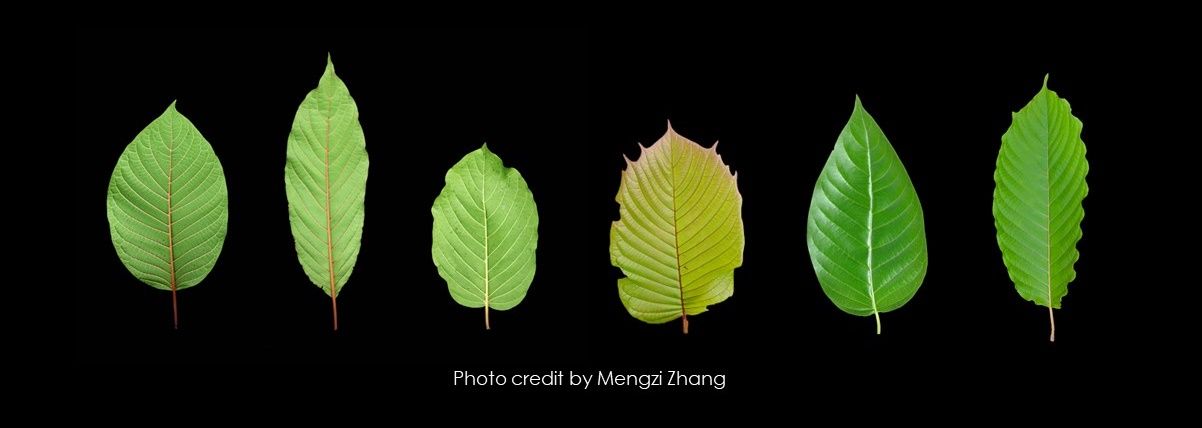
Kratom leaves emerge from the stem, and each pair of leaves is accompanied by two stipules, a small leaflike structure located at the base of the petiole. They are initially about 2 inches in length but enlarge greatly as they mature. Fully matured and expanded kratom leaves are approximately 6–8 inches long and 3–5 inches wide. However, leaves that originate on a central branch can be double this size. Leaves are typically oppositely arranged with lanceolate and conspicuous stipules. Leaf shape varies but is generally elliptic or ovate with an acute to cuspidate apex (Figure 2). The leaf edges are often smooth or wavy, but horned leaves are also noted in some varieties (Figure 2). Leaf texture and surface range from waxy-glossy to soft-matte. Each leaf also has 12–15 pairs of veins in a pinnate arrangement (Eisenman 2014). The most commonly observed leaf vein colors are red, white, and green, depending on the life cycle and developmental stage of the leaf.
Credit: Mengzi Zhang, UF/IFAS
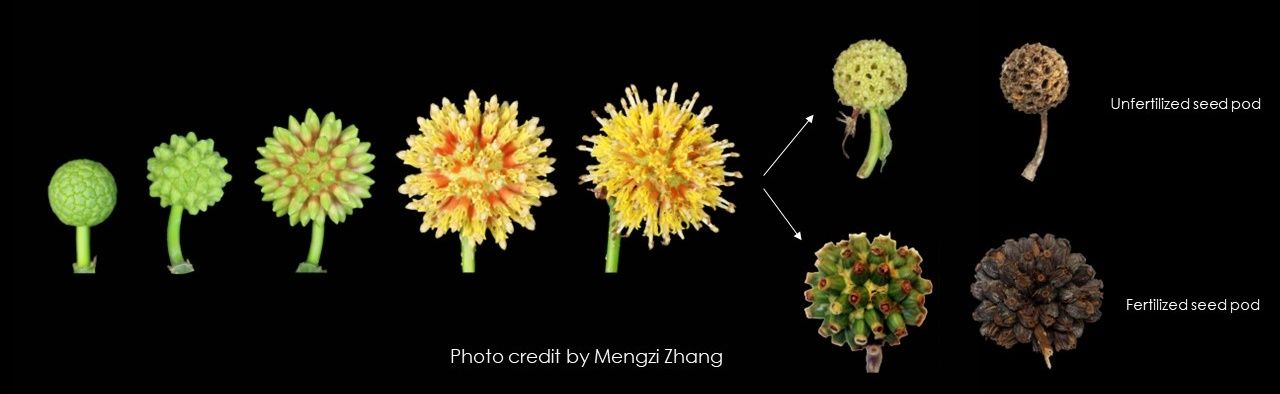
Kratom produces spherical flower clusters, known as inflorescences. They emerge determinately and often appear in groups of threes (one central inflorescence and two axillary inflorescences), each on its own flower stalk. Some branches, however, may only bear one or two inflorescences. The inflorescence begins as a small, green, spherical head absent of any visible floral characteristics. Eventually, a bell-shaped flower structure called a campanulate corolla emerges, giving the kratom inflorescence its signature spiked appearance (Figure 3). Each inflorescence bears 80–100 small, stalkless flowers that have both male and female parts (called bisexual flowers). As each flower blooms, a pistil and five stamens emerge from their centers. Each flower contains an inferior two-chambered ovary located below the other flower parts, and this ovary holds many ovules (potential seeds). The mechanism that triggers kratom flowering has not yet been described. Plants generally flower seasonally once a certain maturity is reached. Interestingly, when they are propagated through stem cuttings, plants derived from the cuttings appear to inherit the maturity of the stock plant and are able to flower regardless of the actual size (Figure 4).
Credit: Mengzi Zhang, UF/IFAS

Credit: Mengzi Zhang, UF/IFAS
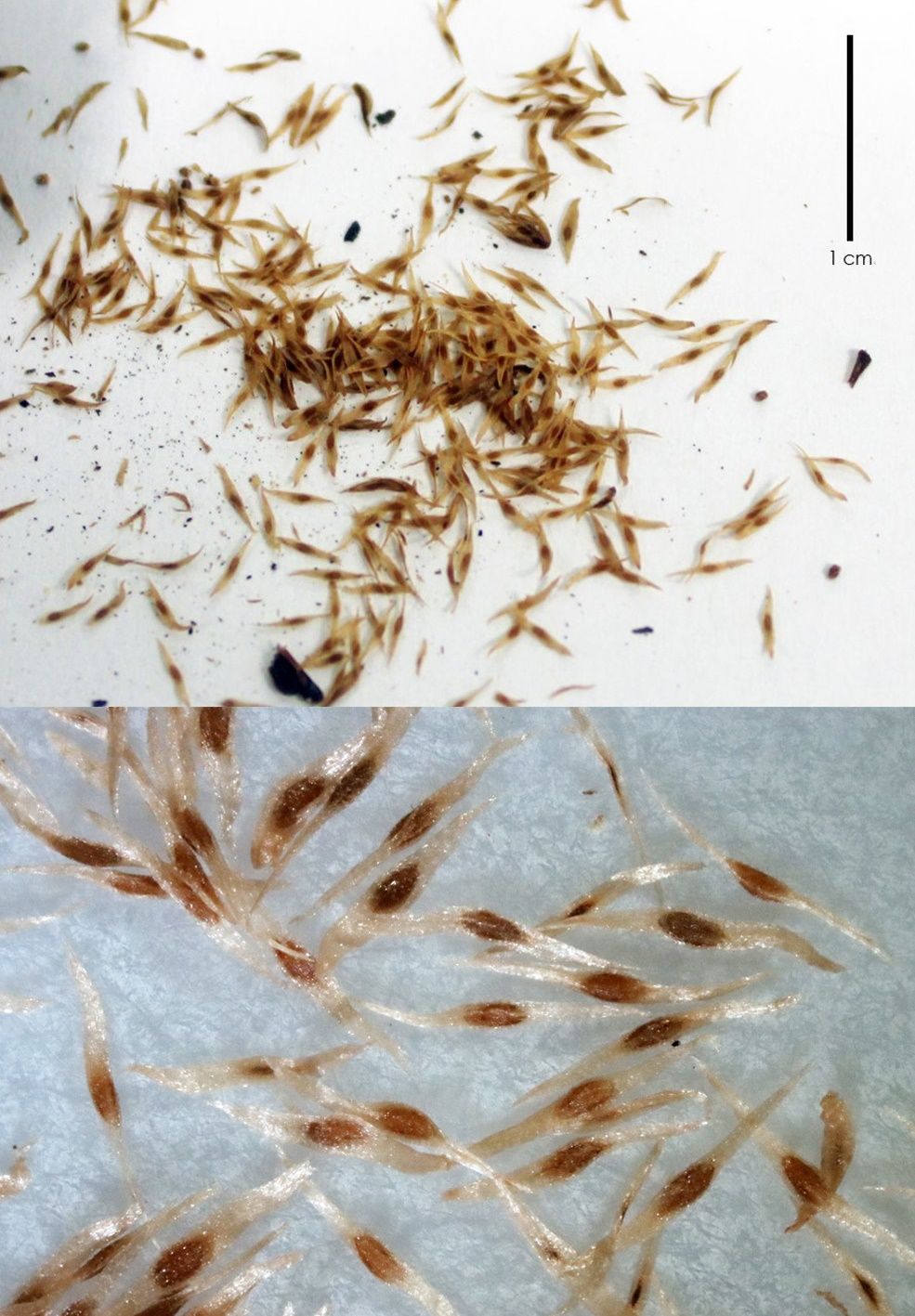
The mature flower has a bright yellow color and emits a sweet floral scent. Kratom flowers attract a wide variety of pollinators, which appear to be needed for pollination. Pollination can be enhanced by gently tapping the tops of the flowers with a soft paintbrush to transfer pollen to the stigmatic surface. Kratom fruit are capsular, and their small, winged seeds (1–2 mm) are capable of traveling a long distance by wind or water (Figure 5). The seed morphology is relatively conserved but varies in size and color, and their germination characteristics vary greatly among varieties and mother stocks.
Credit: Annabella Lyndon, UF/IFAS
Ethnobotanical Uses
Historically, kratom has been used by outdoor heavy laborers as a stimulant and mood enhancer, enabling prolonged physical endurance in the hot and sunny climate of Southeast Asia (Singh et al. 2019). Many farmers consume kratom as a natural opiate withdrawal agent, particularly to reduce or discontinue opium use (Singh et al. 2019). Additionally, kratom is traditionally used for treating pain, diarrhea, hypertension, and fever; healing wounds; and social consumption (Cinosi et al. 2015; Singh et al. 2017). In Thailand, native people consume kratom by chewing the leaf directly. In Malaysia, kratom beverages can be bought at roadside stands, similar to how one would purchase a cup of coffee in the United States. The kratom beverage is made using fresh leaves that are cut into smaller pieces and boiled with water in an 8:1 (pound to gallon) ratio. Typically, 8 pounds of fresh leaves are boiled in 1 gallon of water for 2–3 hours, resulting in a large batch of kratom tea that can be sold and consumed for up to 48 hours.
Despite its use as an ethnobotanical plant or a traditional medicine throughout Southeast Asia, kratom had not been widely used in the Western world until it gained traction in the past two decades. In the West, including the United States and parts of Europe, kratom is primarily sold in the form of dried powders or concentrated liquid extracts. It is suggested that kratom use in the West likely emerged in response to the ongoing opioid epidemic. Western users typically seek out kratom to manage pain, anxiety, and depression (Garcia-Romeu et al. 2020). Like native users, some Western consumers also take kratom to reduce opioid use and to manage opioid withdrawal symptoms (Garcia-Romeu et al. 2020).
Medicinal Effects
This section briefly provides the physiological effects of kratom based on research conducted at the University of Florida College of Pharmacy and other institutions.
Kratom contains more than 40 alkaloids. The major alkaloid is mitragynine, ranging from 0.7%–38.7% of the total alkaloids, and is believed to be an important compound responsible for kratom’s opioid-like effects, including analgesia (Sharma et al. 2019). Speciogynine and paynantheine account for 15% of the alkaloid profile and were found to play a significant role in energy and mood enhancement (Leon et al. 2021). Additionally, drug dependence and the development of withdrawal symptoms could result from the increased dosage and frequency of use of kratom (Suwanlert 1975). This is likely attributed to 7-hydroxymitragynine, a metabolite of mitragynine, and speciociliatine, a compound dominant in young leaves (Hemby et al. 2019; Kamble et al. 2022; Laforest et al. 2023).
The overall effects of both whole and processed kratom leaves in humans are complex due to the interplay of bioactive alkaloids, and the alkaloid profile can vary due to the genetic makeup of species or varieties, cultivated environments, and postharvest conditions. Therefore, it is strongly recommended that kratom products should be consumed by following the guidance of healthcare providers and only in their native form—unadulterated fresh or dried leaf materials (Grundmann et al. 2024).
Alkaloid Variation in Tissues
Scientific investigations have shown that the highest concentration of alkaloids is found in the leaves of kratom, although this concept has long been hypothesized by ethnobotanical users. Laforest et al. (2023) reported that stipules also produce an adequate concentration of alkaloids, although less than the leaves. Mitragynine is the predominant alkaloid in both leaves and stipules, followed by speciociliatine. The alkaloid composition also changes as the leaf matures. There is typically a steady decrease in corynantheidine and speciociliatine content and an increase in mitragynine, speciogynine, and paynantheine content as the leaf becomes mature. As for the stems and roots, they participate in minor to negligible alkaloid production (Laforest et al. 2023).
Kratom Legality in the United States
Kratom is not federally regulated in the United States at present, and regulation per state varies throughout the country. It is legal for use without restrictions in most states. In some states, kratom is banned by select cities and counties, such as Sarasota in Florida. Kratom is illegal to buy, sell, possess, or use in Alabama, Arkansas, Indiana, Rhode Island, Vermont, and Wisconsin (Heflin 2023). It is important to note that the U.S. Food and Drug Administration (FDA) recently issued an import alert allowing certain companies' products containing kratom or Mitragyna speciosa to be detained without physical examination. Please see the FDA’s Import Alert 54-15 for more information.
The Kratom Consumer Protection Act (KCPA) is legislation designed to regulate the sale and distribution of kratom products to ensure safety and quality. The KCPA typically includes provisions related to age restrictions, lab testing, labeling requirements, banning adulterations, packaging standards, education, and warning labels to ensure that kratom product manufacturing meets the Good Manufacturing Practices (GMP). Due to the growing interest in kratom and concerns with product safety, several states have considered or passed versions of the KCPA, including Nevada, Utah, Arizona, Georgia, and Oregon. In Florida, the KCPA will be effective on July 1, 2025. As of July 2024, thirteen states have passed a version of the KCPA. As regulations vary from state to state and change with time, it is advised to check the most recent updates from reliable sources or consult with legal professionals before considering cultivating kratom.
Propagation
Kratom trees can be propagated through seed, stem cuttings, and in vitro shoot culture. A single kratom tree can produce thousands of seeds that are good for sowing once fully mature. Seed propagation has the benefit of being easy to perform and inexpensive; however, a lack of scientific information regarding kratom seed biology and germination protocols leads to inconsistency in this method. This is further complicated by some anecdotal reports on the internet that are often conflicting or fail to account for the variability of kratom seed quality. One common misconception is that kratom seeds must be sown immediately following harvest to maximize germination success. While fresh seeds do have the advantage of limited pathogen exposure and water loss, germination success is more likely to be the result of other intrinsic factors, such as mother stock health and variety. Seeds can remain viable for a prolonged time if stored properly, such as in a 40°F (4°C) fridge, although the germination rate may decrease over time as the seeds age.
Seeds can be sown directly onto the tops of a commercial peat-based potting media. After sowing, maintain high humidity in the container by covering it with a dome or lid. Light is essential for seed germination, and a lack of light or complete darkness will significantly delay the germination time. The use of a seedling heating mat to raise the substrate temperature to around 78.8°F–82.4°F (26°C–28°C) may also accelerate germination. When using lights and heating mats, however, it is important to monitor substrate hydration daily, as the presence of any dry zones will result in seed/seedling death. Germination typically occurs 8–13 days after sowing, and cotyledons will be visible within the first two weeks. Young kratom seedlings are extremely delicate and small (approximately 1 cm in height when the first true leaves emerge), so transplant them carefully. It is important to maintain high humidity levels while the seedlings are small to avoid unnecessary dehydration. Once the seedlings develop a complete root system, gradually acclimate them to an ambient environment with less humidity.
Stem cutting is a common method used for kratom propagation. First, select a stem from a suitable, healthy, and pest-free stock plant, then cut it 6–7 inches below the apical tip. Remove all the bottom leaves and trim the top two leaves in half to reduce excess transpiration during the root development stage. Substrates containing a mix of peat and perlite, or a mix of vermiculite and perlite, have demonstrated good rooting success for kratom cuttings. A rooting hormone dip of 2000/1000 ppm IBA/NAA is recommended but not necessary. Trim the bottoms of the cuttings at a 45° angle (and dip the end in a rooting hormone, if applicable) before inserting them into the rooting substrate. New roots will typically emerge after four to six weeks, and an additional two to four weeks is required for full development.
In vitro shoot culture uses stem tips or nodes as explants to produce axillary shoots under aseptic conditions. Cut shoot tips or nodes from young and healthy stems to about 2–3 cm. Disinfect the cuttings with 1%–5% bleach for at least three minutes, then rinse them in sterile distilled water three times. Insert the explants in Murashige and Skoog (MS) medium (Murashige and Skoog 1962) containing growth regulators for inducing axillary shoots. Cut the axillary shoots and insert them in MS medium containing 2.0 mg/L IBA for root induction. Next, transplant rooted plantlets to plug trays filled with a peat-based potting media for acclimatization. Thus far, kratom has not been commercially propagated through in vitro culture.
Cultivation
Kratom trees are understory plants native to tropical rainforest environments that are hot and humid. It is therefore a good practice to cultivate kratom in warm and humid conditions under reduced light levels to mimic their native ecological range. Kratom leaf appearance can change according to the light environment to which they have been subjected. For example, leaves are usually larger in size, darker in color, and soft, flat, and matte in texture under moderate-to-low light conditions, whereas leaves are typically smaller, curled, and waxy-glossy under intense sunlight. Moderate to low light also benefits the plant under low temperatures. Kratom leaves show more severe cold damage symptoms under intense light compared to low light conditions. Thus, it is recommended to provide shade, such as using shade cloth, when cultivating kratom outdoors during the winter months, not only to retain heat but to minimize excessive light and cold damage. Additionally, kratom growth slows down when the photoperiod becomes shorter. Implementing a night interruption light regime is recommended to regulate the photoperiod when cultivating in the greenhouse during the winter.
Outdoor field cultivation is the most commonly observed production system in Southeast Asia. Typically, kratom is planted less than 10 feet apart, roughly 1,000–2,000 plants per acre. However, planting density and spacing can vary depending on factors such as variety, climate, and soil type. It is important to note that kratom can grow quite large under natural conditions without trimming. Therefore, adequate spacing is necessary for proper growth and development. Regular pruning may also be needed to maintain vigorous growth and a reachable height.
Kratom trees are also grown in containers. Appropriate container substrates for kratom often consist of peat, perlite, vermiculite, pine bark, and soil adjusted in proportion to optimize growth conditions. The choice of substrate mix can influence water retention, aeration, and nutrient availability, all of which are crucial for healthy plant development. Adjust container sizes periodically according to the plant's growth stage to accommodate root expansion and ensure adequate space for nutrient uptake. Because containerized plants are grown in a confined volume with limited substrate, frequent irrigation to maintain optimal moisture and timely fertilization to replenish nutrients needed for optimal health and productivity are required.
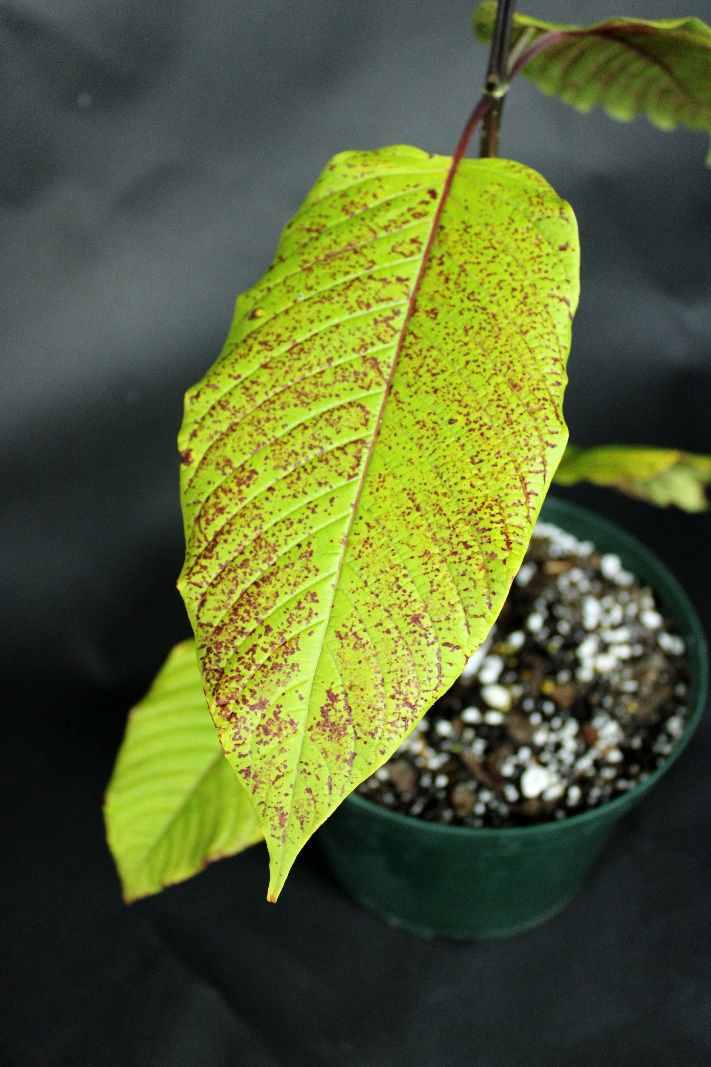
Generally, kratom trees prefer moderate to warm temperatures ranging from 73°F–86°F (23°C–30°C) during the day and 59°F–68°F (15°C–20°C) at night. Kratom growth will slow down when the temperature drops below 68°F (20°C). Under such conditions, leaves will likely show signs of cold damage (red spotting on leaves) (Figure 7). This is commonly seen on field-grown and greenhouse-grown kratom during the winter, even in central Florida. It is important to note that kratom trees are sensitive to sudden temperature changes, particularly cold temperatures. Prolonged or repetitive low temperatures or frost can damage or kill the tree, so it is best to avoid exposing the plant to low temperatures (such as 50°F or 10°C) for an extended period. Therefore, cultivating kratom outdoors in USDA Plant Hardiness Zones 10a–11b is recommended. Additionally, high humidity levels (above 60%) can positively contribute to the optimal growth of kratom plants.
Credit: Mengzi Zhang, UF/IFAS
Nutrient Fertility and Water
Kratom can grow in various soil types, but as a moderate to heavy feeder, it thrives in nutrient-rich organic soil. When planting kratom directly in sandy soils in Florida, incorporate soil amendments to help improve soil structure, nutrient availability, and overall fertility, which in turn better supports kratom vigor and growth. A well-balanced N-P2O5-K2O fertilizer that includes micronutrients, such as 15-9-12 (control-released) at medium-to-high rates during the growing season, will meet nutrient requirements.
Iron and manganese deficiencies are not uncommon, and they occur especially when soil pH is high. This can be caused by the high pH of the irrigation water. Apply micronutrient fertilizers containing chelated iron and manganese as a foliar spray or drench to correct deficiency symptoms. Additionally, use elemental sulfur in the field when soil pH is high to lower root zone pH and help create a more suitable soil environment for nutrient uptake (Mylavarapu et al. 2016). Visual assessment alone is often insufficient for diagnosing nutrient deficiency symptoms accurately. Therefore, it is advisable to send soil and plant tissue samples to a laboratory for analysis before taking any action.
Kratom is commonly found in freshwater swamp forest areas or near river systems where soil is saturated by groundwater for a duration of 8–10 months (Nilus et al. 2011). Therefore, it prefers consistently moist soil and tolerates waterlogged conditions. Tree growth can rapidly diminish with insufficient water. Under drought conditions, the above-ground tissue may wilt and die while roots survive, and suckers may grow from the base of the trunk.
Pest Management
Pest infestations can occur when cultivating kratom in open-field settings. In the subtropical southeastern United States, common pests of field kratom include aphids, spider mites, beetles, other leaf-chewing larvae, and mollusk pests (snails). Natural predatory insects typically maintain low pest populations on field trees. When cultivated in the greenhouse, aphids, citrus mealybugs, spider mites (including twospotted spider mites and red clover mites), and scales are the four major pests, although whiteflies and thrips have also been observed. Establish integrated pest management practice under greenhouse conditions, especially when pest populations are relatively low and manageable. Common commercial predators include Neoseiulus californicus for controlling spider mites and Cryptolaemus montrouzieri and lacewing larvae for citrus mealybugs and aphids. If chemical controls, such as insecticides, become necessary, be sure to rotate modes of action to prevent pesticide-resistant pest populations. Cultural controls, including sanitizing pots and benches and actively managing weeds, are also recommended to reduce disease and pest pressure.
Sooty mold can arise on leaves with significant aphid or mealybug infestations since it feeds on honeydew waste excreted by insect pests. The mold is easy to remove through manual cleaning, or it will be minimized after insect levels are reduced. Plant-pathogenic diseases other than Fusarium have not been observed in kratom so far.
Harvest and Postharvest
Kratom is typically harvested once the leaves reach a mature size. The quality of harvested leaves is likely to vary throughout the year since leaf alkaloid concentrations change in response to seasonal variations. In Southeast Asia, farmers traditionally hand-harvest leaves from the trees every 50 days or several times a year, depending on tree productivity and seasonal changes.
Harvested kratom leaves often undergo a series of processes, such as sorting, washing, or fermenting, before drying. Kratom leaves can be dried either indoors or outdoors. For drying leaves outdoors, spread the leaves out on a sheet under direct sunlight. For drying them indoors, arrange the leaves on shelved racks in a relatively dark environment with running fans to increase air circulation and water evaporation. Different postharvest conditions can change the kratom alkaloid profile.
Once the leaves are dry, process them further into powders or crumbs either by rubbing manually or using a grinding machine. Some farmers may choose to remove and discard main leaf veins. Crumbs are usually packed in large bags that can be used for brewing kratom tea. Either package finely ground kratom powders directly in well-labeled containers for final sale or encapsulate the powders in gelatin or vegetarian shells for easier consumption and transportation.
Summary
Kratom is an emerging medicinal plant that possesses high therapeutic potential for future drug development. However, there is little knowledge on its cultivation in the United States, despite its potential as a high-value specialty crop in the tropical regions. This publication presented the current knowledge on its propagation, production, and postharvest handling. Research is ongoing to provide more detailed information on its best management practices and pharmaceutical properties in the future. However, caution should be exercised regarding its regulation. It is highly recommended to consult reliable sources or legal professionals before considering the production of kratom.
References
Cinosi, E., G. Martinotti, P. Simonato, et al. 2015. “Following 'the Roots' of Kratom (Mitragyna speciosa): The Evolution of an Enhancer from a Traditional Use to Increase Work and Productivity in Southeast Asia to a Recreational Psychoactive Drug in Western Countries.” BioMed Research International. https://doi.org/10.1155/2015/968786
Eisenman, S. W. 2014. "Chapter 5. The Botany of Mitragyna speciosa (Korth.) Havil. and Related Species." In Kratom and Other Mitragynines: The Chemistry and Pharmacology of Opioids from a Non-Opium, edited by R. B. Raffa. CRC Press. ISBN 978-1-4822-2519-8.
Garcia-Romeu, A., D. J. Cox, K. E. Smith, K. E. Dunn, and R. R. Griffiths. 2020. “Kratom (Mitragyna speciosa): User Demographics, Use Patterns, and Implications for the Opioid Epidemic.” Drug and Alcohol Dependence 208: 107849 https://doi.org/10.1016/j.drugalcdep.2020.107849
Grundmann, O., A. Garcia‐Romeu, C. R. McCurdy, et al. 2024. “Not all kratom is equal: The important distinction between native leaf and extract products.” Addiction 119 (10): 202–203. https://doi.org/10.1111/add.16366
Heflin, J. O. 2023. “Kratom Regulation: Federal Status and State Approaches.” Congressional Research Service. https://www.congress.gov/crs-product/LSB11082
Hemby, S. E., S. McIntosh, F. Leon, S. J. Cutler, and C. R. McCurdy. 2019. “Abuse Liability and Therapeutic Potential of the Mitragyna speciosa (Kratom) Alkaloids Mitragynine and 7‐hydroxymitragynine.” Addiction Biology 24 (5): 874–885. https://doi.org/10.1111/adb.12639
Kamble, S. H., E. C. Berthold, S. R. R. Kanumuri, et al. 2022. “Metabolism of Speciociliatine, an Overlooked Kratom Alkaloid for Its Potential Pharmacological Effects.” The AAPS Journal 24: 86. https://doi.org/10.1208/s12248-022-00736-8
LaForest, L. C., M. A. Kuntz, S. R. R. Kanumuri, et al. 2023. “Metabolite and molecular characterization of Mitragyna speciosa identifies developmental and genotypic effects on monoterpene indole and oxindole alkaloid composition.” Journal of Natural Products 86 (4): 1042–1052. https://doi.org/10.1021/acs.jnatprod.3c00092
Martins, D., and C. V. Nunez. 2015. “Secondary Metabolites from Rubiaceae Species.” Molecules 20 (7): 13422–13495. https://doi.org/10.3390/molecules200713422
Murashige, T., and F. Skoog. 1962. “A Revised Medium for Rapid Growth and Bioassay with Tobacco Tissue Culture.” Physiologia Plantarum 15 (3): 473–495. https://doi.org/10.1111/j.1399-3054.1962.tb08052.x
Mylavarapu, R., G. Hochmuth, C. Mackowiak, A. Wright, and M. Silveira. 2016. “Lowering Soil pH to Optimize Nutrient Management and Crop Production: SL437/SS651, 1/2016.” EDIS 2016 (2). https://doi.org/10.32473/edis-ss651-2016
Nilus, R., L. Y. Fah, and A. Hastie. 2011. “Species Selection Trial in Burnt Peat Swamp Vegetation in Southwest Coast of Sabah, Malaysia.” In Proceedings of The International Symposium on Rehabilitation of Tropical Rainforest Ecosystems. Universiti Putra Malaysia.
Ridsdale, C. E. 1978. “A Revision of Mitragyna and Uncaria (Rubiaceae).” Blumea: Biodiversity, Evolution and Biogeography of Plants 24 (1): 43–100.
Schultes, R. E., and A. Hofmann. 1973. The Botany and Chemistry of Hallucinogens. American Lecture Series No. 843. Charles C. Thomas.
Sharma, A., S. H. Kamble, F. León, et al. 2019. “Simultaneous Quantification of Ten Key Kratom Alkaloids in Mitragyna speciosa Leaf Extracts and Commercial Products by Ultra‐Performance Liquid Chromatography−Tandem Mass Spectrometry.” Drug Testing and Analysis 11 (8): 1162–1171. https://doi.org/10.1002/dta.2604
Singh, D., S. Narayanan, C. P. Müller, et al. 2019. “Motives for Using Kratom (Mitragyna speciosa Korth.) Among Regular Users in Malaysia.” Journal of Ethnopharmacology 233: 34–40. https://doi.org/10.1016/j.jep.2018.12.038
Singh, D., S. Narayana, B. Vicknasingam, O. Corazza, R. Santacroce, and A. Roman-Urrestarazu. 2017. “Changing Trends in the Use of Kratom (Mitragyna speciosa) in Southeast Asia.” Human Psychopharmacology 32 (3): e2582. https://doi.org/10.1002/hup.2582
Suwanlert, S. 1975. “A Study of Kratom Eaters in Thailand.” Bulletin on Narcotics 27 (3): 21–27.