Frederick M. Fishel
external
Send Email
professor (retired), Department of Agronomy, and former director, UF/IFAS Pesticide Information Office
Michael Aerts, O. Norman Nesheim, and Frederick M. Fishel
This document is about the legal requirements and best practices for pesticide recordkeeping by certified applicators. It outlines federal and state regulations, including the types of information that must be recorded, the benefits of maintaining accurate records, and the procedures for accessing and managing these records. It also discusses compliance expectations, potential violations, and available resources to support proper documentation. First publication: April, 1998.This document details the legal recordkeeping requirements for certified pesticide applicators.
F. M. Fishel
Fred Fishel
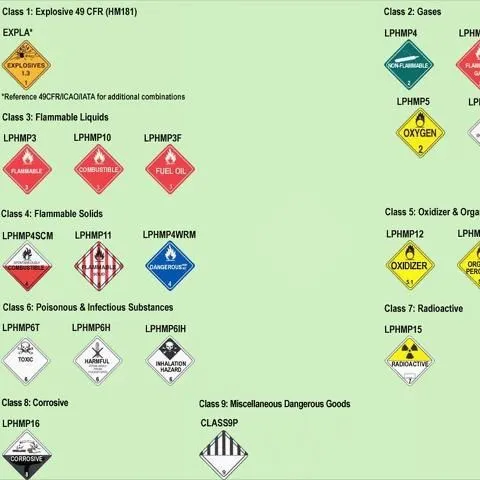
Introduces the potential problems associated with pesticide fires, precautions to take, what to do if a fire occurs, and a table to decode the numbers on the diamond-shaped National Fire Protection Association warning symbol. Includes form for pre-fire plan and additional sources of information.
Frederick Fishel
This document describes a unique type of pesticide registration—Emergency Exemption, also known as a Section 18 registration, and examples of situations where it is warranted.
Frederick M. Fishel y Tatiana Sánchez
O. Norman Nesheim, Frederick M. Fishel, y Tatiana Sanchez
Este documento le ayuda a comprender los enunciados revisados para Equipo de Protección Personal (PPE) que ahora hacen parte de las etiquetas de los productos pesticidas utilizados en las fincas, bosques, viveros e invernaderos.
Rodenticides are pesticides designed to kill rodents. However, rodents are not the only species that can be poisoned by rodenticides. Rodenticides vary widely in the hazard they present even though they are all designed to kill animals that are physiologically comparable to humans. This document will address those hazards for rodenticides that are currently registered in Florida.
Frederick M. Fishel, James Ellis, and Gene McAvoy
O. Norman Nesheim, Frederick M. Fishel, and Mark Mossler
F. M. Fishel and J. A. Ferrell
This document describes the purpose of applying preservatives to various wood products. A description of wood preservatives registered for use in Florida is also provided.
By and large, birds are beneficial because they provide enjoyment and recreation to humans and are vital to ecosystem balance. However, occasionally some species can compete with human interests. When these situations occur, some forms of control may become necessary. Avicides are pesticides designed to kill or repel pest birds. This document addresses those avicides currently registered for use in Florida.
This guide explains the benefits of pesticide use and why they are important in our society. Examples are provided to illustrate the importance of pesticides and the living conditions that are not possible without their use.
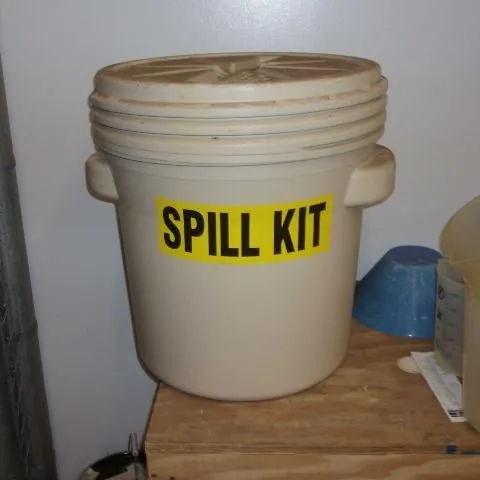
This document discusses emergencies which involve pesticide fires and spills.
The purpose of contingency planning is to prevent an emergency situation from becoming a catastrophic event. This document provides insight on how to develop a contingency plan for addressing emergencies where pesticides are involved.
This document describes how to recognize the early symptoms of pesticide exposure and provide basic first aid for the treatment of victims. Initial treatment is not intended as a replacement for care administered by professional medical personnel; rather, initial treatment details the immediate action to take should an accident occur.
Frederick M. Fishel and J. A. Ferrell
J. D. Ellis, J. Klopchin, E. Buss, L. Diepenbrock, F. M. Fishel, W. H. Kern, C. Mannion, E. McAvoy, L. S. Osborne, M. Rogers, M. Sanford, H. Smith, B. S. Stanford, P. Stansly, L. Stelinski, S. Webb, and A. Vu
A UF/IFAS numbered peer reviewed Fact Sheet. Published by Integrated Pest Management
Frederick M. Fishel, Adam G. Dale, and Ryan W. Klein
A UF/IFAS Fact Sheet intended for Commercial audience(s). The purpose of this document is to inform the audience of Florida-registered pesticide options available for professional injection and drench applications to treat trees. This new revision by Ryan Klein and Adam Dale expands and updates the original 2018 version by Fred Fishel. 5 pp.
Este documento describe diversos artículos de equipo de protección personal (EPP) que se usan para proteger el cuerpo humano del contacto con pesticidas o residuos de pesticidas. El EPP incluye elementos tales como overoles o trajes protectores, calzado, guantes, delantales, mascarillas, gafas y sombreros.
Jason A. Ferrell and Frederick M. Fishel
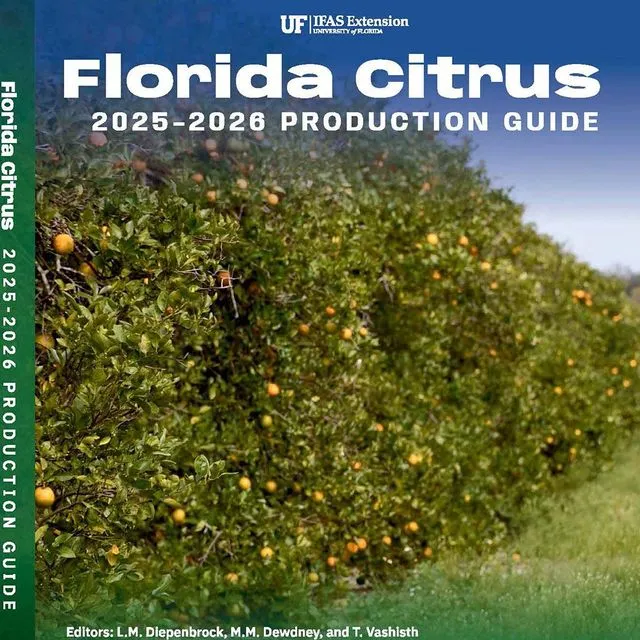
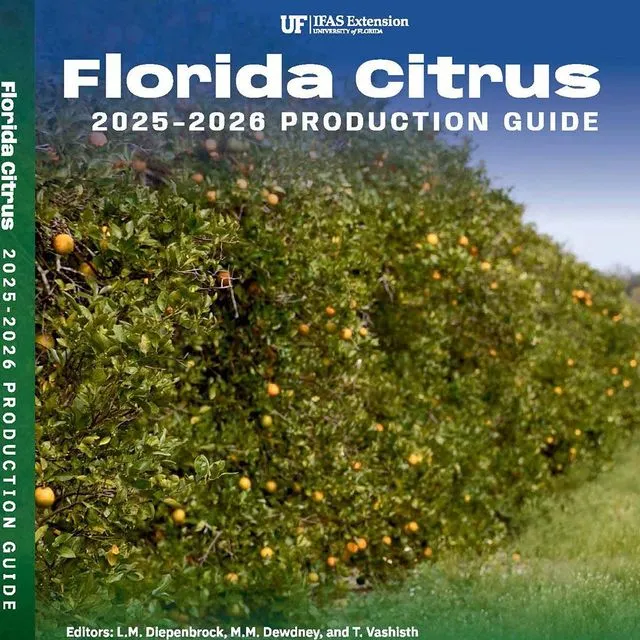
2025–2026 Florida Citrus Production Guide
A UF/IFAS numbered Fact Sheet.
En este documento se describen las medidas que ayudarán en la toma de decisiones inteligentes y seguras sobre la utilización de plaguicidas en el hogar y césped/jardín.
A UF/IFAS numbered Fact Sheet. Published by ==Special Handling==
O. Norman Nesheim and Frederick M. Fishel
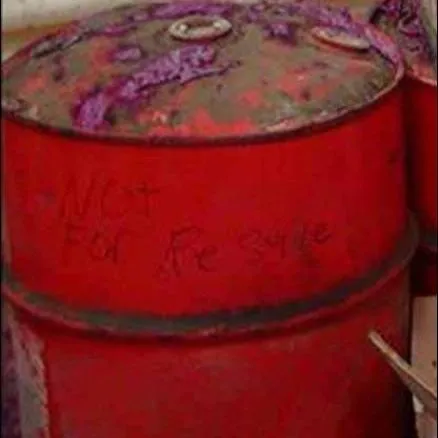
This document is about the proper disposal of pesticide waste, outlining safe, legal, and environmentally responsible methods for handling various types of pesticide residues. It covers disposal procedures for empty containers, excess mixtures and products, rinse water, spill cleanup materials, and contaminated clothing. The document also explains relevant federal and state regulations, including classifications of hazardous and solid waste, and provides practical guidance to minimize environmental contamination and legal liability. Published as Cir 840: March, 1989.
This document describes a unique type of pesticide registration—Special Local Need, also known as a 24(c) registration, and examples of situations where it is warranted.
Thomas W. Dean, O. Norman Nesheim, and Frederick Fishel
This document explains what procedures are involved in creating a legally empty container.
Frederick M. Fishel y Tatiana Sanchez
El propósito de esta guía es proporcionar información que permita optimizar el control de plagas en el entorno del hogar cuando se trabaja con un operador profesional para el control de plagas.