Florida is one of the top states in the United States for production of fresh fruit and vegetables, including a number of legumes, notably snap beans, which Florida leads the nation in producing (Court et al., 2023). Dietary recommendations are to consume 1.5 to 3 cups of legumes weekly (U.S. Department of Agriculture & U.S. Department of Health and Human Services, 2020). Legumes are fiber-rich and contain several micronutrients that may reduce the risk for chronic diseases and help individuals maintain a healthy body weight (Martini et al., 2021). This publication is intended for individuals who are interested in knowing more about legume crops that are grown in Florida, as well as ways to store, prepare, and cook these crops in healthy meals.
Peas are legumes that were domesticated in prehistoric times in Asia. There are two main categories of peas. One category is sweet or green peas, which are eaten raw or briefly cooked. The second category is field peas, which are dried, and must be rehydrated before eating (Smith, 2012). In Florida, English peas (Pisum sativum), snow peas (Pisum sativum var. saccharatum), and snap peas (Pisum sativum var. macrocarpon) fall in the first category, and southern peas (Vigna unguiculata), which are also known as cowpeas, fall in the second category (Frey et al., 2023; Smith, 2012). Snap beans (Phaseolus vulgaris) are a type of green bean grown in Florida that are known for their crisp, edible pods and tender texture (Frey et al., 2023). Unlike peas, green beans are from North and South America (Smith, 2012).
Legumes are available from Florida growers almost year-round. The production periods of these legumes vary across north, central, and south Florida due to the climate differences. Generally, English and snow peas are available from fall through spring, snap peas are available in the spring, and green beans and southern peas are available in late spring into summer (Park-Brown et al., 2021). Most legumes prefer well-drained soil and full sun, but some can tolerate partial shade. For more information on the types of legumes that thrive in full sun versus those that can tolerate partial shade, visit the links in the “Additional Resources” section below. Some beans and peas have the ability to fix nitrogen through their symbiotic relationship with bacteria, which means that beans typically require less fertilizer than other crops (Sharma et al., 2023). For beans and peas to fix nitrogen, growers usually need to inoculate (i.e., add) bacteria in new fields, nutrient-depleted soils, or areas where a specific legume has not been grown before. This is because the necessary bacteria may not be naturally present in the soil. Note that different beans and peas need different bacteria. Additionally, not all legumes can fix nitrogen, which means that they rely entirely on soil nitrogen for their growth (Frey et al., 2023).
Nutrition and Culinary Information
Legumes are good sources of vitamins A, C, and K, folate, and dietary fiber (USDA, n.d.). Depending on the legume, they may be a good source of certain B vitamins and protein (Mahan et al., 2013). Compared to seeds from other plants, legume seeds (peas and beans) have an average of 20%–35% protein content (Grdeń & Jakubczyk, 2023). Compounds in these plants have antioxidant and anti-inflammatory properties, and have been found to reduce the risk of cardiovascular disease, obesity, and cancer (Grdeń & Jakubczyk, 2023).
Green beans are crunchy and slightly sweet, and different varieties have distinct flavor profiles. Both bush and pole beans can be sautéed, steamed, roasted, grilled, stir-fried, added to casseroles, or served raw in salads or with dips. Green beans can be preserved by pickling or pressure canning to make them shelf-stable (United States Department of Agriculture, 2015).
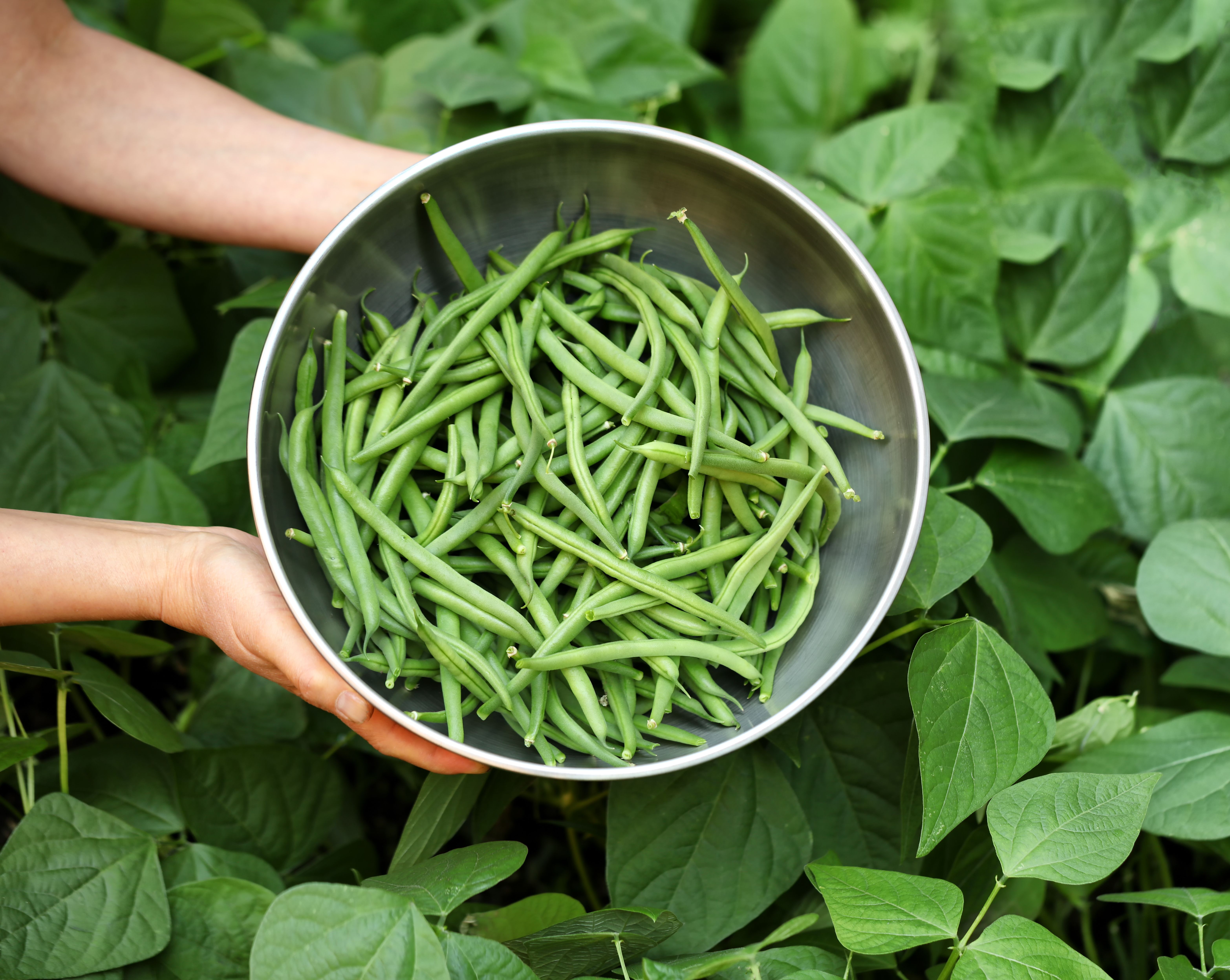
Credit: © tab62 / Adobe Stock
English peas are originally from Central Asia. Gregor Mendel studied English peas in the 1800s and significantly improved our understanding of plant genetics and breeding (Smith, 2012). English peas are an excellent source of dietary fiber, vitamin K, and zinc (USDA, n.d.). They have a sweet, fresh flavor with a tender texture, and are delicious in salads, soups, stir-fries, pasta dishes, and risottos. They can also make a tasty side dish sautéed with garlic and herbs. To prepare, remove the peas from their pods before eating. Eat raw or cook by blanching or steaming. For proper storage, leave peas shelled and store in an airtight plastic container or bag in the crisper drawer of the refrigerator (CalFresh, n.d.).
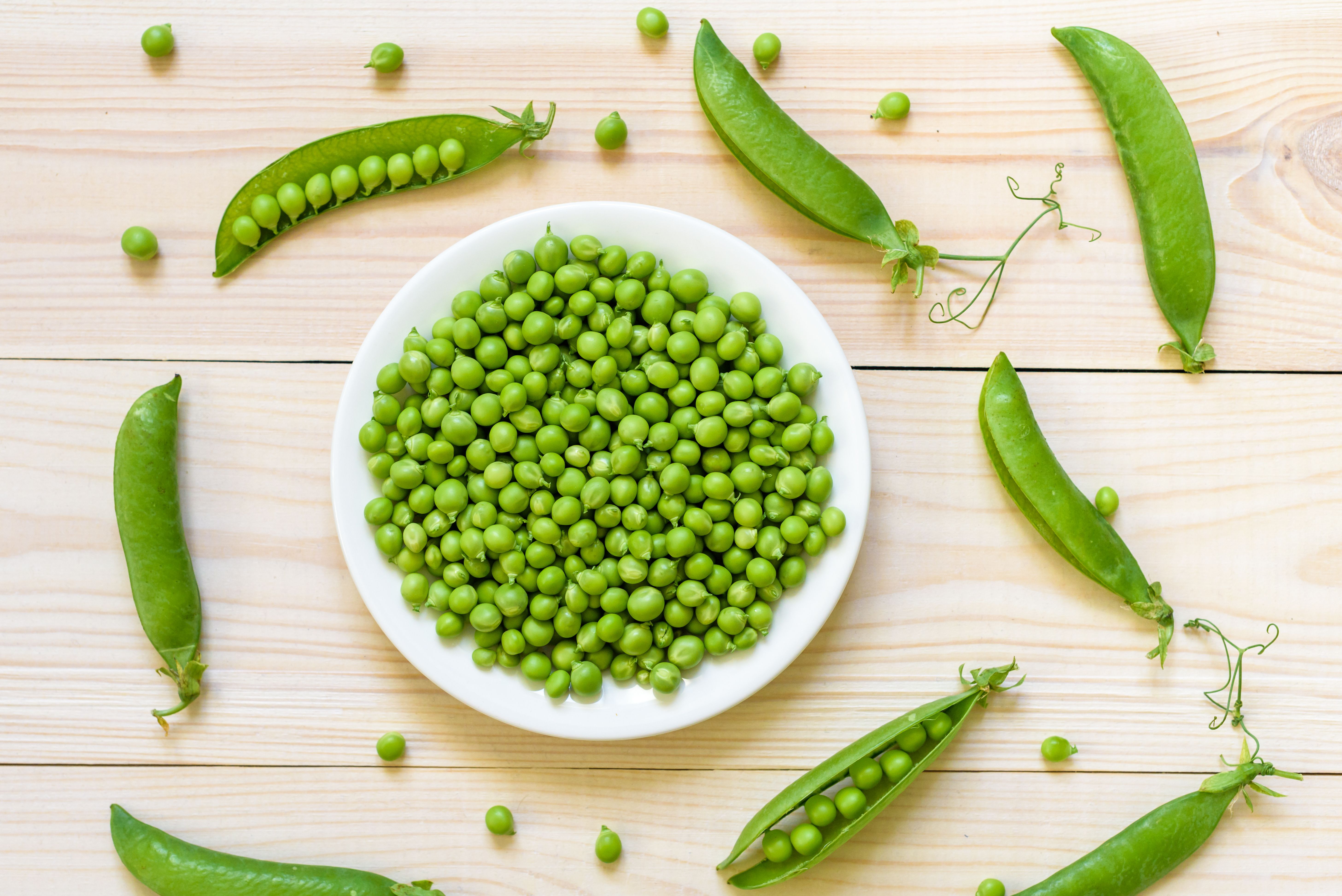
Credit: Credit: © pahis / Adobe Stock
Snap peas are originally from North America, and are called "snap" peas because of the sound they make when broken in half (Davidson & Jaine, 2013). Snap peas are an excellent source of vitamin C, iron, and potassium (USDA, n.d.). They have a sweet, slightly grassy flavor with a crisp texture. They can be used in salads and stir-fries, or they can be blanched and salted. Snap peas can also be lightly sautéed with garlic and olive oil. To properly store snap peas, leave them unwashed in a perforated plastic bag in the crisper drawer of the refrigerator. To reduce waste, you can use every part of the pea, including the pod, and compost any scraps or trimmings. For both types of peas, you can freeze them after shelling and blanching. For optimal freshness, peas should be used within a few days of harvesting or purchase. Peas freeze well after blanching and can be kept for up to a year. There are a variety of strategies to reduce food waste when you have fresh legumes, including using pods to make vegetable stock or composting the pods.
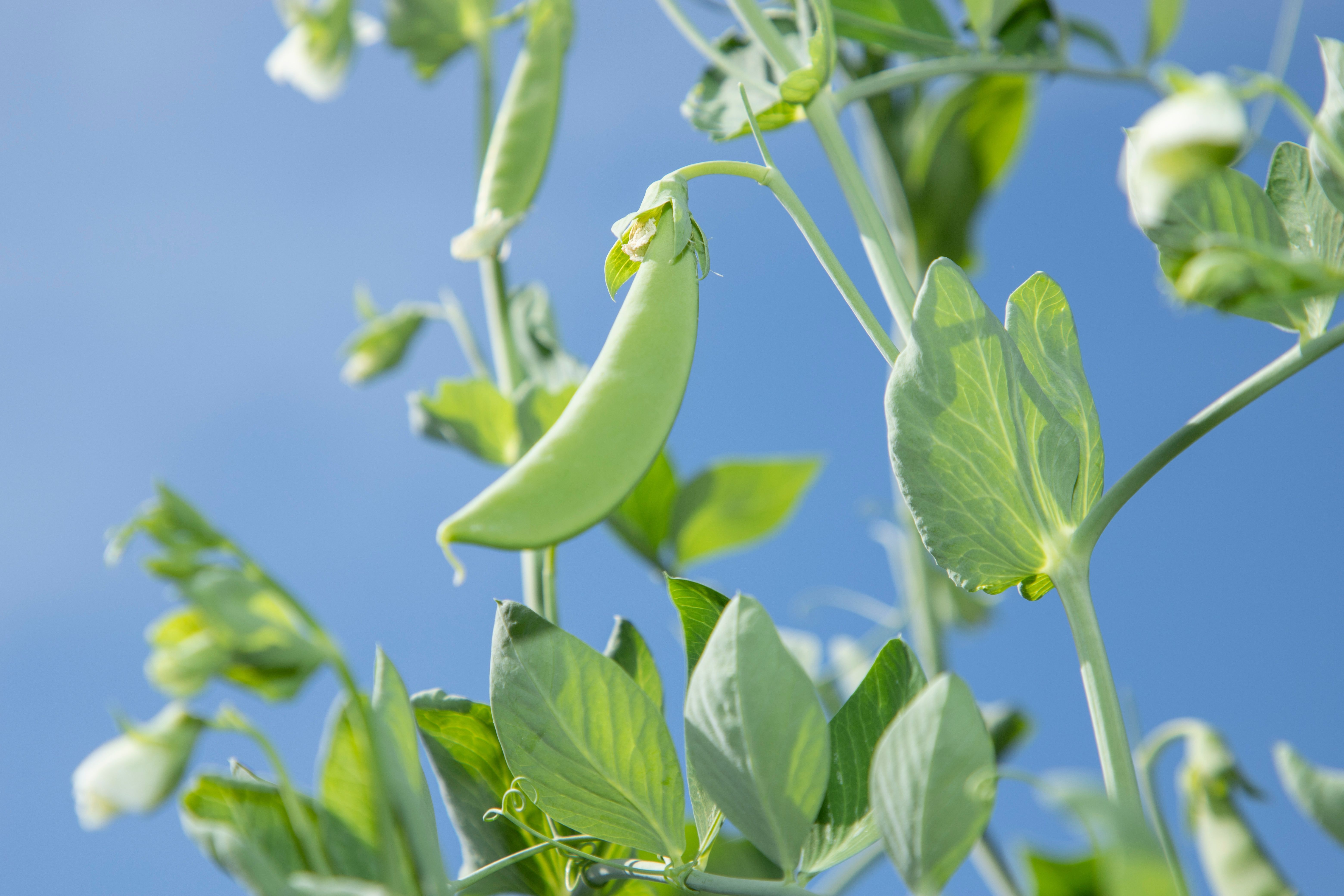
Credit: © Colin / Adobe Stock
Snow peas were introduced to the U.S. by Asian Americans in the 20th century. An excellent source of vitamins A and C, this edible-podded pea has a broad, flat pod that is more tender and less fibrous than other pea pods. This allows the pod, including the immature seeds (peas), to be eaten in its entirety (Stephens, 2018). It has a sweet, mild flavor with a crisp texture, making it perfect for both raw and cooked dishes. To prepare, wash and soak peas in ice-cold water before eating for more crunch. Trim tough ends and pull strings on the side of the pod, if present. Snow peas are great in stir-fried dishes, but can also be eaten raw, like carrot and celery sticks (Stephens, 2018).
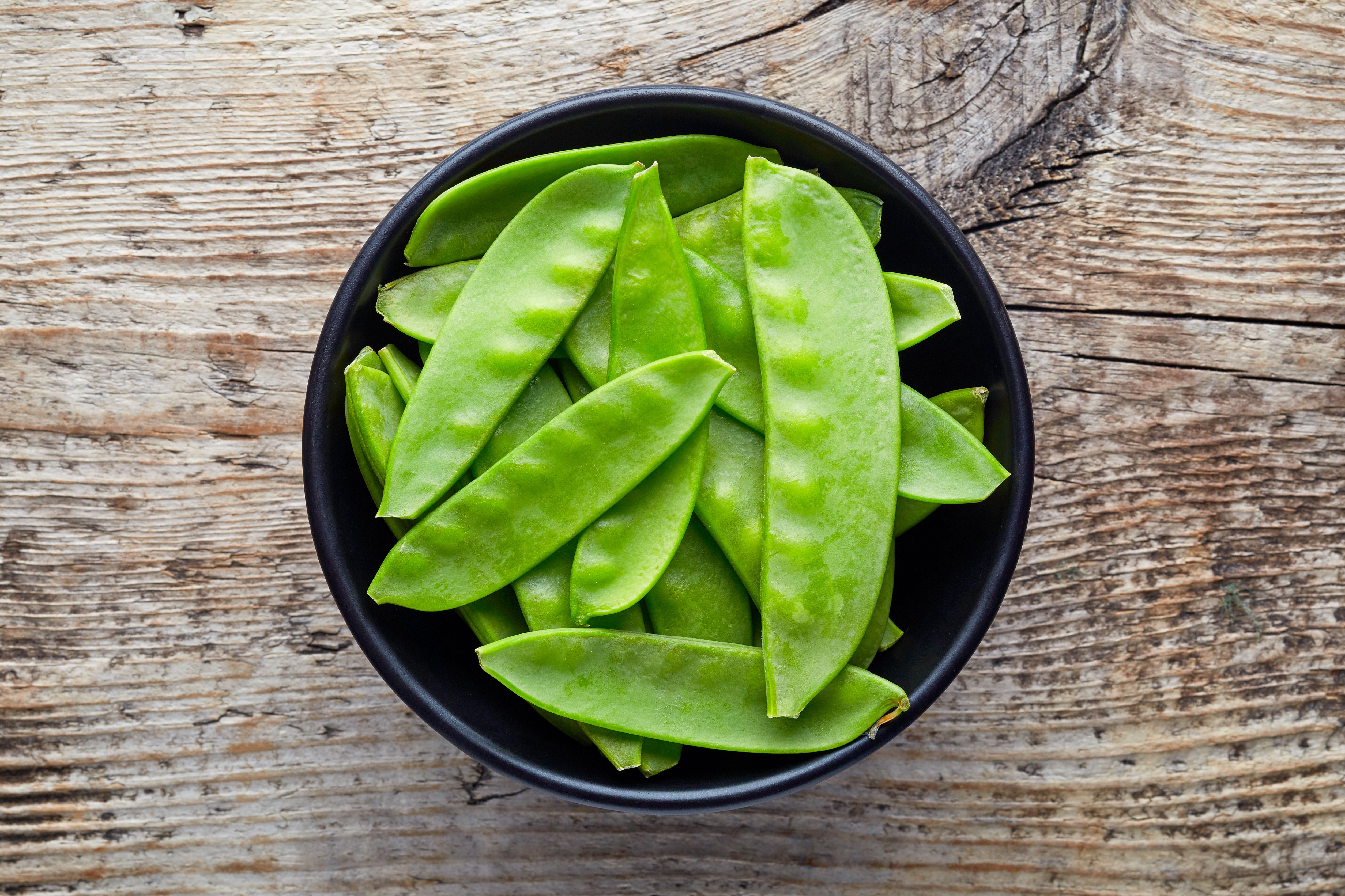
Credit: Credit: © bigacis / Adobe Stock
Southern peas are known as cowpeas, field peas, blackeyes, crowders, pinkeye-purple hulls, and several other names (Smith, 2012). Southern peas are a good source of dietary fiber, iron, and protein (USDA, n.d.). They have a mild, earthy flavor with a smooth, creamy, tender consistency when boiled. They are great in stews, soups, and curries, and are commonly used to make "Hopping John," a dish with rice, onion, tomato, and bacon. To prepare them, remove peas from pods, and wash and pat dry with a paper towel. If refrigerating before eating, leave peas in the in pods. They can last fresh in the refrigerator for up to two weeks and up to one year in the freezer. To freeze them, remove peas from their pods, then wash, blanch, quickly cool in ice water, then store in airtight freezer bags. Aside from freezing, peas can be processed in many different ways that add versatility and prolong shelf life (CalFresh, n.d.).
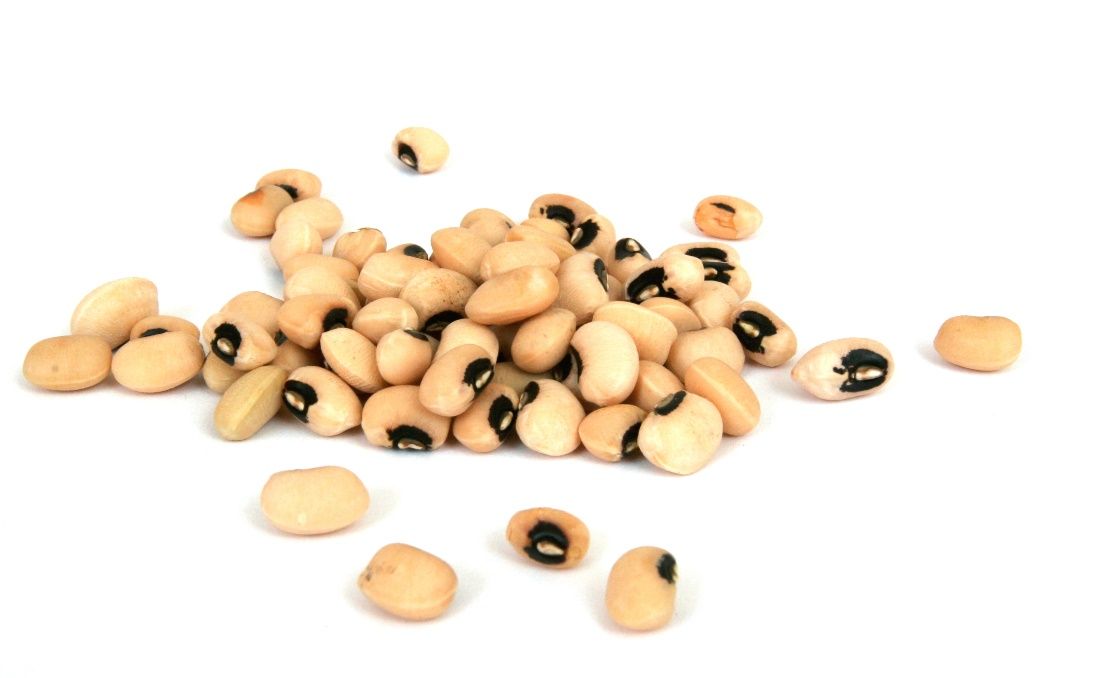
Credit: Thomas Wright, UF/IFAS
There are a great variety of legumes grown in Florida beyond the ones that were discussed in this publication. To learn more about legumes grown in Florida, visit the Ask IFAS topic page on legumes (https://edis.ifas.ufl.edu/topics/vegetable-legumes). For recipe ideas on how to cook Florida legumes, visit the Fresh From Florida website (Florida Department of Agriculture and Consumer Services, 2025).
Additional Resources
English Peas: https://gardeningsolutions.ifas.ufl.edu/plants/edibles/vegetables/english-peas/
Legumes: https://edis.ifas.ufl.edu/topics/legumes
Pole and Climbing Beans: https://gardeningsolutions.ifas.ufl.edu/plants/edibles/vegetables/pole-beans.html
Snow Peas: https://journals.flvc.org/edis/article/view/139805
Southern Peas: https://gardeningsolutions.ifas.ufl.edu/plants/edibles/vegetables/southern-peas.html
Snap Peas: https://journals.flvc.org/edis/article/view/139804
References
Bertoia, M. L., Mukamal, K. J., Cahill, L. E., Hou, T., Ludwig, D. S., Mozaffarian, D., Willett, W. C., Hu, F. B., & Rimm, E. B. (2015). Changes in Intake of Fruits and Vegetables and Weight Change in United States Men and Women Followed for Up to 24 Years: Analysis from Three Prospective Cohort Studies. PLOS Medicine, 12(9), e1001878. https://doi.org/10.1371/journal.pmed.1001878
CalFresh. (n.d.). Discover Foods. EatFresh. Retrieved February 18, 2025, from https://eatfresh.org/discover-foods/
Court, C., Ferreira, J.-P., Botta, R., & McDaid, K. (2023). Economic Contributions of the Agriculture, Natural Resource, and Food Industries in Florida, 2019: FE1136, 7/2023. EDIS, 2023(4). https://doi.org/10.32473/edis-fe1136-2023
Davidson, A., & Jaine, T. (2013). The Oxford Companion to Food. Oxford University Press. https://www.oxfordreference.com/display/10.1093/acref/9780192806819.001.0001/acref-9780192806819
Florida Department of Agriculture and Consumer Services. (2025). Fresh From Florida: Recipes. https://www.followfreshfromflorida.com/recipes
Frey, C., Dittmar, P. J., Seal, D. R., Zhang, S., Freeman, J. H., Desaeger, J., & Wang, Q. (2023). Chapter 11. Legume Production: VPH ch. 11, CV125, rev. 6/2023. EDIS. https://doi.org/10.32473/edis-cv125-2023
Grdeń, P., & Jakubczyk, A. (2023). Health Benefits of Legume Seeds. Journal of the Science of Food and Agriculture, 103(11), 5213–5220. https://doi.org/10.1002/jsfa.12585
Hung, H.-C., Joshipura, K. J., Jiang, R., Hu, F. B., Hunter, D., Smith-Warner, S. A., Colditz, G. A., Rosner, B., Spiegelman, D., & Willett, W. C. (2004). Fruit and Vegetable Intake and Risk of Major Chronic Disease. JNCI: Journal of the National Cancer Institute, 96(21), 1577–1584. https://doi.org/10.1093/jnci/djh296
Mahan, L., Foster, L., & Dahl, W. (2013). Beans, Peas, and Lentils: Health Benefits: FSHN1306/FS229, 5/2013. EDIS, 2013(5). https://doi.org/10.32473/edis-fs229-2013
Martini, D., Godos, J., Marventano, S., Tieri, M., Ghelfi, F., Titta, L., Lafranconi, A., Trigueiro, H., Gambera, A., Alonzo, E., Sciacca, S., Buscemi, S., Ray, S., Galvano, F., Del Rio, D., & Grosso, G. (2021). Nut and Legume Consumption and Human Health: An Umbrella Review of Observational Studies. International Journal of Food Sciences and Nutrition, 72(7), 871–878. https://doi.org/10.1080/09637486.2021.1880554
Park-Brown, S., Treadwell, D., Stephens, J. M., & Webb, S. (2021). Florida Vegetable Gardening Guide.
Sharma, L., Sharma, A. K., Ogram, A., & Singh, H. (2023). Improving Biological Nitrogen Fixation to Improve Soil Nutrient Status. EDIS, 2023(4). https://doi.org/10.32473/edis-ss714-2023
Smith, A. F. (Ed.). (2012). The Oxford Encyclopedia of Food and Drink in America. Oxford University Press. https://www.oxfordreference.com/display/10.1093/acref/9780199734962.001.0001/acref-9780199734962
Stephens, J. M. (2018). Pea, Snow—Pisum sativum L. (Macrocarpon Group). EDIS.
United States Department of Agriculture. (2015). Complete Guide to Home Canning. https://nchfp.uga.edu
USDA. (n.d.). FoodData Central. Retrieved October 31, 2024, from https://fdc.nal.usda.gov/
U.S. Department of Agriculture & U.S. Department of Health and Human Services. (2020). Dietary Guidelines for Americans, 2020–2025 (9th Edition; p. 164). DietaryGuidelines.gov