
Credit: JackF/iStock/Thinkstock
Introduction
Maintaining a clean and organized space is more than just a chore—it’s a way to create a healthy, comfortable, and welcoming environment for yourself and others. Whether it’s your home, rental, office, or shared community space, effective cleaning can enhance your quality of life, reduce stress, and even save time and money in the long run.
Planning your cleaning routine is the key to success. Without a clear plan, cleaning can feel overwhelming, inconsistent, or ineffective. By establishing a strategy tailored to your needs, you can break tasks into manageable steps, stay on top of regular upkeep, and tackle larger projects with confidence.
This guide will help you approach cleaning with intention and efficiency. We’ll explore how to assess your space, set realistic goals, and develop a cleaning schedule that works for you. Whether you’re a seasoned organizer or just getting started, these tips will help you maintain a space that’s not only clean and safe but also a joy to live and work in.
Let’s dive into the art of planning your cleaning routine and discover how a little organization can make a big difference!
Clean As You Go
The clean-as-you-go approach is a simple yet effective way to keep your home in tip-top shape without feeling overwhelmed. By incorporating small, consistent habits into your daily routine, you can prevent messes from piling up and enjoy a tidy, stress-free environment. Here’s how to make this plan work for you.
- Develop a basic cleaning schedule. Keep it simple and stick to it.
- Create a realistic schedule that fits your lifestyle. Break tasks into daily, weekly, and monthly categories.
- Keep it simple—focus on one or two tasks per day, such as wiping down countertops or vacuuming high-traffic areas.
- Use tools like a calendar, planner/journal, or cleaning app to stay organized and track your progress.
2. Plan Manageable Projects
- Tackle projects you can complete within the time you have available. For example, clean one closet or declutter a single drawer rather than attempting a full-room overhaul during a single session.
- Prioritize areas that are used most often, such as the kitchen, bathroom, and living room.
- Break larger tasks into smaller steps to make them feel more achievable.
3. Involve Your Family or Housemates
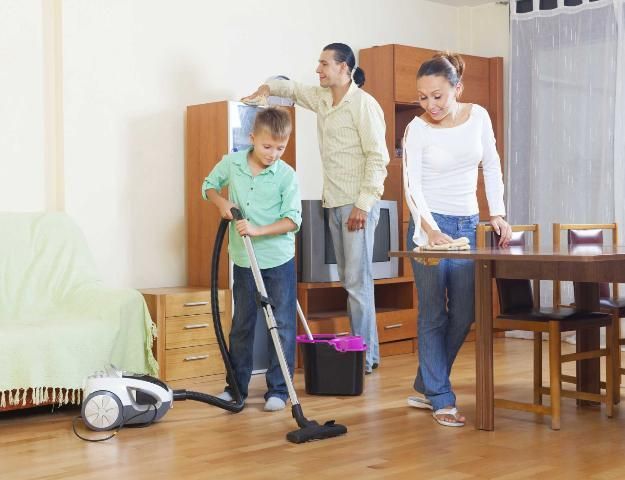
- Assign age-appropriate tasks to each family member or housemate. Even young children can help with simple tasks such as picking up toys or dusting.
- Alternate responsibilities to ensure everyone contributes equally and gains a sense of ownership over all spaces.
- Make cleaning fun by setting a timer, playing music, or turning it into a friendly competition.
4. Organize Your Cleaning Supplies
- Keep all your cleaning tools and products in one central location, such as a closet, cabinet, or designated shelf.
- Use a portable container, such as a caddy or bucket, to carry supplies from room to room. This saves time and ensures you have everything you need on hand.
- Regularly check and restock your supplies to avoid running out of essentials such as sponges, gloves, or cleaning solutions.
5. Adopt Clean-As-You-Go Habits
- Wipe down surfaces, such as counters and sinks, immediately after use.
- Put items back in their proper place once you’re finished using them.
- Do small tasks throughout the day, such as loading the dishwasher after meals or sweeping up crumbs, to maintain a tidy space effortlessly.
By adopting clean-as-you-go habits into your routine, you can enjoy a consistently clean and orderly home with less effort. Over time, these habits will become second nature, making cleaning feel less like a chore and more like a natural part of your day.
Tasks to Do Immediately
- Maintaining a clean and organized space starts by addressing tasks immediately. These small habits prevent messes from piling up and make cleaning more manageable.
- Hang up clothing and coats as soon as you take them off to keep your space clutter-free.
- Place dirty clothes directly in the hamper instead of leaving them on the floor.
- Wash or rinse dishes right after eating to avoid buildup and make meal cleanup easier.
- Make your bed as soon as you get up for an instant sense of order and tidiness.
- Return items to their designated places after use to prevent clutter from accumulating.
- Vacuum or mop spills promptly to avoid stains and maintain clean floors.
By addressing these tasks immediately, you’ll save time and effort in the long run while keeping your home neat and feeling inviting.
Tasks to Do Less Often
Some cleaning tasks don't need to be done daily but are still essential for maintaining a clean and healthy home. Here are examples of tasks to schedule less frequently.
- Change bed sheets weekly to ensure a fresh and hygienic sleeping environment.
- Do family laundry weekly or more often, depending on household needs.
- Wash windows each spring or as needed to remove dirt and improve natural light.
- Dust surfaces weekly to reduce allergens and keep furniture looking polished.
- Clean bathrooms weekly, focusing on toilets, sinks, counters, mirrors, and tubs to prevent buildup.
- Change the filter in your furnace/air conditioner monthly (or as recommended by the manufacturer) to maintain air quality.
- Clean out the refrigerator regularly, removing spills and outdated foods or drinks.
- Clean out the cabinets periodically to discard expired or outdated foods.
Remember: Scheduled household tasks are manageable unless the schedule is neglected! Keep up with these tasks to maintain a clean and organized home.
References
https://www.cdc.gov/hygiene/about/when-and-how-to-clean-and-disinfect-a-facility.html
Kagan, L., Aiello, A., & Larson, E. (2002). The role of the home environment in the transmission of infectious diseases. Community Health 27(4), 247-67. https://doi.org/10.1023/a:1016378226861
Srinivasan, S., O’Fallon, L., & Dearry, A. (2011). Creating Healthy Communities, Healthy Homes, Healthy People: Initiating a Research Agenda on the Built Environment and Public Health. American Journal of Public Health 93, 1446-1450. https://doi.org/10.2105/AJPH.93.9.1446