
Introduction
Florida's unique climate presents exciting opportunities for cultivating a wide variety of flowers in containers. The state’s warm weather, abundant sunshine, and extended growing season make it ideal for creating vibrant container gardens. Container gardening is increasingly popular among Floridians, from apartment dwellers to homeowners, as it allows colorful floral displays in limited spaces while providing flexibility in plant care and arrangement. However, successful container gardening in central Florida requires careful selection of flower varieties that can thrive in the region’s specific climate conditions. This means choosing plants that can withstand the intense heat, high humidity, and occasional cold snaps common in the area. Additionally, understanding the optimal planting times and maintenance practices is essential for achieving healthy growth and continuous blooms.
This guide supports container gardeners in central Florida by presenting trial results on four flower varieties, evaluating their growth, adaptability, and performance in container conditions. This guide also provides step-by-step instructions on the following:
- Selecting appropriate flowers according to central Florida’s climate.
- Establishing and caring for these flowers in containers.
- Managing growth and flowering to ensure a thriving and beautiful display.
Selecting the Right Plants for Central Florida Gardens
Choosing plants that are well-suited to central Florida’s unique climate is crucial for ensuring successful growth. Consider the following key factors:
Cold and Heat Hardiness: Florida's climate varies greatly throughout the year, with cool winters and hot, humid summers. Sudden changes in temperature during the winter-to-spring transition are common. Select plants rated for Florida’s USDA hardiness zones (8a to 11b) to ensure they can withstand cold spells and thrive during warmer months.
Tolerance to Full Sun: Florida’s abundant sunshine benefits photosynthesis but can cause heat stress, especially for sensitive varieties. Choose flowers that tolerate full sun without wilting or scorching. Snapdragons and stock flowers, which grow well in full sun to partial shade, are ideal options.
Adaptability to Wind and Rain: Spring often brings strong winds and heavy rains. Flowers that can tolerate these conditions, such as pansies and China asters, are less likely to suffer damage. Consider plants with sturdy stems and flexible growth to minimize stress.
Flowering Period and Maintenance Needs: Knowing each plant’s specific flowering times and maintenance needs helps in planning a garden that blooms continuously. Varieties like China aster and snapdragon have extended flowering periods, adding color to gardens for several months.
The 2023 USDA Plant Hardiness Zone map is a crucial tool for early garden planning. The map is accessible online, where you can enter your zip code to find your local hardiness zone.
Performance of Flower Varieties in Container Trials for Central Florida
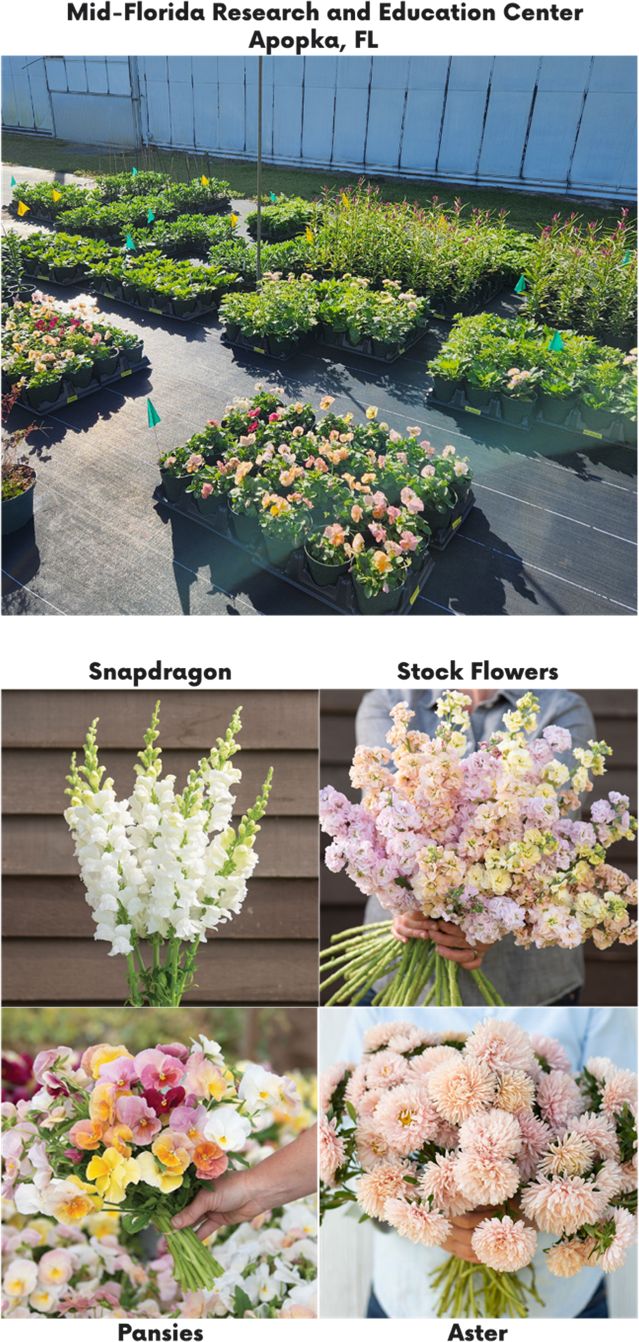
The successful cultivation of snapdragon, stock flower, pansy, and China aster (Figure 1) during the spring of 2024 container research trials at the UF/IFAS Mid-Florida Research and Education Center (MREC) served as the foundation for this guide. These varieties, sourced from Johnny’s Selected Seeds, were chosen based on their performance and visual impact.
Snapdragon (Antirrhinum majus)
Snapdragons are a classic garden favorite, known for their vibrant colors and tall, spiky blooms that bring structure and height to any floral display. Available in a broad spectrum of hues, from pure white to vivid reds, pinks, yellows, and more, snapdragons add versatility to landscapes and cut flower arrangements alike. Depending on the variety, snapdragons can range in height from 6 inches to over 3 feet, making them suitable for use as border plants, container specimens, or striking focal points in garden beds. These hardy plants thrive in full sun to partial shade and perform best in rich, well-drained, moist soil with a neutral pH. They are ideal for cool-season planting in central Florida, flourishing from fall through early spring. With a vase life of 7 to 10 days, snapdragons make excellent cut flowers, holding up well in arrangements when harvested at the right stage—typically when the lower one-third to one-half of the florets on the spike are open. To encourage additional rounds of blooms, deadheading spent flowers (i.e., removing former blooms by cutting the stem between them and healthy leaves) is recommended for most varieties.
Credit: Johnny’s Selected Seeds; and Chi D. Nguyen, UF/IFAS
Snapdragons’ light, sweet fragrance is subtle enough to enjoy outdoors without overwhelming enclosed spaces. Their adaptability, extended bloom period, and colorful display make snapdragons a versatile choice for both ornamental and commercial flower production. For more detailed information on snapdragon planting and care, visit EDIS publication ENH1285, “Planting and Propagation of Snapdragons in Florida.”
Snapdragon Performance in Container Trials
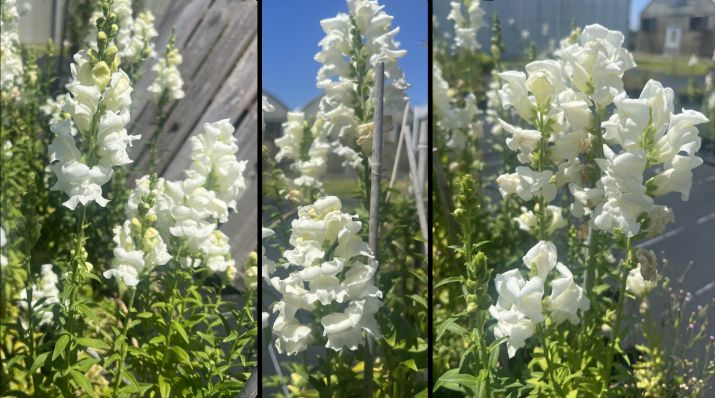
Snapdragons cultivated in 6-inch containers were evaluated for growth and performance from germination in October 2023 to June 2024. The plants were grown outdoors, exposed to all environmental factors, under a sprinkler irrigation system and with a slow-release fertilizer applied to each pot. Observations showed that snapdragons adapted very well to central Florida’s fall and winter conditions. Since the first spike emerged by late January, the bloom timing was consistent across most plants, making snapdragons a reliable choice for growers seeking predictable flowering patterns. The flowers emitted a light, pleasant fragrance when smelled up close, but the scent was not strong enough to fill a room, making them ideal for subtle outdoor fragrance without overwhelming indoor spaces.
Credit: Nicholas Rabanal, UF/IFAS
After the first spike reached full bloom, cutting the stem back to a height of 5 inches stimulated the plant to produce additional flower spikes. Although subsequent spikes were slightly smaller in size, the pruning encouraged continuous flowering (Figure 2). The snapdragons continued to produce blooms after each cut, maintaining vibrant growth and high flower production until June 2024, when rising temperatures began to impede development. By the end of the trial, seeds were collected as summer conditions became too hot for further flowering. Snapdragons are an excellent choice for container gardening in central Florida, offering an extended bloom period and the potential for multiple harvests when properly managed.
Stock Flowers (Matthiola incana)
Matthiola incana, commonly known as the stock flower, is highly regarded for its showy, fragrant blooms that are available in a wide array of colors, including apricot, lavender, pink, purple, red, white, yellow, and various bicolor combinations. Stock flowers are a staple in floral arrangements; their strong stems and densely packed flower clusters make them ideal for cut flower use, adding both color and fragrance to bouquets. Depending on the variety, stock flowers typically grow 12 to 36 inches tall and 9 to 18 inches wide. The blooms of stock flowers can vary greatly, ranging from single-petaled to highly desirable double-petaled forms. Stock flowers thrive in cooler weather, making it ideal for early spring planting in central Florida, where the mild climate allows the flowers to flourish. However, their performance significantly declines in the hot summer months. They are also best suited for growing in well-drained soil with a pH of 6.8 to 7.5.
Stock Flower Performance in Container Trials
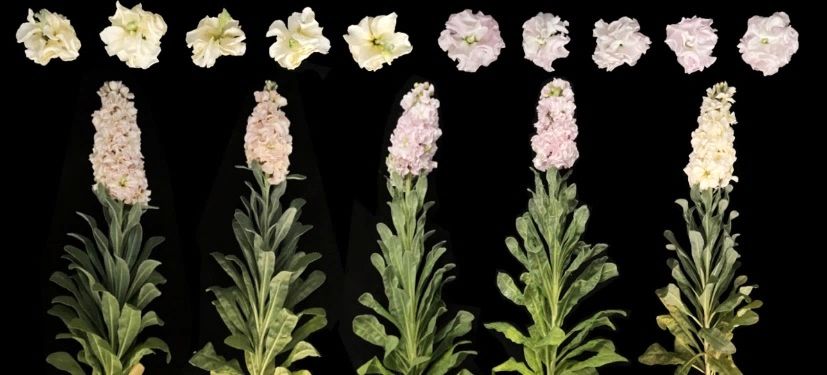
Stock flowers were grown to evaluate their performance in 6-inch containers. Stocks proved to be visually striking with strong, upright spikes that supported dense clusters of flowers. Interestingly, despite all plants being sourced from the same seed package, there was a notable variation in bloom structure. While some plants produced simple single-petaled flowers, others developed the sought-after double-petaled blooms (Figure 3). This variability is typical of seed-grown stock flowers, as the expression of the double-petal trait is genetically variable and not always consistent.
Credit: Nicholas Rabanal, UF/IFAS
The flowers themselves were characterized by their rich, full appearance, with thick, leathery leaves adding to the overall structure and durability of the plants. One of the standout qualities of stock flowers was their intense fragrance: their blooms released a strong, spicy aroma that could easily fill an entire room. This trait makes stock flowers a popular choice for indoor arrangements and events where a powerful floral scent is desired. Each stock plant produced a single prominent spike, and once the main stem was cut back, very small or no additional spikes emerged, marking the end of the plant’s flowering phase. This characteristic makes stock flowers best suited for a single harvest, such as timed blooms for special occasions or early spring floral displays. Although this limitation reduces its overall yield, the flowers’ bold presence, structural integrity, and captivating fragrance make stocks a valuable addition to container gardens and floral arrangements alike.
Pansies (Viola x wittrockiana)
Viola x wittrockiana, commonly referred to as pansies, are cherished for their bright, cheerful blooms and compact growth habit. Known for their versatility, pansies come in an array of vibrant colors and patterns, with some varieties featuring the characteristic "face" or blotch marking, while others display solid hues. These cool-season annuals thrive in USDA hardiness zones 8 through 11, performing best in the mild temperatures of spring and fall. Pansies prefer sun to partial shade, but they require some protection from intense summer heat, making them well-suited for early spring and late fall gardens in central Florida. Typically growing to a modest height and spread of 0.5 to 1 foot, pansies are perfect for adding a splash of color to small gardens, patio containers, hanging baskets, and window boxes.
Their flowers, which range in shades of yellow, white, pink, purple, orange, bronze, and even black, can show multiple colors on a single plant, adding extra visual interest to garden designs. Regular deadheading is essential for prolonging their bloom period, which can extend well into late spring. Although their delicate stems make them unsuitable for traditional cut flower use, pansies excel in providing continuous color in garden beds and containers. For more details on growing pansies and managing pests, visit EDIS publication FPS-609, “Viola x wittrockiana Pansy.”
Pansy Performance in Container Trials
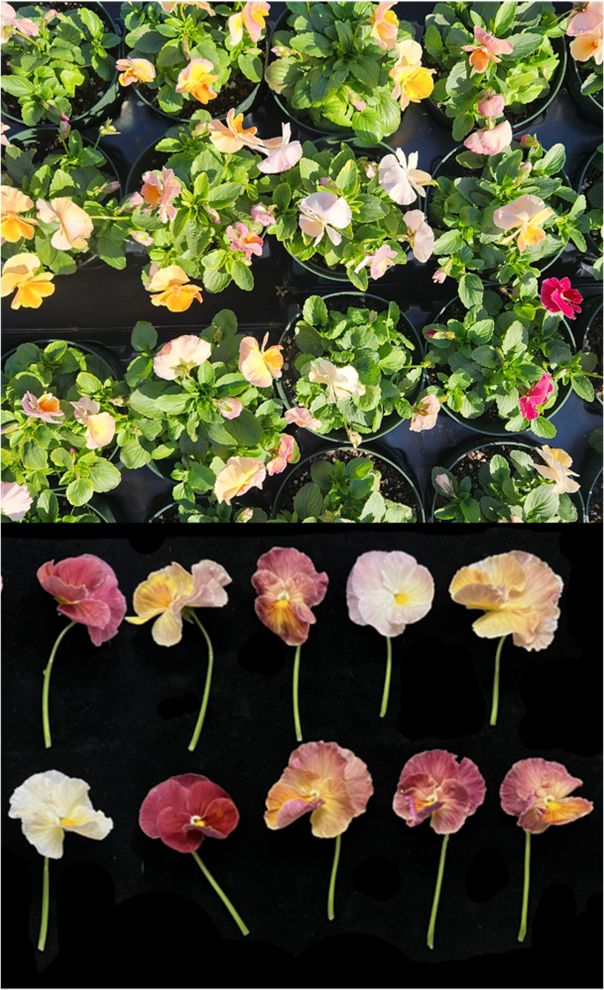
In the same container trial, pansies were evaluated to assess their performance in 6-inch containers. Pansies formed compact, bushy mounds that produced a profusion of blooms. Each container held an average of 8 to 12 flowers at any given time, with consistent flowering across all plants (Figure 4). The flowers were soft and delicate, lasting only two to three days in the pots before wilting. Regularly removing spent blooms allowed the pansies to produce a steady display of fresh blooms for one to two months, making them an ideal choice for gardeners seeking long-lasting color in cooler months. Pansies also exhibited a gentle, pleasant fragrance that enhanced their charm without being overpowering. Due to their compact size and thin stems, pansies were not suitable for use as cut flowers. Instead, pansies may be best appreciated as potted plants, where their petite flowers and sweet scent can still be enjoyed up close.
Credit: Chi Nguyen and Nicholas Rabanal, UF/IFAS
China Aster (Callistephus chinensis)
China asters, known botanically as Callistephus chinensis, are cool-season annuals celebrated for their vibrant and long-lasting blooms. With a variety of heights and flower forms—including single, semi-double, and fully double blooms—China asters are a popular choice for cut flower arrangements and garden displays. The variety highlighted in this guide is ‘King Size Apricot’, which features 2.5-to-3-inch apricot-colored blooms with a blend of double and semi-double flower forms, adding elegance and visual interest to any floral composition.
Typically listed with a bloom period of 110 to 120 days, China asters can exhibit a wider range of flowering times, varying from 95 to 150 days depending on environmental conditions. Patience and precise planning are therefore essential for achieving consistent blooms. Asters perform best in well-drained, fertile soil with a pH range of 5.5 to 7.5 and require full sun exposure to maximize their growth and bloom size. Pruning flowers as desired can enhance their appearance in arrangements, making them a versatile option for both cut flower use and garden decoration.
China Aster Performance in Container Trials
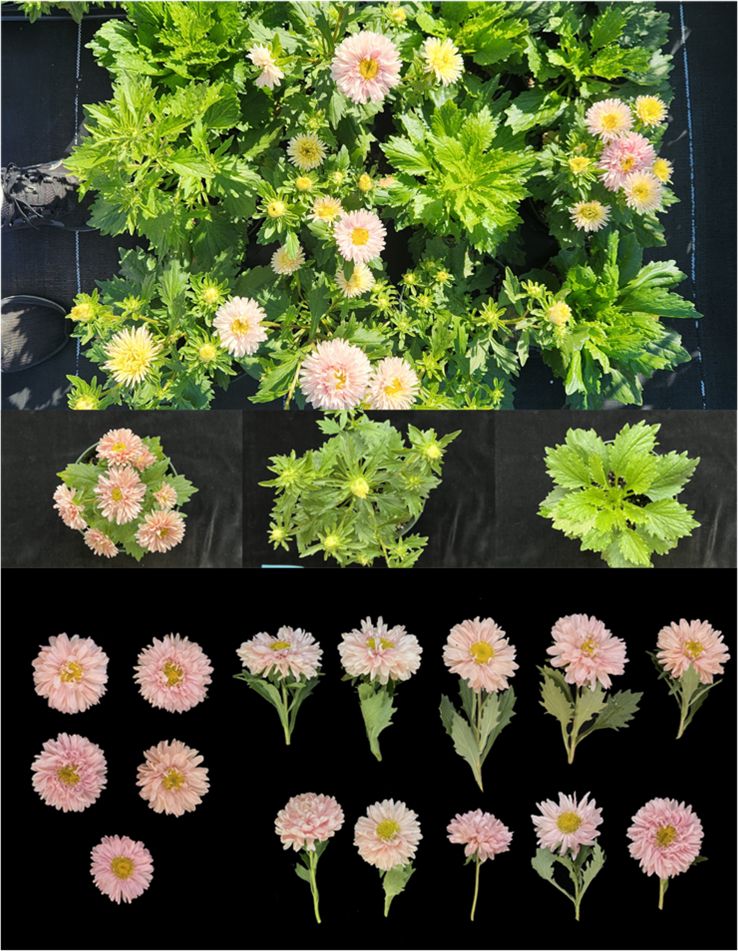
The final flower variety evaluated in our container trial was China aster. Similar to pansies, the asters displayed a bushy growth habit, producing multiple blooms per plant. Each 6-inch container supported approximately 7 to 10 blooms, and the plants’ sturdier stems distinguished them as more suitable for use in cut flower arrangements compared to the more delicate pansy. One unique characteristic observed in China asters was their lack of uniformity in flowering time (Figure 5). While the other varieties in the trial bloomed consistently, Asters exhibited significant variation in their flowering period. Some plants began blooming three to four weeks earlier than others, leading to a staggered bloom display across the trial. Growers who seek uniformity in production or timed blooms for specific events may consider this a drawback. However, the irregularity offers the benefit of an extended flowering season when multiple plants are cultivated together.
Another notable observation was that the blooms produced in the 6-inch containers were smaller in size compared to the descriptions provided by the seed supplier, Johnny’s Selected Seeds. This suggests that China asters may require more growing space and additional nutrients than what small containers can provide to reach their full potential. It is likely that field cultivation or planting in larger pots would result in the larger, showier blooms typically associated with this variety. Once flowered, cutting back China asters did not produce additional stems, and the plants deteriorated soon after. In terms of fragrance, China asters were distinct from the other flowers in that they had almost no detectable scent. While this may be a disadvantage for gardeners looking to add fragrance to their containers, their strong, upright stems and vibrant blooms still make China asters a valuable addition to any garden. Moreover, their layered petals add a charming and whimsical touch to any bouquet.
Credit: Chi Nguyen and Nicholas Rabanal, UF/IFAS
Step-by-Step Guide to Growing Snapdragon, Stock, Pansy, and China Aster Flowers in Containers in Central Florida
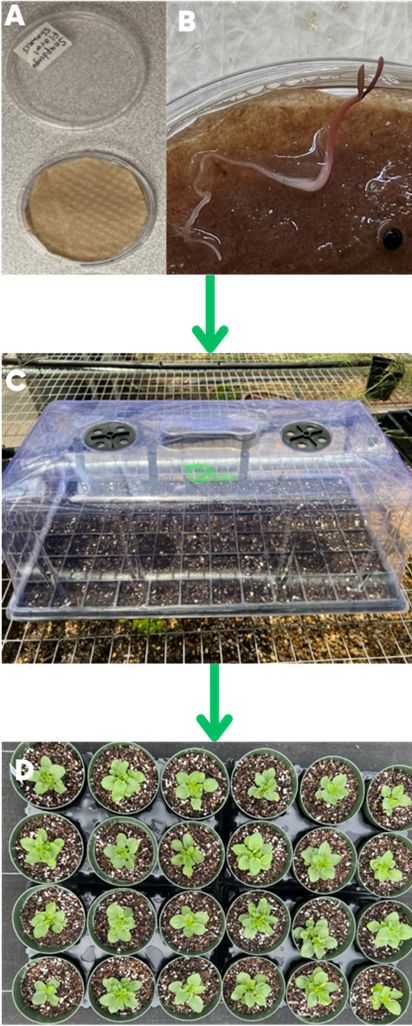
Growing flowers in containers is a rewarding process that requires careful attention from seed germination to blooming. Proper moisture, temperature, and pest management are essential for producing vibrant, healthy plants. This guide outlines key procedures based on UF/IFAS research trials. Refer to Figure 6 for visual references.
Germination and Seedling Care
Germination is a critical stage in ensuring successful plant growth. While requirements vary by species, maintaining adequate moisture and temperature is essential. One effective method for germination is to use filter paper or unbleached paper towels inside a sealed plastic bag or petri dish to create a humid environment. Moisten the paper towels and evenly spread the seeds over them. Then, fold the towels over the seeds and seal the bag. Store the bag in a warm area suited to species-specific germination needs to promote successful sprouting. Monitor the seeds regularly. Once the taproot and cotyledons (main root and initial leaves) appear, seedlings are ready for planting. This method provides a cost-effective and reliable approach to achieving high germination success.
Seedlings are delicate and require controlled conditions to establish strong root systems. Use seedling trays and propagation domes to maintain humidity and encourage root development. It is crucial to keep the soil moist but not waterlogged to prevent root rot. Additionally, provide adequate light to ensure healthy growth and prevent weak, spindly seedlings. Carefully monitor moisture levels and light exposure to help promote strong, resilient plants ready for transplanting.
Transplanting Seedlings
Once seedlings reach approximately 5 to 6 inches in height, transplant them into larger containers to support continued development. Select a well-draining potting mix, such as one containing Canadian peat, pine bark, perlite, and Nutrihold, to ensure proper root aeration. Before transplanting, fill containers with pre-moistened soil. Create shallow holes, approximately ¼ to ½ inch deep, to accommodate seedling roots. Position the seedlings so that their cotyledon leaves remain above the soil surface. To support ongoing growth, apply a balanced, slow-release fertilizer such as 14-14-14 Osmocote after transplanting. Proper transplanting techniques promote strong root establishment and vigorous plant growth.
Credit: Chi Nguyen and Nicholas Rabanal, UF/IFAS
Growth and Maturation
Proper irrigation, nutrient management, and pest control are essential for successful plant development. Watering is critical. Provide overhead irrigation for 10 minutes per day, as proven effective in the trials, but make necessary adjustments based on soil type and weather conditions. Monitor nutrient levels since deficiencies or excessive fertilization can impact plant health. Frequently inspect the plants for pests, such as aphids and whiteflies, to help prevent infestations that could hinder growth. Implementing consistent watering, nutrient monitoring, and pest prevention strategies ensures robust, flowering plants.
Pest Control
Pests can significantly impact plant health and flower quality, making early detection and appropriate treatments essential. Integrated Pest Management (IPM) strategies help mitigate pest damage. Use mechanical control methods, such as spraying a strong jet of water, to dislodge aphids. Additionally, consider using biological control measures, such as applying neem oil, to offer natural insecticide alternatives. For more comprehensive pest management strategies and detailed guidelines on controlling common pests that affect container-grown flowers, growers should refer to EDIS publication ENY-350, “Natural Products for Managing Landscape and Garden Pests in Florida.”
Flowering and Harvesting
Understanding the bloom cycle of different flower species allows for optimal harvesting, maximizing both flower quality and longevity. Bloom times vary by species, with China aster taking between 95 to 150 days to flower, while other plants, such as stock flowers, follow a more predictable schedule. For the best results, harvest flowers when the lower florets begin to open and stems are firm. Proper harvesting techniques help ensure extended vase life and maintain flower quality.
Conclusion
By following these UF/IFAS research-based recommendations, growers can successfully cultivate container flowers in central Florida. Implementing best practices tailored to specific environmental conditions will help ensure a thriving and productive garden. For further assistance, contact your local UF/IFAS Extension office or visit https://edis.ifas.ufl.edu.
Resources
Anderson, N. O. 2007. Flower Breeding and Genetics: Issues, Challenges and Opportunities for the 21st Century, edited by N. O. Anderson. Springer. https://doi.org/10.1007/978-1-4020-4428-1
Armitage, A. M., and J. M. Laushman. 2003. Specialty Cut Flowers. 2nd ed. Timber Press. ISBN: 9780881925791.
Borden, M. A., E. A. Buss, S. G. Park Brown, and A. G. Dale. 2024. “Natural Products for Managing Landscape and Garden Pests in Florida.” University of Florida Institute of Food and Agricultural Sciences. https://edis.ifas.ufl.edu/publication/IN197.
Dole, J. M., and H. F. Wilkins. 2005. Floriculture: Principles and Species. 2nd ed. Pearson Prentice Hall. ISBN: 9780130462503.
Gilman, E. F., and T. Howe. 2023. “Viola x wittrockiana Pansy.” FPS-609. University of Florida Institute of Food and Agricultural Sciences. https://edis.ifas.ufl.edu/publication/FP609
Gilman, E. F., T. Howe, R. W. Klein, and G. Hansen. 2023. “Matthiola incana Stock, Gillyflower.” FPS402. University of Florida Institute of Food and Agricultural Sciences. https://edis.ifas.ufl.edu/publication/FP402
Heuer, B., and Ravina, I. 2004. Growth and development of stock (Matthiola incana) under salinity. Australian Journal of Agricultural Research, 55(8), 907–910. https://doi.org/10.1071/AR04024
Huo, H., and J. Chen. 2024. “Planting and Propagation of Snapdragons in Florida.” ENH1285. University of Florida Institute of Food and Agricultural Sciences. https://edis.ifas.ufl.edu/publication/EP549
USDA. 2023. USDA Plant Hardiness Zone Map. U.S. Department of Agriculture. https://planthardiness.ars.usda.gov