
Florida is one of the top states in the United States for production of fresh vegetables (Court et al., 2023). Eating five servings of fruit and vegetables as recommended by the Dietary Guidelines for Americans can reduce risk for chronic disease and help individuals maintain a healthy weight (Bertoia et al., 2015; Hung et al., 2004). Brassica crops and leafy greens grown in Florida are high in antioxidants and have numerous health benefits, including reduced risk for certain types of cancer (Bell, Oruna-Concha, & De Haro-Bailon, 2023). This publication is intended for individuals who are interested in knowing more about brassica crops, cruciferous vegetables, and leafy greens that are grown in Florida, and ways to store, prepare, and cook these crops in healthy meals.
The term “brassica” is the generic term for a diverse group of vegetables typified by cabbage. The name of the genus is derived from the Celtic word for cabbage, bresic, which is “brassica” in Latin (Davidson & Jaine, 2013). Brassica crops that have edible flower heads, such as the parts of broccoli (Brassica oleracea) that are consumed, are referred to as “cruciferous vegetables” (Davidson & Jaine, 2013). In addition to broccoli, Florida farms grow a number of other brassica crops, including collard greens (Brassica oleracea var. viridis), red or green cabbage (Brassica oleracea var. capitata), napa cabbage (Brassica rapa var. pekinensis), kale (Brassica oleracea var. acephala), mustard greens (Brassica juncea var. crispifolia), and kohlrabi (Brassica oleracea var. gongylodes) (Wells et al., 2023).
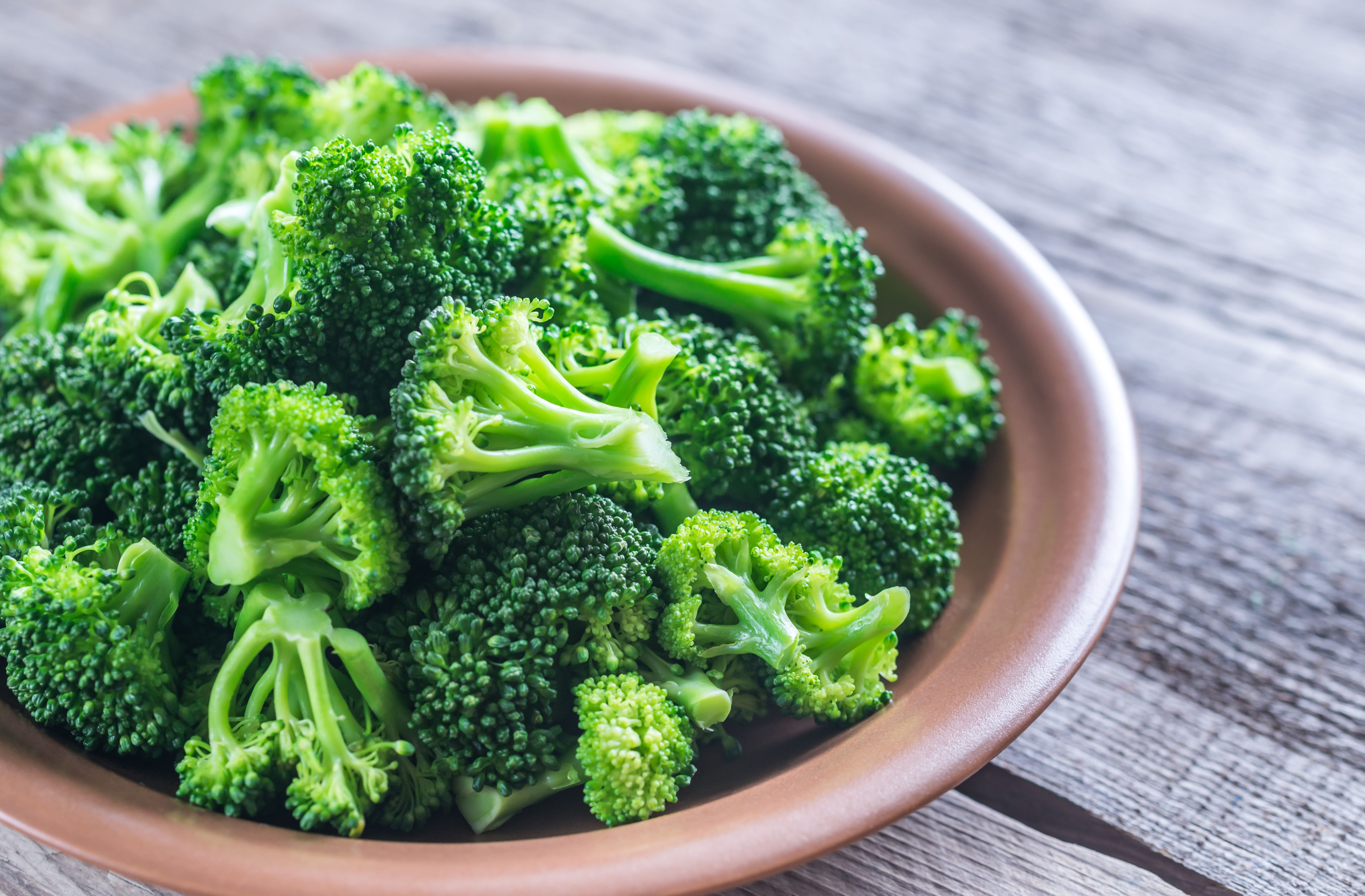
Credit: © alex9500 / Adobe Stock
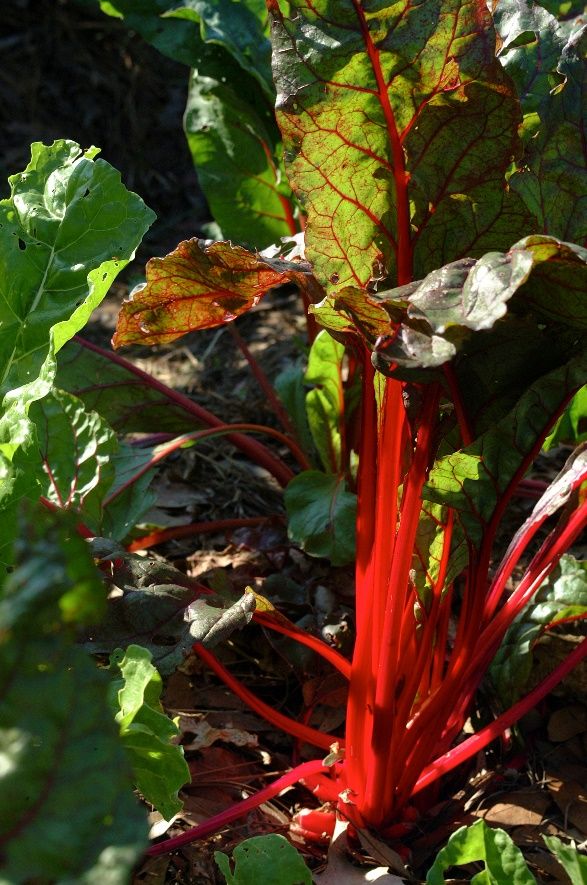
Many leafy greens are in the Brassicaceae family, including mizuna (Brassica rapa var. nipposinica), mustard greens (Brassica juncea var. crispifolia), kale (Brassica oleracea var. acephala), bok choy (also spelled “bok choi”) (Brassica rapa var. chinensis), collard greens (Brassica oleracea var. viridis), red or green cabbage (Brassica oleracea var. capitata), and napa cabbage (Brassica rapa var. pekinensis) (Agehara et al., 2024). Growing mustard greens can benefit your soil, as they have the potential to treat certain types of heavy metal pollution (such as cadmium) in soils (Nepal et al., 2024). Lettuce comes in four major types: crisphead, butterhead, leaf, and romaine. There are three primary types of kale you can find in Florida: curly, Red Russian, and lacinato (sometimes referred to as dinosaur kale) (Park-Brown et al., 2021). Chard is moderately more tolerant of heat than kale or lettuce (Park-Brown et al., 2021). Swiss chard can come in many colors including white, green, yellow, red, orange, or purple (Davidson & Jaine, 2013).
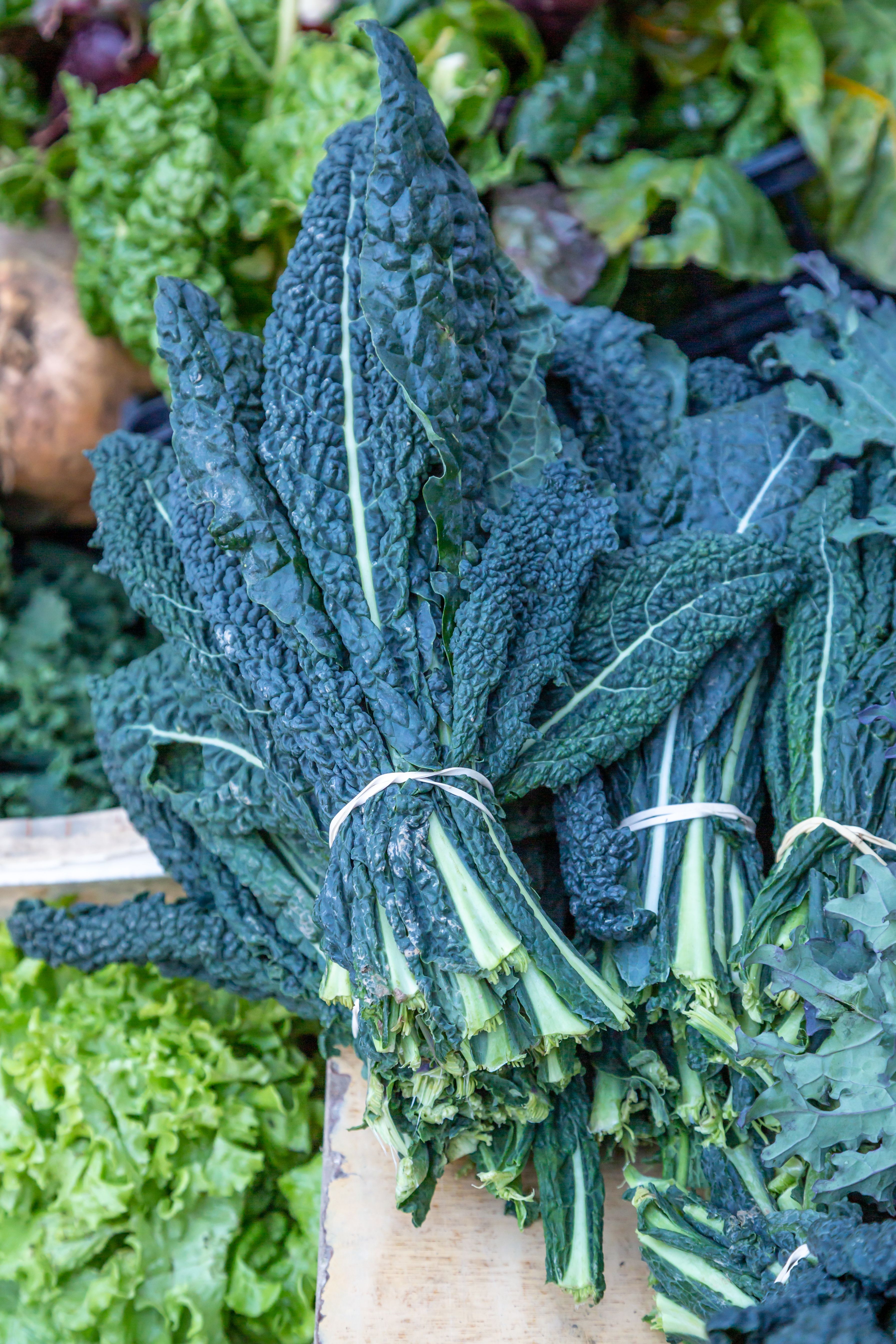
Credit: © lemanieh / Adobe Stock
How They Grow and When They Can Be Purchased from Florida Farms
These crops are generally available from October through May in Florida (Wells et al., 2023). They like to grow in fertile soil. Some of them, such as cabbage, can be susceptible to frost damage, while others, such as broccoli, do not grow well when the temperature becomes warm (Park-Brown et al., 2021). Florida farms produce leafy greens in the cooler months of the year from September to April. These are primarily grown by transplant or direct seed between late fall and early spring. The crops like full sun and well-drained, rich soil (Park-Brown et al., 2021). Common leafy greens grown in Florida include arugula (Eruca sativa), lettuce (Lactuca sativa), and chard (Beta vulgaris) (Sandoya-Miranda et al., 2023).
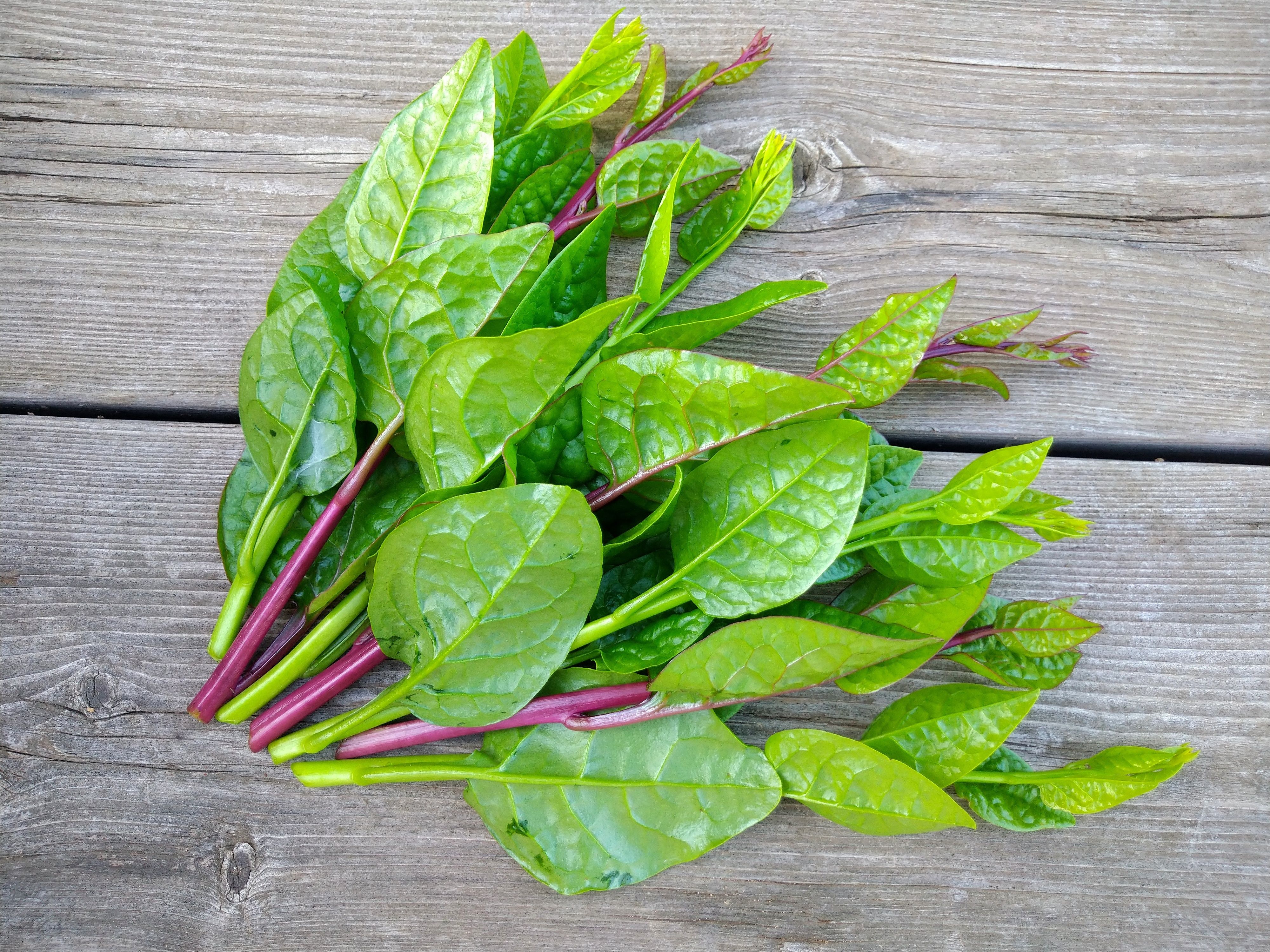
A few leafy greens are available in Florida in the hotter months of the year, roughly May–September. Callaloo (Amaranthus tricolor) is a warm-weather crop that thrives during summer months. Young leaves and shoot tips may be eaten between 3 to 6 weeks after direct seeding (Qiu & Liu, 2024b). The callaloo plant is the main ingredient in the popular Caribbean callaloo stew (Davidson & Jaine, 2013). Sweet potato greens (Ipomoea batatas) are the leaves that grow aboveground while the sweet potatoes grow belowground (Beuzelin et al., 2023). Sweet potato greens can be harvested while the plants are young, typically within several weeks or a few months of planting (Simonne et al., 2006; Tufts University, n.d.). Malabar spinach (Basella alba) is also available in the hot summer months (Qiu & Liu, 2024a). The purple berries of Malabar spinach have been used for dye, cosmetics, and ink (Qiu & Liu, 2024a).
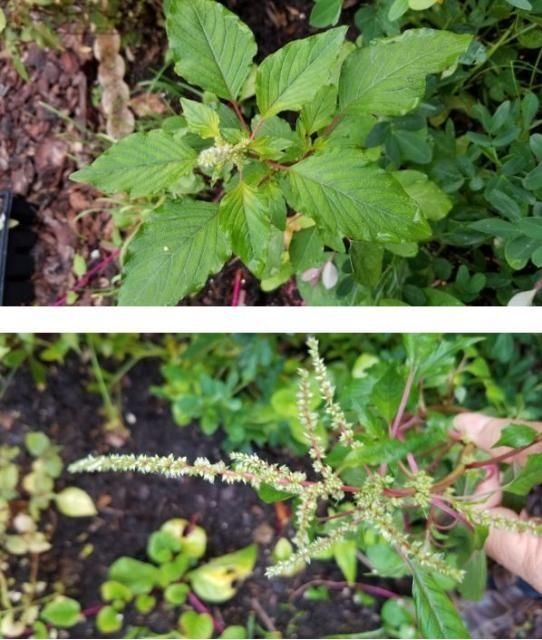
Credit: Guodong Liu, UF/IFAS
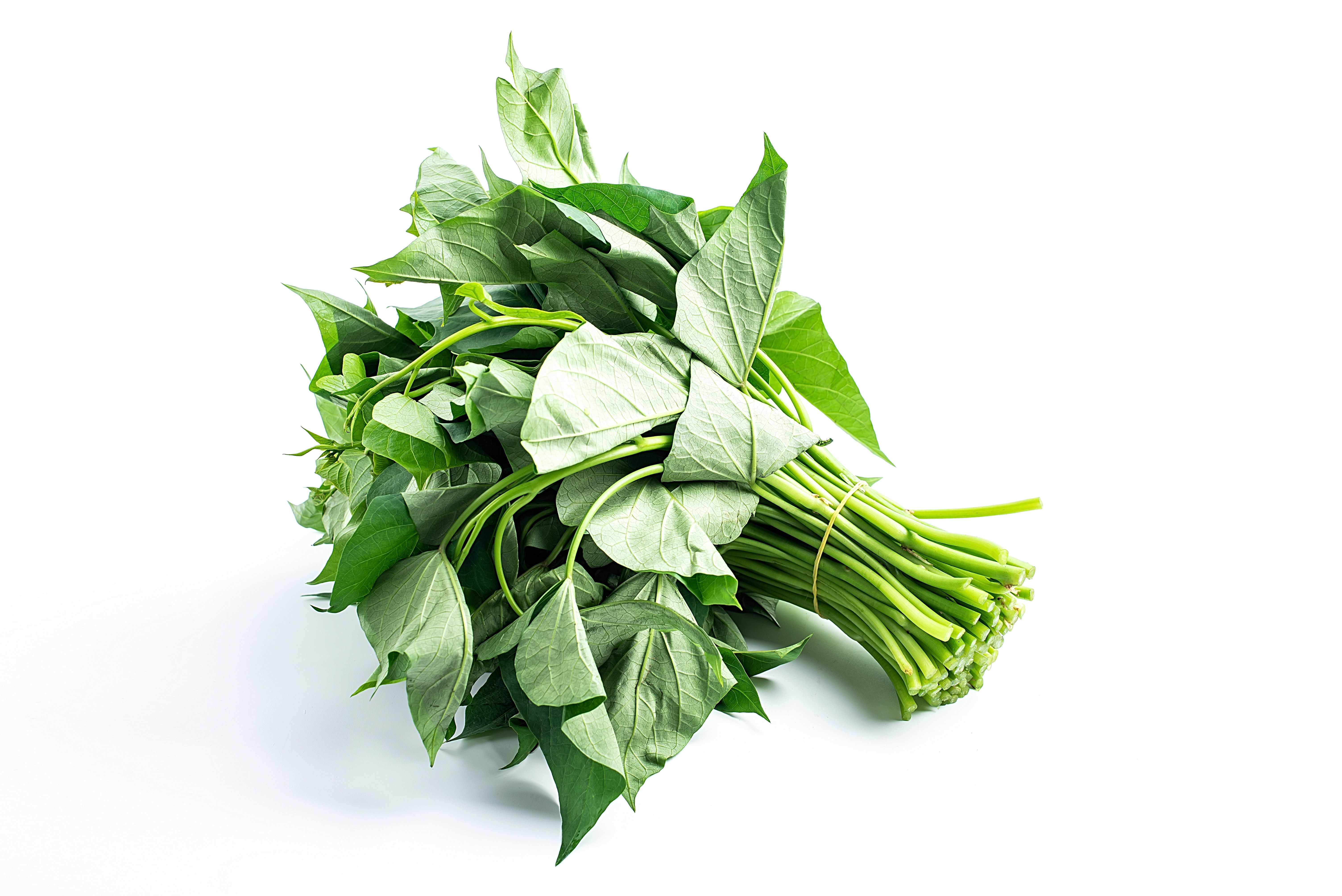
Credit: © Lili.Q / Adobe Stock
Crop Origins and History
Cabbage has one of the most extensive histories of any cultivated crop; it was admired by the ancient Egyptians, Greeks, and Romans alike (Smith, 2012). Interestingly, genetic studies suggest napa cabbage might be a cross between turnips and bok choy (McAlvay et al. 2021). Kohlrabi, native to Northern Europe, is a cool-weather crop that is similar to a radish (Choi et al., 2010). Its name comes from German (kohl=cabbage) and Italian (rape=turnip) and translates to "cabbage-turnip" (Smith, 2012). Kale was so common in Scottish rural life that “kail” became the generic word for “dinner,” and “kail bells” were chimed for dinnertime (Davidson & Jaine, 2013).
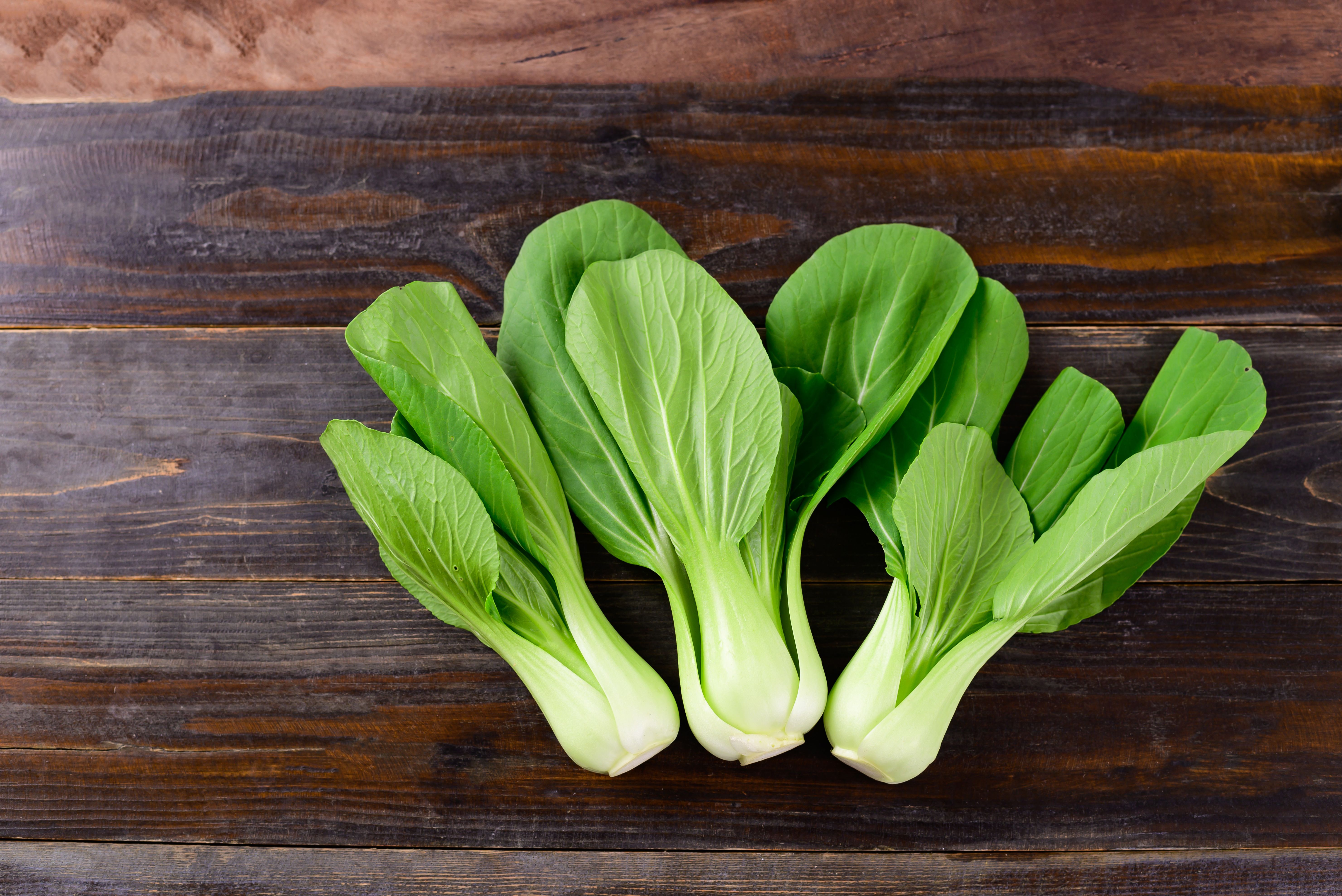
Several brassicas have origins in Asia, including bok choy, napa cabbage, and mizuna. The name “bok choy” originated from the Chinese word for "soup spoon" because of the shape of the plant’s leaves (Davidson & Jaine, 2013). Mizuna (also called potherb mustard) means “water greens” in Japanese because it was first cultivated in spring-fed fields in Kyoto, Japan (D’Aurora, 2023). Collards have had a deep history in Southern cuisine since the 1700s; they are even the state vegetable of South Carolina (Smith, 2012). Collards are considered a “soul food” staple in the Southern United States, and many of the recipes have origins in African cultures.
Credit: © nungning20 / Adobe Stock
Nutrition and Culinary Information
Brassicas and leafy greens are nutritional powerhouses. Commonly, they are considered high in (i.e., meeting at least 20% of your daily needs) vitamins A, C, and K and minerals such as potassium, calcium, and iron (Kumar, Kumar, & Shekhar, 2020). One standard cup of broccoli contains more vitamin C than an orange (National Institutes of Health, 2021). Many brassicas are also good sources of folate and dietary fiber (USDA, n.d.).
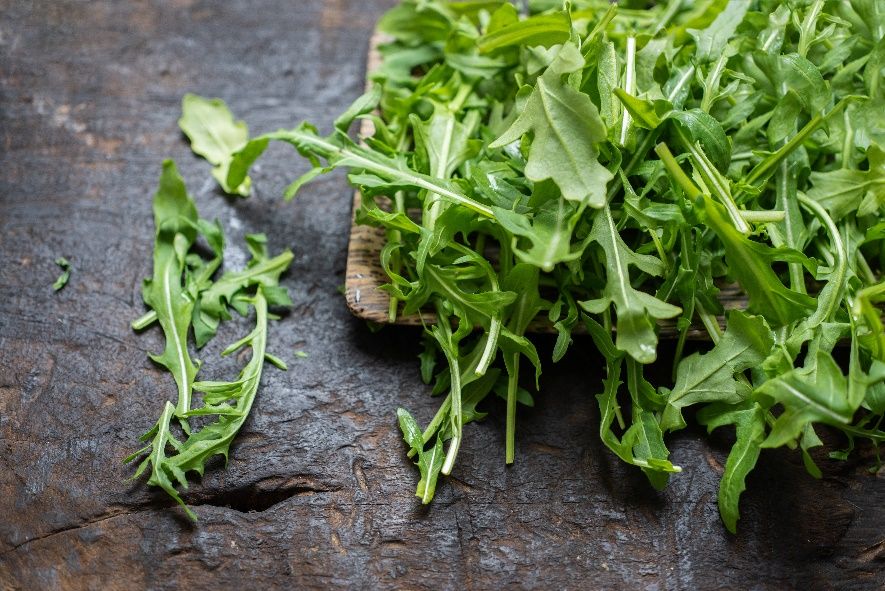
Lettuce has a very mild, slightly sweet flavor with a tender, crunchy texture. It is most commonly used in salads and sandwiches but can be shredded and used as a topping for tacos or nachos. Lettuce can be used as a substitute for flour wraps if consumers are watching carbohydrate intake. Unlike lettuce, arugula has a pungent, peppery flavor that can resemble horseradish. Arugula is also known as rocket, Mediterranean salad, rucola, or roquette (Smith, 2012). Like arugula, mizuna and mustard greens also have a peppery and bitter flavor when raw but can become richly flavored when seasoned and cooked.
Credit: © lesterman / Adobe Stock.
Many brassicas are excellent eaten raw in salads. They can also be stir-fried, sautéed, steamed, or stewed (CalFresh, n.d.-b). Broccoli is very crunchy when eaten raw, with a slightly bittersweet, earthy flavor. Red or green cabbage has a mild, sweet, and slightly peppery flavor, with outer leaves that are tender in texture, while the inner leaves and core are crunchier. Napa cabbage, on the other hand, has a mild flavor that absorbs cooking sauces well. Ruffled leaves provide a crisp and more tender texture compared to other cabbages. Bok choy has a mild, fresh flavor, similar to that of cabbage, but slightly more peppery. Its stems are more fibrous than its leaves and can provide some crunchy texture to a dish (CalFresh, n.d.-a).
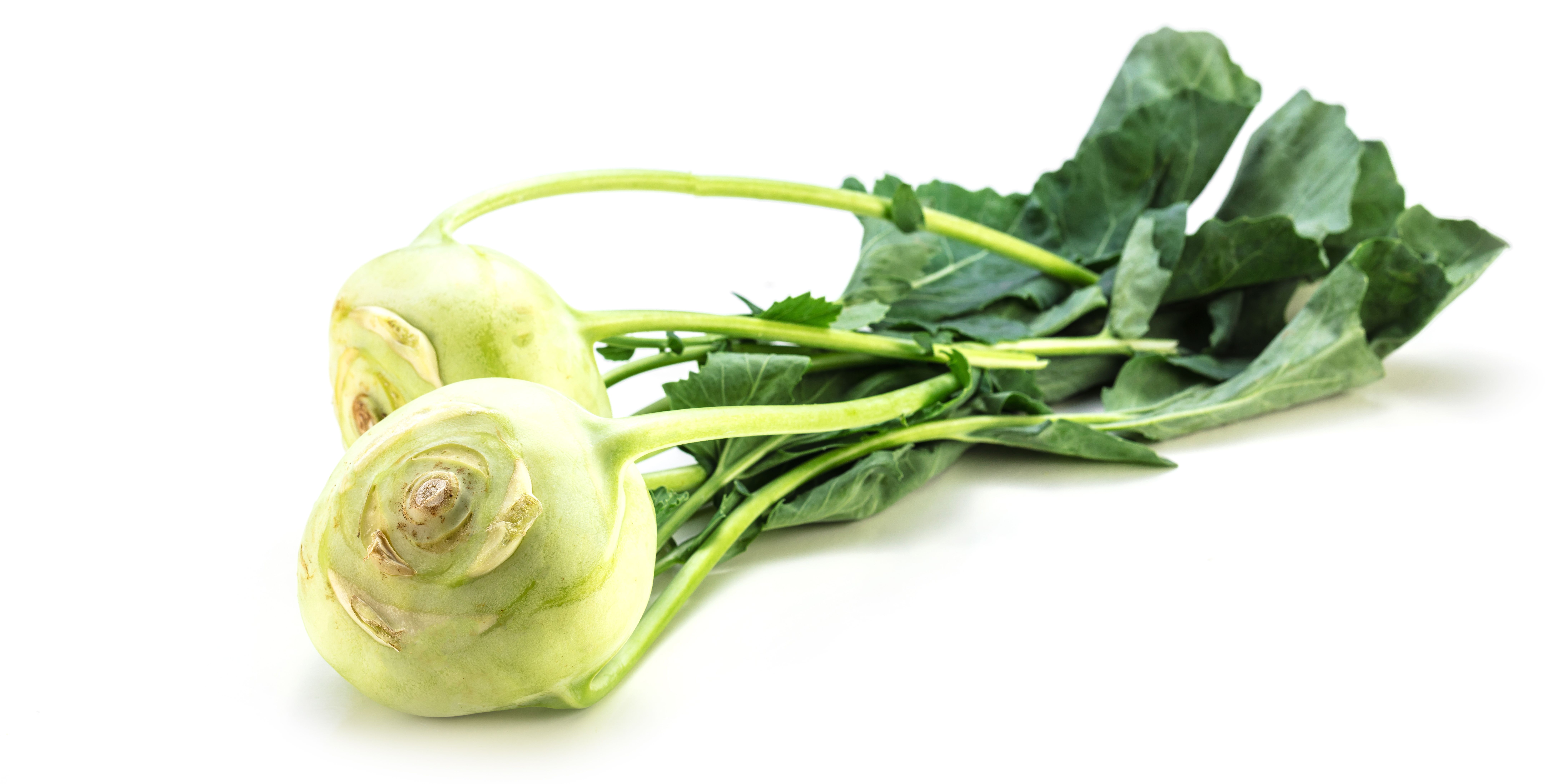
Kohlrabi is one of Florida’s less-familiar crops. Its bulb has a similar taste profile to cabbages and turnips: crisp, mild, and peppery. Leaves may be bitter, particularly when uncooked. The bulb can be seasoned and roasted or boiled and then mashed or puréed into a dip or soup. Grated kohlrabi can be fried into fritters or added raw to salads or appetizers. To prepare kohlrabi, remove leaves and trim off the hard ends of the bulb. While not necessary, peeling off the tough outer skin is recommended. Wash it, then chop to the desired size.
Credit: © karepa / Adobe Stock
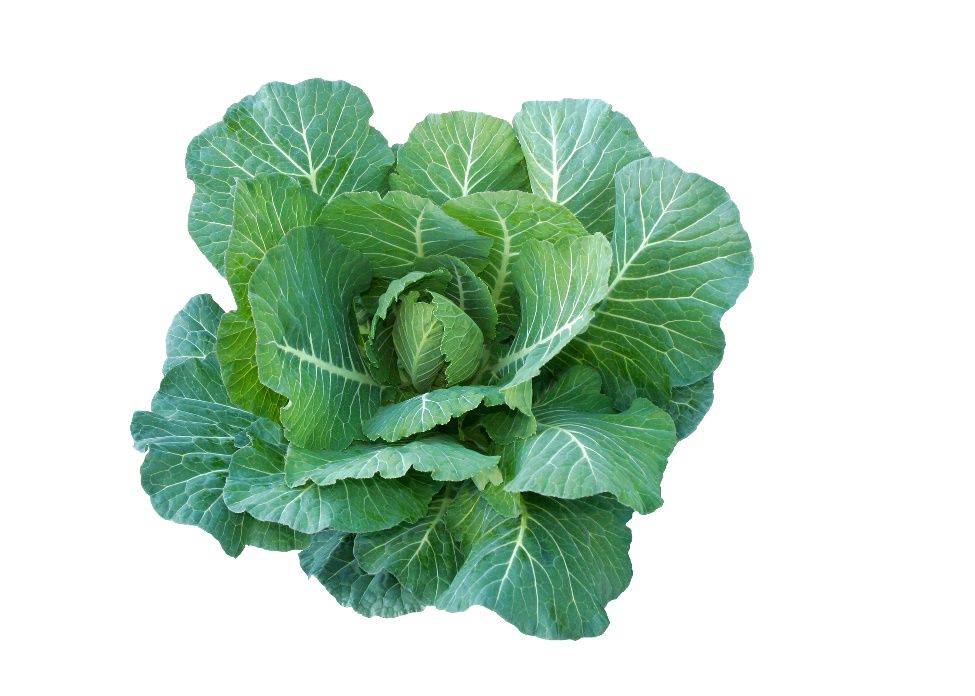
Collards have a mild, semi-smoky flavor and are bitter when eaten raw, but sweeter when cooked. They taste best when picked in cold months, after first frosts. Collards are excellent sautéed, braised, or used in stews, soups, and casseroles. Like collards, kale’s mature leaves can be somewhat bitter raw, but young, tender leaves are sweeter. Marinating and cooking bring out a semisweet flavor in kale leaves. Kale can be sautéed, added to soups and stews, or eaten raw in salads. Blend kale into fruit smoothies for a nutritious boost or bake to a crisp for a healthy alternative to chips.
Credit: Thomas Wright, UF/IFAS
Chard has a mild, earthy, and somewhat bittersweet flavor. Its leaves are tender in texture, and the stalks soften when cooked. It can be sautéed, steamed, or used in soups, stews, frittatas, omelets, and quiches (CalFresh, n.d.-a). Sweet potato greens have a mild, slightly earthy flavor similar to that of spinach or Swiss chard, and have a tender texture when cooked.
Credit: UF/IFAS
Callaloo has a similar taste and texture to spinach but with a slightly more bitter and nutty profile. Callaloo is popular in African and Caribbean cuisine and can be stewed, steamed, or sautéed. Malabar spinach is also similar to standard spinach, but it is somewhat stickier, and it carries a more complex lemon-pepper flavor. It is prepared in similar ways to callaloo, but the young leaves can be eaten raw in a salad. Malabar spinach is often used in Southeast Asian and Indian cuisine.
For more information on these crops, visit the links in the “Additional Resources” section below.
Credit: © Yuji Yamanobe / Adobe Stock
Storage and Waste Reduction
Most brassicas and leafy greens, such as mustard greens, collard greens, kale, bok choy, chard, napa cabbage, lettuce, Malabar spinach, mizuna, sweet potato greens, callaloo, and arugula, can be kept from a few days to up to one week in the refrigerator (Agehara et al., 2016). Arugula keeps only for a day or two in the refrigerator, so use it quickly to prevent food waste. Consumers may find that the shelf life of these vegetables may be much longer for these crops if they are freshly harvested and properly stored. In addition, refrigeration helps these vegetables preserve their nutrition content for a longer period.
Some other leafy greens and brassicas such as red or green cabbage or kohlrabi can be stored for up to two weeks. Leafy greens are best stored whole and unwashed in a plastic bag until you are ready to use them. Wrapping lettuce, bok choy, and mustard greens with a damp cloth or paper towel can increase freshness. To increase storage time, you can blanch and freeze many brassicas and greens, such as chard, broccoli, and collards. For leafy greens, such as arugula, cabbage, lettuce, chard, and sweet potato greens, remove discolored, wilted, or damaged leaves prior to use. Rinse greens thoroughly with cool water, then chop them to the desired size and shape (CalFresh, n.d.-a).
To store kohlrabi, remove stems and leaves (and keep them for other uses), wash the bulb, and store them in a plastic bag in the crisper drawer of the fridge. For more information on kohlrabi, visit the link in the “Additional Resources” section.
To reduce produce waste, you can use the stalks and cores of many brassicas and greens. For example, collard, broccoli, mustard greens, and bok choy stems can be used in stews, stir-fries, and soups. The napa cabbage core is texturally different than the leaves, but it can be cooked and prepared in similar ways. You can pickle kohlrabi or make sauerkraut or kimchi with cabbage (CalFresh, n.d.-a). Sweet potato greens are widely consumed in Asia and Africa, but consumption of these greens is less widely known about in the U.S. It can be an excellent waste reduction technique if you are growing your own sweet potatoes (Tufts University, n.d.).
With the variety of brassica crops and leafy greens available from Florida growers, consumers can find crops year-round. These crops have unique culinary histories and can be used in a range of healthy, nutritious recipes. Visit the Fresh From Florida website for recipe ideas and more information about these crops (Florida Department of Agriculture and Consumer Services, 2025).
Additional Resources
Amaranth: https://gardeningsolutions.ifas.ufl.edu/plants/edibles/vegetables/amaranth/
Arugula: https://gardeningsolutions.ifas.ufl.edu/plants/edibles/vegetables/arugula
Broccoli: https://gardeningsolutions.ifas.ufl.edu/plants/edibles/vegetables/broccoli
Cabbage: https://gardeningsolutions.ifas.ufl.edu/plants/edibles/vegetables/cabbage/
Cole Crop Confusion and the Genus Brassica: https://gardeningsolutions.ifas.ufl.edu/plants/edibles/vegetables/cole-crop-confusion/
Greens: https://gardeningsolutions.ifas.ufl.edu/plants/edibles/vegetables/greens.html
Heat-Tolerant Vegetables: https://gardeningsolutions.ifas.ufl.edu/plants/edibles/vegetables/heat-tolerant-vegetables/
Kale: https://gardeningsolutions.ifas.ufl.edu/plants/edibles/vegetables/kale.html
Kohlrabi: https://gardeningsolutions.ifas.ufl.edu/plants/edibles/vegetables/kohlrabi.html
Lettuce: https://gardeningsolutions.ifas.ufl.edu/plants/edibles/vegetables/lettuce.html
Sweet Potatoes: https://gardeningsolutions.ifas.ufl.edu/plants/edibles/vegetables/sweet-potatoes.html
Swiss Chard: https://gardeningsolutions.ifas.ufl.edu/plants/edibles/vegetables/swiss-chard.html
References
Agehara, S., Boyd, N. S., Dittmar, P. J., Dufault, N. S., Dukes, M. D., Freeman, J. H., Liu, G., et al. (2016). Vegetable and Small Fruit Production Handbook of Florida.
Agehara, S., Dufault, N. S., Kanissery, R., & Martini, X. (Eds.). (2024). Vegetable Production Handbook of Florida.
Bell, L., Oruna-Concha, M. J., & De Haro-Bailon, A. (2023). Editorial: Nutritional Quality and Nutraceutical Properties of Brassicaceae (Cruciferae). Frontiers in Nutrition, 10. https://doi.org/10.3389/fnut.2023.1292964
Bertoia, M. L., Mukamal, K. J., Cahill, L. E., Hou, T., Ludwig, D. S., Mozaffarian, D., Willett, W. C., Hu, F. B., & Rimm, E. B. (2015). Changes in Intake of Fruits and Vegetables and Weight Change in United States Men and Women Followed for Up to 24 Years: Analysis from Three Prospective Cohort Studies. PLOS Medicine, 12(9), e1001878. https://doi.org/10.1371/journal.pmed.1001878
Beuzelin, J., Dittmar, P. J., Smith, H. A., Wells, B., Desaeger, J., Zotarelli, L., Zhang, S., Wang, Q., Frey, C., & Meszaros, A. (2023). Chapter 15. Root Crop Production in Florida: VPH Ch. 15, CV300/HS965, rev. 6/2023. EDIS. https://doi.org/10.32473/edis-cv300-2023
CalFresh. (n.d.-a). Discover Foods. EatFresh. Accessed February 18, 2025. http://eatfresh.org/discover-foods/
CalFresh. (n.d.-b). Find a Recipe. EatFresh. Accessed February 17, 2025. http://eatfresh.org/find-a-recipe/
Choi, S.-H., Ryu, D.-K., Park, S.-H., Ahn, K.-G., Lim, Y.-P., & An, G.-H. (2010). Composition Analysis between Kohlrabi (Brassica oleracea var. gongylodes) and Radish (Raphanus sativus). Horticultural Science & Technology, 28(3), 469–475.
Court, C., Ferreira, J.-P., Botta, R., & McDaid, K. (2023). Economic Contributions of the Agriculture, Natural Resource, and Food Industries in Florida, 2019: FE1136, 7/2023. EDIS, 2023(4). https://doi.org/10.32473/edis-fe1136-2023
D’Aurora, D. (2023). Mizuna: An Asian Green. PennState Extension. https://extension.psu.edu/mizuna-an-asian-green
Davidson, A., & Jaine, T. (2013). The Oxford Companion to Food. Oxford University Press. https://www.oxfordreference.com/display/10.1093/acref/9780192806819.001.0001/acref-9780192806819
Florida Department of Agriculture and Consumer Services. (2025). Fresh From Florida: Recipes. https://www.followfreshfromflorida.com/recipes
Hung, H.-C., Joshipura, K. J., Jiang, R., Hu, F. B., Hunter, D., Smith-Warner, S. A., Colditz, G. A., Rosner, B., Spiegelman, D., & Willett, W. C. (2004). Fruit and Vegetable Intake and Risk of Major Chronic Disease. JNCI: Journal of the National Cancer Institute, 96(21), 1577–1584. https://doi.org/10.1093/jnci/djh296
Kumar, D., Kumar, S., & Shekhar, C. (2020). Nutritional Components in Green Leafy Vegetables: A Review. Journal of Pharmacognosy and Phytochemistry, 9(5), 2498–2502.
McAlvay, A. C., Ragsdale, A. P., Mabry, M. E., Qi, X., Bird, K. A., Velasco, P., An, H., Pires, J. C., & Emshwiller, E. (2021). Brassica rapa Domestication: Untangling Wild and Feral Forms and Convergence of Crop Morphotypes. Molecular Biology and Evolution, 38(8), 3358–3372. https://doi.org/10.1093/molbev/msab108
National Institutes of Health. (2021). Vitamin C. Strengthening Knowledge and Understanding of Dietary Supplements. https://ods.od.nih.gov/factsheets/VitaminC-HealthProfessional/
Nepal, A., Antonious, G. F., Bebe, F. N., Webster, T. C., Gyawali, B. R., & Neupane, B. (2024). Heavy Metal Accumulation in Three Varieties of Mustard Grown under Five Soil Management Practices. Environments, 11(4), 77. https://doi.org/10.3390/environments11040077
Park-Brown, S., Treadwell, D., Stephens, J. M., & Webb, S. (2021). Florida Vegetable Gardening Guide.
Qiu, Y., & Liu, G. (2024a). Florida Cultivation Guide for Malabar Spinach. https://edis.ifas.ufl.edu/publication/HS1371
Qiu, Y., & Liu, G. (2024b). Production Guide of Vegetable Amaranth for Florida. EDIS. https://doi.org/10.32473/edis-hs1407-2021
Sandoya-Miranda, G., Kanissery, R., Dufault, N. S., Desaeger, J., Meszaros, A., Beuzelin, J., & Xavier, K. V. (2023). Chapter 9. Leafy Vegetable Production: VPH Ch. 9, CV293/HS728, rev. 6/2023. EDIS. https://doi.org/10.32473/edis-cv293-2023
Simonne, E. H., Olson, S. M., Lamberts, M. L., Stall, W. M., Pernezny, K. L., & Webb, S. E. (2006). Chapter 40: Sweetpotato Production in Florida: HS738/CV136, 11/2006. EDIS, 2006(3). https://doi.org/10.32473/edis-cv136-2006
Smith, A. F. (Ed.). (2012). The Oxford Encyclopedia of Food and Drink in America. Oxford University Press. https://www.oxfordreference.com/display/10.1093/acref/9780199734962.001.0001/acref-9780199734962
Tufts University. (n.d.). Sweet Potato Greens. New Entry Sustainable Farming Project. Accessed February 17, 2025. https://nesfp.nutrition.tufts.edu/world-peas-food-hub/world-peas-csa/produce-recipes/sweet-potato-greens
USDA. (n.d.). FoodData Central. Accessed October 31, 2024. https://fdc.nal.usda.gov/
Wells, B., Smith, H. A., Zotarelli, L., Dittmar, P. J., Dufault, N. S., Desaeger, J., & Wang, Q. (2023). Chapter 6. Cole Crop Production: VPH Ch. 6, CV122/HS724, rev. 6/2023. EDIS. https://doi.org/10.32473/edis-cv122-2023