
Florida is one of the top states in the United States for production of fresh fruit and vegetables (Court et al., 2023). Eating five servings of fruit and vegetables as recommended by the Dietary Guidelines for Americans can reduce risk for chronic disease and help individuals maintain a healthy weight (Bertoia et al., 2015; Hung et al., 2004). This publication is intended for individuals who are interested in learning more about cucurbit crops that are grown in Florida, and ways to store, prepare, and cook these crops in healthy meals.
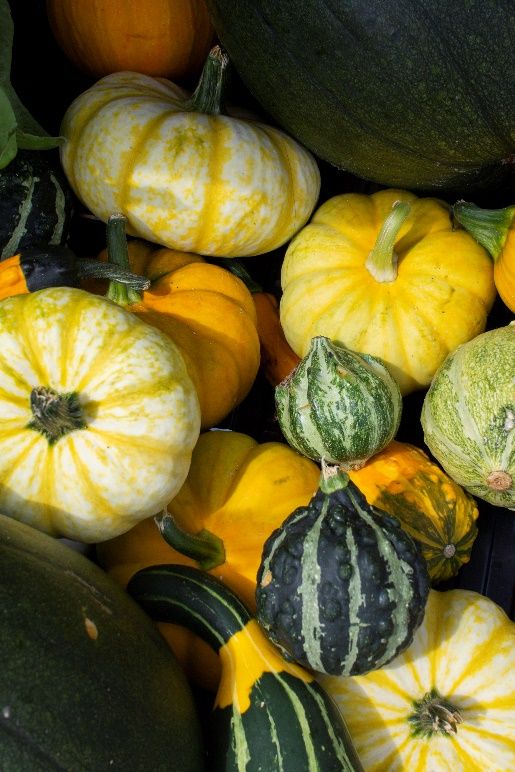
Cucurbit crops are members of the gourd family. Florida-grown cucurbits include summer squash (Cucurbita pepo), winter squash (Cucurbita pepo, Cucurbita moschata, or Cucurbita maxima), cucumber (Cucumis sativus), watermelon (Citrullus lanatus), and melon (Cucumis melo) (Agehara et al., 2024). Winter squashes include acorn squash (Cucurbita pepo), butternut squash, Seminole pumpkin, and calabaza (Cucurbita moschata), and buttercup squash (Cucurbita maxima). Calabaza is a type of specialty pumpkin, often referred to as “calabaza squash” or “calabaza pumpkin.” Cucumbers originated in the Indian subcontinent, while both summer squash and Seminole pumpkin are native to North America. Melons originated in Africa and have been cultivated since prebiblical times, and they were introduced to the New World by Christopher Columbus in 1494 (Smith, 2012).
Credit: Rob Annis, UF/IFAS
The Seminole and calabaza pumpkins are adapted to Florida’s hot, humid climate, and grow well at low elevations (Ferriol & Picó, 2008). The Seminole pumpkin is native to Florida and traditionally grown by the Calusa, Creek, Miccosukee, and Seminole tribes (UF/IFAS Gardening Solutions, n.d.). Both pumpkin types can be direct seeded in spring and should be planted in an area that gets 6–8 hours of direct sunlight. The vines can grow to 25 feet, and it is ready to harvest in 3–4 months. However, short-vine cultivars of calabaza are commercially available, including ‘La Estrella’. Seminole pumpkins and calabaza pumpkins are available to purchase from Florida growers from July through November. Summer squash is grown in spring or fall in full sun. It is ready for harvest 40–50 days after germination and is available to purchase from Florida farms in the late spring as well as in the fall and winter months (Paret et al., 2023).
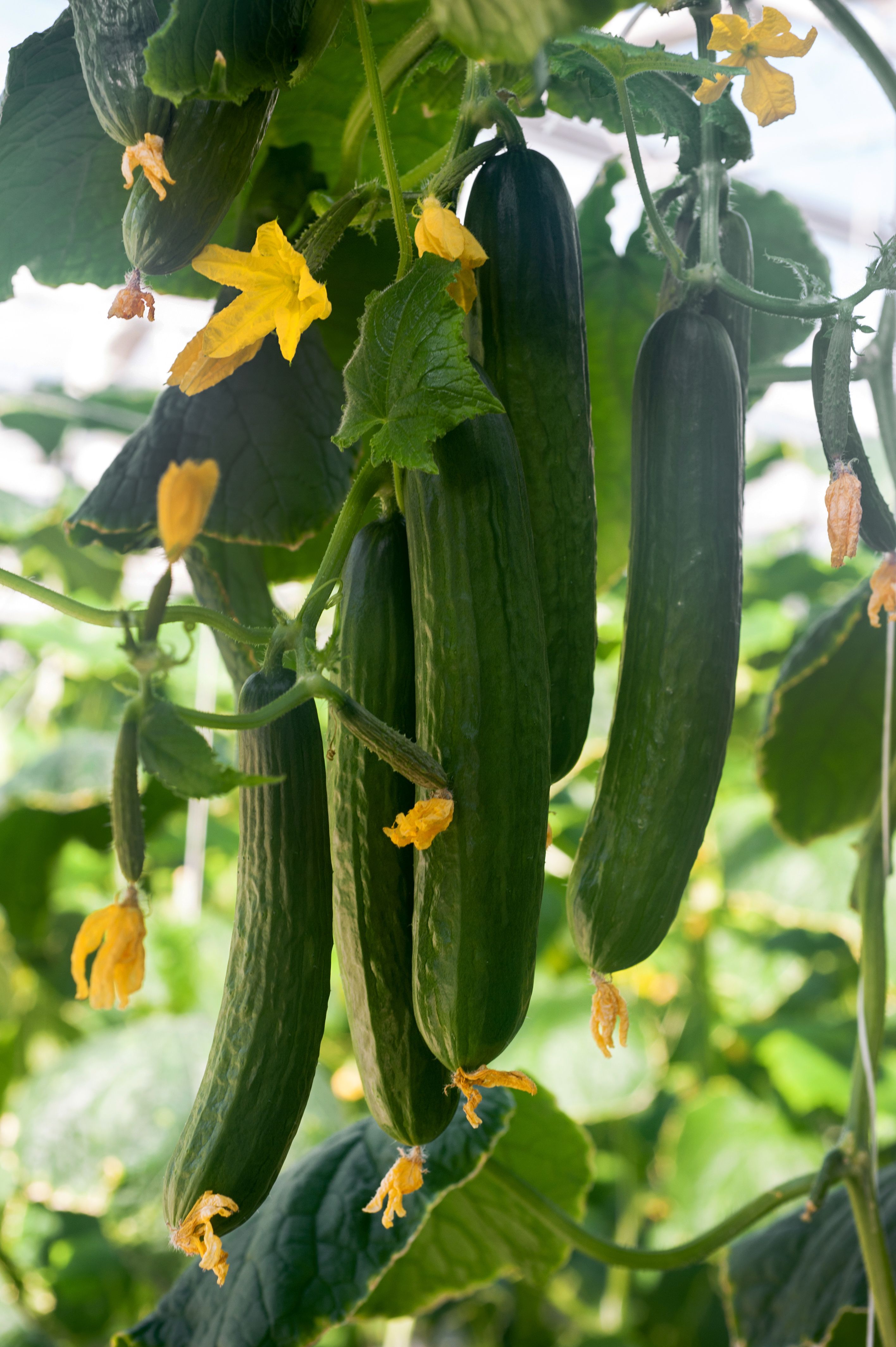
Cucumber is grown on over 21,000 acres in Florida (USDA NASS, 2023). It is typically thought of as a spring crop; however, in Florida, it can be grown from July to April, depending on location. Cucumbers typically take between 40 and 65 days from planting for fruits to be harvest-ready under optimum growing conditions and may be grown on the ground or trellised. They are available from Florida growers from September through July.
Credit: © pavlobaliukh / Adobe Stock
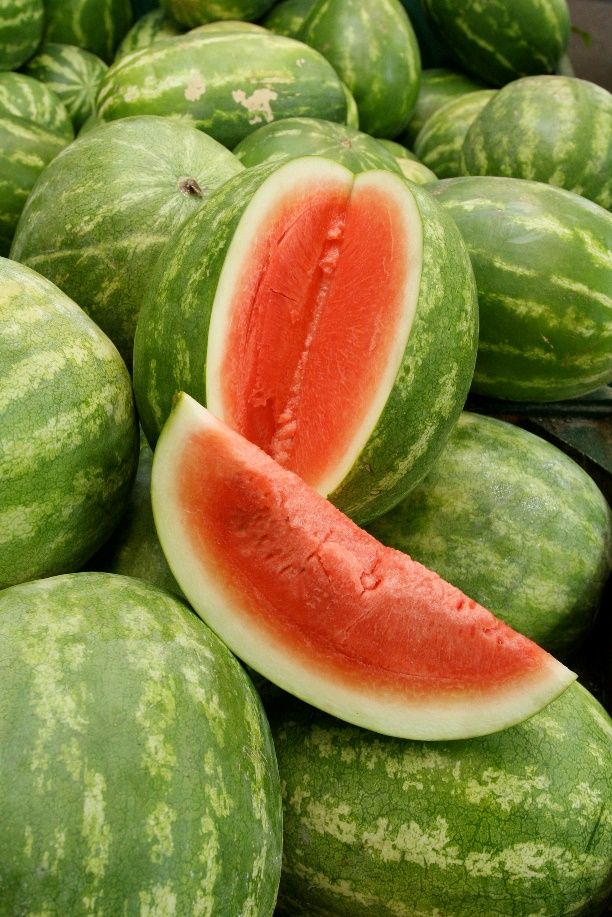
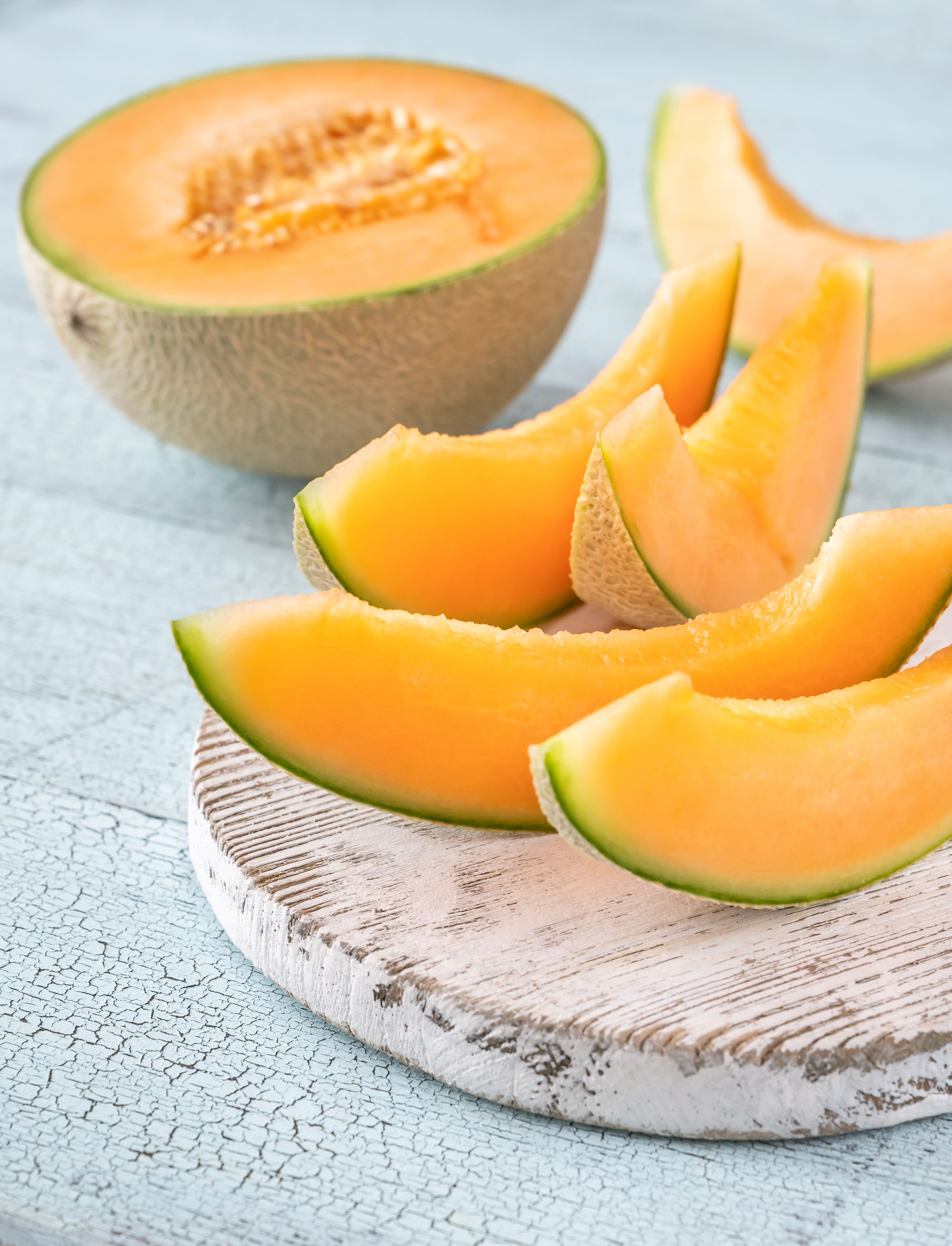
Florida is the top producer of watermelon with over 35,000 acres of production, plus an additional 1,700 acres of cantaloupe and muskmelons (USDA NASS, 2023; Court et al., 2023; Dittmar et al., 2023). Melons are warm-season crops that need full sun and a lot of room to grow. Melons are planted in spring after danger of frost is gone, and they prefer rich, well-drained soil. The length of time to harvest melons depends on the type of melon. Watermelon is ready to harvest between 80 and 100 days after planting. Watermelon can be seeded or seedless, and there are many different sizes (Smith, 2012). The heaviest watermelon on record weighed over 350 pounds (Guinness World Records, 2013). Melons are typically available from Florida growers from May through July (Park-Brown et al., 2021).
Credit: Thomas Wright, UF/IFAS
Cucumbers are a good source of potassium (USDA, n.d.), and they are approximately 96% water (Guelinckx et al., 2016). Summer squash is an excellent source of vitamin C, and a good source of vitamin A, potassium, and folate (USDA, n.d.). Pumpkins (Cucurbita spp.) contain several beneficial compounds, including carotenoids, alkaloids, flavonoids, polyphenols, tannins, tocopherols, phytosterols, and cucurbitacin (Kaur et al., 2019). Note that cucurbitacin can be poisonous in large quantities (Dai et al., 2023). Seminole pumpkin is an excellent source of vitamin A, vitamin C, potassium, and phosphorus (USDA, n.d.). Melons have a number of beneficial nutrients including vitamins, antioxidants, and carotenoids (Manchali et al., 2021). They are excellent sources of vitamin A and vitamin C (USDA, n.d.). Watermelons contain phytochemicals such as lycopene, vitamins A and C, and beta-carotene; they also have anti-inflammatory, anticancer, and antioxidant properties, which can reduce incidence of chronic diseases (Maoto et al., 2019; USDA, n.d.).
Credit: © alex9500 / Adobe Stock
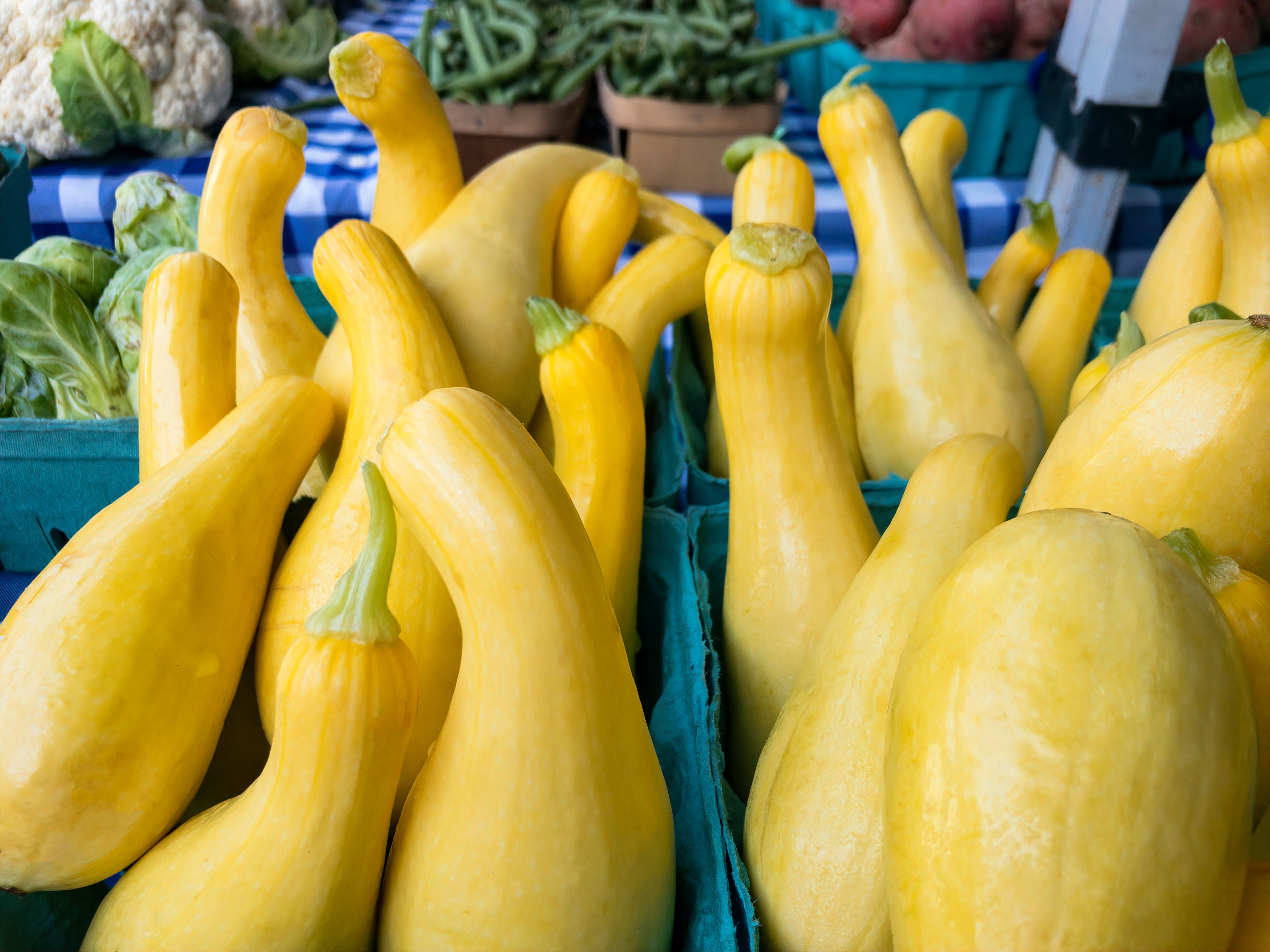
Cucurbits are versatile vegetables that can be used in a variety of ways. Prior to preparing them, rinse the outer surface thoroughly. This process may require light scrubbing for melons, watermelon, Seminole pumpkin, and calabaza pumpkin. Cucumbers have a mild, slightly sweet flavor and are crisp and crunchy. They can be eaten raw in salads, sandwiches, and wraps, or with dips. Summer squashes include several varieties, including zucchini, crookneck, yellow, and pattypan, each with distinctive shapes and sizes (Smith, 2012). Summer squash has a mild flavor and tender skin and flesh, and its texture softens quickly when cooked. Seminole pumpkin and calabaza pumpkins taste similar to butternut squash and can be used similarly. They can be roasted or made into soup. Summer squash and Seminole pumpkin can be baked, roasted, grilled, or used in pastas. Melons have a juicy, honey-like sweetness and are most often served fresh as a dessert; additionally, they can be used in salads (Smith, 2012).
Credit: © Guy Bryant / Adobe Stock
Cucumbers and summer squash may be kept in the refrigerator in a damp paper towel for up to one week. Whole melons can be kept at room temperature (softening to the desired texture) and then stored in the refrigerator for 2–3 weeks (CalFresh, n.d.). Seminole pumpkin can be kept at room temperature for up to a year in a dry location. To reduce waste, remember that the whole cucumber and summer squash are edible, including the skin and undeveloped, immature seeds — even the blossoms of squash can be eaten. You can make pickles out of cucumbers so that they keep longer, and you can even make pickles out of watermelon rinds. Melon can be sliced and cubed, then frozen for use in smoothies. Roasted Seminole pumpkin can be frozen for later use. Visit the Fresh from Florida website or the resources listed below for more information on these crops, ways to store and prepare them, and recipe ideas (Florida Department of Agriculture and Consumer Services, 2025).
Additional Resources
Cucumber: https://gardeningsolutions.ifas.ufl.edu/plants/edibles/vegetables/cucumbers.html
Melon: https://gardeningsolutions.ifas.ufl.edu/plants/edibles/fruits/melons.html
Seminole Pumpkin: https://gardeningsolutions.ifas.ufl.edu/plants/edibles/vegetables/seminole-pumpkin.html
Summer Squash: https://gardeningsolutions.ifas.ufl.edu/plants/edibles/vegetables/summer-squash.html
Watermelon: https://gardeningsolutions.ifas.ufl.edu/plants/edibles/fruits/watermelon.html
National Center for Home Food Preservation — Pickling: https://nchfp.uga.edu/how/pickle/general-information-pickling/general-information-on-pickling/
References
Agehara, S., Dufault, N. S., Kanissery, R., & Martini, X. (Eds.). (2024). Vegetable Production Handbook of Florida. https://edis.ifas.ufl.edu/publication/CV292
Bertoia, M. L., Mukamal, K. J., Cahill, L. E., Hou, T., Ludwig, D. S., Mozaffarian, D., Willett, W. C., Hu, F. B., & Rimm, E. B. (2015). Changes in Intake of Fruits and Vegetables and Weight Change in United States Men and Women Followed for up to 24 Years: Analysis from Three Prospective Cohort Studies. PLOS Medicine, 12(9), e1001878. https://doi.org/10.1371/journal.pmed.1001878
CalFresh. (n.d.). Discover Foods [California Department of Social Services]. EatFresh. Retrieved February 18, 2025, from https://eatfresh.org/discover-foods/
Court, C., Ferreira, J.-P., Botta, R., & McDaid, K. (2023). Economic Contributions of the Agriculture, Natural Resource, and Food Industries in Florida, 2019: FE1136, 7/2023. EDIS, 2023(4). https://doi.org/10.32473/edis-fe1136-2023
Dai, S., Wang, C., Zhao, X., Ma, C., Fu, K., Liu, Y., Peng, C., & Li, Y. (2023). Cucurbitacin B: A Review of Its Pharmacology, Toxicity, and Pharmacokinetics. Pharmacological Research, 187, 106587. https://doi.org/10.1016/j.phrs.2022.106587
Dittmar, P. J., Dufault, N. S., & Agehara, S. (2023). Chapter 1. Commercial Vegetable Production in Florida: VPH ch. 1, CV100/HS710, rev. 6/2023. EDIS. https://doi.org/10.32473/edis-cv100-2023
Ferriol, M., & Picó, B. (2008). Pumpkin and Winter Squash. In J. Prohens & F. Nuez (Eds.), Vegetables I: Asteraceae, Brassicaceae, Chenopodicaceae, and Cucurbitaceae (pp. 317–349). Springer. https://doi.org/10.1007/978-0-387-30443-4_10
Florida Department of Agriculture and Consumer Services. (2025). Fresh from Florida: Recipes. https://www.followfreshfromflorida.com/recipes
Guelinckx, I., Tavoularis, G., König, J., Morin, C., Gharbi, H., & Gandy, J. (2016). Contribution of Water from Food and Fluids to Total Water Intake: Analysis of a French and UK Population Surveys. Nutrients, 8(10), 630. https://doi.org/10.3390/nu8100630
Guinness World Records. (2013). Heaviest Watermelon. Guinness World Records. https://www.guinnessworldrecords.com/world-records/heaviest-watermelon.html
Hung, H.-C., Joshipura, K. J., Jiang, R., Hu, F. B., Hunter, D., Smith-Warner, S. A., Colditz, G. A., Rosner, B., Spiegelman, D., & Willett, W. C. (2004). Fruit and Vegetable Intake and Risk of Major Chronic Disease. JNCI: Journal of the National Cancer Institute, 96(21), 1577–1584. https://doi.org/10.1093/jnci/djh296
Kaur, S., Panghal, A., Garg, M. K., Mann, S., Khatkar, S. K., Sharma, P., & Chhikara, N. (2019). Functional and Nutraceutical Properties of Pumpkin — A Review. Nutrition & Food Science, 50(2), 384–401. https://doi.org/10.1108/NFS-05-2019-0143
Manchali, S., Chidambara Murthy, K. N., Vishnuvardana, & Patil, B. S. (2021). Nutritional Composition and Health Benefits of Various Botanical Types of Melon (Cucumis melo L.). Plants, 10(9), Article 9. https://doi.org/10.3390/plants10091755
Maoto, M. M., Beswa, D., & Jideani, A. I. O. (2019). Watermelon as a Potential Fruit Snack. International Journal of Food Properties, 22(1), 355–370. https://doi.org/10.1080/10942912.2019.1584212
Paret, M. L., Frey, C., Boyd, N. S., Wang, Q., Desaeger, J., Qureshi, J., Meszaros, A., & Martini, X. (2023). Chapter 7. Cucurbit Production: VPH ch. 7, CV123/HS725, rev. 6/2023. EDIS. https://doi.org/10.32473/edis-cv123-2023
Park-Brown, S., Treadwell, D., Stephens, J. M., & Webb, S. (2021). Florida Vegetable Gardening Guide.
Smith, A. F. (Ed.). (2012). The Oxford Encyclopedia of Food and Drink in America. Oxford University Press. https://www.oxfordreference.com/display/10.1093/acref/9780199734962.001.0001/acref-9780199734962
UF/IFAS Gardening Solutions. (n.d.). Seminole Pumpkin. Retrieved February 17, 2025, from https://gardeningsolutions.ifas.ufl.edu/plants/edibles/vegetables/seminole-pumpkin/
USDA. (n.d.). FoodData Central. Retrieved October 31, 2024, from https://fdc.nal.usda.gov/
USDA NASS. (2023). Table 36. Vegetables, Potatoes, and Melons Harvested for Sale: 2022 and 2017. Census of Agriculture for Florida. https://www.nass.usda.gov/Publications/AgCensus/2022/Full_Report/Volume_1,_Chapter_1_US/st99_1_036_036.pdf