
Herbs and spices have been used for hundreds of years for culinary and medicinal purposes, and they have a wide range of health benefits (Jiang, 2019), such as reduction of high blood pressure (Driscoll et al., 2019). Including herbs and spices in a dish can improve or enhance flavors and allow for modifications to a recipe, such as reducing the sugar, salt, and/or fat to make it a healthier option (Norris & Dahl, 2013). Various herbs grow well in Florida (Salinas et al., 2021). This publication is intended for individuals who are interested in learning more about herbs and seasonings that are grown in Florida, and ways to use these herbs and seasonings to prepare healthy meals.
Herbs are foliage or flowers from plants, while spices are bark, seeds, and roots; thus, it is more likely that the home gardener will grow herbs rather than spices (Smith, 2012). Herbs grow well direct-seeded, and prefer to grow in full sun, with rich, well-drained soil (Salinas et al., 2021).
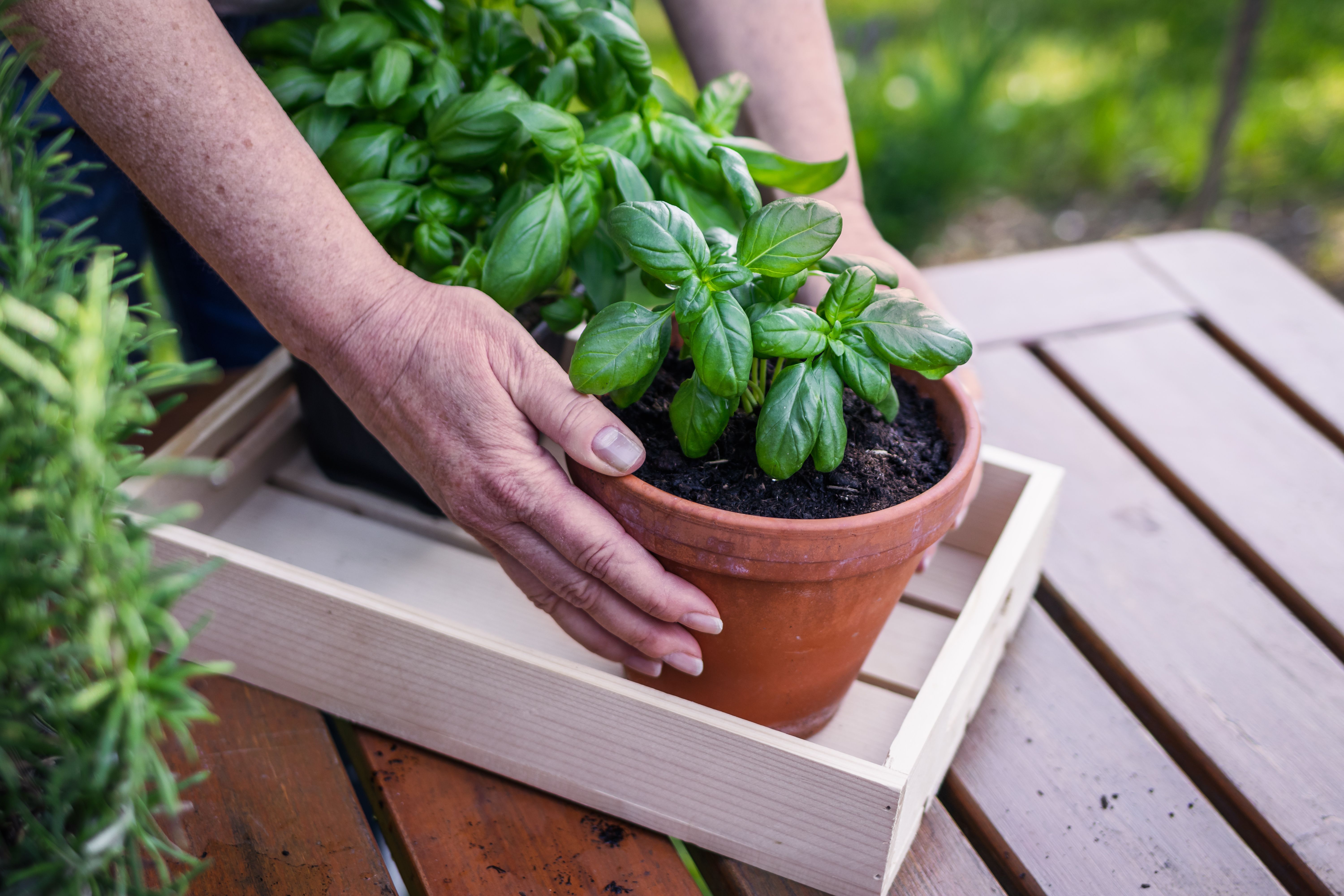
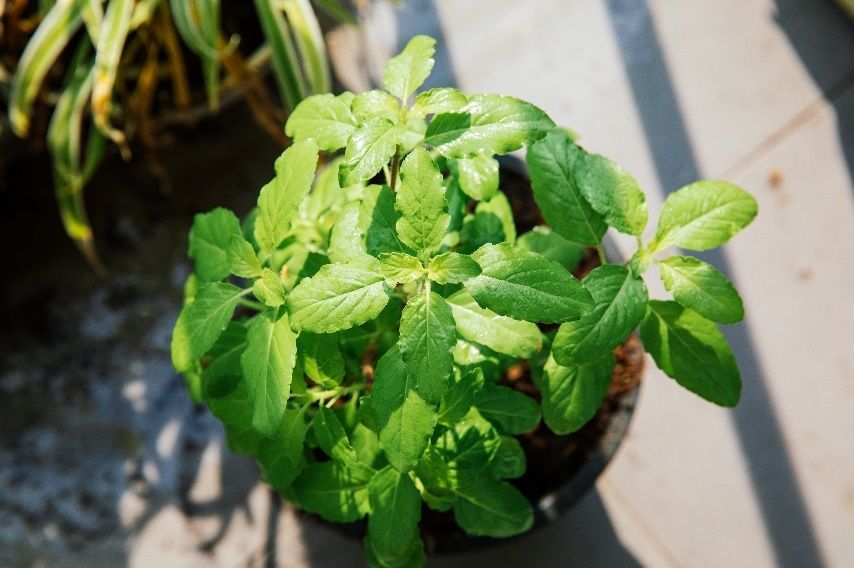
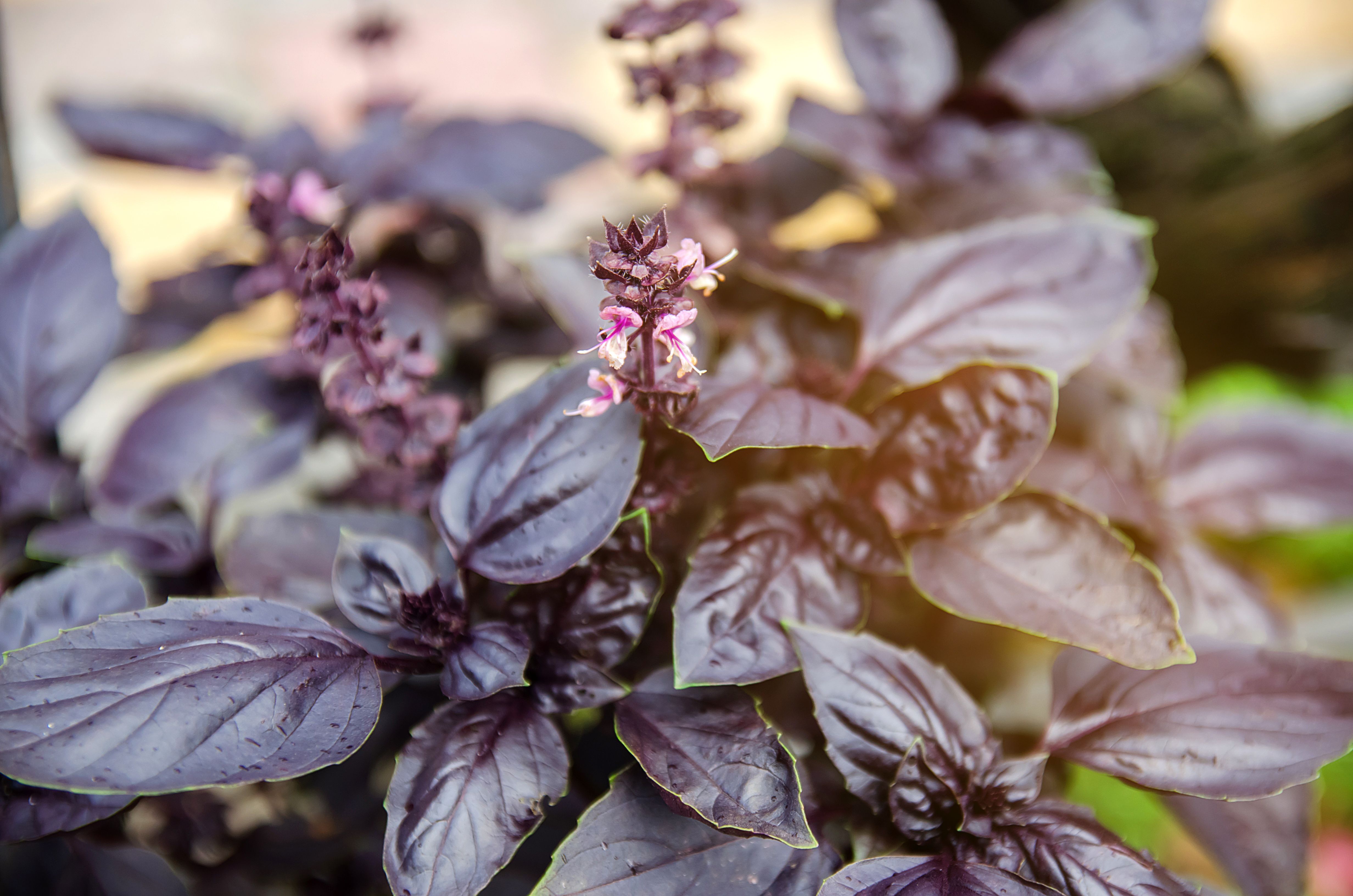
Basil (Ocimum basilicum) is a warm-season herb, with many varieties including Genovese, sweet purple, Thai, lemon, and tulsi. Basil is originally from Africa, India, and Southeast Asia, and the name “basil” comes from the Greek work basileus, or “king” (Dean, 2013). Basil is a good source of vitamin K (USDA, n.d.). Culinary use differs by variety. Basil is commonly used for salads, pizza, pasta, and pesto, while Thai basil is common in stir-fries, spring rolls, and soups (CalFresh, n.d.).
Credit: © encierro / Adobe Stock
Credit: © Nattawat / Adobe Stock
Credit: © Andrii Yalanskyi / Adobe Stock
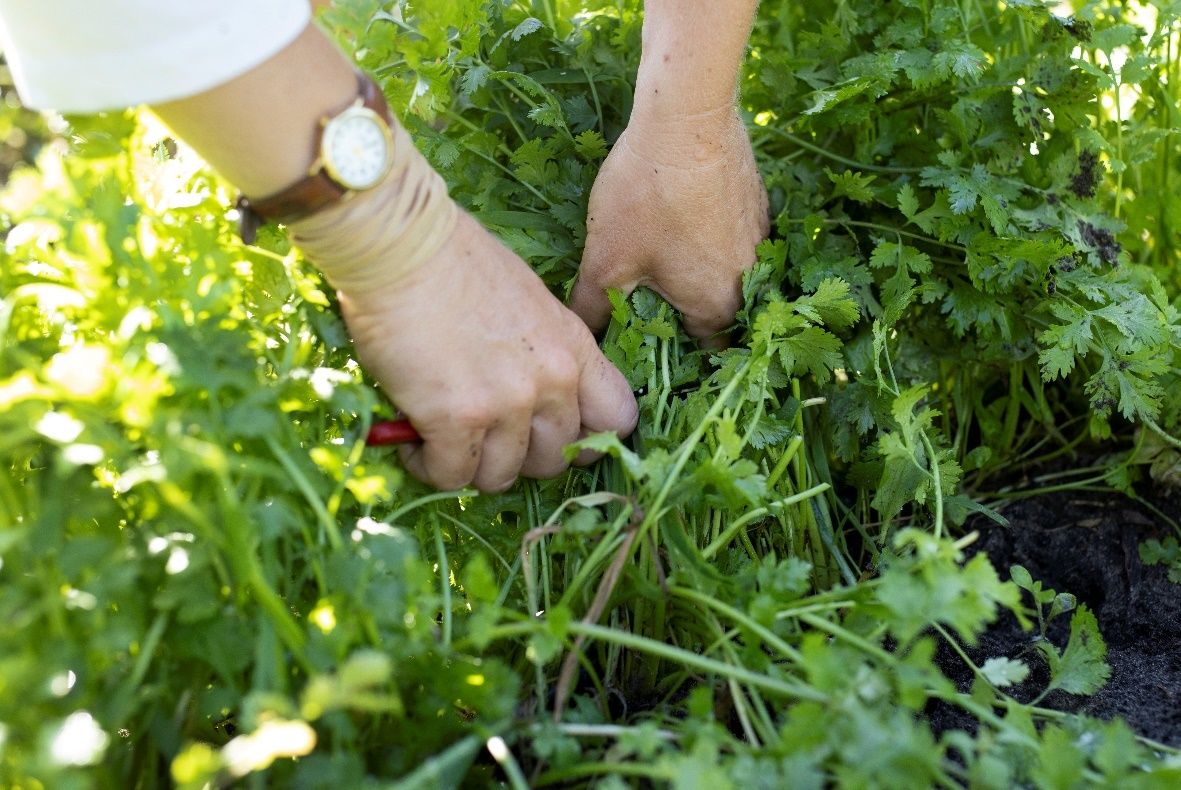
Cilantro is from southern Europe and eastern Asia, but it is traditionally featured in Latin American and Southeast Asian cuisines. Cilantro (Coriandrum sativum) grows well in Florida in the cool season. One of the oldest known herbs, its seeds have been found in Egyptian tombs (Davidson & Jaine, 2013). It is a good source of vitamin C (USDA, n.d.). You can use it as a garnish to enhance dishes such as tacos, salsa, soup, noodles, or spring rolls. Even the stems are edible and flavorful, so they can be eaten to reduce food waste. Some find the taste of cilantro to be "soapy," while others find a tangy and tart lemon-lime flavor profile (Spence, 2023).
Credit: Tyler Jones, UF/IFAS
Dill (Anethum graveolens L.) is a Mediterranean herb. Its name comes from the Saxon word “dilla,” meaning soothe, and it has long been taken as a digestion aid and as a tranquilizer (Davidson & Jaine, 2013). Like cilantro, dill grows well in Florida in the cool season. Dill contains vitamins A and C. It is excellent as a garnish for salads, soups, pasta, and roasted or broiled fish dishes. It is commonly used for flavoring pickles.
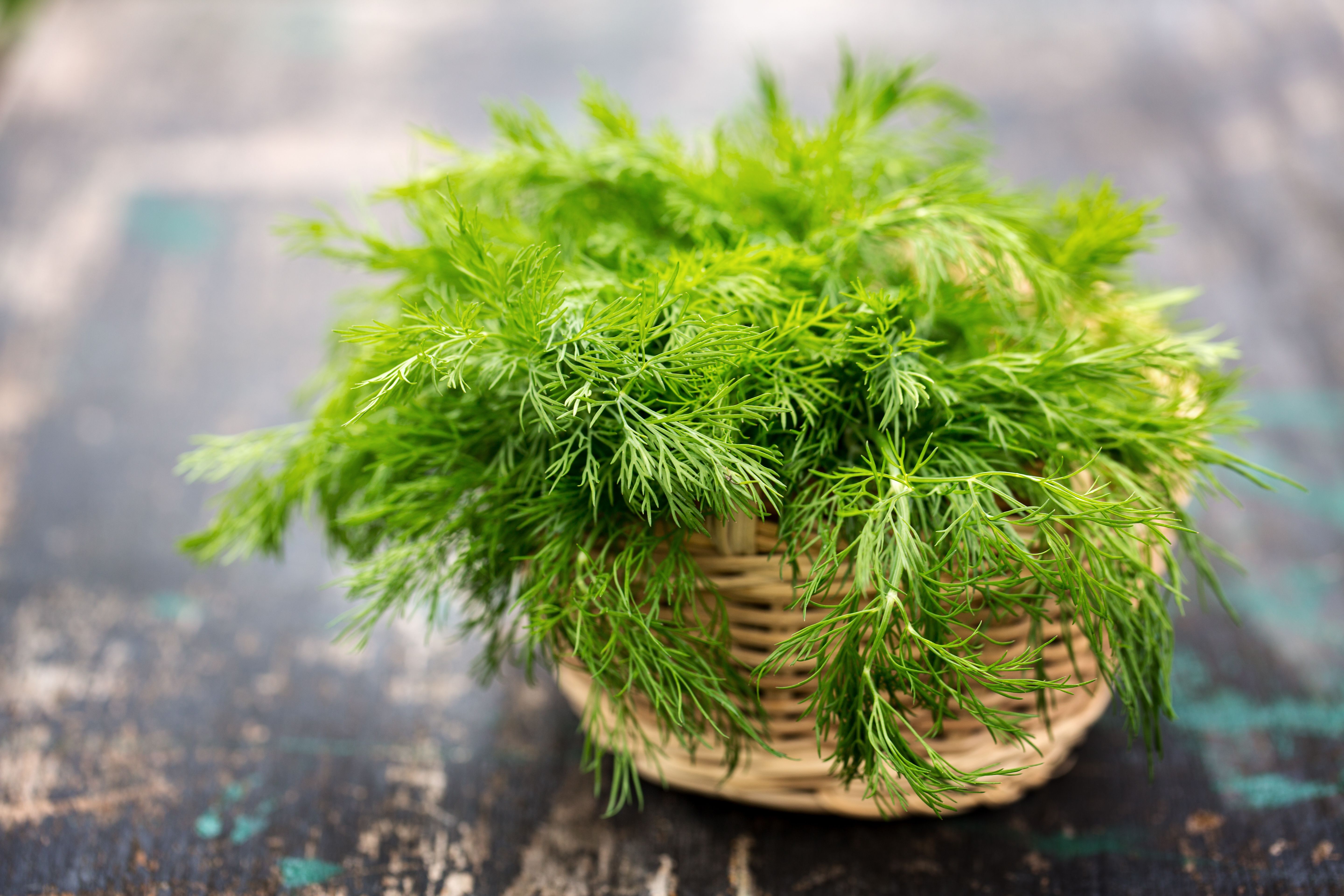
Credit: Credit: © Mallivan / Adobe Stock
Roselle hibiscus (Hibiscus sabdariffa) is a flowering plant that grows well in southern climates. It can be eaten, used to make teas and spiced drinks, and also has medicinal uses (UF/IFAS Extension, n.d.; Qi et al., 2005). It has been found to be high in antioxidants such as vitamins A and C, vitamin K, and minerals such as manganese and potassium (Clark & Dahl, 2014; Tsai et al., 2002). It is also a good source of calcium (USDA, n.d.). Roselle, also known as Florida cranberry, is from central and west Africa. Both calyces and leaves have a tart flavor, and the calyces are the main ingredient in sorrel drink, a popular drink throughout the Caribbean (Davidson & Jaine, 2013). Roselle is very versatile. It can be used to make teas, juice, jam, or jelly. It is commonly used as food flavoring and/or coloring. Leaves are edible, so they can be eaten to reduce food waste. You can also freeze or dehydrate roselle. It can keep up to one year frozen, or for a few years if dried appropriately. Young, tender leaves may be used in salads (Norris & Dahl, 2013). You can also use herbs or roselle to make infused vinegar.
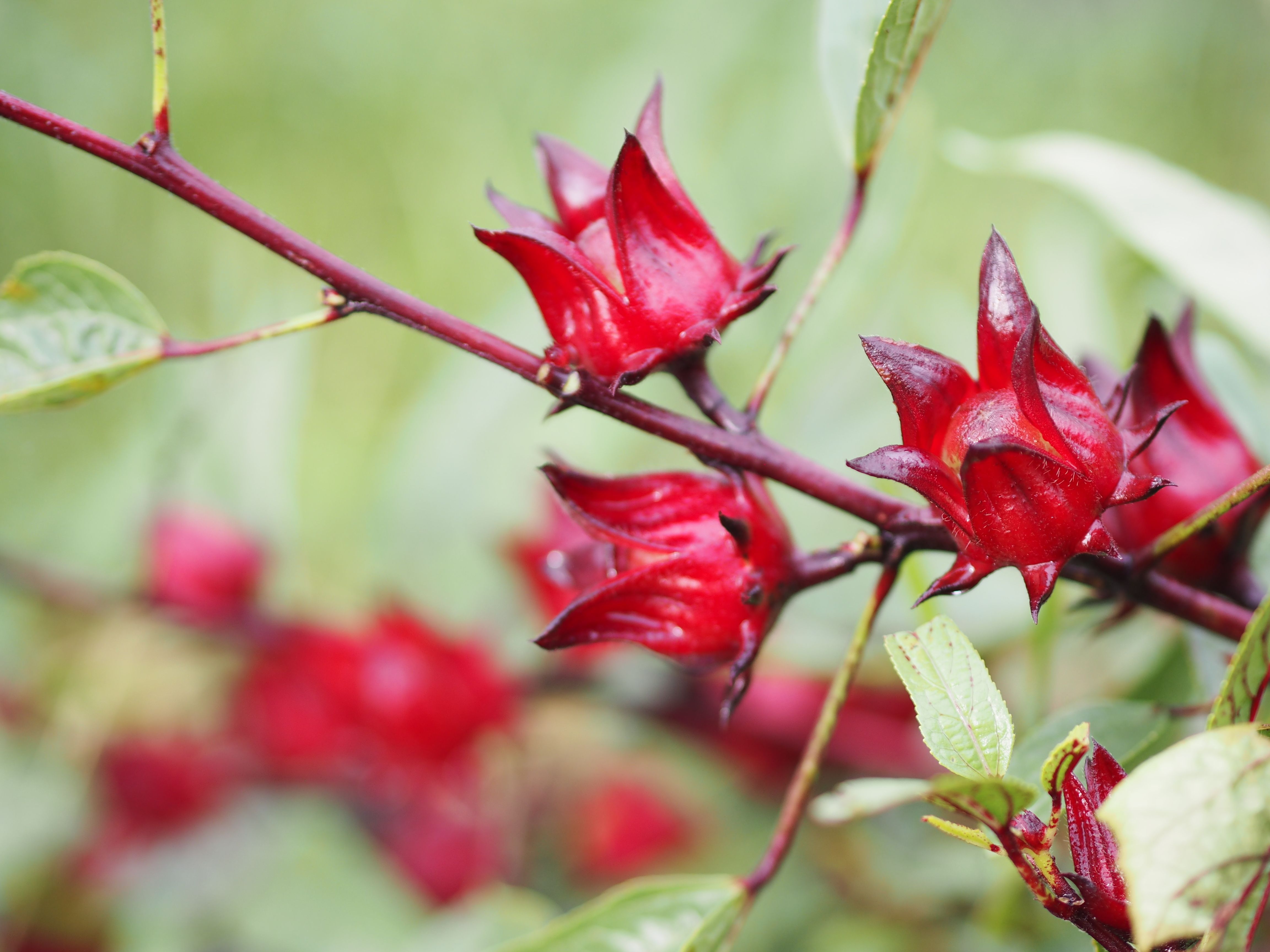
Credit: © pakn / Adobe Stock
To prepare herbs, rinse them in cool water, remove stems, and chop to desired size. You can place herbs in a jar of cool water, covered with a plastic bag, and put it in the refrigerator to extend the shelf life. If stored properly, basil can keep for 3–5 days and roselle can keep for 7–10 days (Qi et al., 2005), while cilantro and dill can keep for 2–3 weeks (CalFresh, n.d.). Herbs can also be dried to extend their shelf life. Note that herbs change when they dry. When dried, some herbs lose their volatile compounds — terpenes, monoterpenes, and sesquiterpenes — while others increase their volatility and, in some cases, have a totally different flavor (Smith, 2012). Thus, when cooking with herbs it is important to know whether a recipe calls for fresh or dried herbs (Norris & Dahl, 2013).
For more information on Florida herbs, visit the links in the “Additional Resources” section below.
Additional Resources
Basil: https://gardeningsolutions.ifas.ufl.edu/plants/edibles/vegetables/basil.html
Cilantro: https://gardeningsolutions.ifas.ufl.edu/plants/edibles/vegetables/cilantro.html
Dill: https://gardeningsolutions.ifas.ufl.edu/plants/edibles/vegetables/dill.html
Roselle: https://gardeningsolutions.ifas.ufl.edu/plants/edibles/vegetables/roselle.html
References
CalFresh. (n.d.). Discover Foods. EatFresh. Retrieved February 18, 2025, from http://eatfresh.org/discover-foods/
Clark, K. G., & Dahl, W. J. (2014). Facts about Antioxidants: FSHN 14-02/FS242, 2/2014. EDIS, 2014(2). https://doi.org/10.32473/edis-fs242-2014
Davidson, A., & Jaine, T. (2013). The Oxford Companion to Food. Oxford University Press. https://www.oxfordreference.com/display/10.1093/acref/9780192806819.001.0001/acref-9780192806819
Dean, S. (2013). The Etymology of Basil. Bon Appétit. https://www.bonappetit.com/test-kitchen/ingredients/article/the-etymology-of-basil?srsltid=AfmBOooywsfk92B6O1aa90hm9vB1ZYl1CXeMDk13G86l1BETGkaBM4gL
Driscoll, K. S., Appathurai, A., Jois, M., & Radcliffe, J. E. (2019). Effects of Herbs and Spices on Blood Pressure: A Systematic Literature Review of Randomised Controlled Trials. Journal of Hypertension, 37(4), 671. https://doi.org/10.1097/HJH.0000000000001952
Jiang, T. A. (2019). Health Benefits of Culinary Herbs and Spices. Journal of AOAC INTERNATIONAL, 102(2), 395–411. https://doi.org/10.5740/jaoacint.18-0418
Norris, J. A., & Dahl, W. (2013). Shopping for Health: Herbs and Spices: FSHN1303/FS225, 4/2013. EDIS, 2013(4). https://doi.org/10.32473/edis-fs225-2013
Qi, Y., Chin, K. L., Malekian, F., Berhane, M., & Gager, J. (2005). Biological Characteristics, Nutritional and Medicinal Value of Roselle, Hibiscus sabdariffa. Southern University and A&M College System, 604, 2.
Salinas, M., Brown, S. P., & Stephens, J. M. (2021). Herbs and Spices in the Florida Garden: VH020/CIR570, rev. 12/2021. EDIS, 2021(6). https://doi.org/10.32473/edis-vh020-2021
Smith, A. F. (Ed.). (2012). The Oxford Encyclopedia of Food and Drink in America. Oxford University Press. https://www.oxfordreference.com/display/10.1093/acref/9780199734962.001.0001/acref-9780199734962
Spence, C. (2023). Coriander (Cilantro): A Most Divisive Herb. International Journal of Gastronomy and Food Science, 33, 100779. https://doi.org/10.1016/j.ijgfs.2023.100779
Tsai, P.-J., McIntosh, J., Pearce, P., Camden, B., & Jordan, B. R. (2002). Anthocyanin and Antioxidant Capacity in Roselle (Hibiscus sabdariffa L.) Extract. Food Research International, 35(4), 351–356. https://doi.org/10.1016/S0963-9969(01)00129-6
UF/IFAS Extension. (n.d.). Roselle. Gardening Solutions. Retrieved February 19, 2025, from https://gardeningsolutions.ifas.ufl.edu/plants/edibles/vegetables/roselle/
USDA. (n.d.). FoodData Central. Retrieved October 31, 2024, from https://fdc.nal.usda.gov/