
Florida is one of the top states in the United States for production of fresh fruit and vegetables, including a number of tuber and root vegetable crops (Court et al., 2023). Florida is second in the U.S. for the market value of agricultural crops grown in vegetables, melons, potatoes, and sweet potatoes, and the state has more than 20,000 acres devoted to growing potatoes (National Agricultural Statistics Service, 2022). The Dietary Guidelines for Americans recommend that people consume at least 2.5 servings of vegetables (equivalent to 2.5 cups daily) and 2 servings of fruits (equivalent to 2 cups daily). Eating fruit and vegetables as recommended by the Dietary Guidelines for Americans can reduce risk for chronic disease and help individuals maintain a healthy weight (Bertoia et al., 2015; Hung et al., 2004). This publication is intended for individuals who are interested in learning more about tubers and root vegetables that are grown in Florida, and ways to store, prepare, and cook these crops in healthy meals.
Root crops, such as potatoes and carrots, are grown primarily for their underground edible parts — roots or tubers. Compared to above-ground crops, these typically take longer to mature, with some taking up to 14 months to mature (Beuzelin et al., 2023). Many root vegetables thrive in Florida’s cool season. Cool-season crops generally prefer well-drained, moist, and fertile soil (Park-Brown et al., 2021).
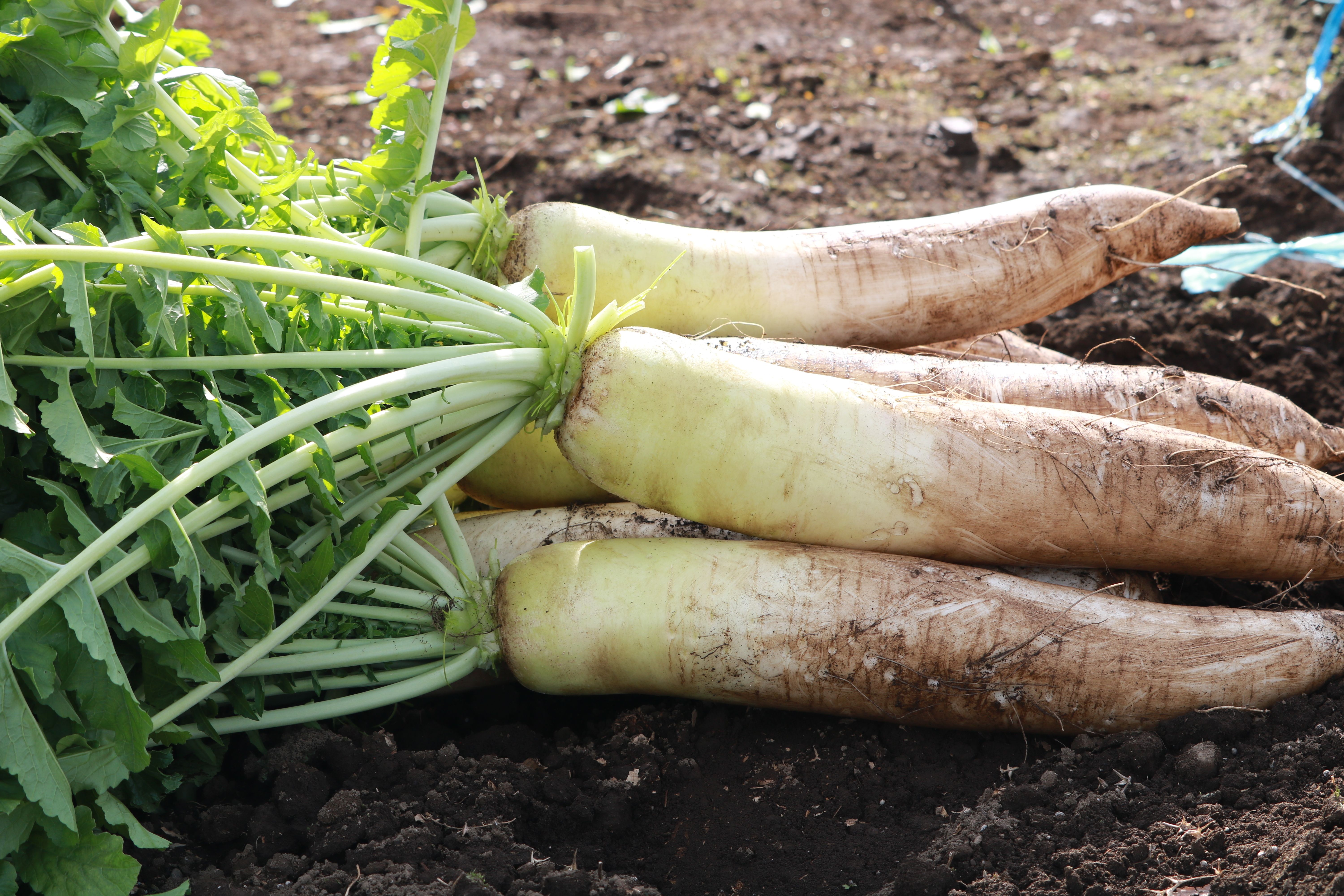
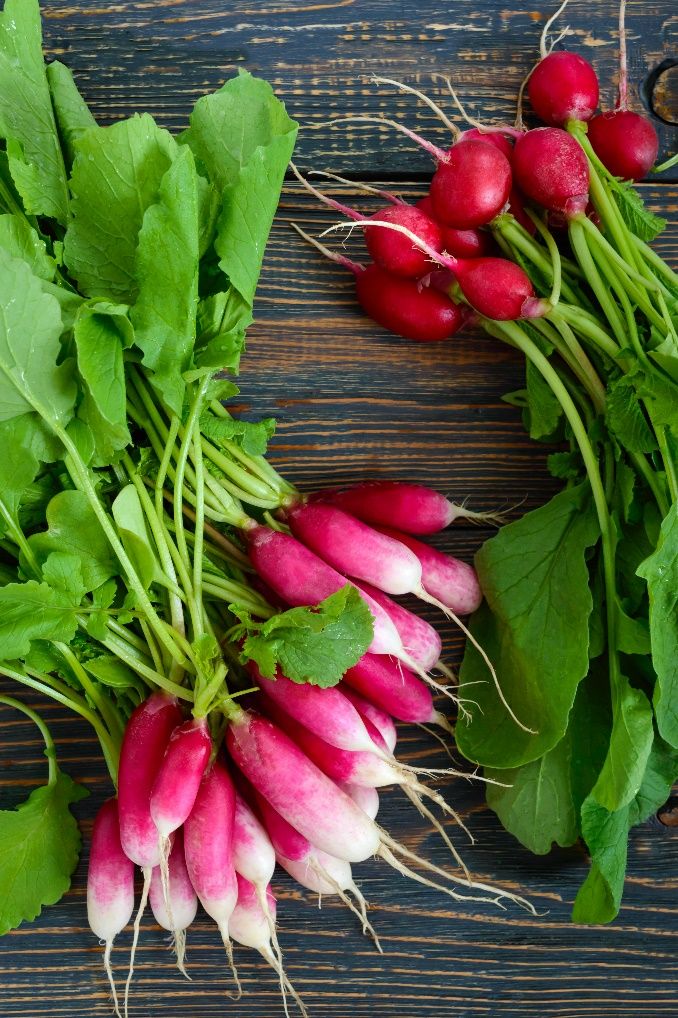
Many types of radishes, originally from Asia, are grown in Florida in the fall and winter because they are frost tolerant and grow quickly, making them a good choice for farmers to start their seasons (Davidson & Jaine, 2013). While most radishes eaten in the U.S. are small and round with crisp, white, peppery flesh, radishes come in a variety of sizes and shapes, with colors ranging from pink, purple, and lavender to black and white (Smith, 2012). Florida radishes include daikon radish (Raphanus sativus L. var. longipinnatus) (Dixon & Liu, 2020) and specialty radishes (Raphanus sativus) (Stall et al., 2006), such as Easter Egg, D'Avignon, or French Breakfast.
Credit: © apple713 / Adobe Stock
Credit: Credit: © yaroshenko / Adobe Stock
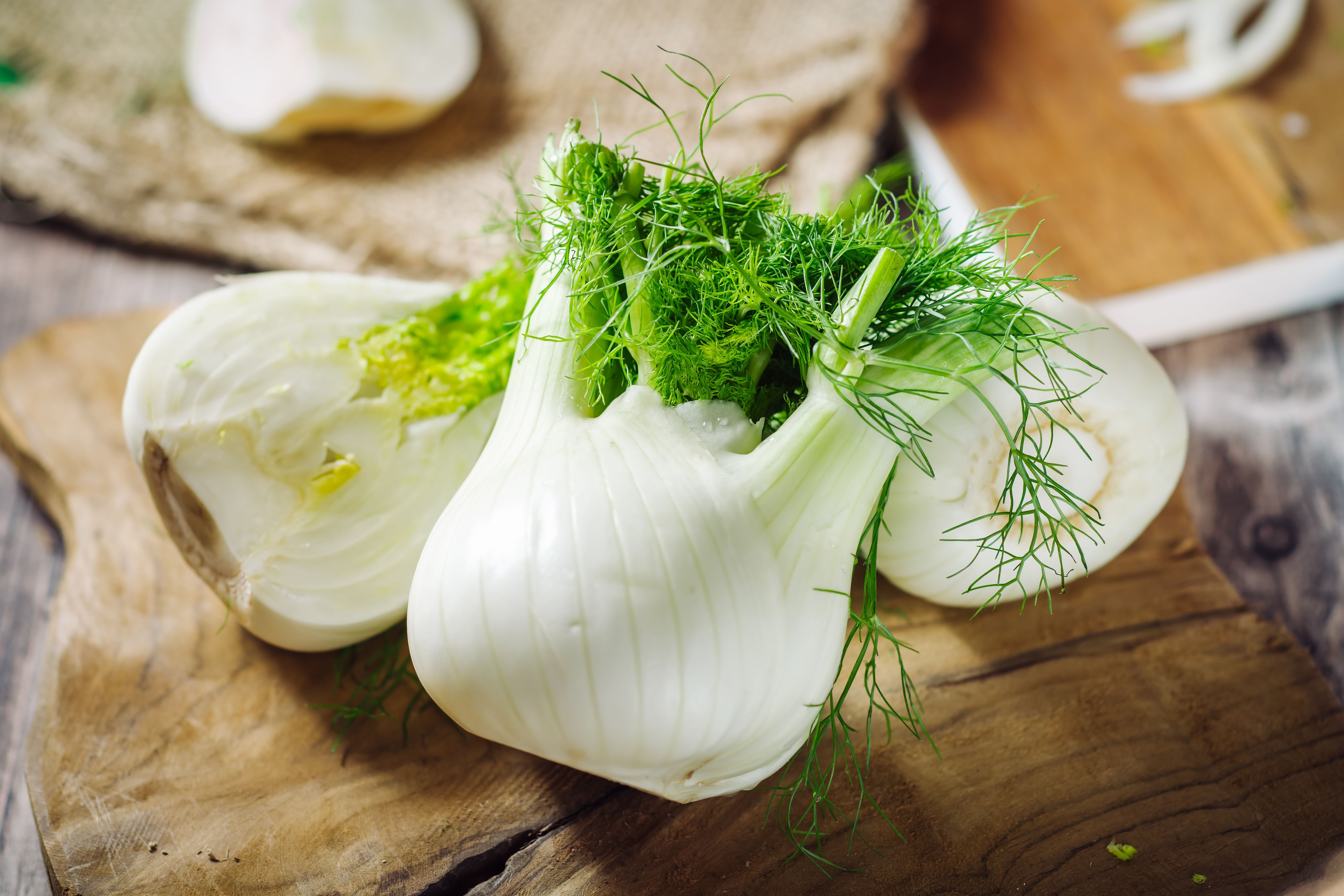
Taking a bit longer to grow than radishes, fennel (Foeniculum vulgare), onions (Allium cepa), carrots (Daucus carota subsp. sativus), Tokyo turnip (Brassica rapa var. rapifera), sunchokes (Helianthus tuberosus), and celery (Apium graveolens) are available later in the growing season into the spring months (Dixon & Liu, 2020; Hochmuth, Maynard, Vavrina, Stall, Pernezny, et al., 2006; Hochmuth, Maynard, Vavrina, Stall, Raid, et al., 2006; Morrow et al., 2023; Salinas et al., 2021; Smith et al., 2023; Stall et al., 2006).
Credit: Credit: © sabino.parente / Adobe Stock
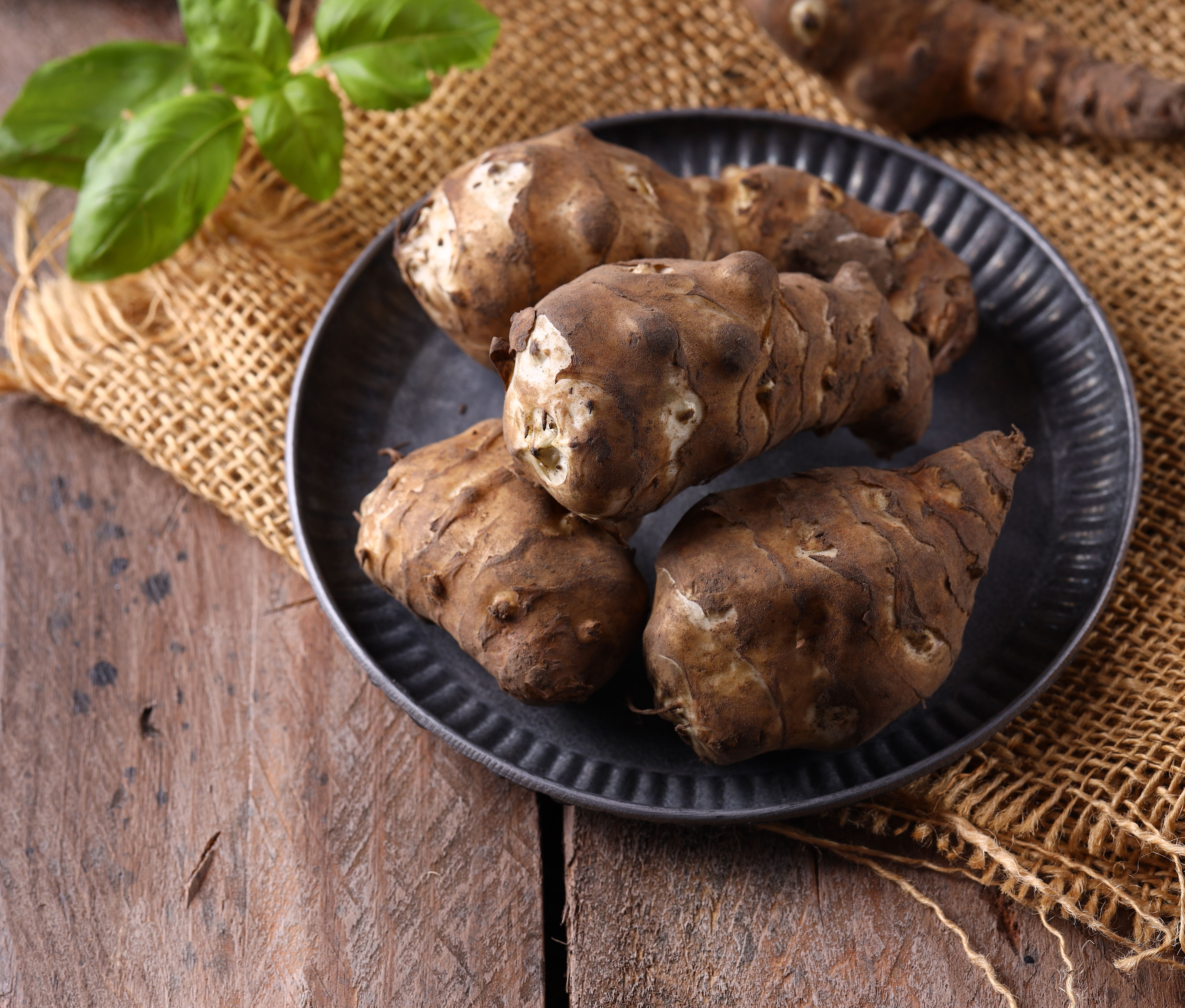
The sunchoke is a tuber, and should not be confused with the more familiar globe artichoke (Cynara cardunculus L.), which is grown to consume the above-ground flower (Agehara, 2017; Stephens, 2015). While sunchokes are also known as Jerusalem artichokes, they are not related to artichokes and they have no connection to Jerusalem (Morgan, 2012). The carbohydrate in Jerusalem artichokes is inulin, a soluble dietary fiber that is a prebiotic with health benefits including weight loss, lowering blood sugar, and inhibiting inflammatory factors (Qin et al., 2023). Jerusalem artichokes are an excellent source of iron, copper, and thiamin (USDA, n.d.). The Jerusalem artichoke, a Florida native crop, has fewer calories than potatoes and a lower glycemic index, a measure of how quickly a food raises blood sugar levels (Sirchia, 2024). Jerusalem artichokes have a mild, nutty flavor, and are crisp and crunchy when eaten raw. They can be cut thinly to add crunch to salads, and larger ones can be used like potatoes (Sandborn, 2016).
Credit: © Olga Kriger / Adobe Stock
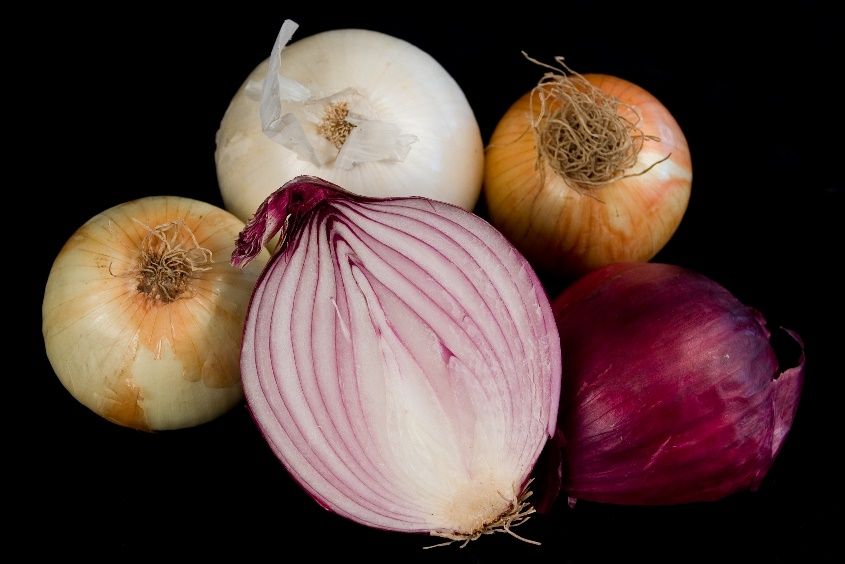
Onions have a pungent yet slightly sweet flavor when eaten raw, but they become milder and sweeter when cooked. They contain potassium and folate, and are a good source of vitamins B6 and C (USDA, n.d.). To prepare, first cut off the root end and stem. Then, peel away the papery outer layers. You can slice, dice, chop, or mince as needed. Store onions in a cool, dry place such as a countertop or pantry. Once cut, store the remaining portion in an airtight container in the fridge. Onion keeps for several weeks to a few months whole, depending on the variety. To reduce waste, you can save onion skins and trimmings to make homemade vegetable broth. While onions are known for irritating eyes during preparation, chilling onions before cutting or cutting onions under running water can reduce the "stinging" effect that can irritate eyes (Smith, 2012).
Credit: Tyler Jones, UF/IFAS
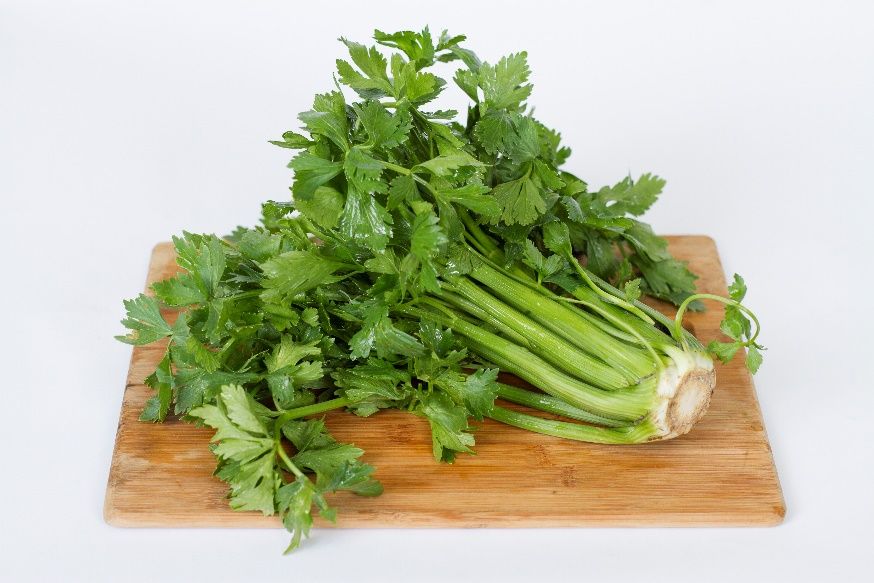
Celery is a Mediterranean crop with a long history. Celery leaves were a part of the garlands found in the tomb of the pharaoh Tutankhamun, who died in 1323 BCE (Winlock & Arnold, 2010). Celery is a good source of dietary fiber, and it contains vitamins A and K and potassium (USDA, n.d.). Celery has a mild, mellow flavor with a crisp, crunchy texture when eaten raw. It is excellent in soups, salads, and stews, and it can be used for roasting and juicing. Celery can also be eaten raw with dips. To prepare, rinse celery well in cool water, then trim the root ends of the stalk. Trim the top leaves to have individual "ribs." To store, keep celery whole, wrap it in a damp paper towel or cloth, and place it in the crisper drawer of your fridge. If the celery is wilted, the stalks can be revived in a jar of water. To reduce waste, you can use the leafy tops like an herb garnish in salads, soups, or sautéed dishes (CalFresh, n.d.).
Credit: Amy Stuart, UF/IFAS
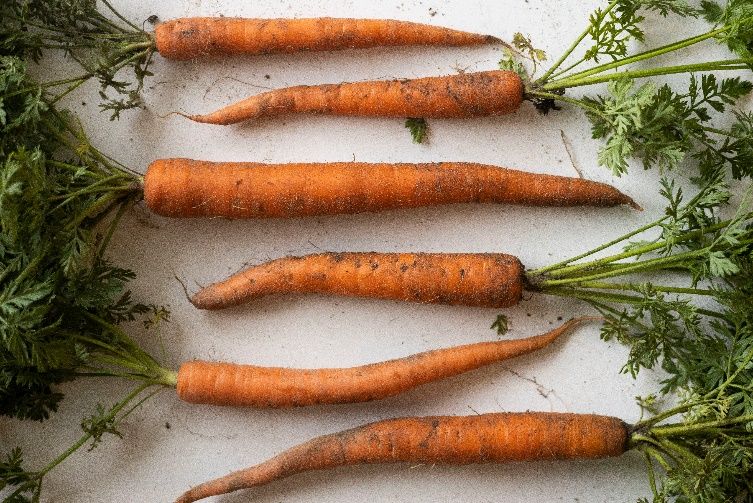
Carrots most likely originated as a purple or yellow root in Afghanistan, with the bright-orange root that we now associate with most carrots being the result of a cross by Dutch varieties with the older Afghani varieties in the late 17th century (Smith, 2012). Carrots have numerous nutritional and health benefits due to carotenoids, flavonoids, vitamins, and minerals, which have antioxidant, anticarcinogenic, and immune-enhancing properties (da Silva Dias, 2014). Florida farms grow carrots in a variety of colors from orange to purple. Due to water shortages in California where the majority of carrots are grown, there is increasing interest in carrot production in Florida because of Florida’s mild winters, sandy soils, and access to water (Morrow et al., 2023).
Credit: Cat Wofford, UF/IFAS.
Some tubers can grow in the warm season, including potatoes (Solanum tuberosum) and sweet potatoes (Ipomoea batatas) (Simonne et al., 2006). Sweet potatoes are started in late spring from transplants called "slips," which sprout from a mature sweet potato, while baby red potatoes are grown from “seed” potatoes (Park-Brown et al., 2021). Potatoes are native to South America, but were introduced to Europe (Smith, 2012). Potatoes are a good source of B vitamins and potassium, phosphorus, and other trace elements (Smith, 2012). Sweet potatoes are highly nutritious, containing fiber, provitamin A, vitamin C, calcium, folic acid, magnesium, and potassium (Smith, 2012).
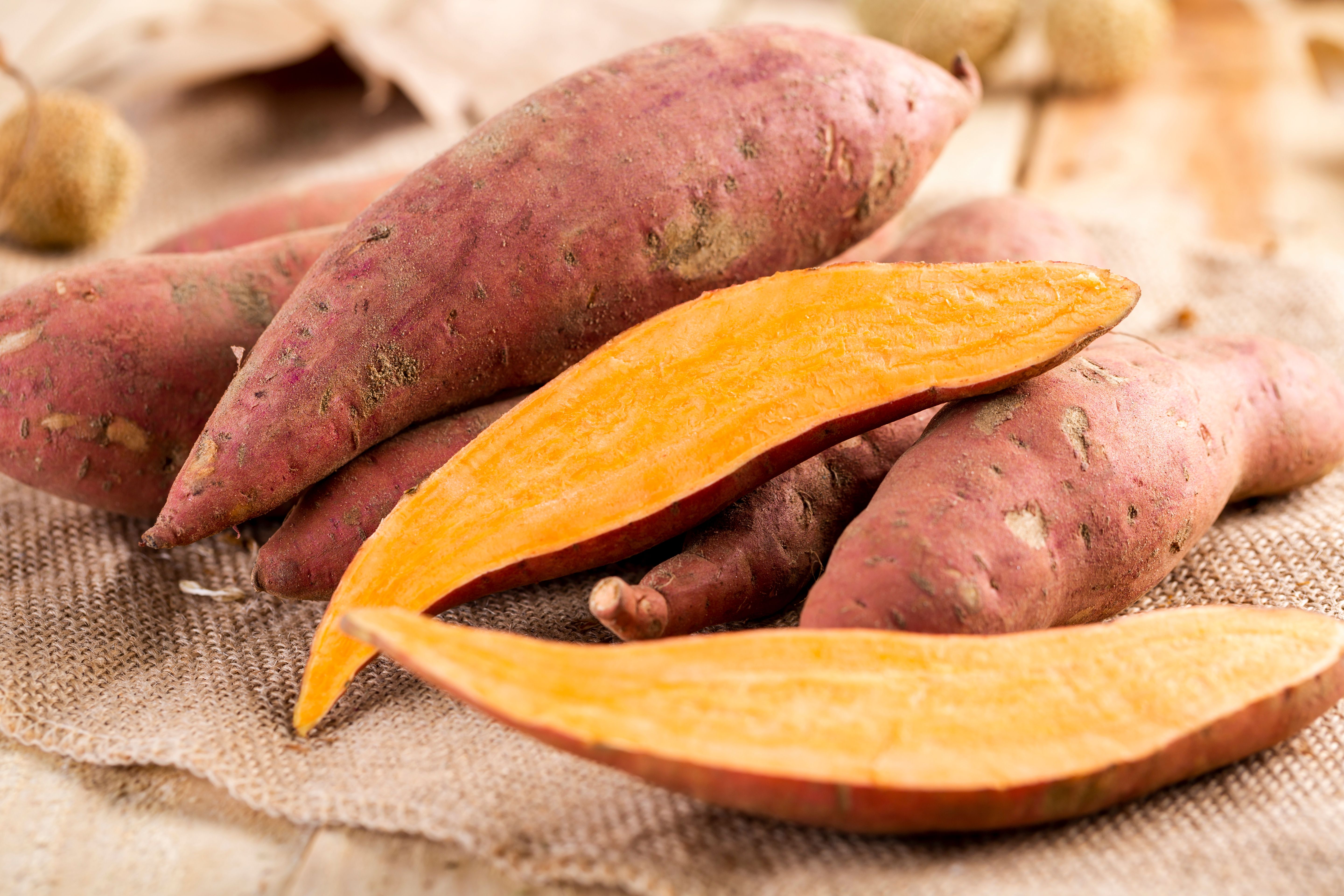
Sweet potatoes originated in tropical areas of Central and South America, with domestication occurring as early as 8000 BCE. The earliest archaeological evidence found in Peru dates to 2000 BCE (Smith, 2012). The sweet potato usually has wine-colored skin with orange flesh, but the tropical sweet potato — the “boniato,” which is predominantly grown in Miami-Dade County — has wine-colored skin and white flesh (Beuzelin et al., 2023).
Credit: Credit: © ddukang / Adobe Stock
Root vegetables have a longer shelf life than many other types of fresh produce when refrigerated. Tokyo turnips, specialty radishes, and fennel can keep for up to 10 days in the refrigerator, and daikon radish can keep for up to a month in the refrigerator (Dixon & Liu, 2020; Salinas et al., 2021; Stall et al., 2006). Carrots and celery can be stored in the refrigerator for 2–3 weeks before they start to become dehydrated. Sunchokes and cured sweet potatoes can be kept for several weeks in a cool, dry place. Onions and potatoes keep well for up to a month or longer depending on the variety. Moisture can lead to mold growth and light can cause tubers to sprout. Checking on the tubers regularly helps to reduce spoilage and waste. Before preparing root vegetables, rinse them under cool water, and scrub the skin to loosen and remove dirt. For many root vegetables, such as potatoes, sweet potatoes, carrots, radishes, and sunchokes, peeling is optional; the skin is edible, but some prefer to remove the skin for a smoother texture (CalFresh, n.d.).
Root vegetables can be prepared in a variety of ways. For example, they can be fried, roasted, mashed, baked, or sautéed, and used in soups, stews, curries, and casseroles (Smith, 2012). Sweet potatoes are good in both sweet and savory dishes, and can be roasted, baked, mashed, or added to casseroles, pies, and soups (Smith, 2012). Radish and Tokyo turnips can be eaten raw, thinly sliced on salads, roasted, stir-fried, or pickled. All parts of the carrot have culinary uses, and while typically eaten raw or pickled, they can be roasted, fried, mashed, or used in soups, stocks, and stews (Smith, 2012). Onions, celery, and fennel play an important role in improving flavor in dishes and can be used to add flavor to soups, stews, and salads (Smith, 2012). Various tubers and root vegetables are grown in Florida. Their potential health and nutrition benefits make them an excellent choice for culinary exploration. For recipe ideas and information on how to grow these crops, visit the Fresh from Florida website (Florida Department of Agriculture and Consumer Services, 2025).
Additional Resources
Carrots: https://gardeningsolutions.ifas.ufl.edu/plants/edibles/vegetables/carrots.html
Celery: https://blogs.ifas.ufl.edu/charlotteco/2020/03/14/stalking-celery/
Fennel: https://gardeningsolutions.ifas.ufl.edu/plants/edibles/vegetables/fennel.html
Jerusalem Artichoke: https://gardeningsolutions.ifas.ufl.edu/plants/edibles/vegetables/jerusalem-artichoke.html
Onions: https://gardeningsolutions.ifas.ufl.edu/plants/edibles/vegetables/onions-and-shallots.html
Potatoes: https://gardeningsolutions.ifas.ufl.edu/plants/edibles/vegetables/potatoes.html
Radishes: https://gardeningsolutions.ifas.ufl.edu/plants/edibles/vegetables/radishes.html
Sweet Potatoes: https://gardeningsolutions.ifas.ufl.edu/plants/edibles/vegetables/sweet-potatoes.html
Turnips: https://gardeningsolutions.ifas.ufl.edu/plants/edibles/vegetables/turnips.html
References
Agehara, S. (2017). Production Guidelines for Globe Artichoke in Florida: HS1289/HS1289, 2/2017. EDIS, 2017(2). https://doi.org/10.32473/edis-hs1289-2017
Bertoia, M. L., Mukamal, K. J., Cahill, L. E., Hou, T., Ludwig, D. S., Mozaffarian, D., Willett, W. C., Hu, F. B., & Rimm, E. B. (2015). Changes in Intake of Fruits and Vegetables and Weight Change in United States Men and Women Followed for Up to 24 Years: Analysis from Three Prospective Cohort Studies. PLOS Medicine, 12(9), e1001878. https://doi.org/10.1371/journal.pmed.1001878
Beuzelin, J., Dittmar, P. J., Smith, H. A., Wells, B., Desaeger, J., Zotarelli, L., Zhang, S., Wang, Q., Frey, C., & Meszaros, A. (2023). Chapter 15. Root Crop Production in Florida: VPH ch. 15, CV300/HS965, rev. 6/2023. EDIS. https://doi.org/10.32473/edis-cv300-2023
CalFresh. (n.d.). Discover Foods. EatFresh. Retrieved February 18, 2025, from http://eatfresh.org/discover-foods/
Court, C., Ferreira, J.-P., Botta, R., & McDaid, K. (2023). Economic Contributions of the Agriculture, Natural Resource, and Food Industries in Florida, 2019: FE1136, 7/2023. EDIS, 2023(4). https://doi.org/10.32473/edis-fe1136-2023
da Silva Dias, J. C. (2014). Nutritional and Health Benefits of Carrots and Their Seed Extracts. Food and Nutrition Sciences, 05(22). https://doi.org/10.4236/fns.2014.522227
Davidson, A., & Jaine, T. (2013). The Oxford Companion to Food. Oxford University Press. https://www.oxfordreference.com/display/10.1093/acref/9780192806819.001.0001/acref-9780192806819
Dixon, M., & Liu, G. (2020). Daikon Radish Cultivation Guide for Florida: HS1370, 9/2020. EDIS, 2020(5). https://doi.org/10.32473/edis-hs1370-2020
Florida Department of Agriculture and Consumer Services. (2025). Fresh From Florida: Recipes. https://www.followfreshfromflorida.com/recipes
Hochmuth, G. J., Maynard, D. N., Vavrina, C. S., Stall, W. M., Pernezny, K. L., & Webb, S. E. (2006). Chapter 23: Carrot Production in Florida: HS722/CV120, 12/2005. EDIS, 2006(3). https://doi.org/10.32473/edis-cv120-2005
Hochmuth, G. J., Maynard, D. N., Vavrina, C. S., Stall, W. M., Raid, R. N., & Webb, S. E. (2006). Chapter 24: Celery Production in Florida: HS723/CV121, 12/2005. EDIS, 2006(3). https://doi.org/10.32473/edis-cv121-2005
Hung, H.-C., Joshipura, K. J., Jiang, R., Hu, F. B., Hunter, D., Smith-Warner, S. A., Colditz, G. A., Rosner, B., Spiegelman, D., & Willett, W. C. (2004). Fruit and Vegetable Intake and Risk of Major Chronic Disease. JNCI: Journal of the National Cancer Institute, 96(21), 1577–1584. https://doi.org/10.1093/jnci/djh296
Morrow, M., Sharma, V., Hochmuth, R., Barrett, C., & Burani-Arouca, M. (2023). Carrot (Daucus carota) Production in the Sandy Soils of North Florida: Nitrogen Fertilization Guidelines: AE588/AE588, 7/2023. EDIS, 2023(4). https://doi.org/10.32473/edis-ae588-2023
National Agricultural Statistics Service. (2017). 2017 Census of Agriculture. United States Department of Agriculture. https://www.nass.usda.gov/Publications/AgCensus/2017/index.php
Park-Brown, S., Treadwell, D., Stephens, J. M., & Webb, S. (2021). Florida Vegetable Gardening Guide.
Qin, Y.-Q., Wang, L.-Y., Yang, X.-Y., Xu, Y.-J., Fan, G., Fan, Y.-G., Ren, J.-N., An, Q., & Li, X. (2023). Inulin: Properties and Health Benefits. Food & Function, 14(7), 2948–2968. https://doi.org/10.1039/d2fo01096h
Salinas, M., Brown, S. P., & Stephens, J. M. (2021). Herbs and Spices in the Florida Garden: VH020/CIR570, rev. 12/2021. EDIS, 2021(6). https://doi.org/10.32473/edis-vh020-2021
Sandborn, D. (2016, October 31). Jerusalem Artichokes: Tasty and Versatile. MSU Extension. https://www.canr.msu.edu/news/jerusalem_artichokes_tasty_and_versatile
Simonne, E. H., Olson, S. M., Lamberts, M. L., Stall, W. M., Pernezny, K. L., & Webb, S. E. (2006). Chapter 40: Sweetpotato Production in Florida: HS738/CV136, 11/2006. EDIS, 2006(3). https://doi.org/10.32473/edis-cv136-2006
Sirchia, J. (2024, October 8). Exploring Florida’s Natives: Sunchoke. UF/IFAS Extension Pasco County. https://blogs.ifas.ufl.edu/pascoco/?p=6427
Smith, A. F. (Ed.). (2012). The Oxford Encyclopedia of Food and Drink in America. Oxford University Press. https://www.oxfordreference.com/display/10.1093/acref/9780199734962.001.0001/acref-9780199734962
Smith, H. A., Desaeger, J., Dittmar, P. J., Roberts, P. D., Martini, X., Zhang, S., & Zotarelli, L. (2023). Chapter 12. Onion, Leek, and Chive Production in Florida: VPH ch. 12, CV299/HS730, 6/2023. EDIS. https://doi.org/10.32473/edis-cv299-2023
Stall, W. M., Raid, R. N., & Webb, S. E. (2006). Chapter 36: Radish Production in Florida: HS734/CV132, 11/2006. EDIS, 2006(3). https://doi.org/10.32473/edis-cv132-2006
Stephens, J. M. (2015). Artichoke, Jerusalem — Helianthus tuberosus L. EDIS.
USDA. (n.d.). FoodData Central. Retrieved October 31, 2024, from https://fdc.nal.usda.gov/
Winlock, H. E., & Arnold, D. (2010). Tutankhamun’s Funeral. The Metropolitan Museum of Art.