Biology, Ecology, and Benefits of Ectomycorrhizal Fungi in Natural and Managed Forest Ecosystems
Holly Andres, Kaile Zhang, and Hui-Ling (Sunny) Liao
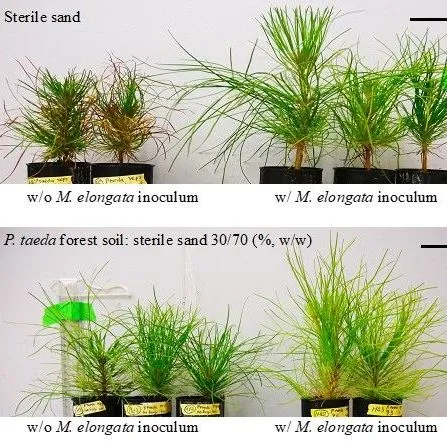
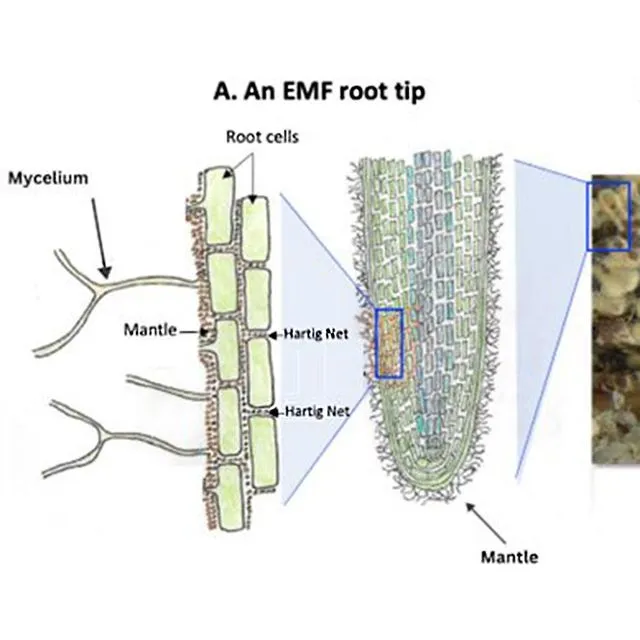
Ectomycorrhizal fungi (EMF) form symbiotic relationships with approximately 60% of trees and woody plants among temperate and boreal forests. EMF also serve as the primary symbionts in subtropical and tropical forests, particularly in conifer forests, including those in Florida's climate. These fungi influence the global carbon, nitrogen, and phosphorus cycles, sequestering or supplying these elements as necessary for ecosystem processes and resilience. However, EMF are susceptible to environmental stressors and management practices, including fertilizers, fungicides, and mechanical disturbances. This publication aims to provide general knowledge to the general public on the biology and ecological functions of EMF in natural and managed forest ecosystems. By understanding the role and benefits of EMF in these environments, forest managers, tree nursery operators, and timber industry stakeholders can gain valuable insights for incorporating EMF into their management practices.